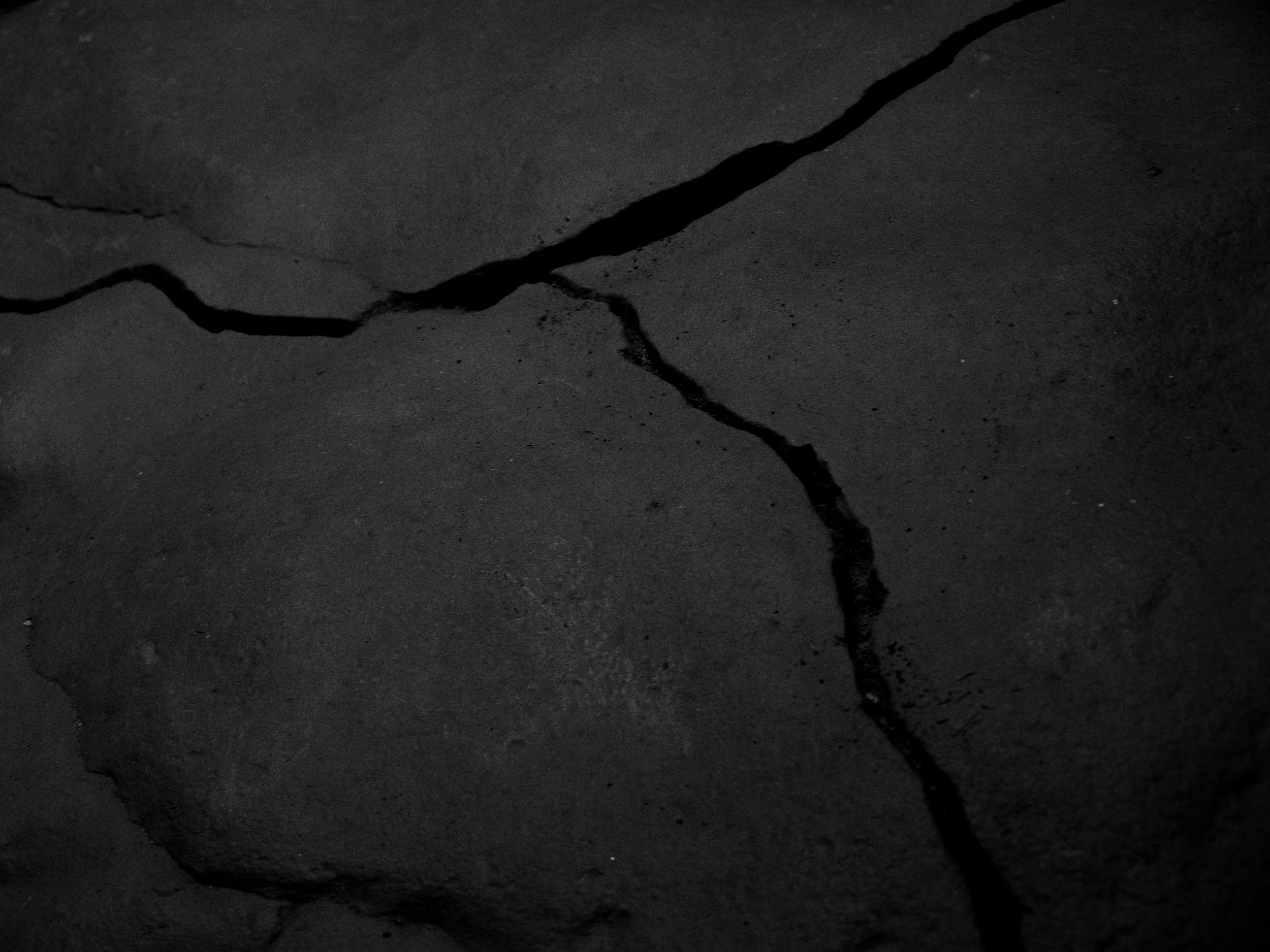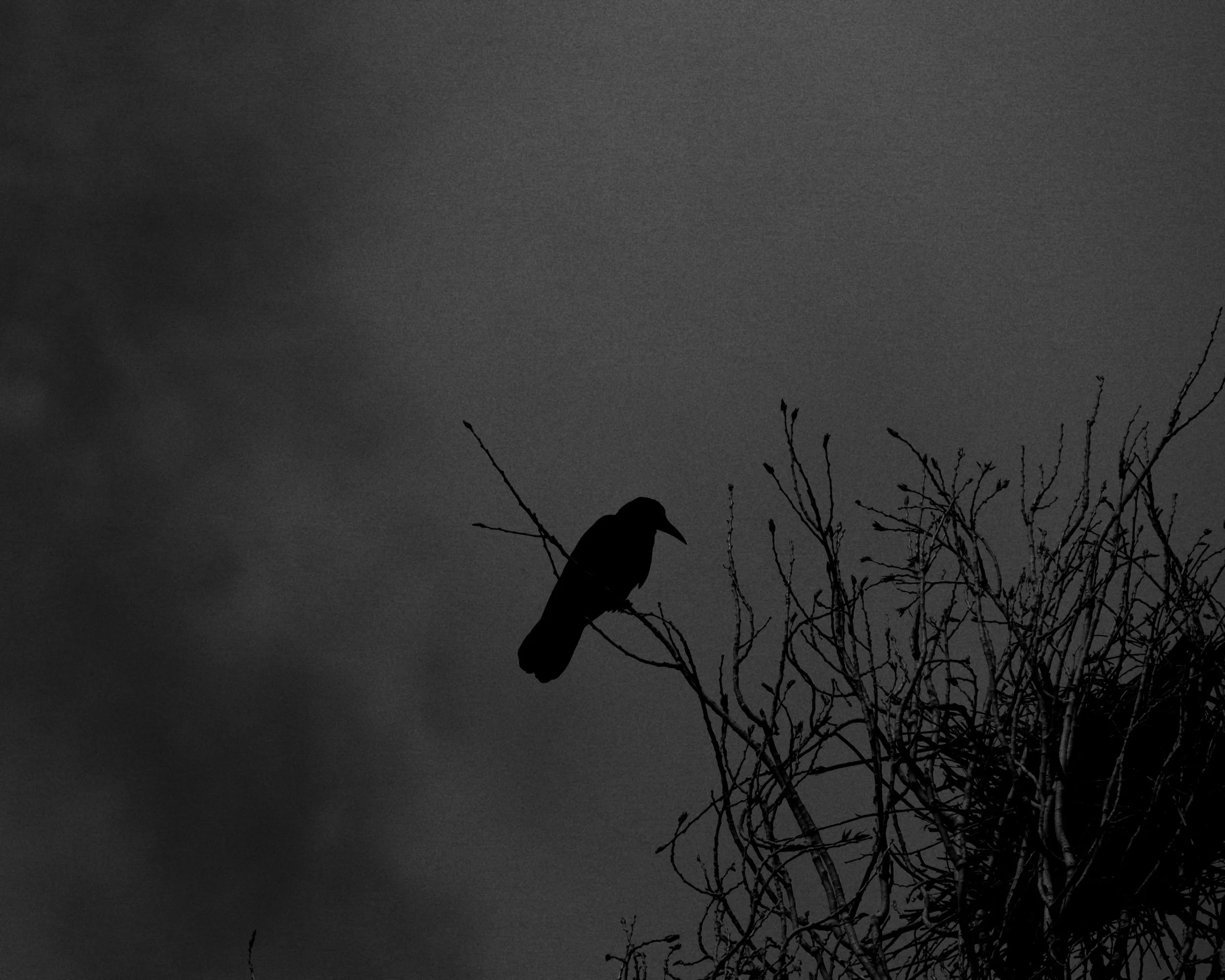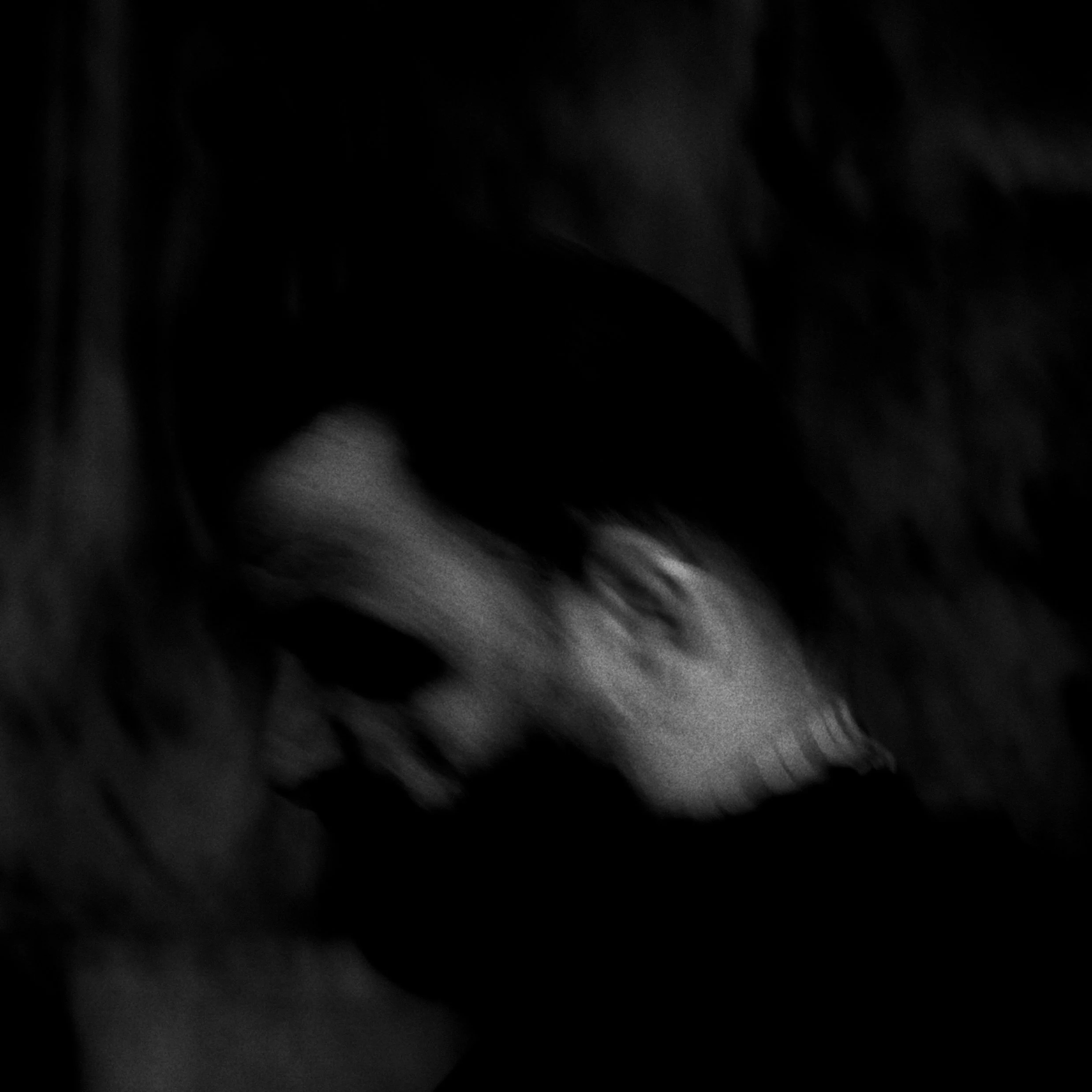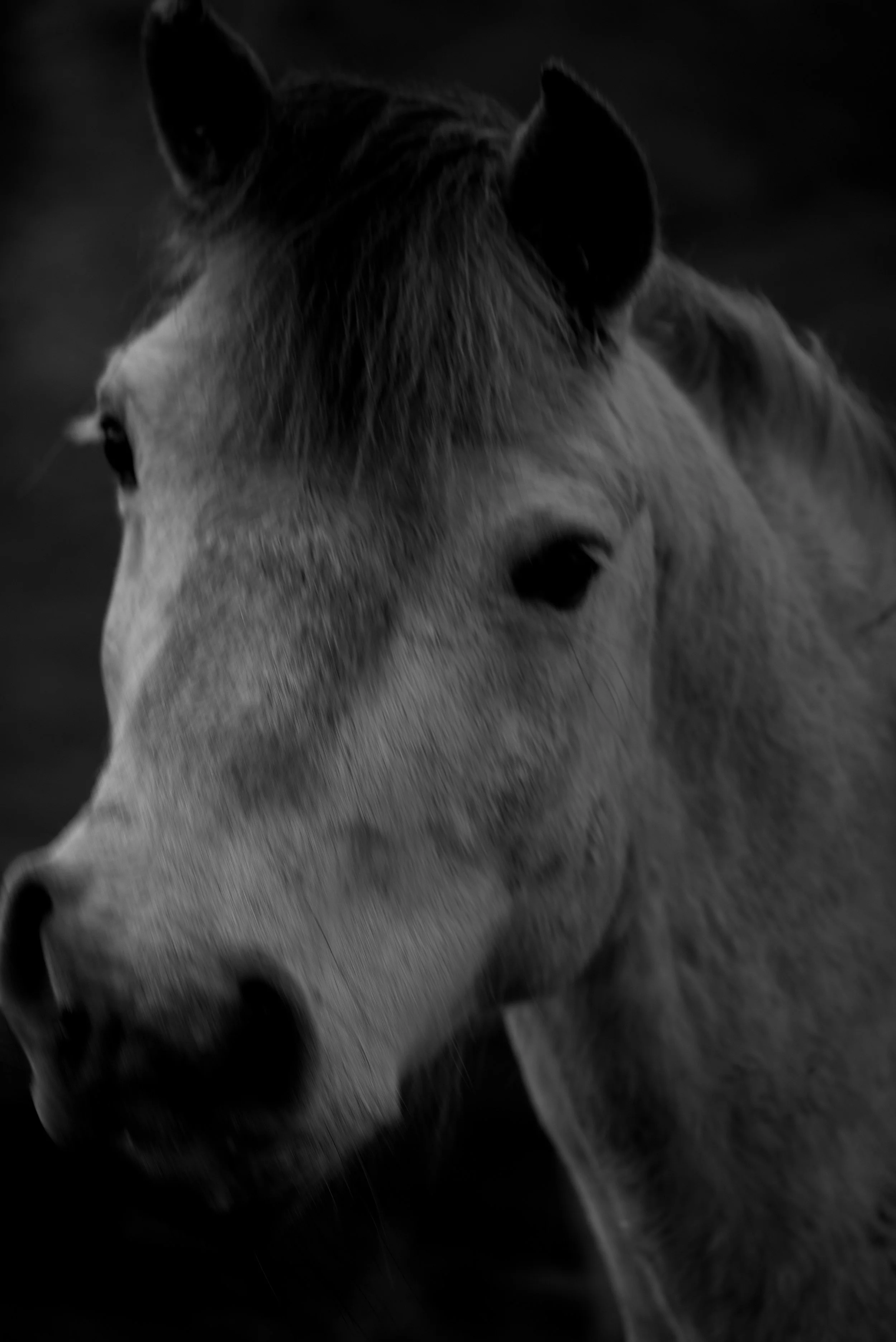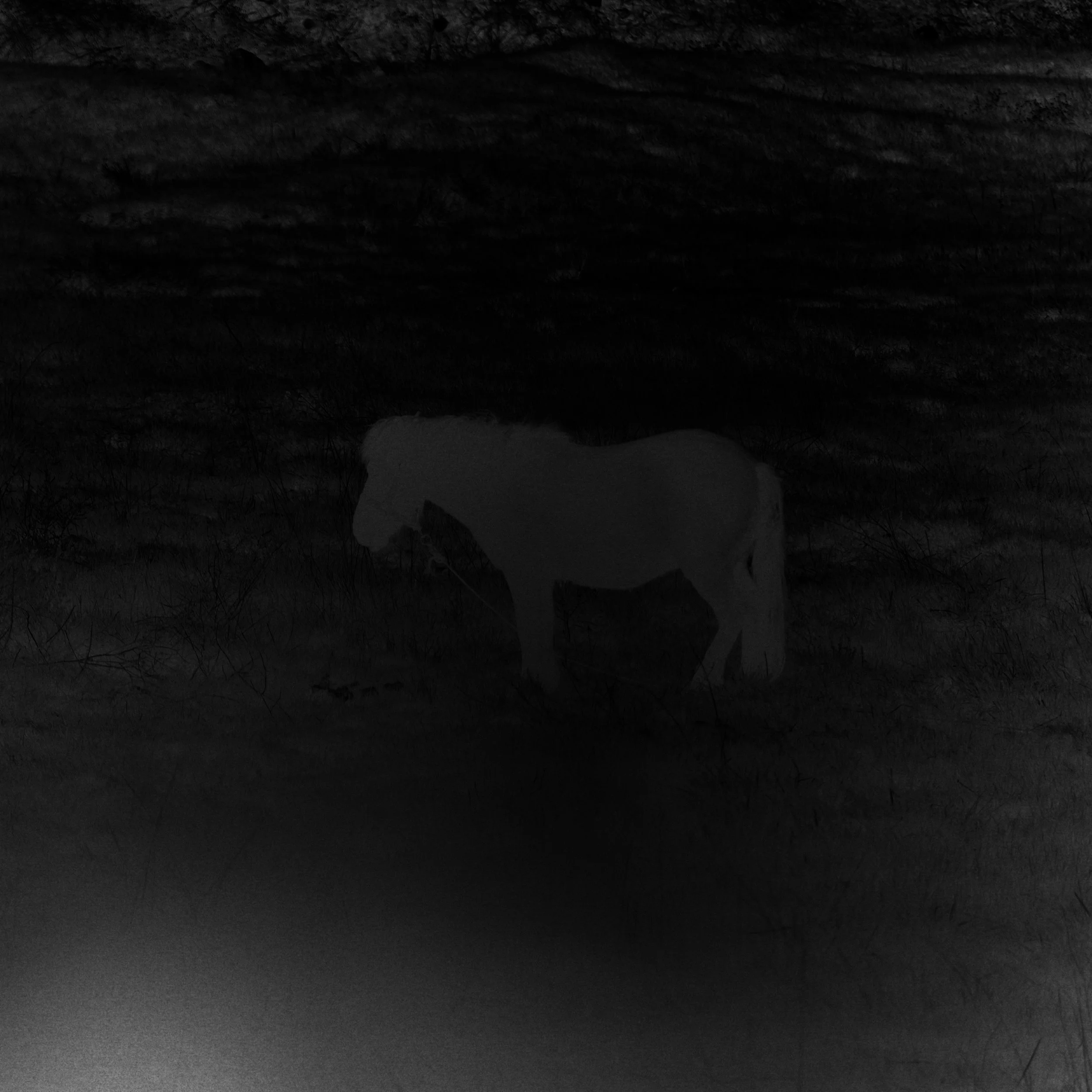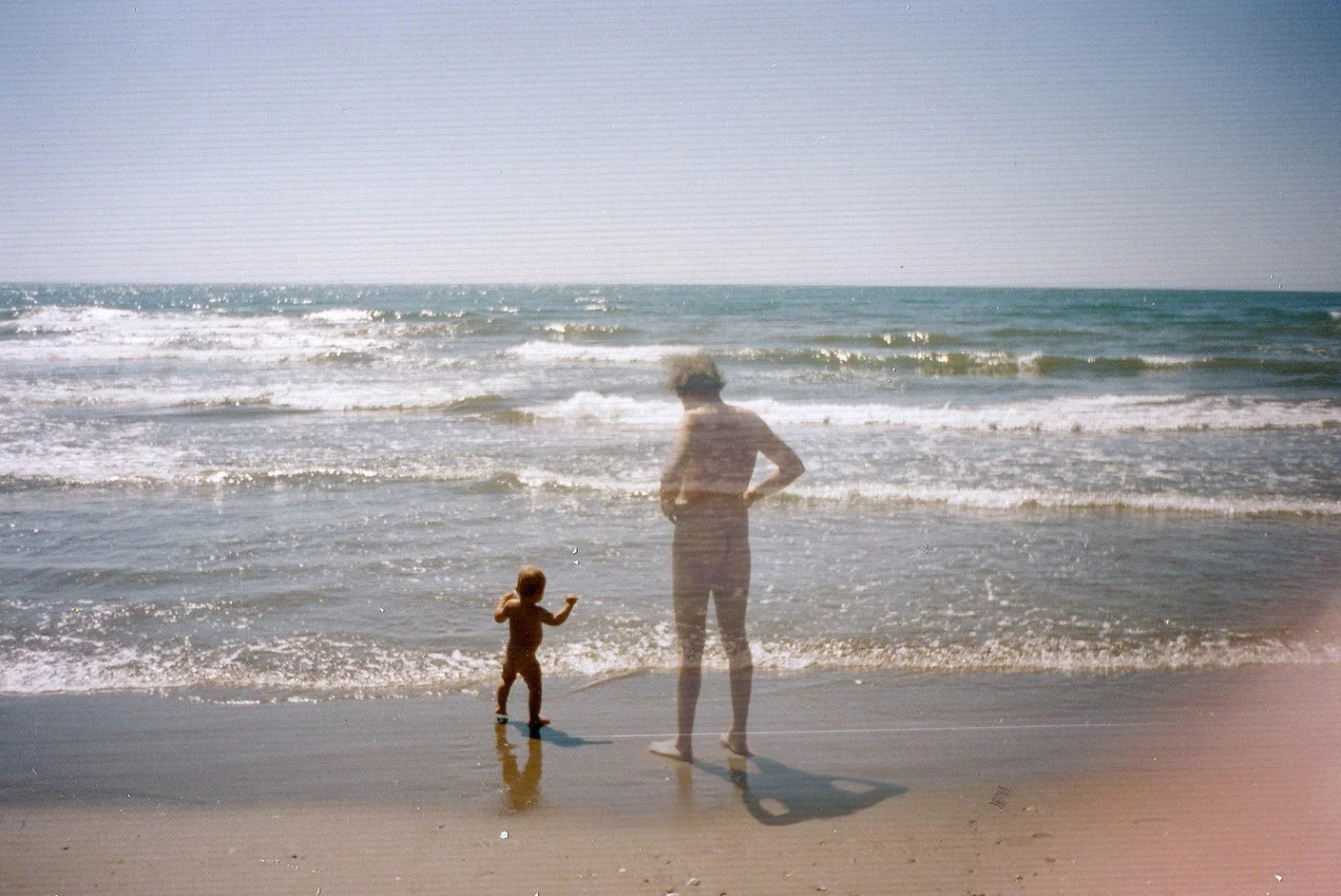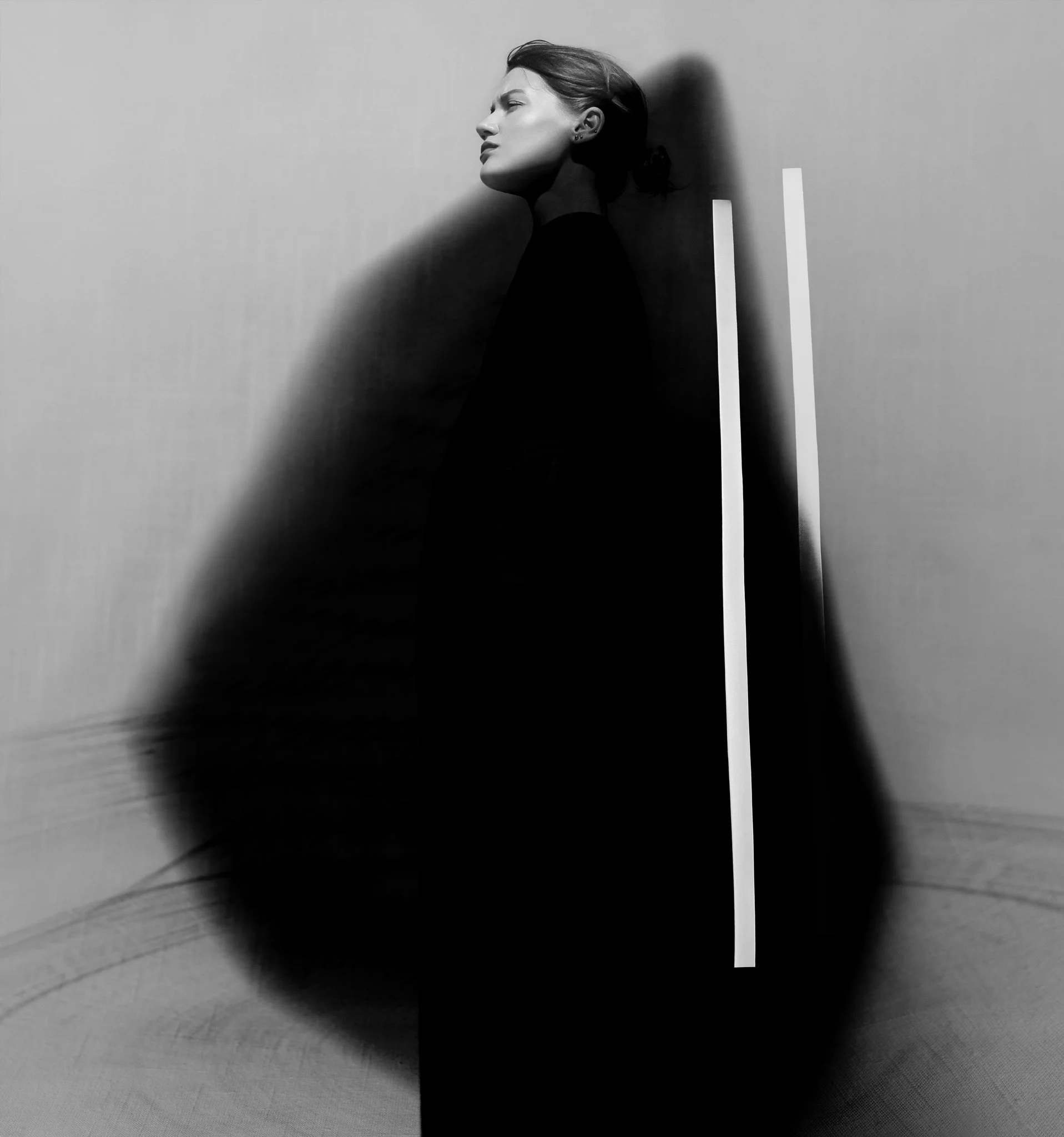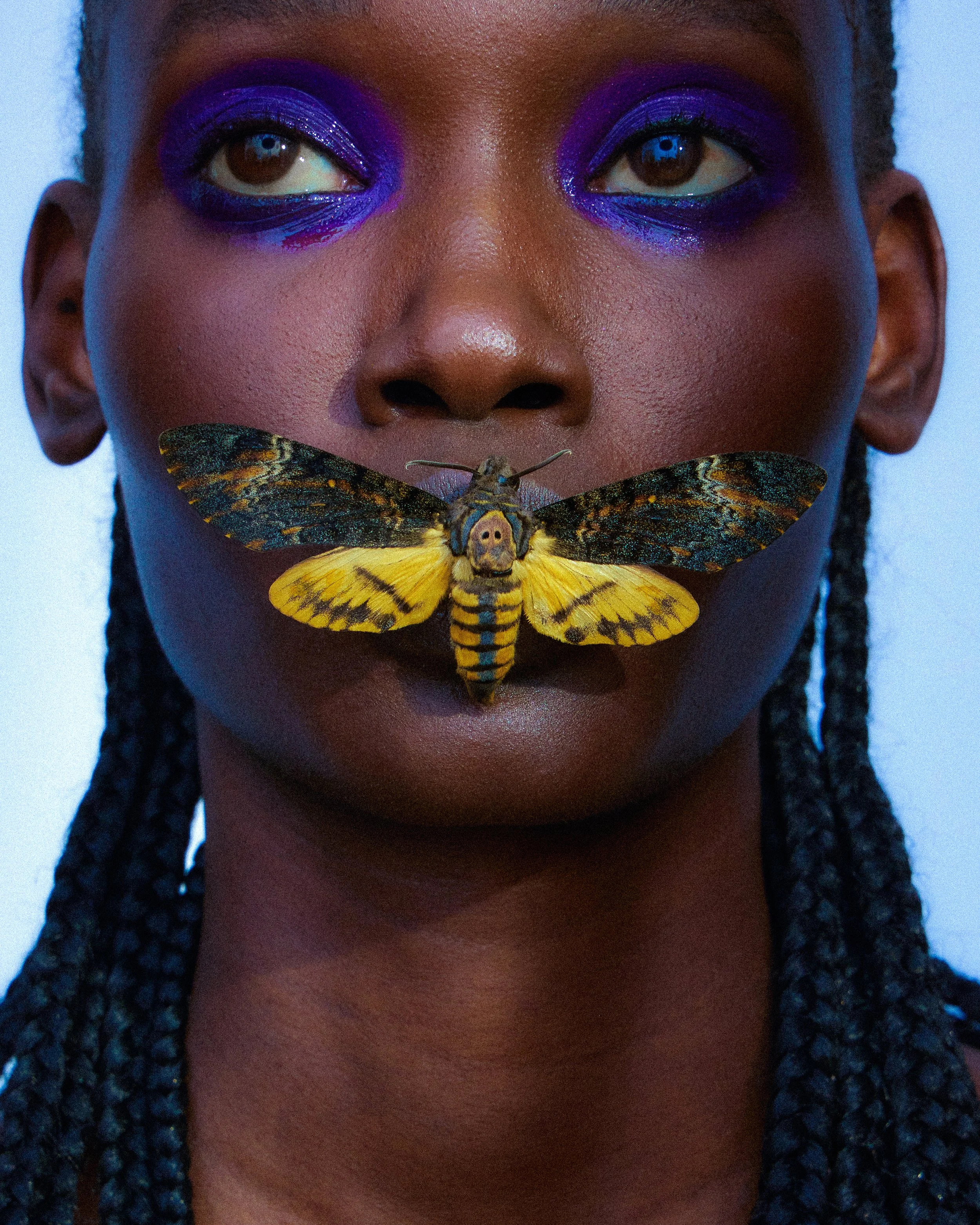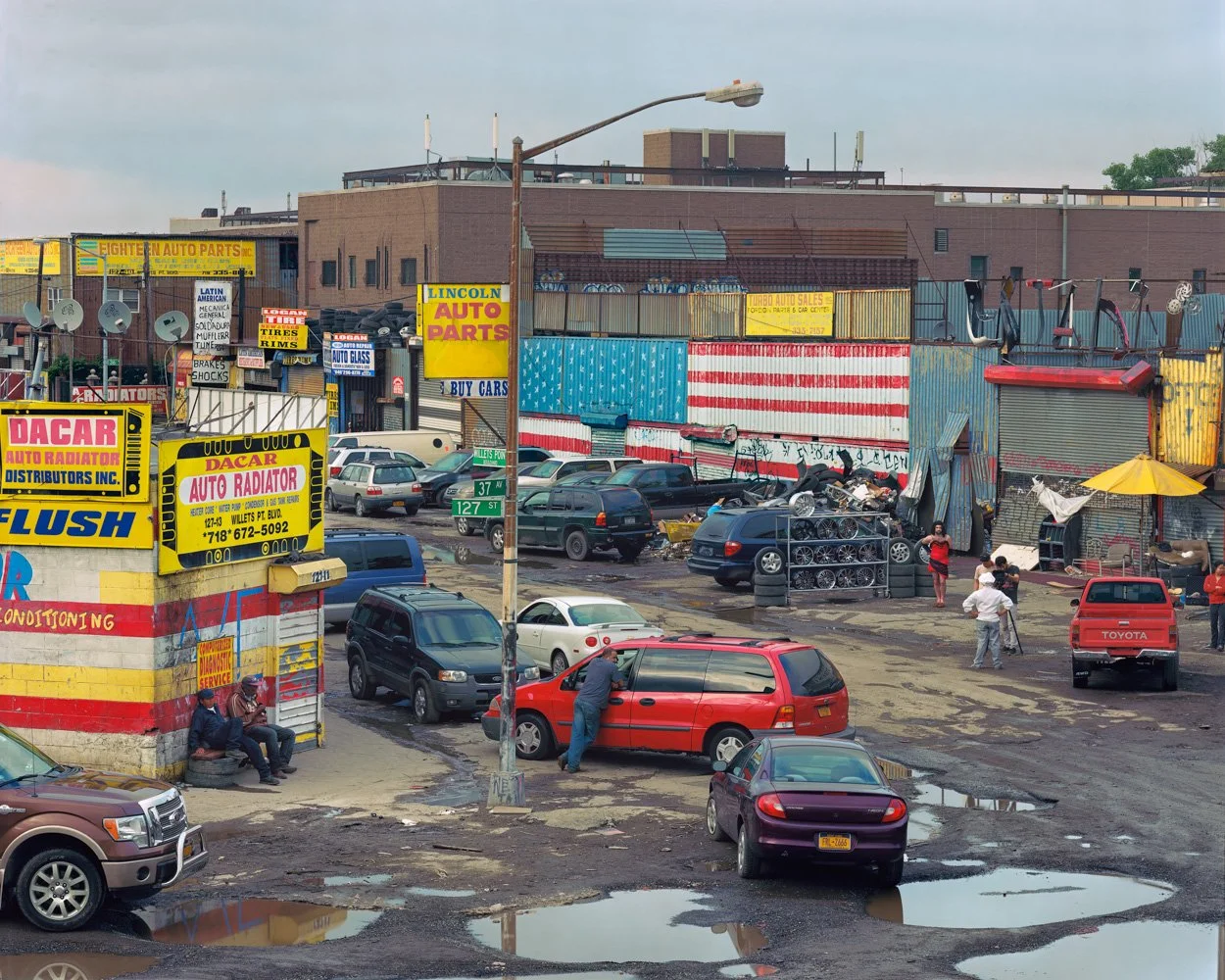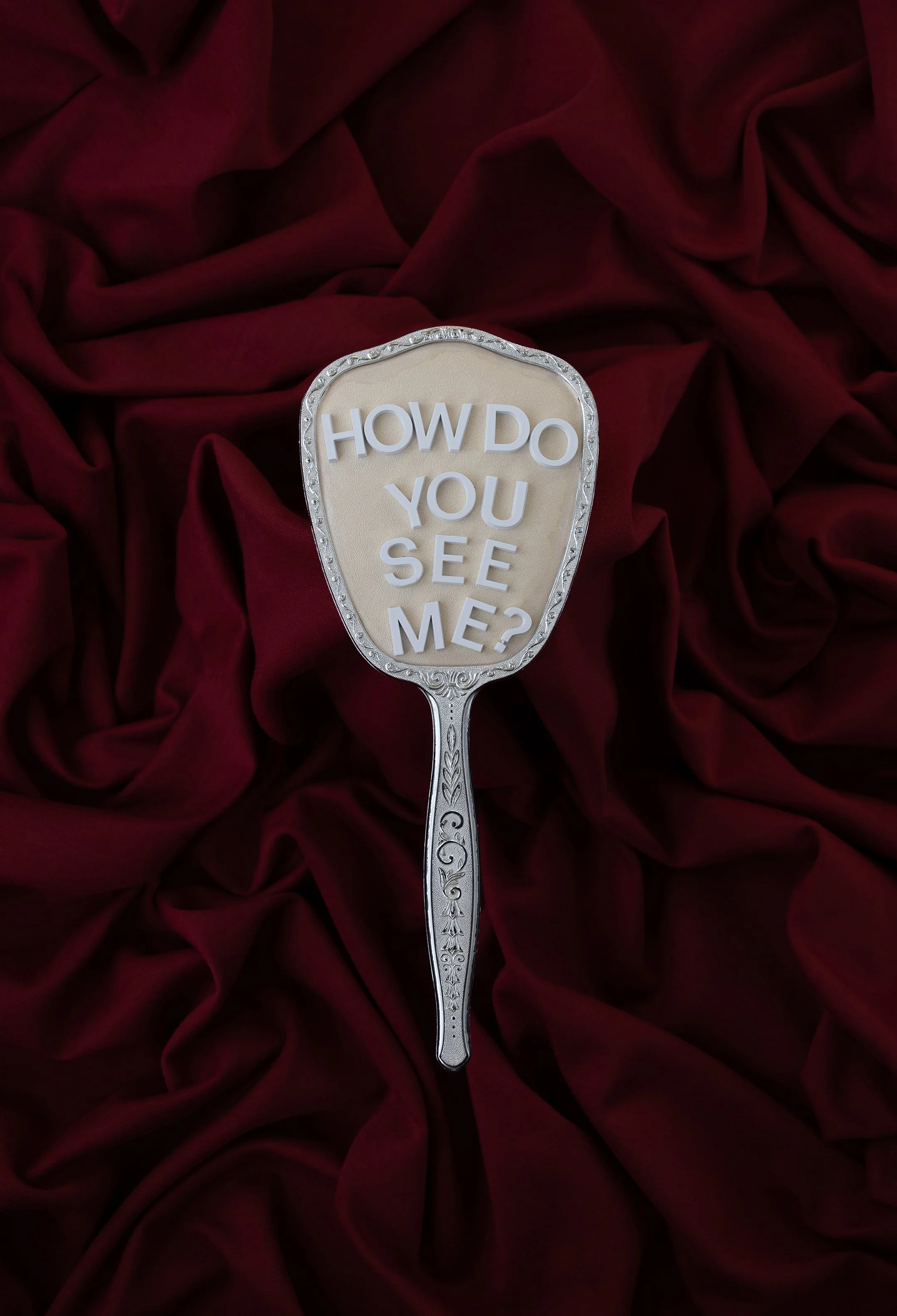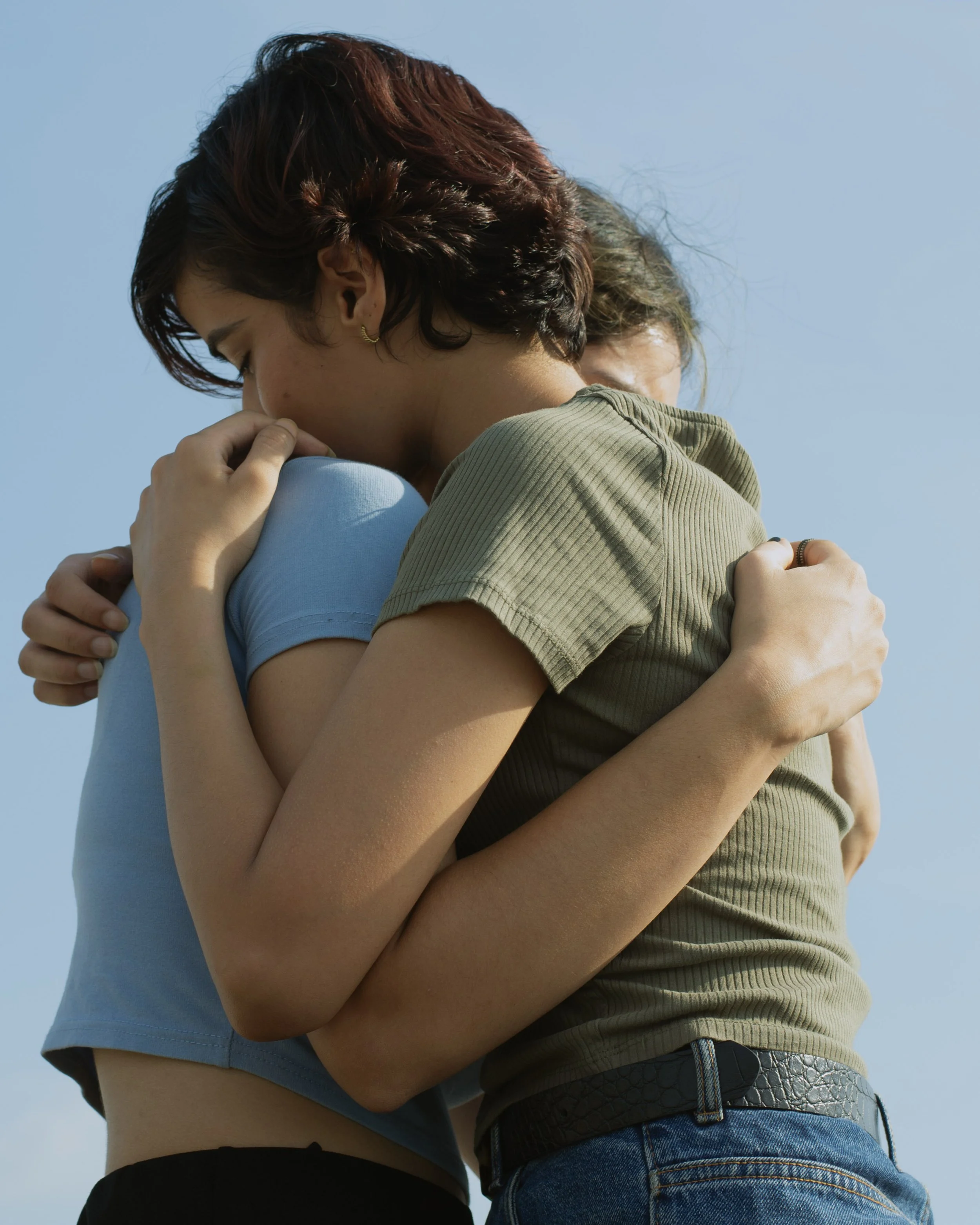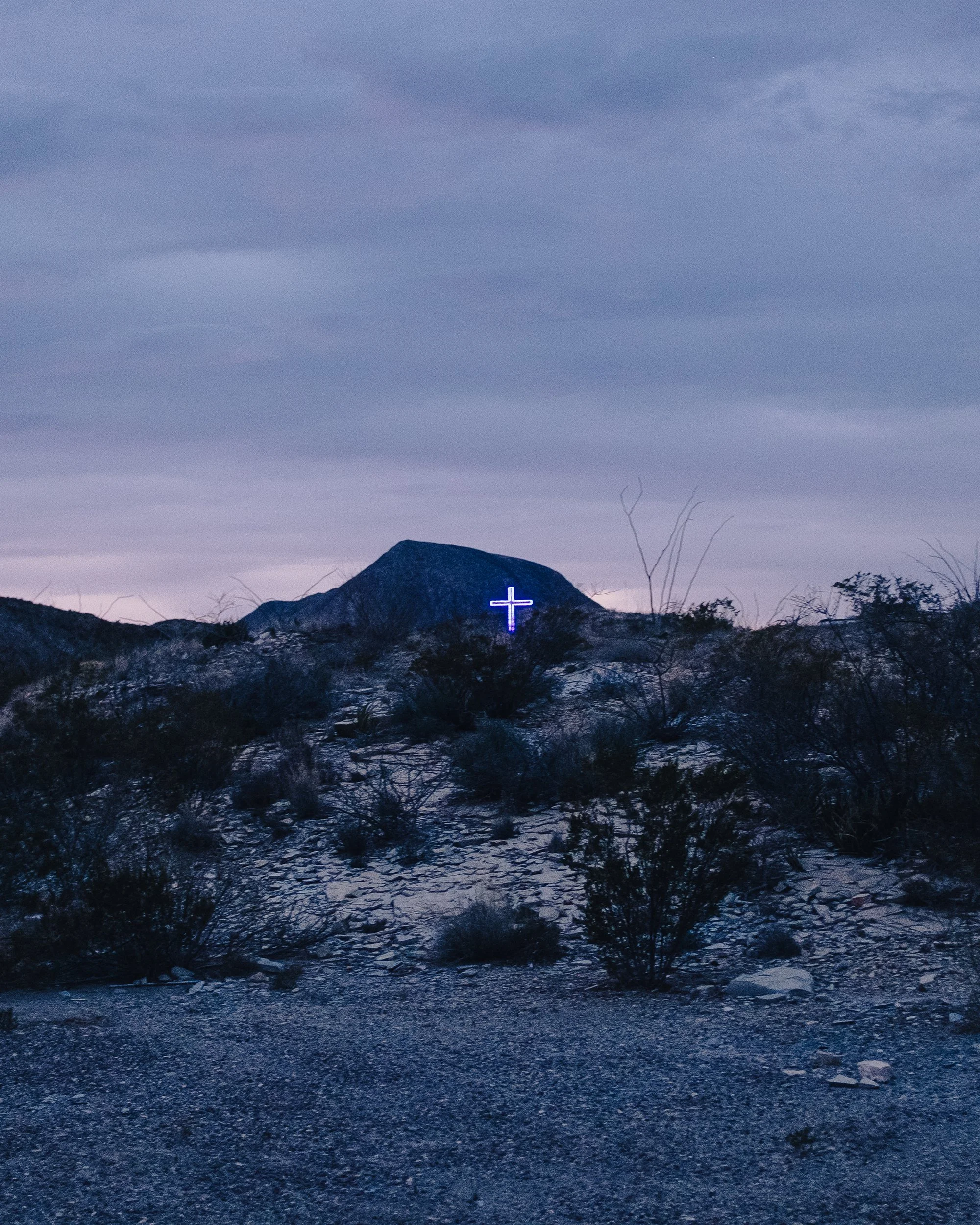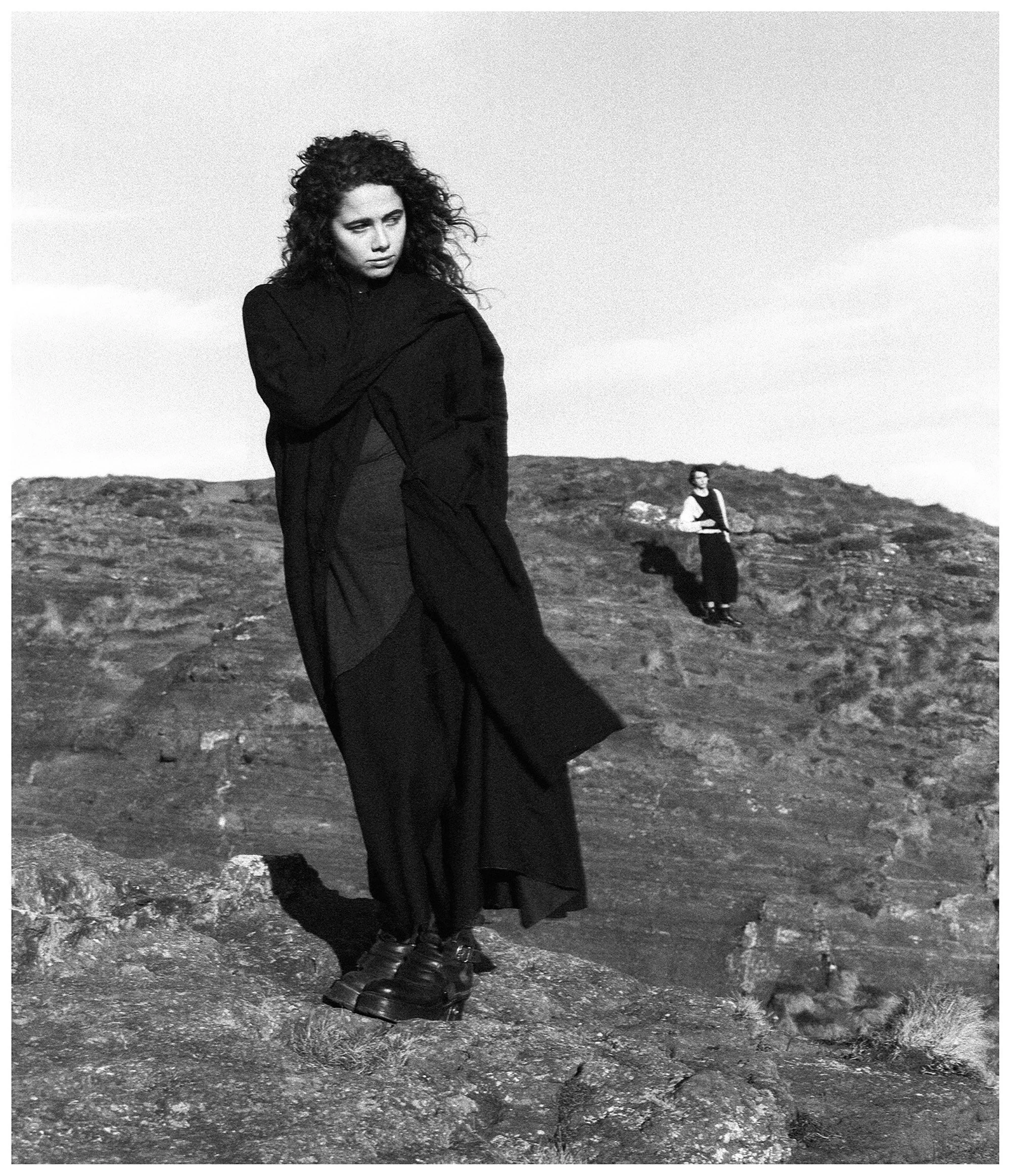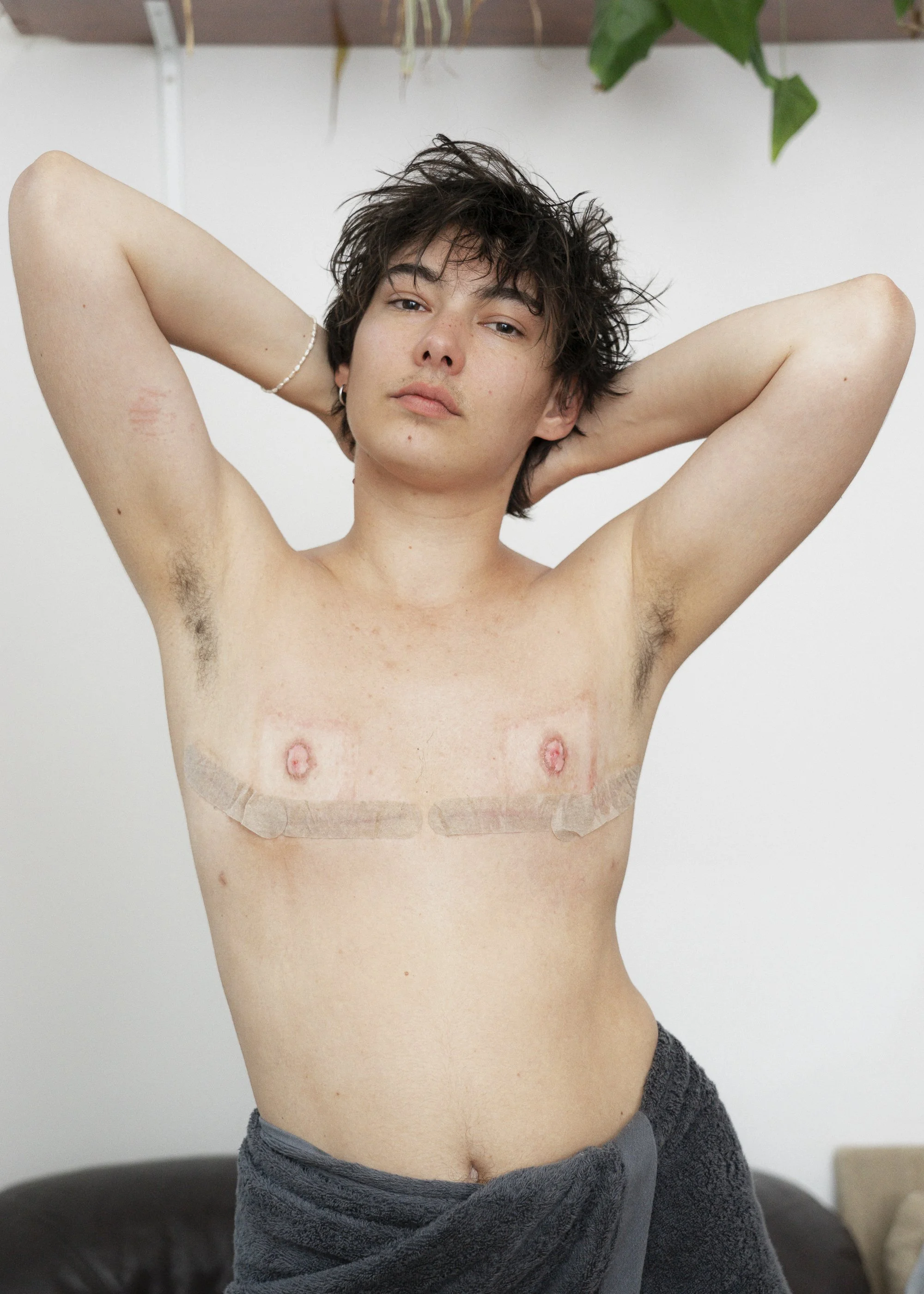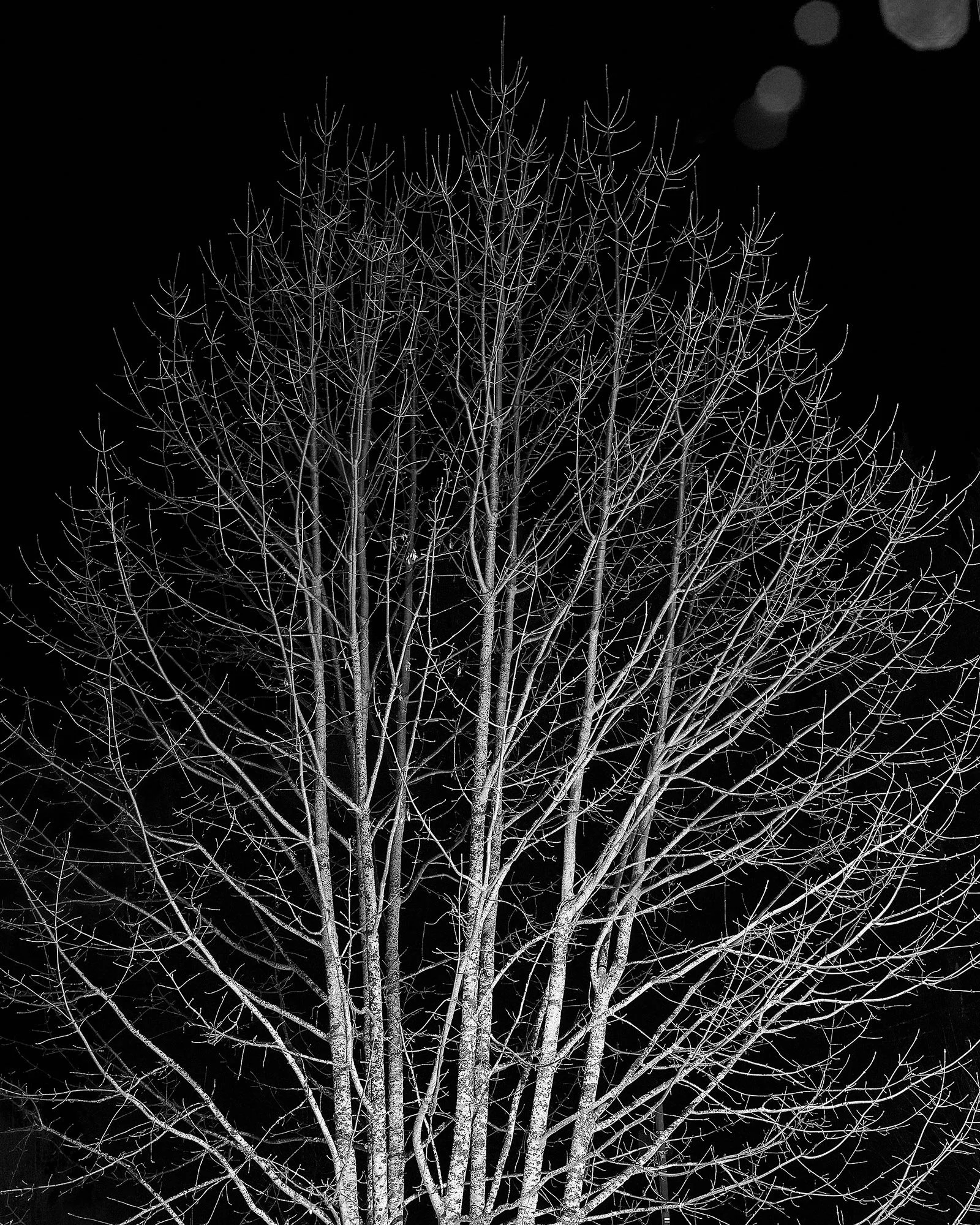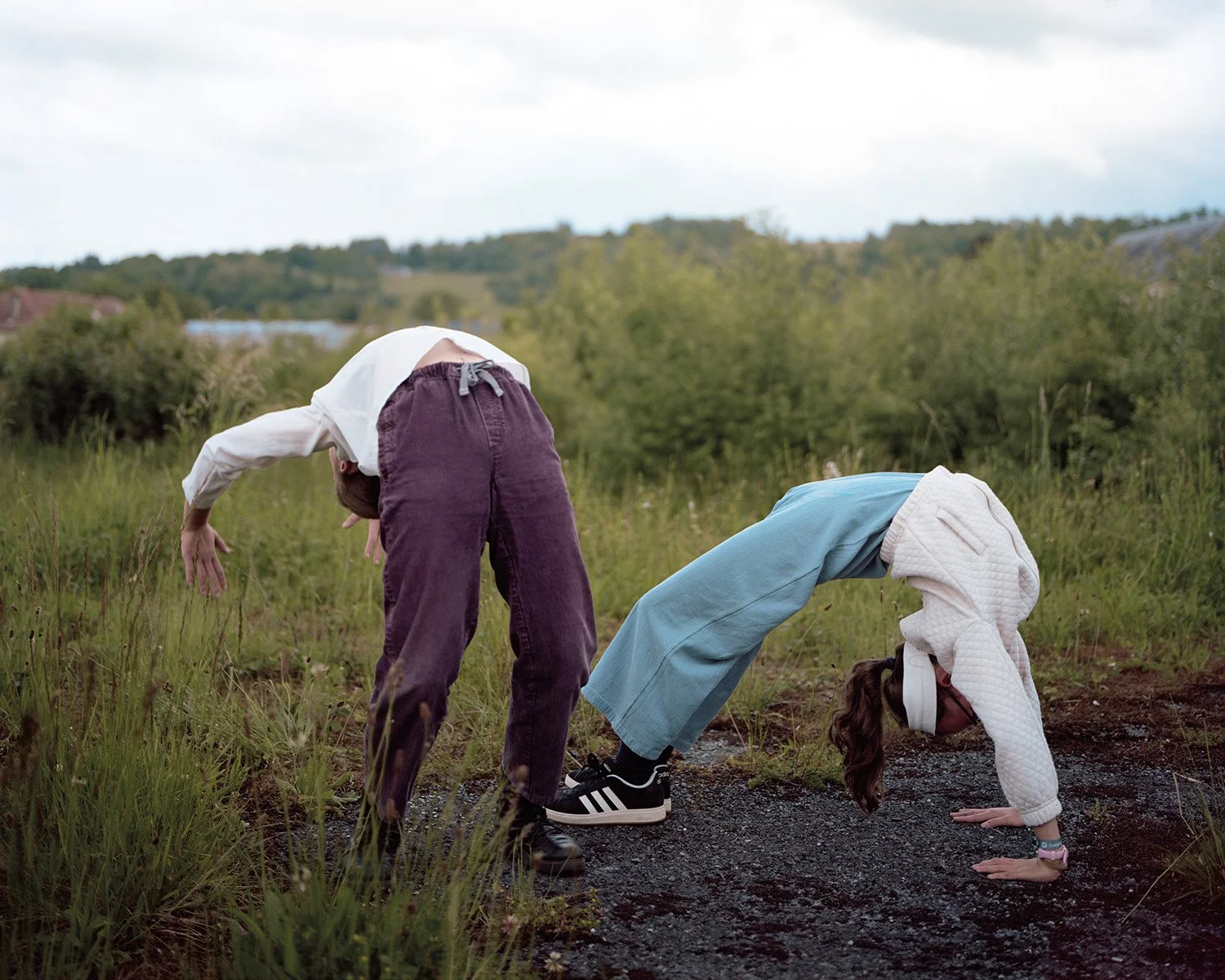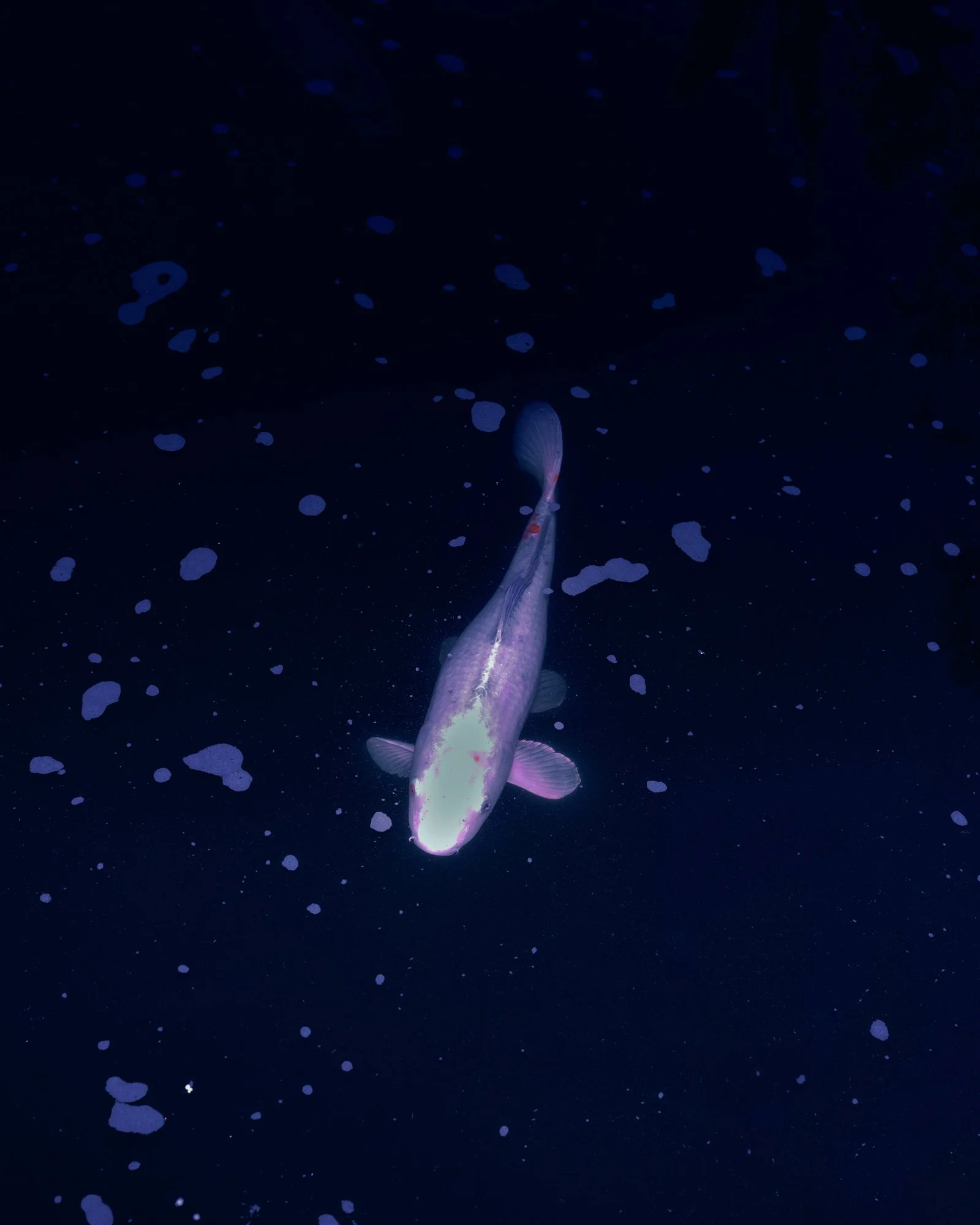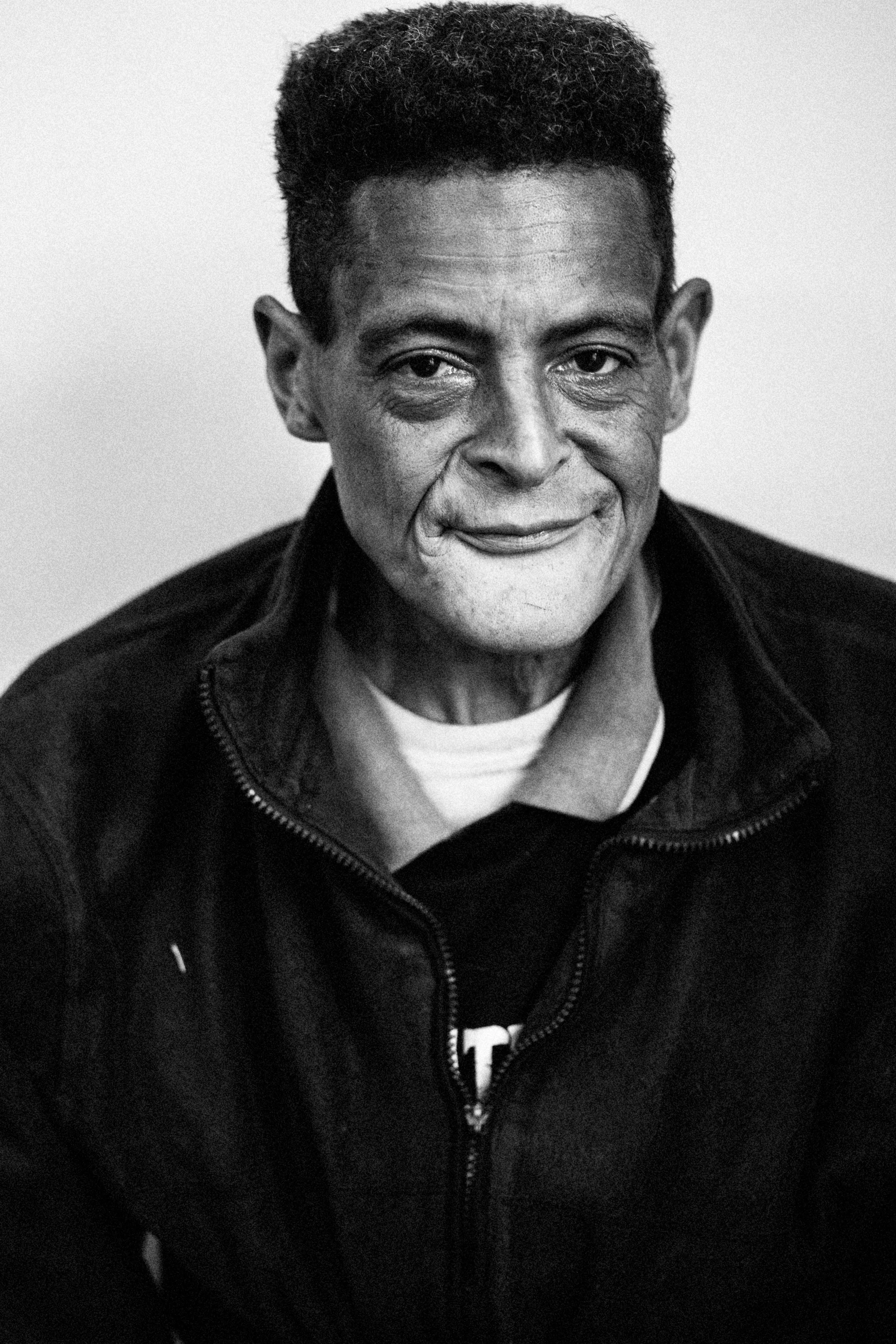
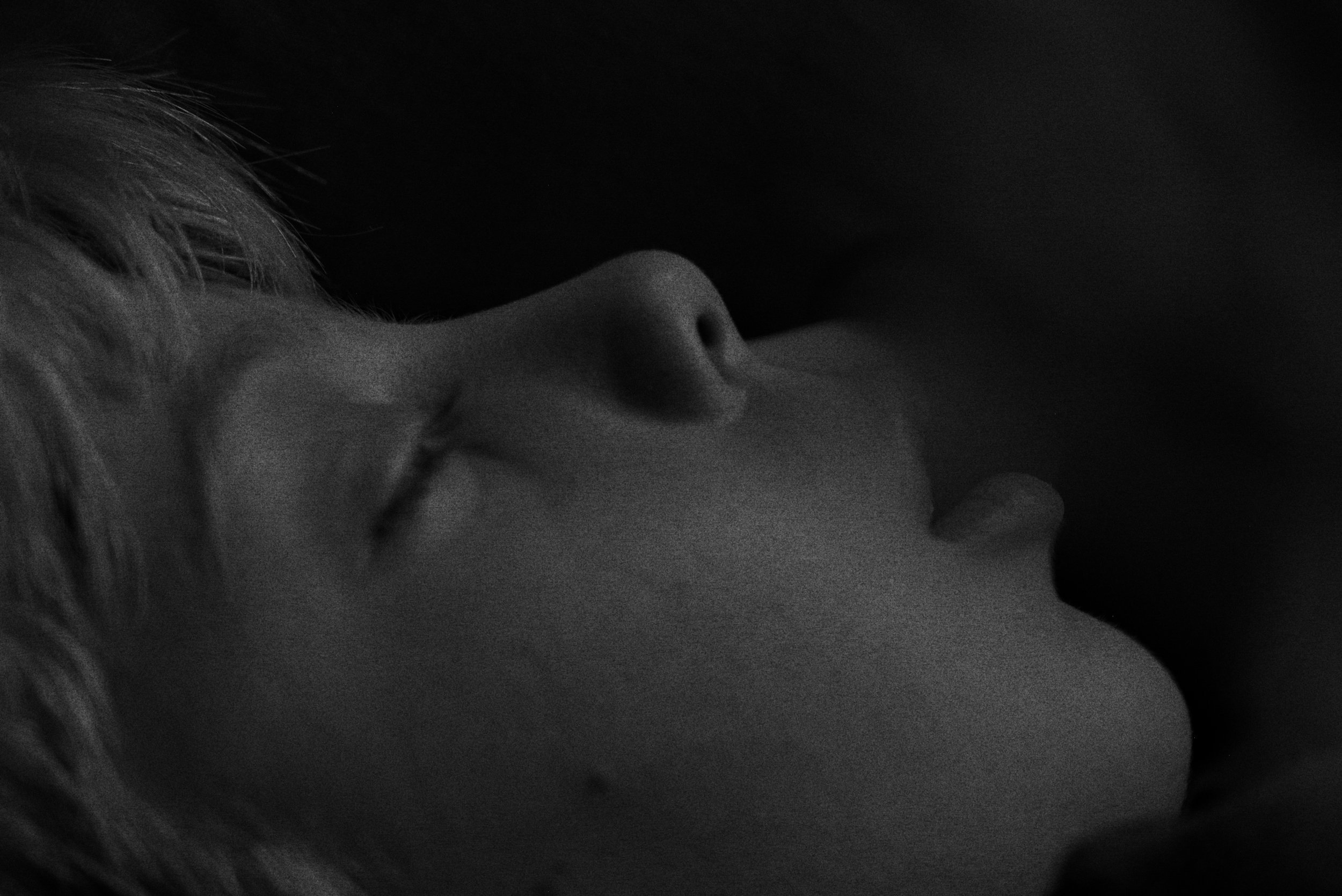
Inspired by Theodore Roethke’s five-part poem, Lost Son is Francesco Topino’s photographic meditation on his distant relationship with his son. Moving through grief, exhaustion, memory and fragile renewal, the series traces an inward journey towards acceptance, suggesting that peace can return even when understanding remains out of reach.
Photography Francesco Topino
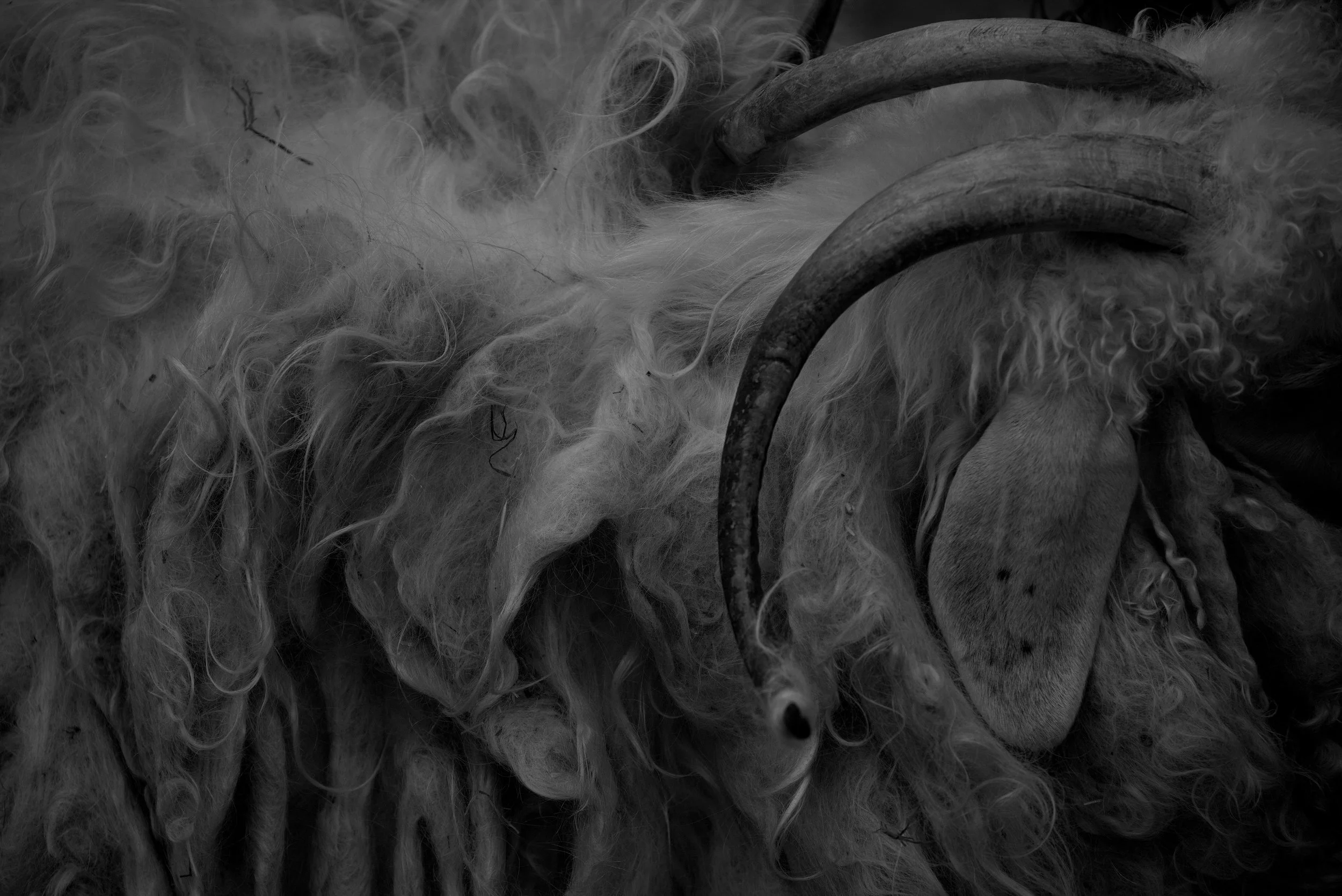
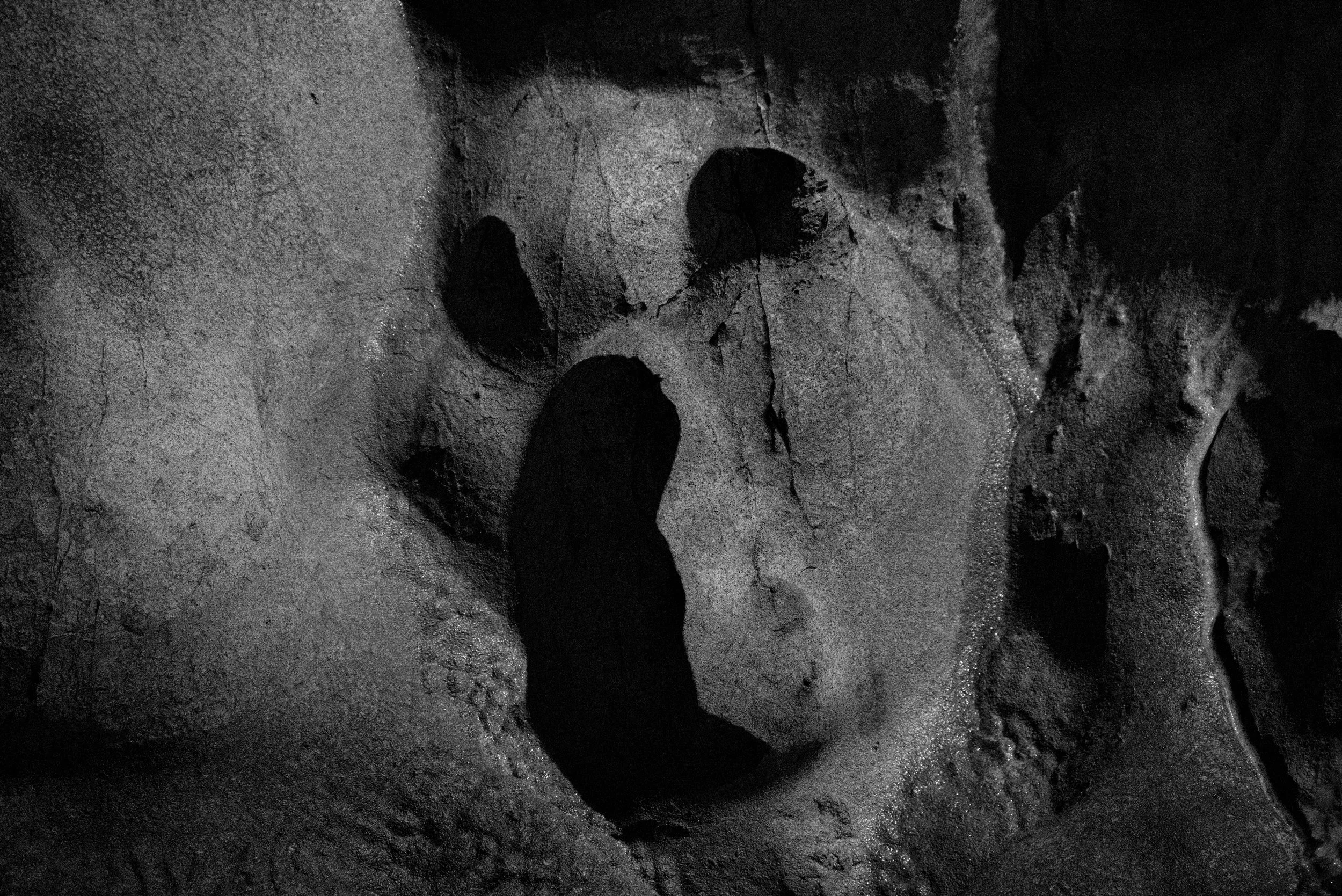
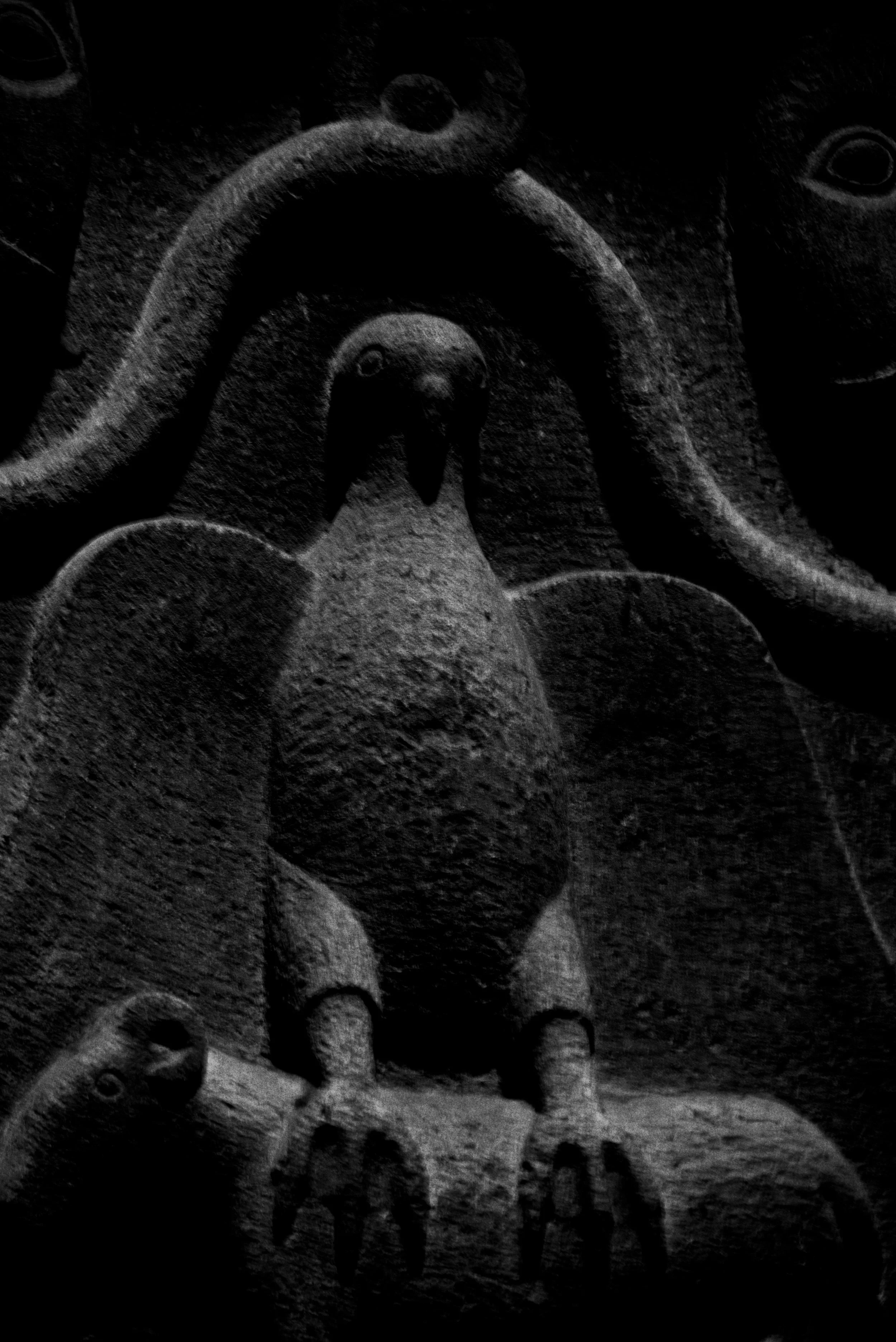
Lost Son is part of a larger body of work entitled Blurred. It is inspired by the 5-part poem Lost Son by Theodore Roethke and based on my own complicated relationship with my distant son.
Lost Son is an exploration of grief and emotional turmoil, structured into five distinct sections. Through this journey, the project articulates a deep struggle with loss, inviting personal contemplation of one's own experiences of grief and renewal.
The series begins by setting a tone of sorrow following the metaphorical death of the son's father, with the former seeking solace in nature to no avail. This part touches upon the complicated relationship between a distant father and son, with geographical distance exacerbating existing issues and making resolution more difficult.
As the son grapples with his grief, the second part of this series highlights the dangers of delving into the unconscious. The son goes through a period of physical and psychic exhaustion, and other obsessions begin to appear in his mind, presenting a stark reminder of mortality.
In the third section, the son's wandering mind struggles to find meaning amid despair. His obsessions begin to take hold. He goes through frenetic activity, then lapses back into almost a crooning serenity.
In the fourth section, the son experiences a glimpse of hope as he recalls childhood memories with his father. Thus, suggesting some kind of restoration of order and clarity after the agitation and exhaustion of the earlier actions.
A sense of acceptance and the cyclical nature of life characterises the last section. It emphasises that while understanding may be out of reach, peace and joy can eventually return.
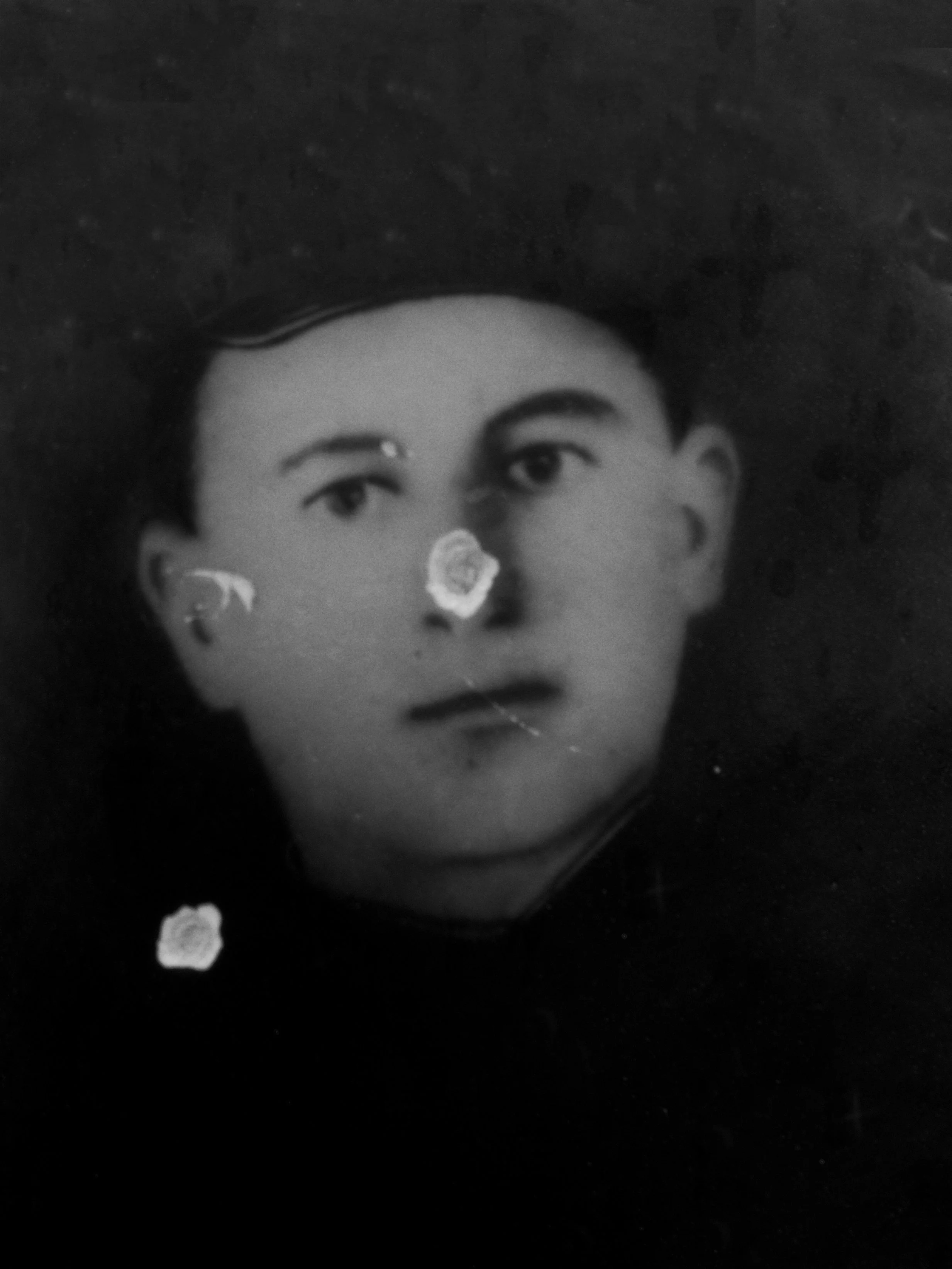
“Photography for me is a never-ending journey, an exploration into my deepest inner feelings, a quest to find my own tangible presence in the world.”
“I am particularly interested in poetic photography focusing both on digital and analogue techniques. I like to use photography as a way to better understand myself, my fears, and my hopes.”
About Francesco
Francesco Topino (b. 1974, Rome) is a self-taught photographer who now divides his time between the United States and Italy. He picked up his first camera at 16, inherited from his mother, an avid photographer herself, and has since moved between street, architecture and contemplative photography.
Drawn to poetic photography in both digital and analogue, he builds bodies of work around identity and the relationship between people and nature, shaped as diary-like narratives. He is also the founder of Lucida Photo Magazine, a platform for contemporary photographers.
To see more of his work, visit his website or follow him on Instagram
READ NEXT
Inspired by Theodore Roethke’s five-part poem, Lost Son is Francesco Topino’s photographic meditation on his distant relationship with his son. Moving through grief, exhaustion, memory and fragile renewal, the series traces an inward journey towards acceptance, suggesting that peace can return even when understanding remains out of reach.
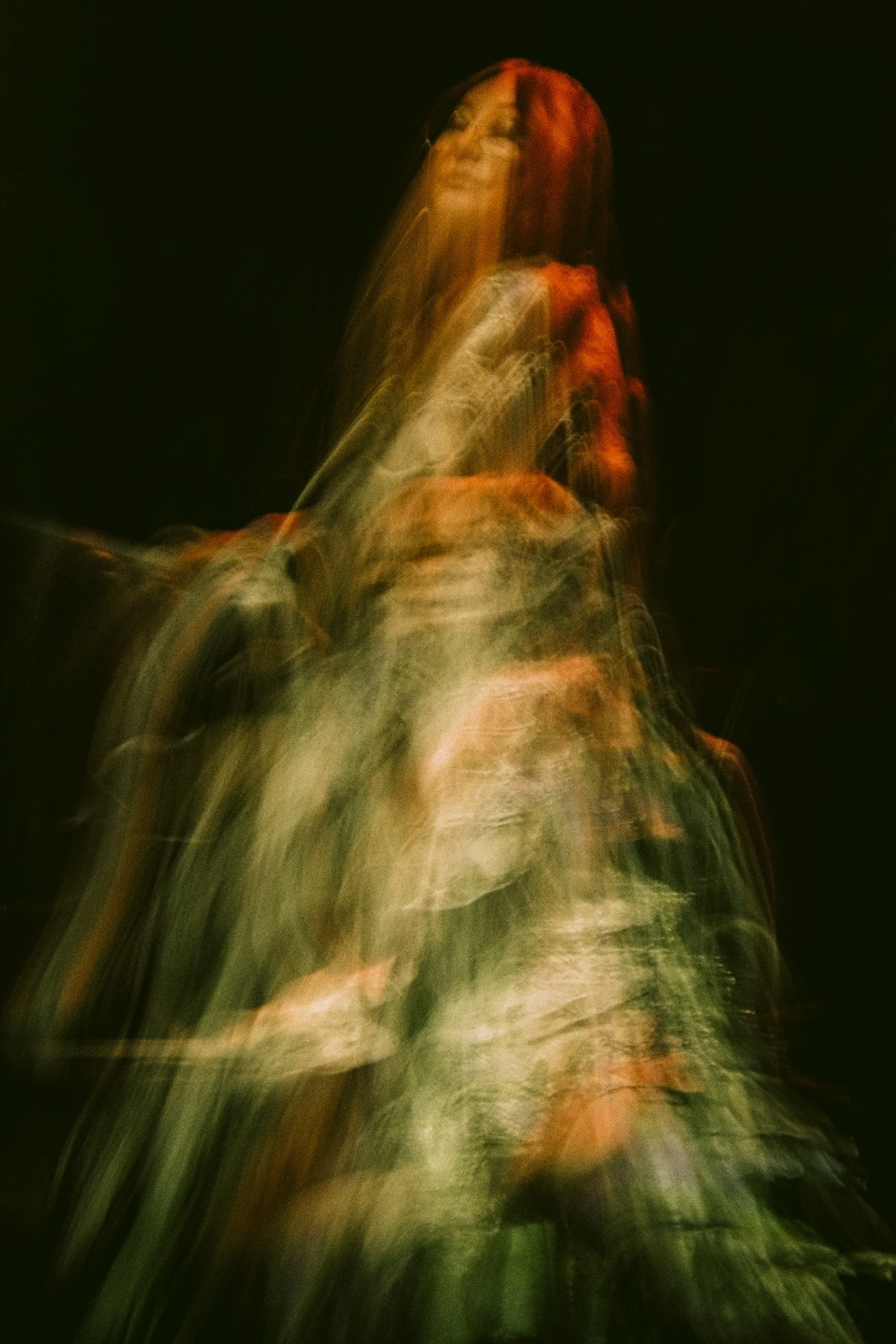
Bodies of Light is a photographic series by Kalliope Amorphous, created during Tori Amos’s In Times of Dragons tour. Through experimental techniques of light, movement and long exposure, the work explores artistic inspiration, transformation and the unseen forces that inhabit music and performance, moving beyond portraiture towards an intuitive expression of presence and mystery.
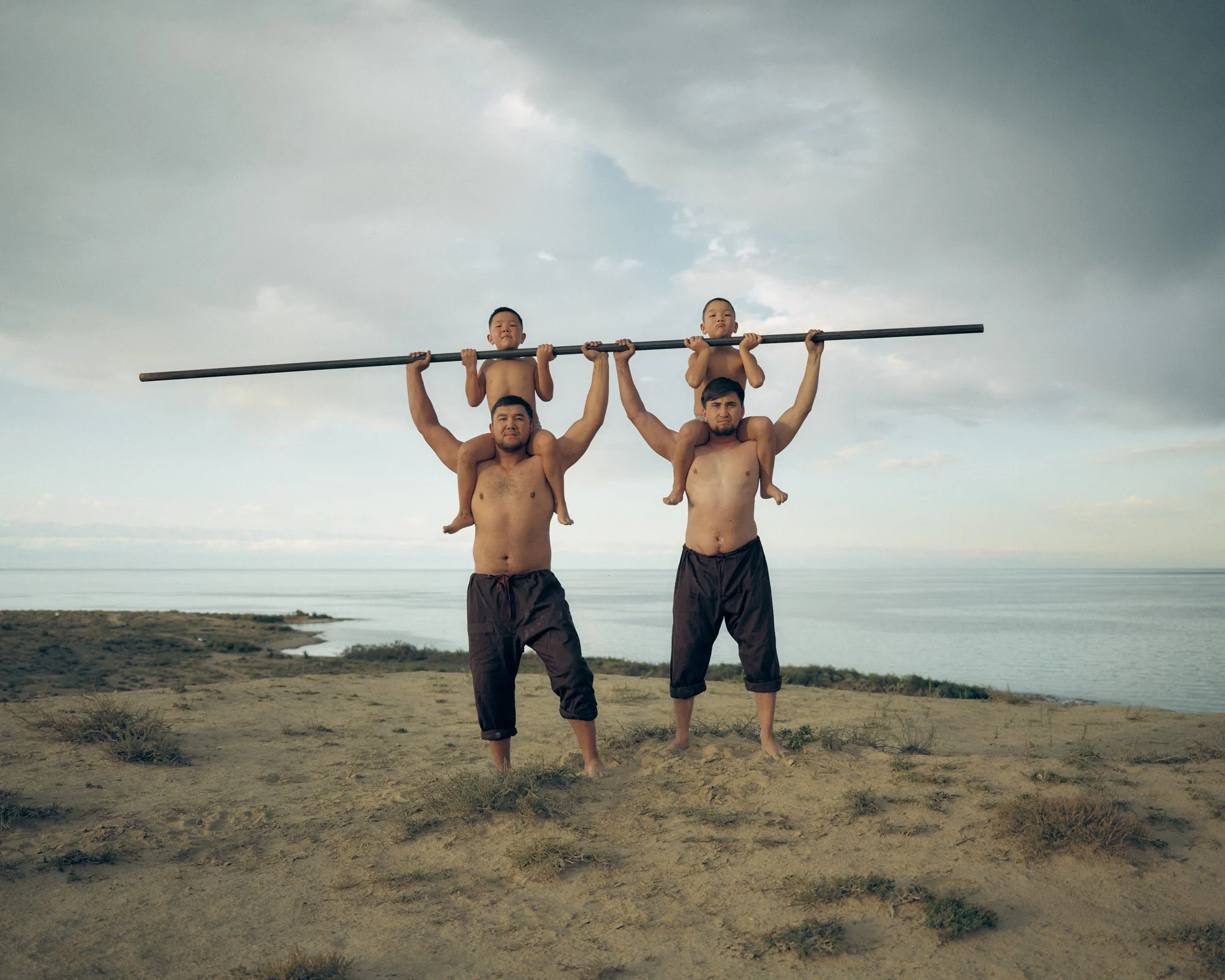
White Noise Country is a photographic series by Louise Amelie exploring identity, belonging and movement through the landscapes of Kyrgyzstan. Blending documentary, portraiture and constructed imagery, the work examines nomadism as a contemporary condition, shaped by cultural exchange, shifting identities and the search for a sense of home.
When her brother was struck by a taxi while cycling, Ina Königs’ life quietly reorganised around his care. Still Here, and Gone explores what followed: relief tangled with loss. Drawing on Pauline Boss’s notion of ambiguous loss, her observed and staged images give form to feelings everyday life rarely makes room for.
In Transparent, British-Spanish photographer William Josephs Radford returns to his childhood family album and removes his father. Printed as lenticular photographs, each image shifts between presence and absence as the viewer moves. The series meditates on reconstructive memory: how we rebuild the past from fragments, inherited stories and the photographs we trust.
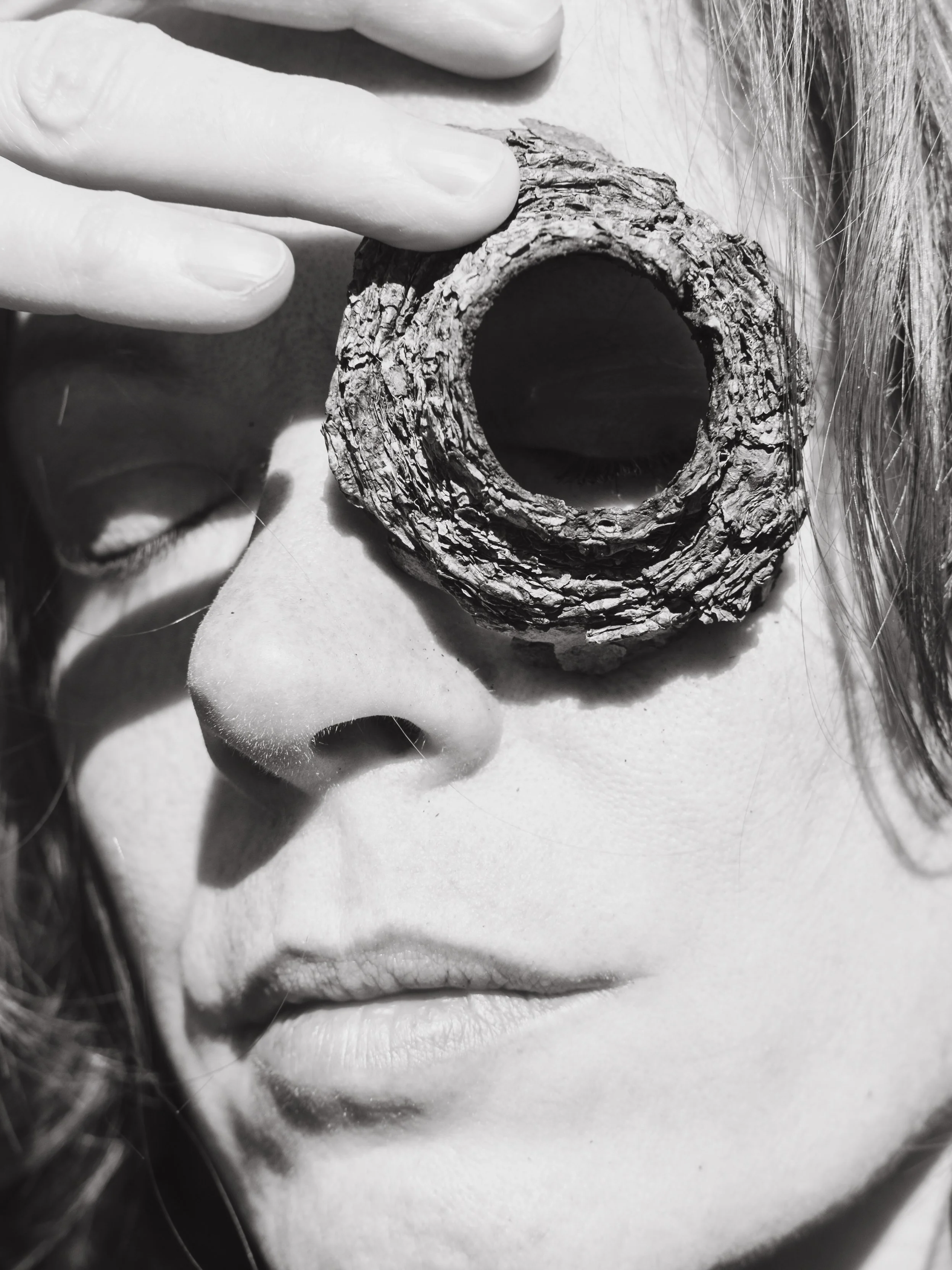
After years of pushing his work towards constant reinvention, Jorg Karg found himself drawn back to something simpler: the quiet power of classic black-and-white photography. Born from a desire to enjoy the process rather than meet expectations, Clarity is an evolving body of work where experimentation, memory and intuition meet – a series without a fixed ending, shaped by the freedom to return whenever inspiration calls.
Halloween beauty inspired by the poetry of my personal favourite Edgar Allan Poe and newly discovered Sayat Nova, where heartache becomes art and nature and fruit have symbolic meaning. We explore themes of melancholy, disgust, decay, entrapment, and emotional fragility from poetry, film, and folklore.
In National Character, photographer John Sanderson travels across the American landscape in search of a country increasingly hidden in plain sight. Working with a 4×5 film camera, he takes the long way around – leaving major highways for small roads and carrying a demanding piece of photographic history into places shaped by industry, decline and change. His commitment to the journey is reflected in the photographs: patient, precise and quietly melancholic, they find a strange beauty in the overlooked corners of America.
Over a year, Leicester-based artist and educator Clair Robins turned her camera toward her teenage daughter. 52 Weeks – Stolen and Preserved traces a quiet negotiation between mother and child: some moments offered, others withheld. Moving between spontaneous portraiture, still life and tactile process, it is a tender record of becoming, and of letting go.
New Delhi-based visual artist Noor Kaur Randhawa explores the experience of growing up as a young woman in a world shaped by the threat of male violence and control. Photographing herself and her friends, she captures the ways they navigate fear, resistance, intimacy and freedom — from learning to call out the men around them to reclaiming their bodies, clothes and spaces. A portrait of coming of age, on their own terms.
In My Mother Speaks of Land as Memory, Ariana Gomez explores grief, identity and the landscapes that shape us. Born from the loss of her father, the project moves between the arid terrain of Texas and her mother’s Puerto Rican heritage, constructing a shared mythology from fragments of memory and archive – and bringing three generations together in a space between what was, what remains, and what might have been.
Marcus DeSieno photographs the exact sites along the US–Mexico border where migrants have disappeared, died or their bodies were recovered, reconstructing these locations through autopsy reports and humanitarian records. The project began after DeSieno encountered a dying migrant in an Arizona gas station. Made in the Sonoran Desert using laborious darkroom processes, his landscapes become haunting records of absence, death and remembrance.
Shot along the wild coastline of Scotland – ‘Between the light’ is a visual study on the space between bond and bounded. The series explores the strain of being tethered and what ties two people together. The points of tension and ease. A world between light and dark, where we are torn by those closest to us.
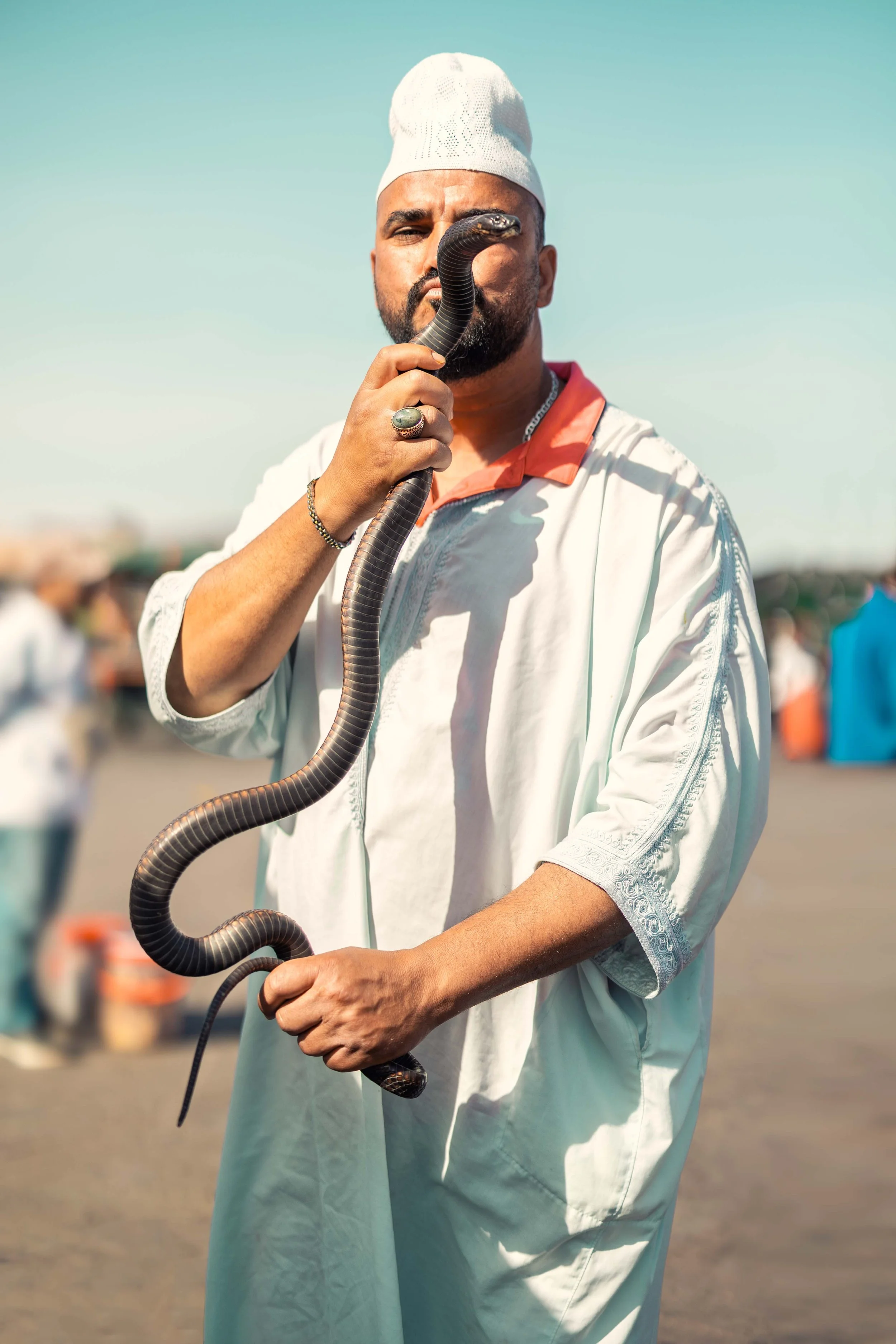
Photographer Emily Chalk spent two weeks in Marrakesh photographing the Sadik family, one of only five families still practising the 500-year-old tradition of snake charming in Jemaa el-Fna. What begins with fear and assumptions about the practice develops into an intimate encounter with trust, inheritance and disappearing traditions – revealing the lives, rituals and relationships that exist beyond the spectacle.
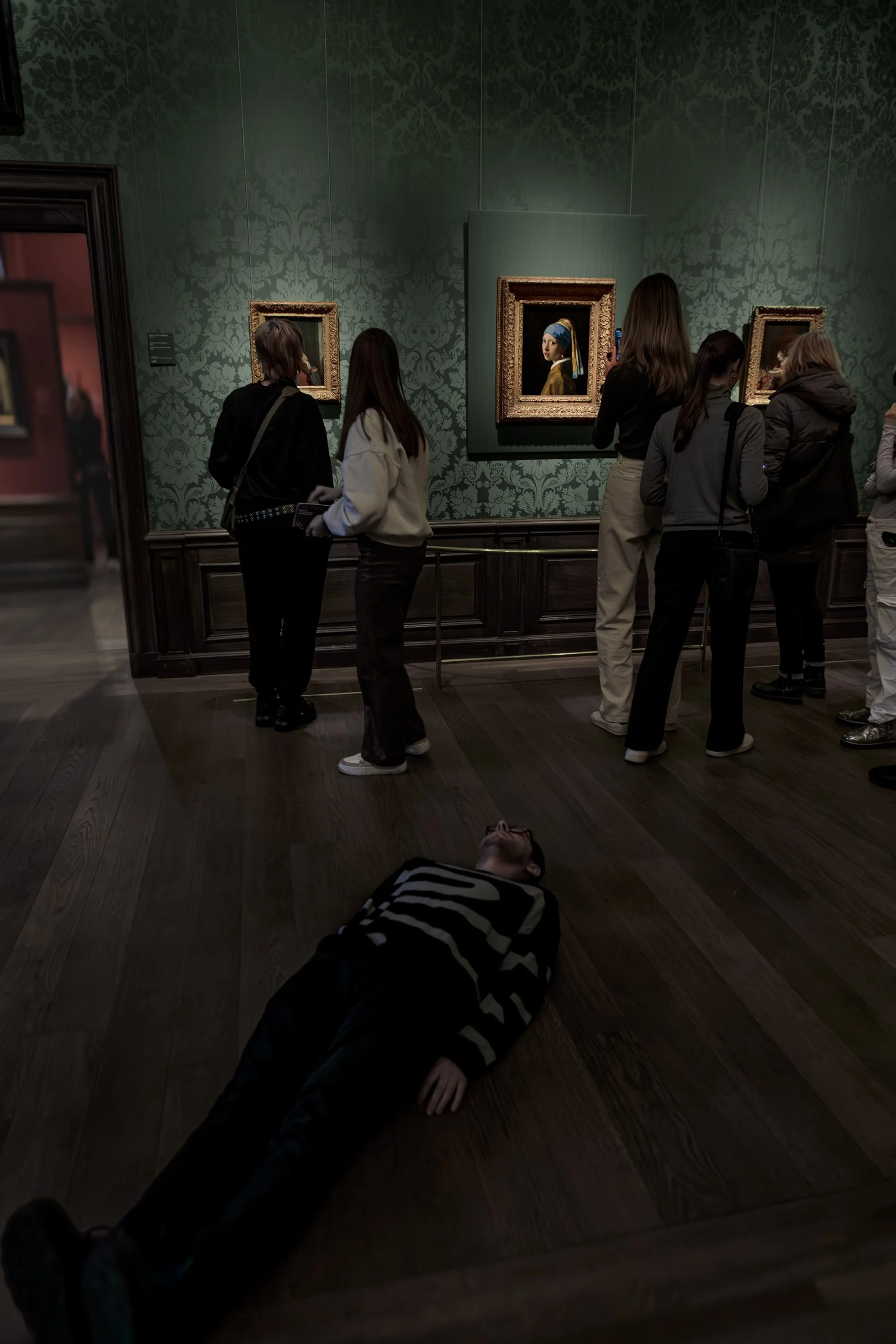
In Movement, Ukrainian photographer Roman Butym reflects on the relentless pace of contemporary life. His ongoing series portrays people lying in public spaces, appearing almost like exhausted objects suspended between movement and stillness. Against a world of constant mobility and information overload, Butym’s images explore anxiety, isolation and the quiet vulnerability hidden beneath the illusion of always being ‘in the flow’.
Photographer Eleonora Laufer explores the quiet spaces where presence lingers beneath the surface of everyday life. Shaped by her background in dance, yoga and meditation, her images embrace stillness as a way of seeing rather than an absence of activity. Through minimal compositions and subtle traces of the human, Laufer invites us to slow down and discover moments of connection, attention and reflection that often go unnoticed.
Inyeon is a Korean word for the connections between people that feel deeper than coincidence. In this series, the relationship between father and son unfolds slowly and intuitively, without a fixed narrative, focused not on specific moments but on presence itself.
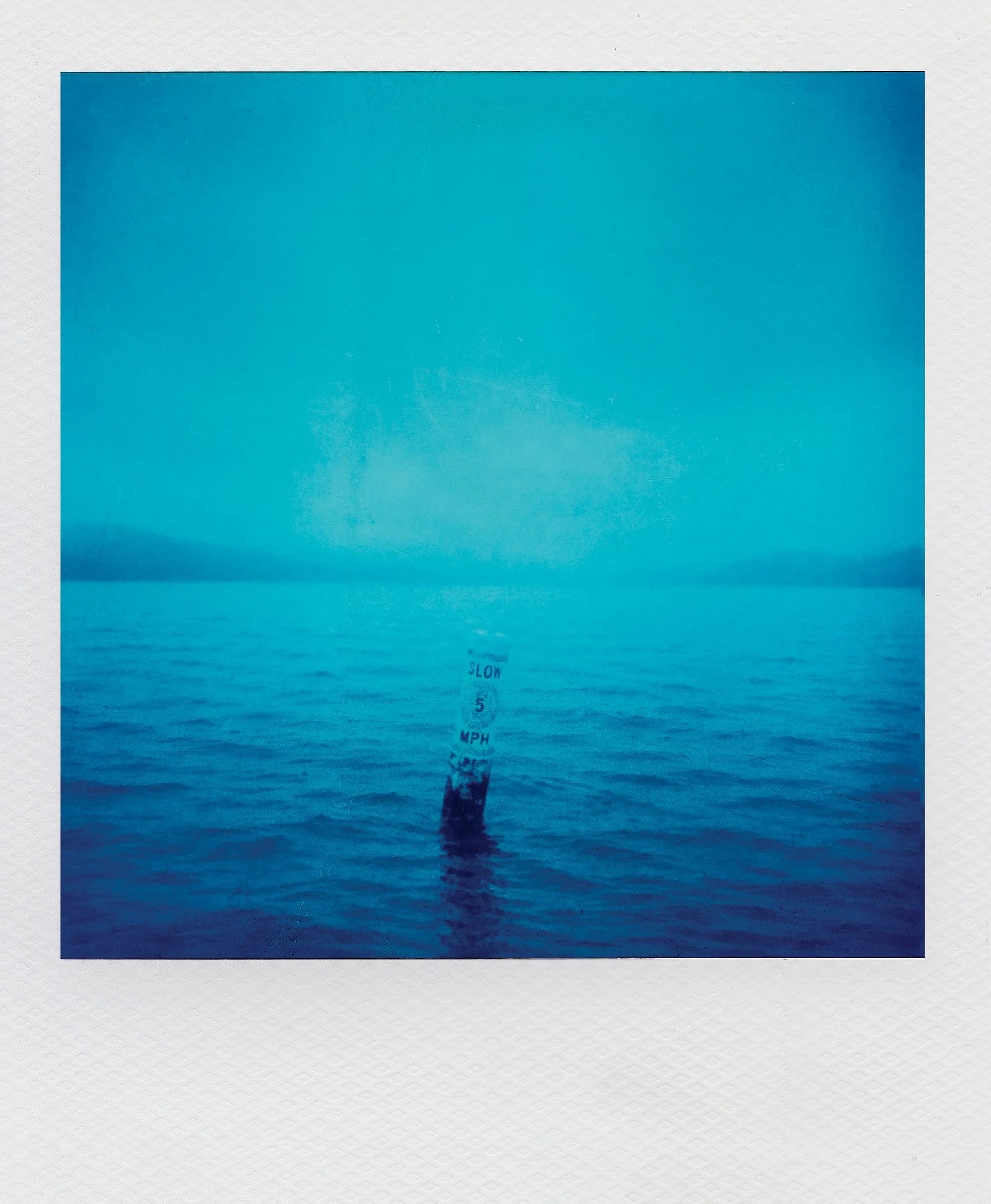
In Where the Water Waits, photographer Michael Behlen explores California's Millerton Lake as a landscape suspended between control and uncertainty. Created over three years using rare monochromatic Polaroid Reclaimed Blue film, the project captures the reservoir during storms, transforming a heavily engineered water system into an atmospheric meditation on impermanence, memory, and the ever-changing relationship between land and water.
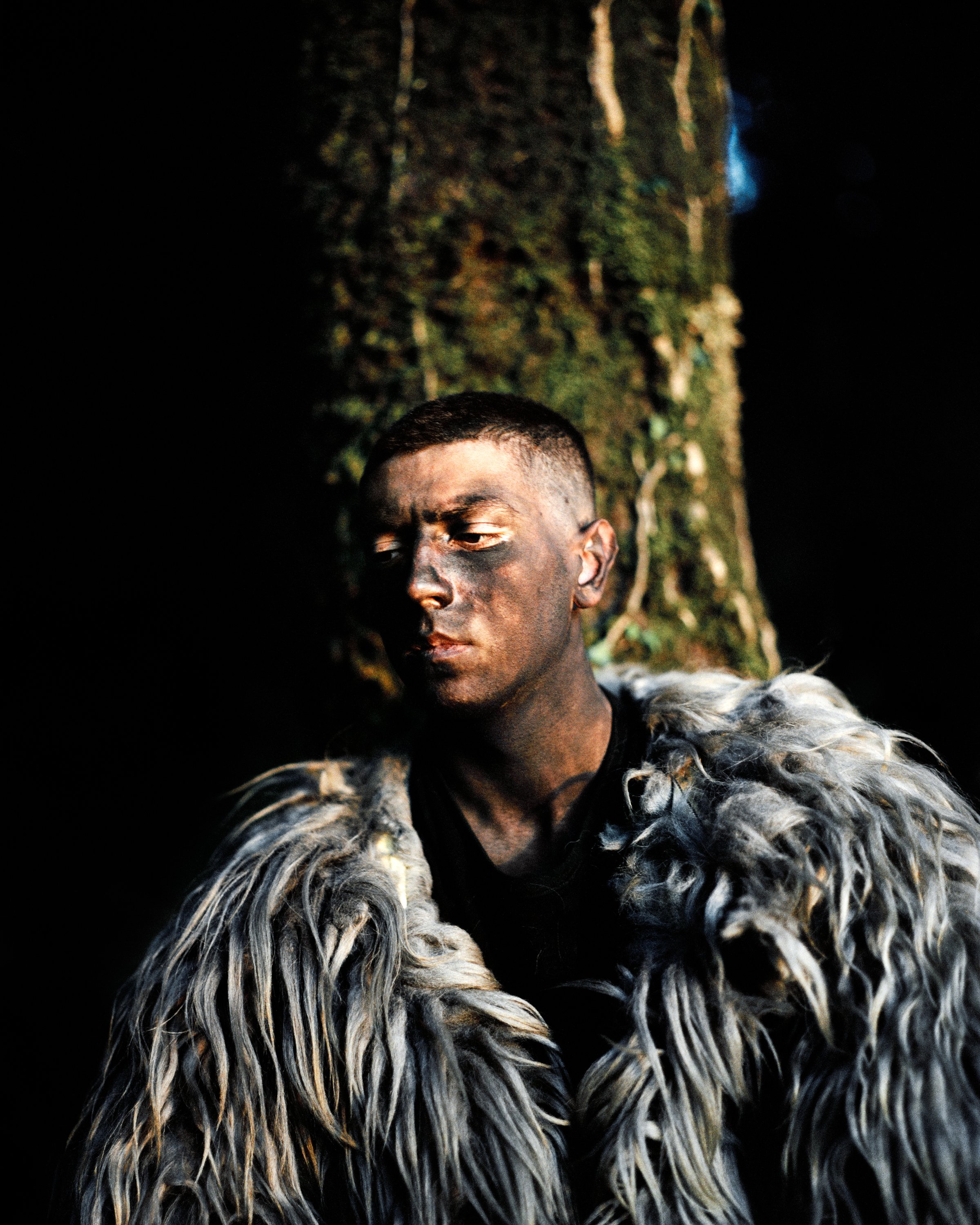
In Contrapasso, Italian photographer Massimiliano Corteselli examines the mythological and archetypal dimensions of man-made wildfires in the Mediterranean. Drawing on Dante Alighieri's concept of divine retribution, the project weaves together photography, folklore, and symbolism to reflect on greed, vengeance, and humanity's relationship with the land, creating a visual narrative that shifts between documentary, myth, and social critique.
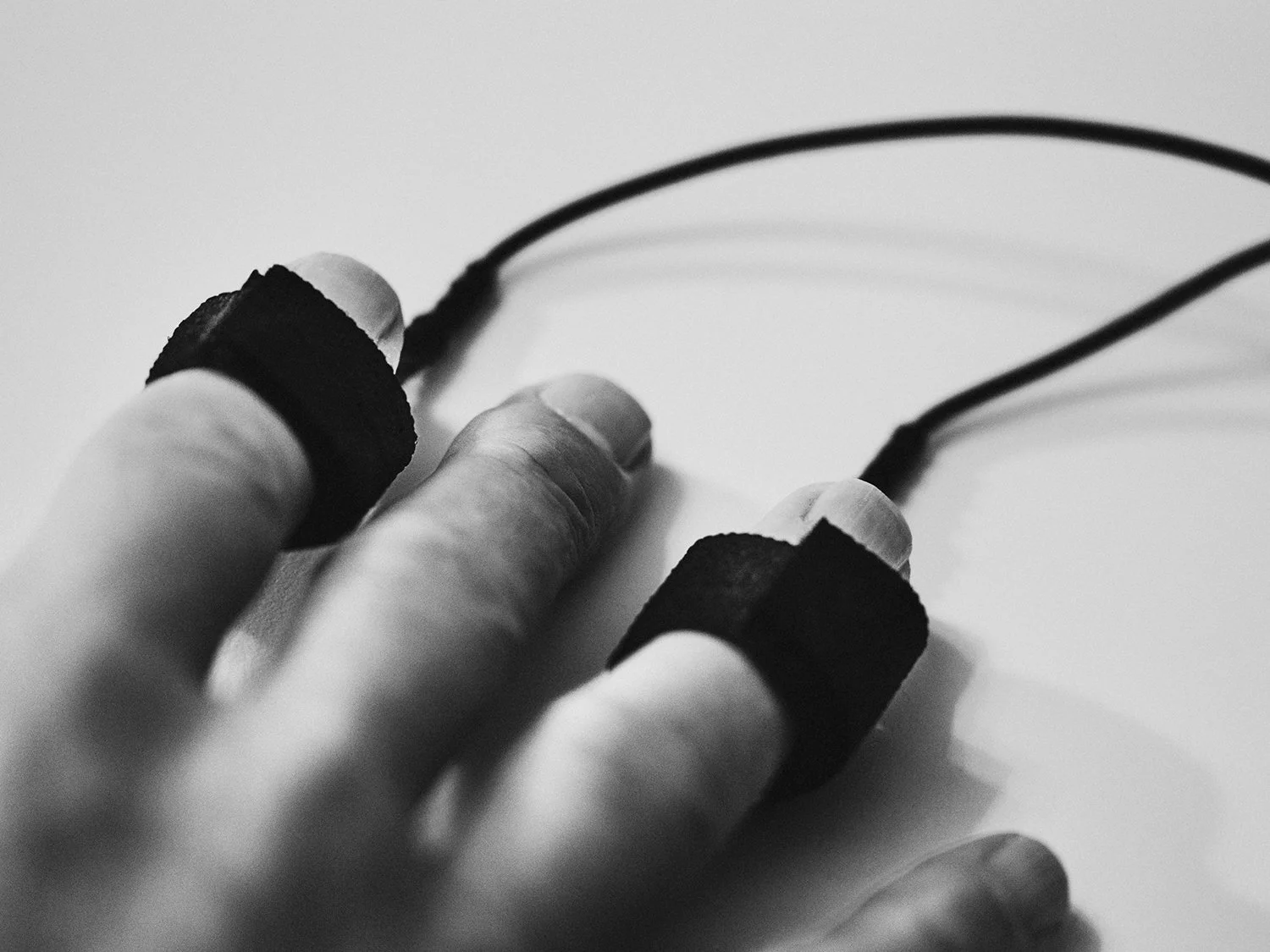
Why would someone confess to a crime they never committed? In this powerful photobook, Robin Dahlberg collaborates with six exonerees to uncover the hidden realities of coercive police interrogations. Through striking portraits and firsthand testimonies, the book exposes the psychological pressures that led innocent people to confess, revealing a justice system where truth can be dangerously fragile.
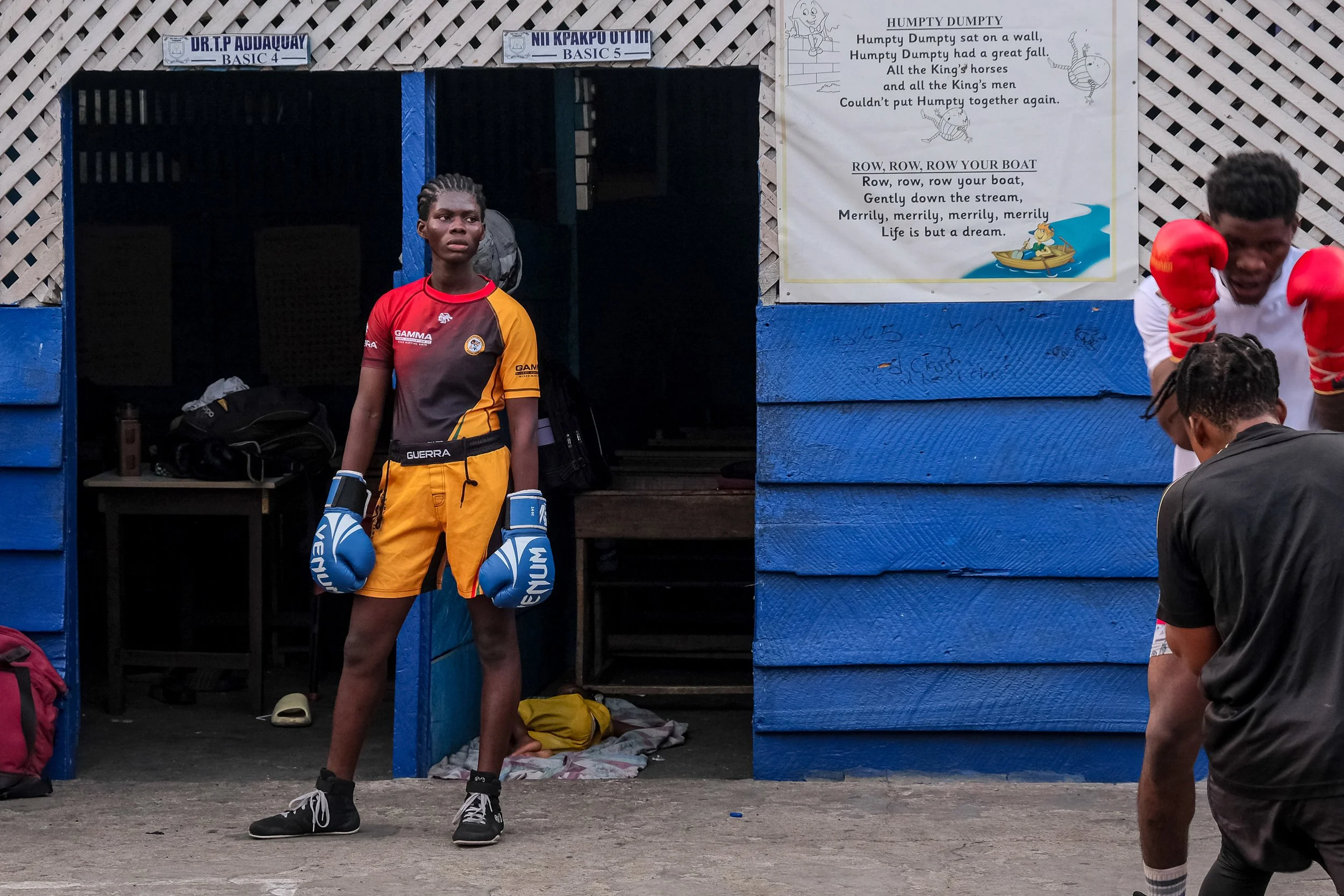
In Jamestown's storied boxing gyms, women like Yarkor Chavez and Naa Amerley Turkson opened a path now walked by Abigail Quartey and Janet Acquah — fighting not just opponents, but poverty, stigma and indifference. Olaoluwa Olowu's Women Who Fight traces three generations of Ghana's female boxers, supported by the Pulitzer Center.
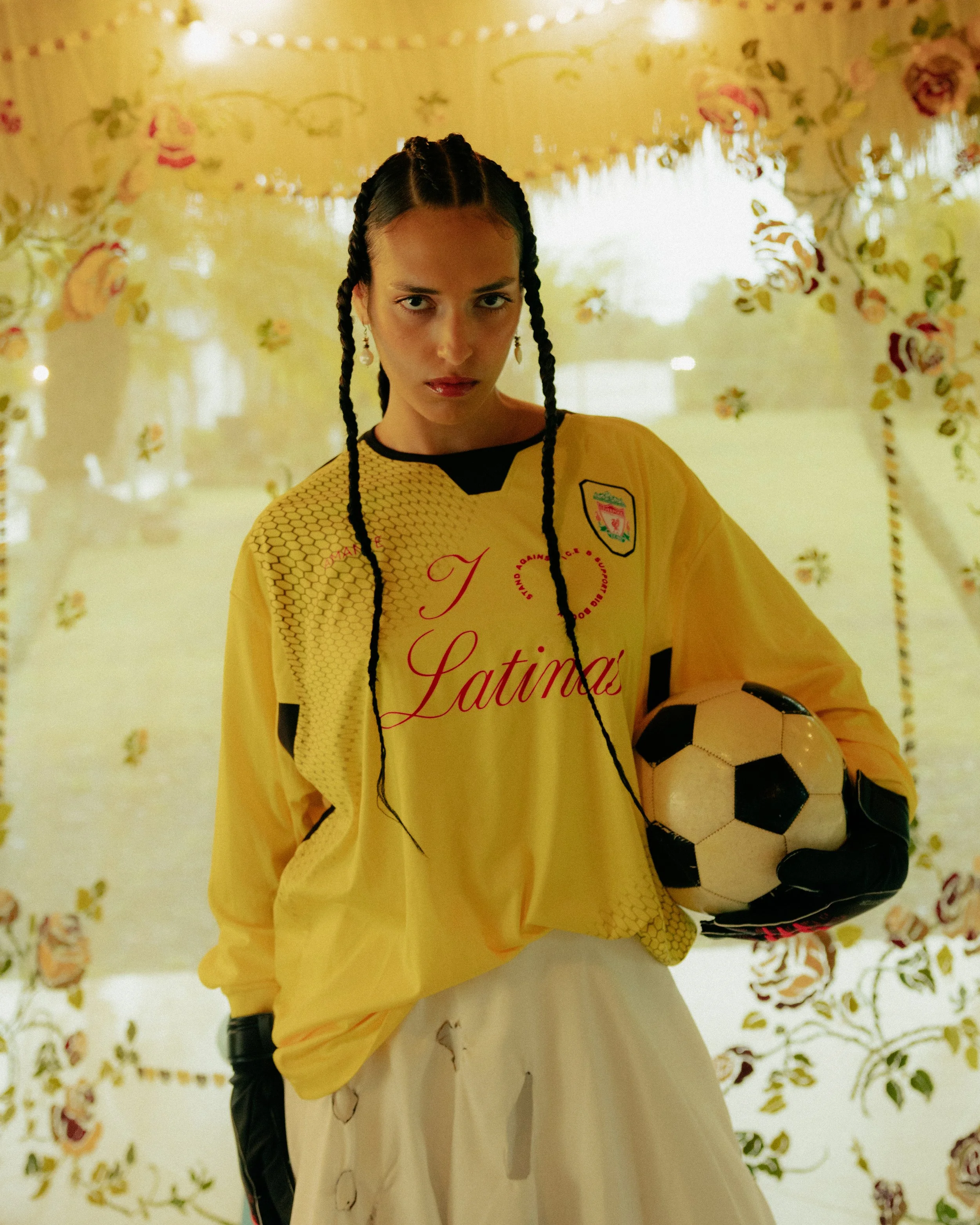
Para La Cultura y Fútbol (For the Culture and Football) explores identity as something lived, fluid, and continually evolving. Through collaboration, colour, and personal expression, New York–based photographer Ivana Cajina creates powerful images that celebrate community, individuality, and cultural heritage, honouring the beauty of identity in motion through shared experience and self-expression.
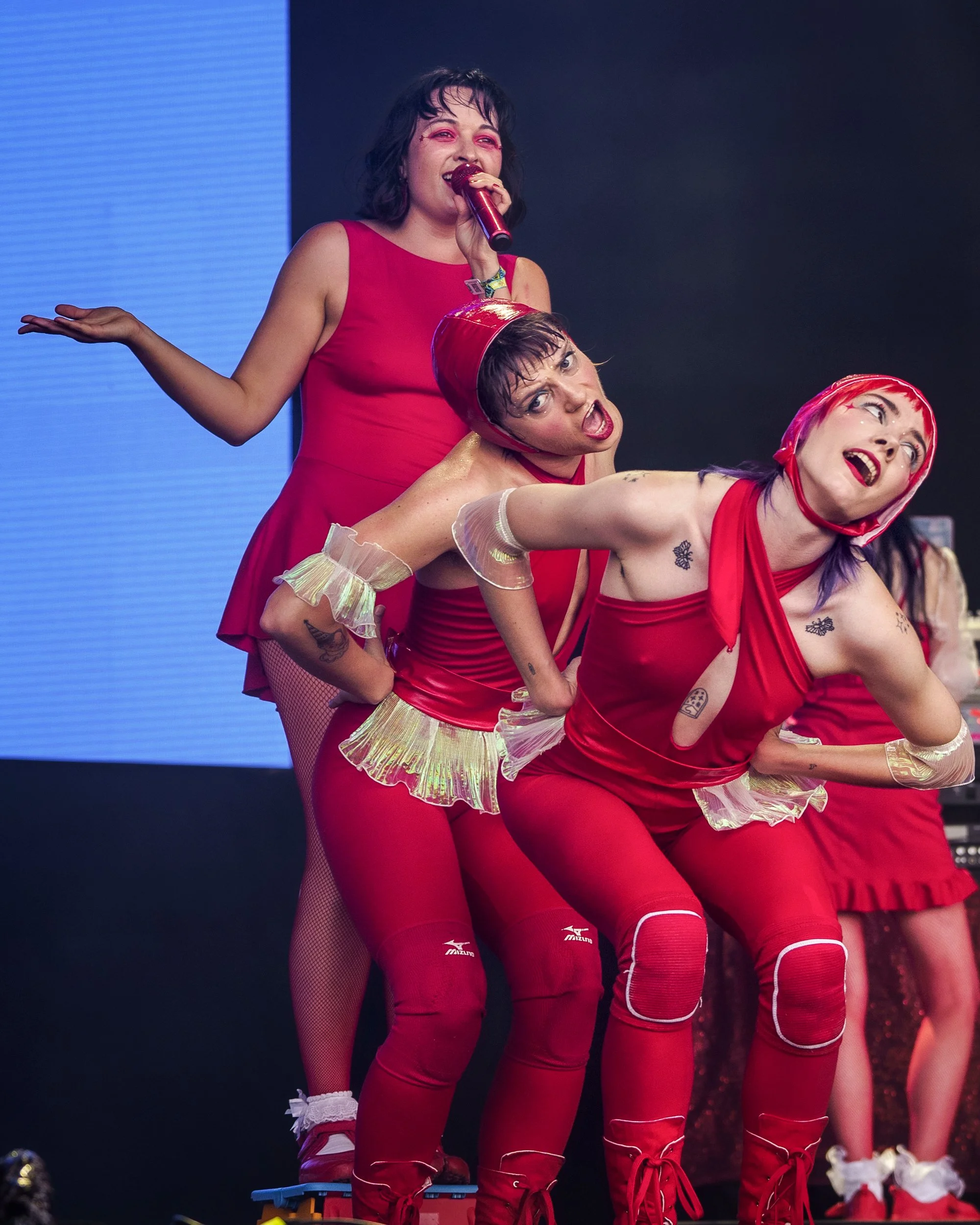
We spoke to the rising, primary coloured star that is Gelli Haha at Primavera Sound 2026. Angel Abaya, known professionally as Gelli Haha, has been featured in Pitchfork, NME and Billboard following her latest album. We spoke to her about her relationship to silliness, vaudeville, and Liza Minnelli.
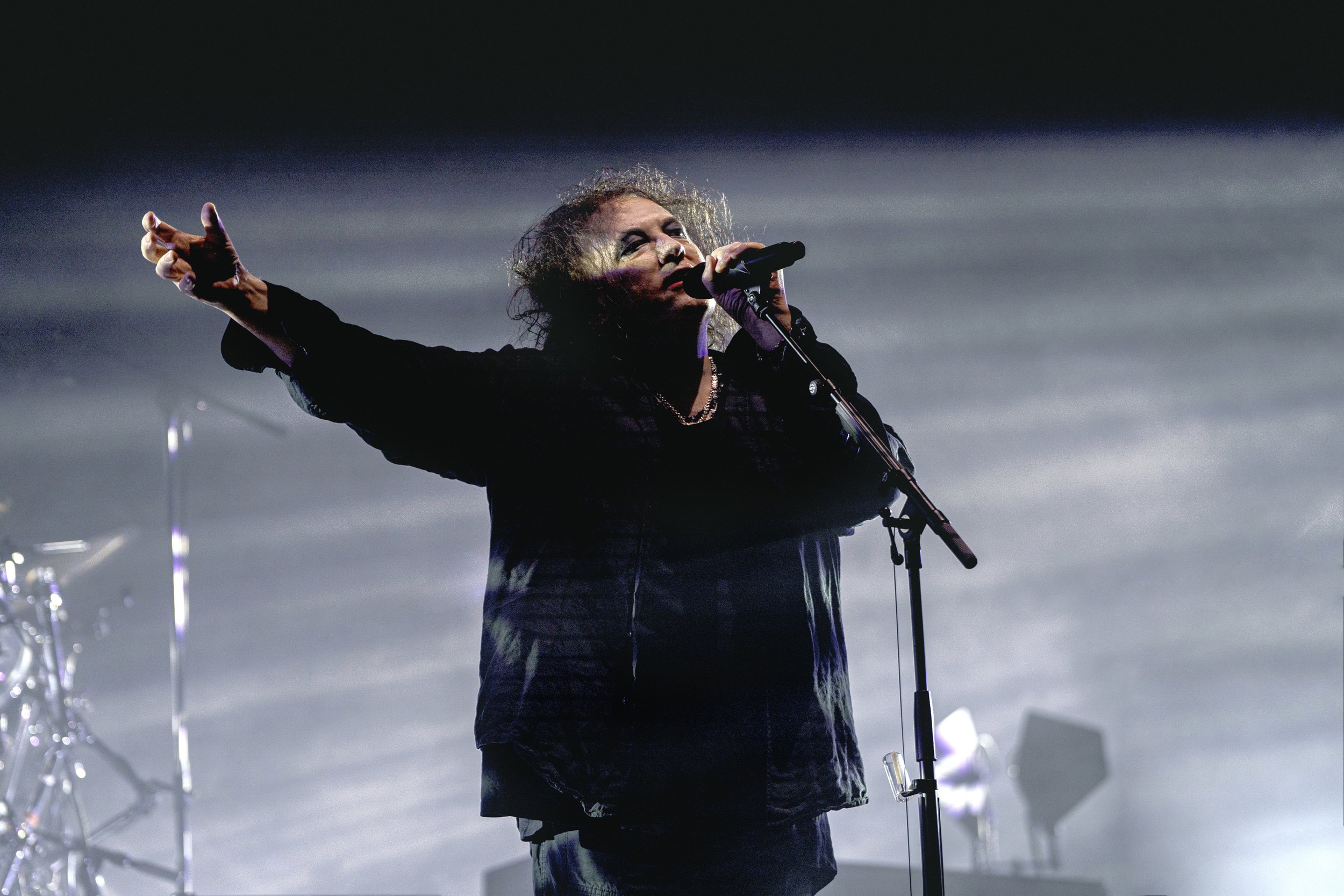
Primavera Sound 2026 was a love letter to glamour and grunge, with unforgettable performances by the likes of The Cure, Olivia Rodrigo, Ethel Cain and Kneecap. We take a look at the festival’s highlights.
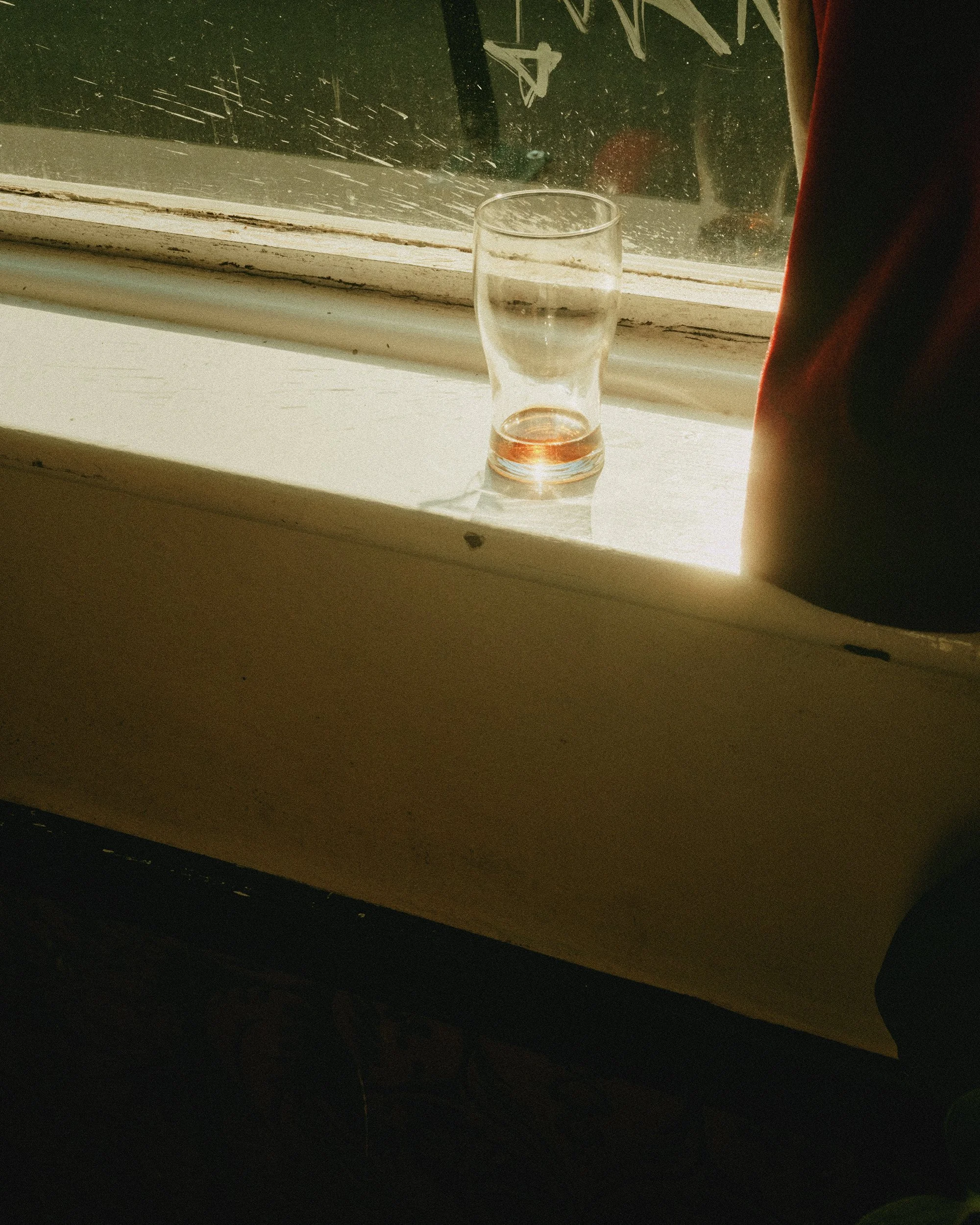
Drinks photographer Ned Gibbs turns his lens toward the fading heart of England’s pub culture. Documenting pubs in quiet decline, the series captures the atmosphere, nostalgia and human traces left behind in these communal spaces. Both elegy and celebration, the work reflects Gibbs’ enduring fascination with the rituals, stories and connections formed around drinking culture.
“My Nipples Get Harder Than Your Dick” is an ongoing project by non-binary photographer Maria Bolz exploring gender identity, bodily autonomy, and external perception through self-portraiture. Blending vulnerability with humour, Bolz confronts the projections and misunderstandings imposed onto their body, reclaiming the gaze as an act of resistance and self-determination.
In Meteor Ghosts, photographer Florian Luthi revisits a little-known 1954 UFO case in the Jura, tracing how a children’s story evolved into local folklore and international sensation. Blending archival research, documentary photography, and staged imagery, the project explores the fragile space between testimony and invention across the mist-covered landscapes of the French-Swiss border.
This collaborative fine-art photography project by Romane Bladou, explores teenage life in rural southern France. Photographed with a large-format camera, it captures the liminal energy of adolescence, the waiting, the ardour, the quiet act of claiming space. A portrait of a territory seen through its youngest inhabitants' eyes.
Strawberry Blue is a meditative fine-art photography project by Marinos Tsagkarakis, set in a dreamlike Dutch park. Born from the aftermath of migration, it traces an intimate journey of displacement, identity and wandering slowly transforms into growing new roots.
Photographer Jack Eames has spent years documenting Haircuts4Homeless, using his fashion and beauty background to create portraits that humanise people experiencing homelessness. His exhibition, SEEN, in partnership with Capture One, brings that work into a physical space — challenging how we see vulnerability, identity, and our shared humanity.