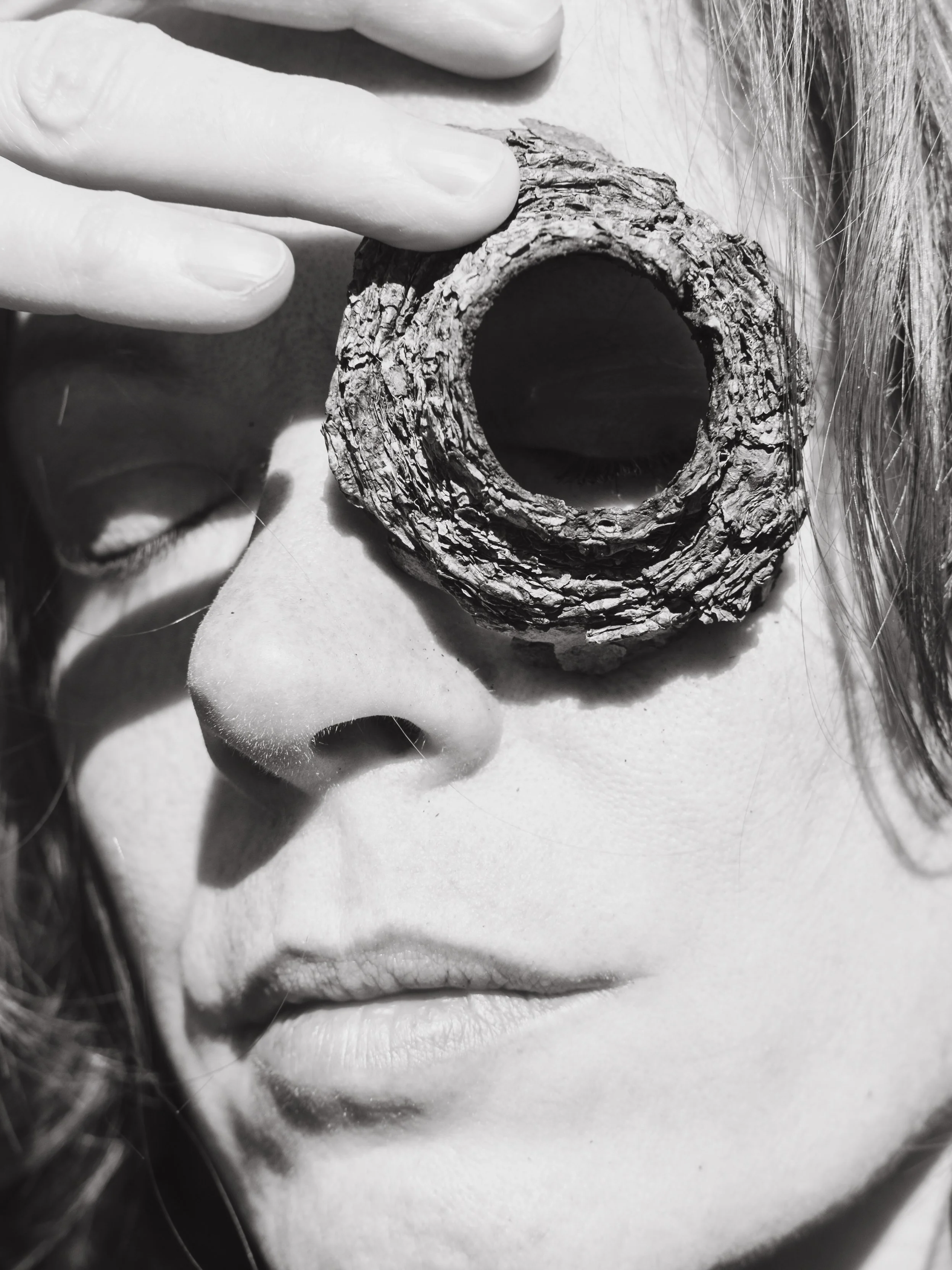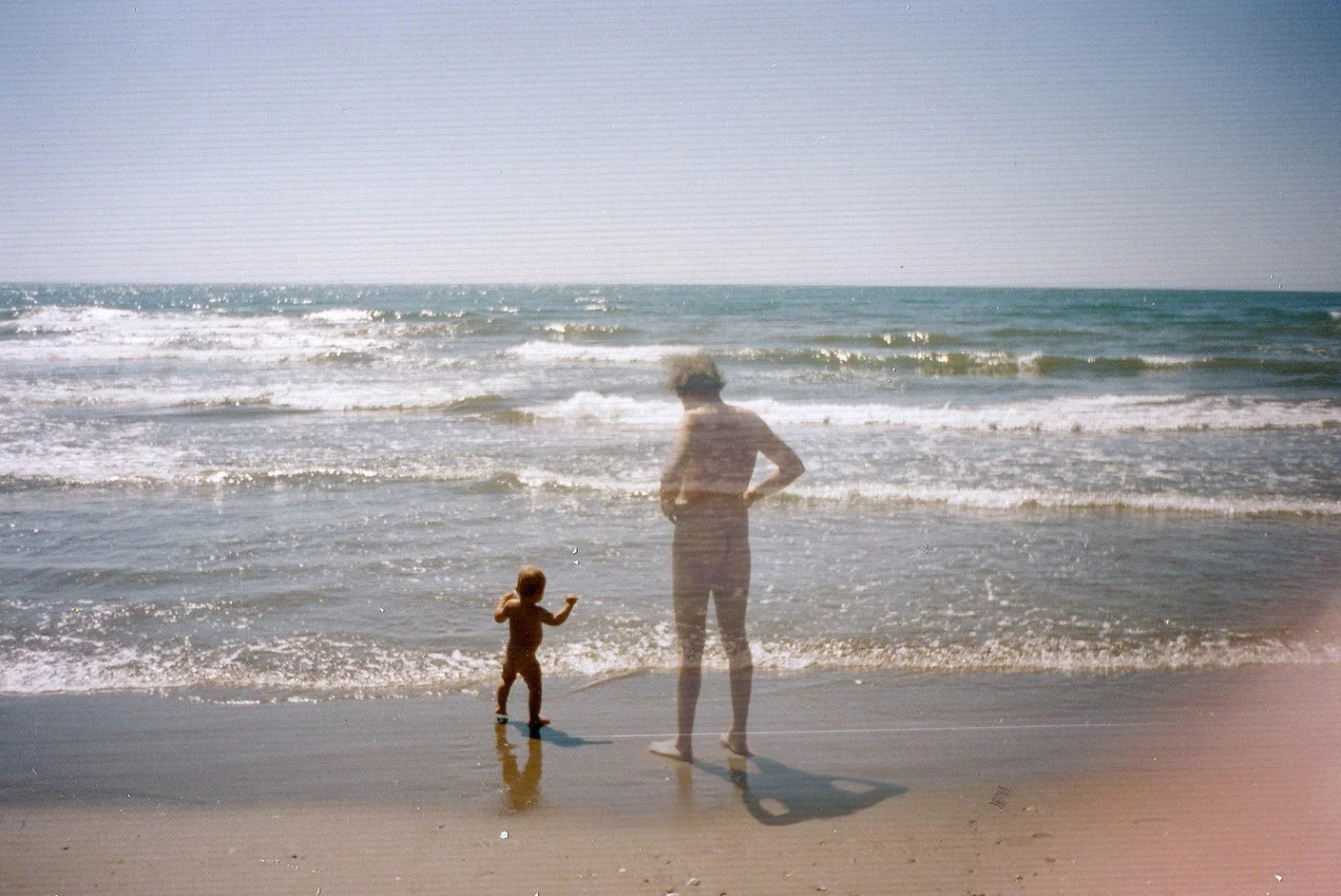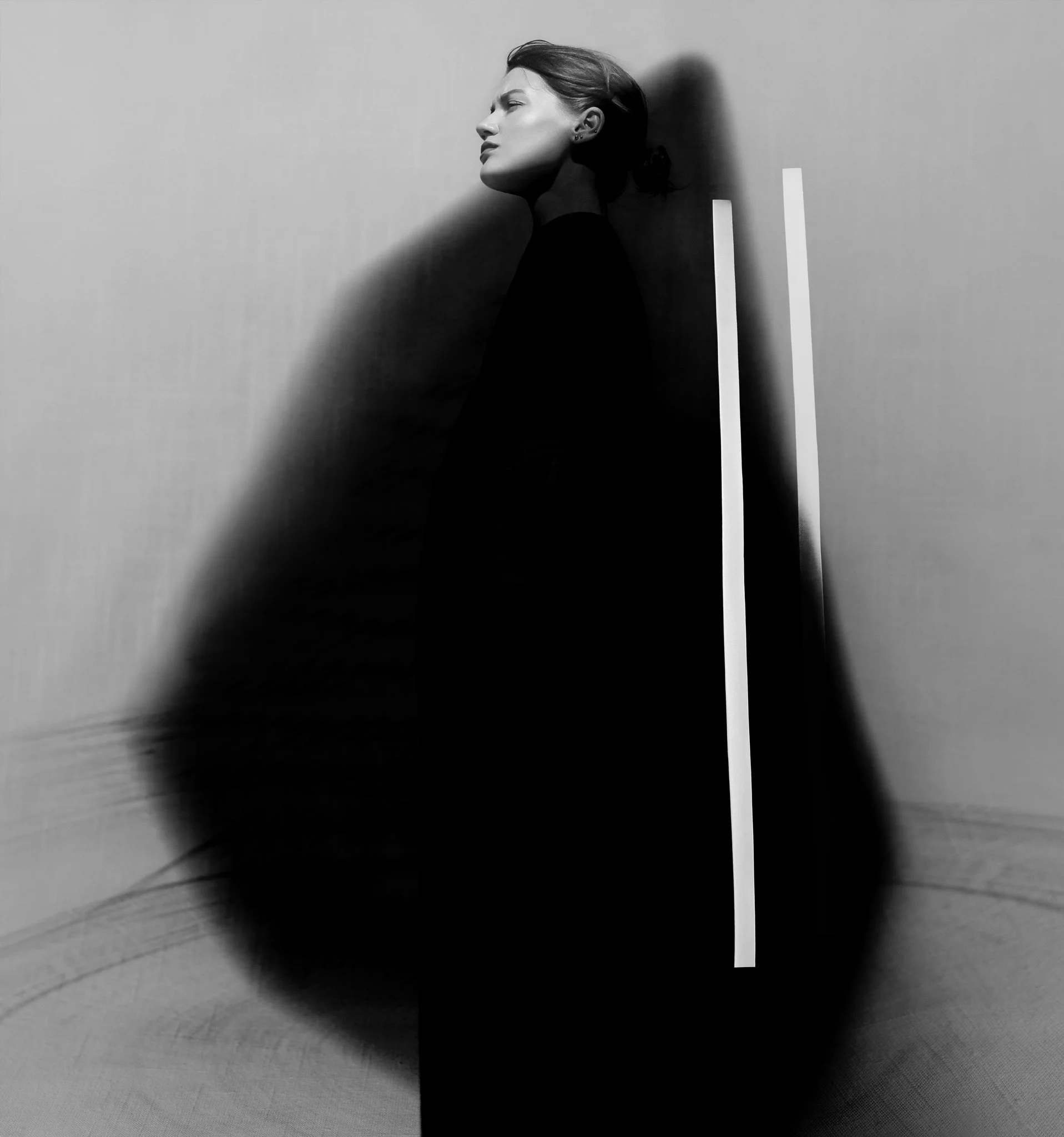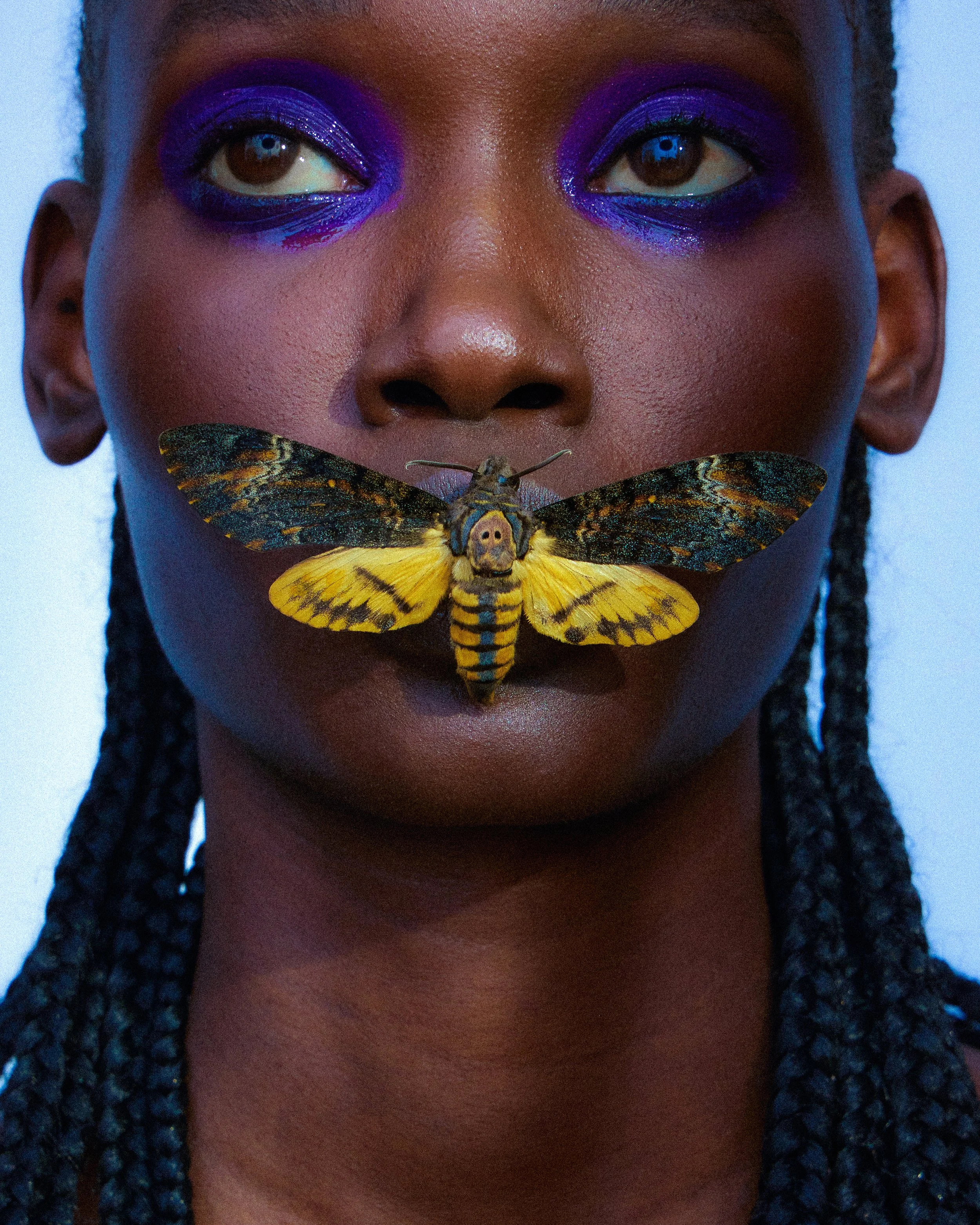
When her brother was struck by a taxi while cycling, Ina Königs’ life quietly reorganised around his care. Still Here, and Gone explores what followed: relief tangled with loss. Drawing on Pauline Boss’s notion of ambiguous loss, her observed and staged images give form to feelings everyday life rarely makes room for.
Photography Ina Königs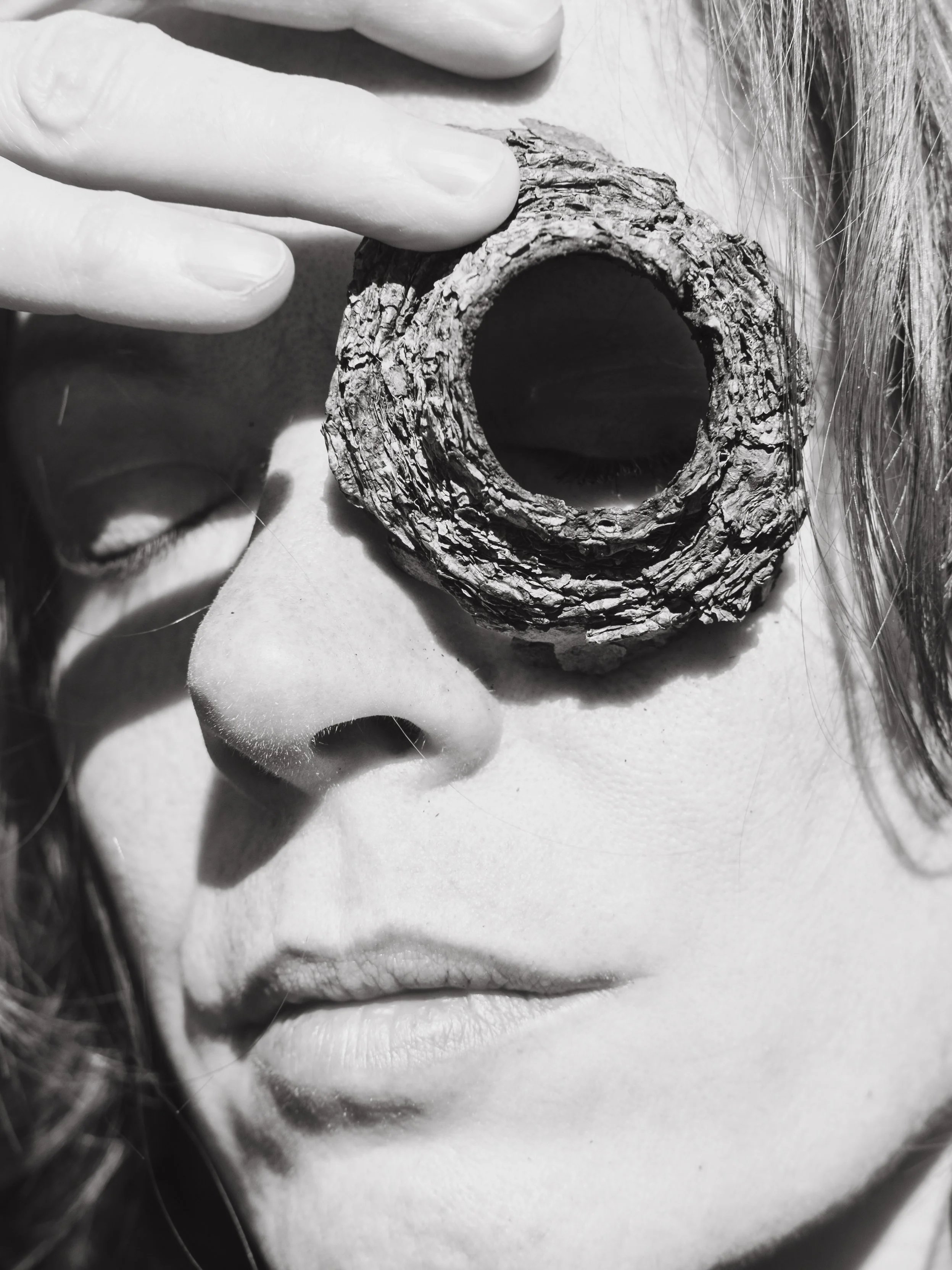
Still Here, and Gone began after my brother was seriously injured in a traffic accident when he was struck by a taxi while riding his bike. He survived and gradually returned to everyday life. In the years that followed, accompanying him, providing practical support, and taking on responsibility became part of my own life. At first, there was so much to organise and take care of that my own feelings receded into the background.
Only over time did I realise that alongside the relief at his survival, there was also a sense of loss. This experience became the starting point for the series.
Later, I encountered psychologist Pauline Boss’s concept of ambiguous loss: a form of loss in which presence and absence can coexist. A person can still be there while closeness, roles, and forms of interaction change. Unlike bereavement after death, there is no clear moment of farewell and often no ritual through which this experience can be acknowledged. Care and grief can coexist. Encountering this concept helped me understand that these seemingly contradictory feelings do not have to be mutually exclusive.
“Later, I encountered psychologist Pauline Boss’s concept of ambiguous loss: a form of loss in which presence and absence can coexist.”
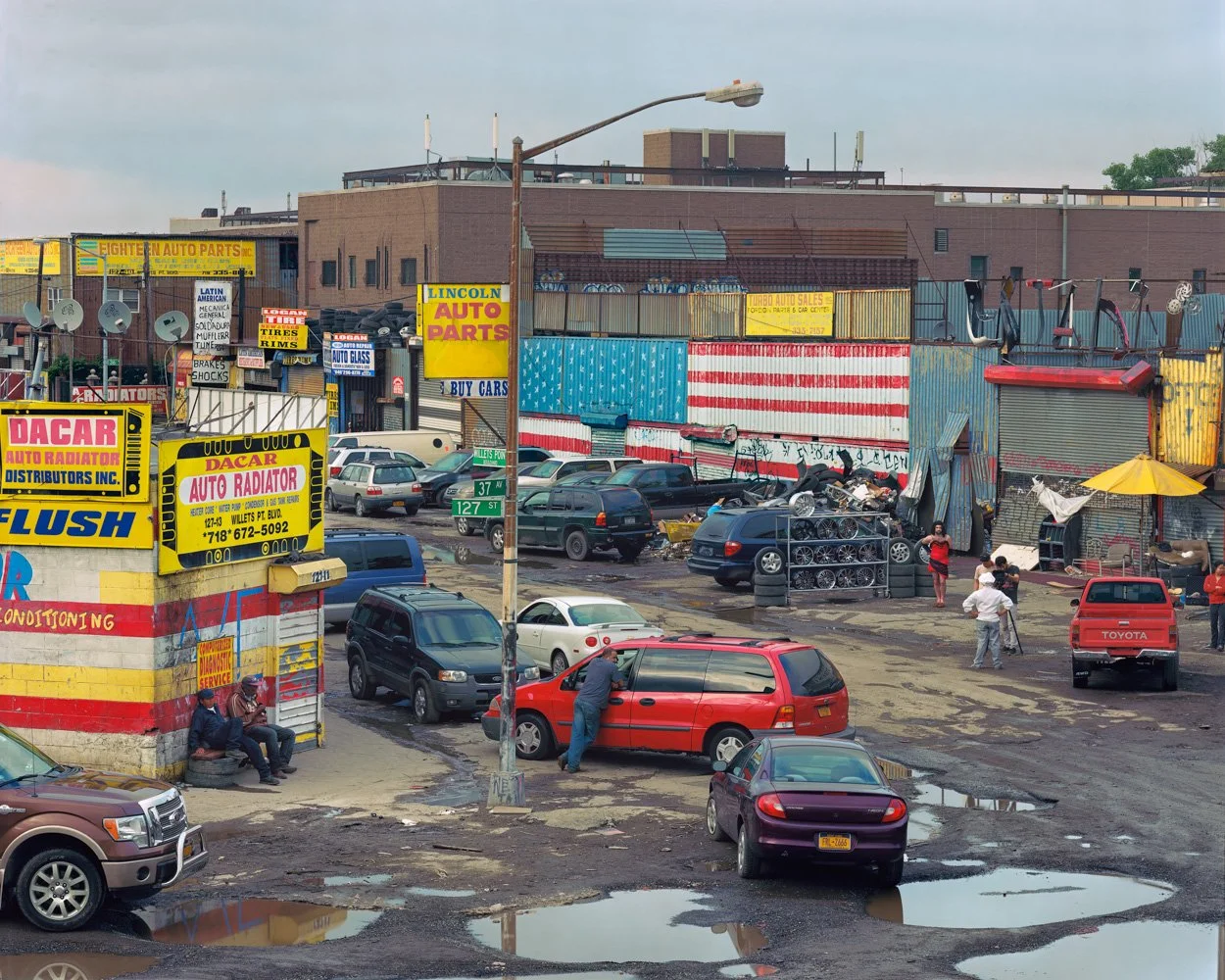
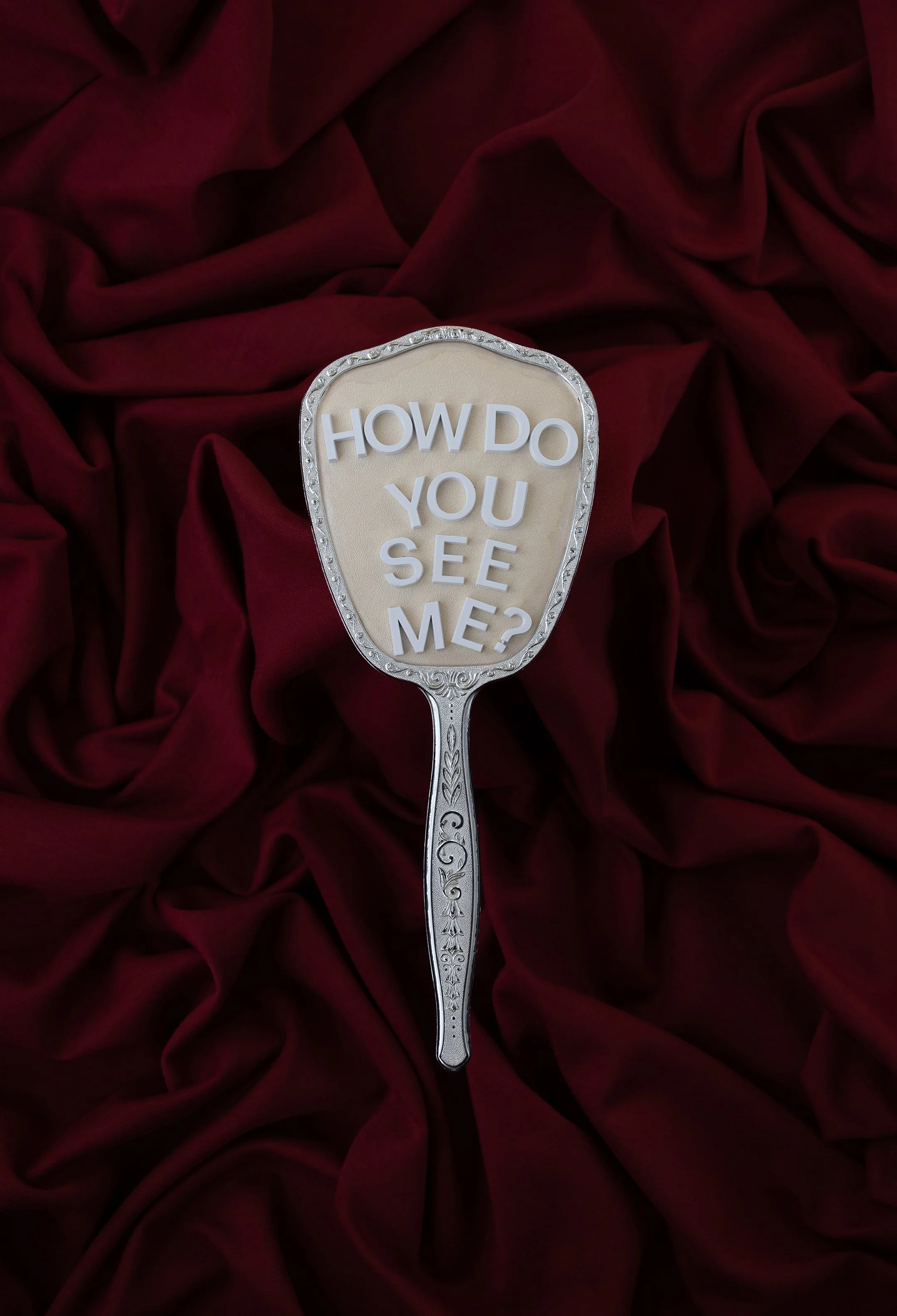
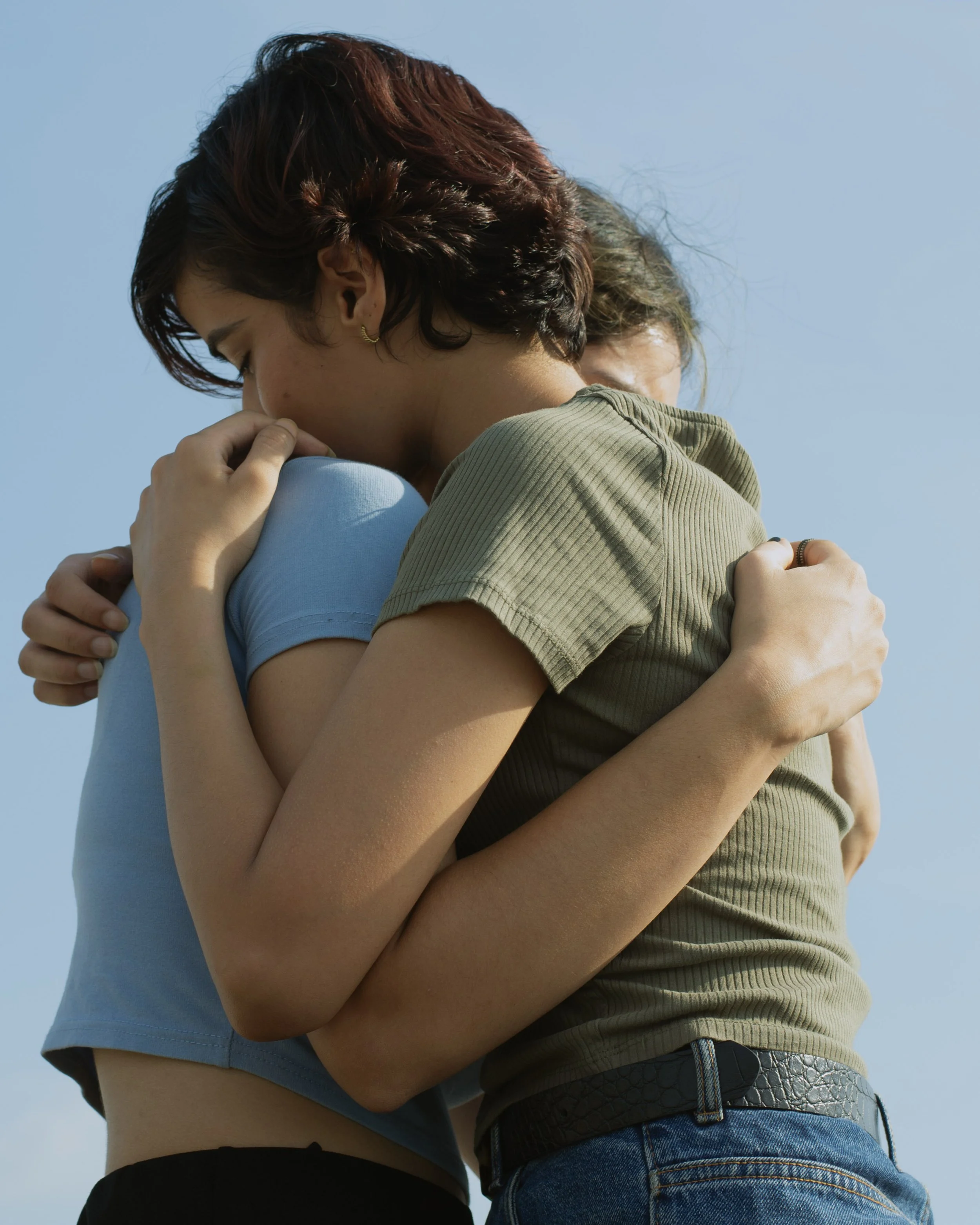
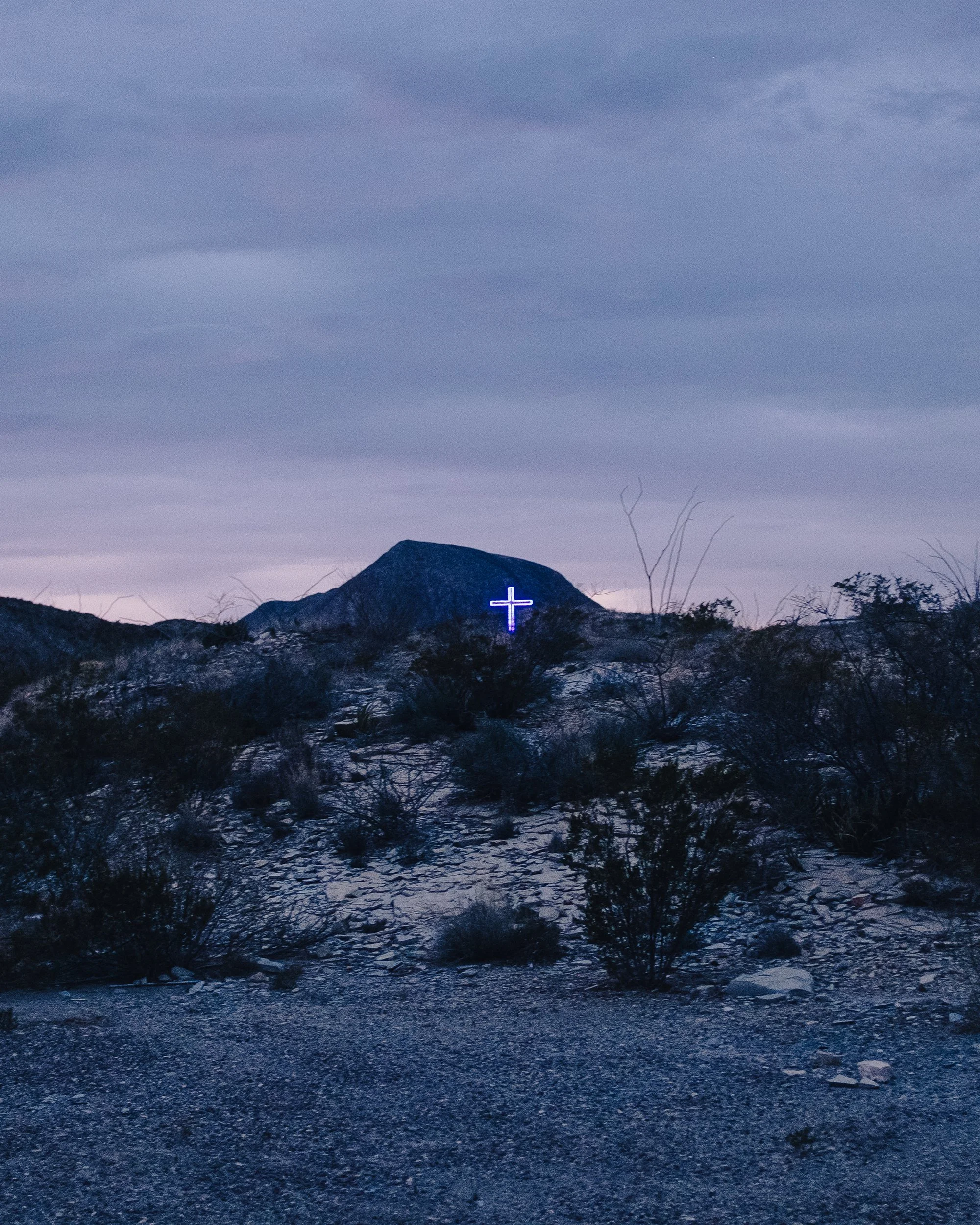
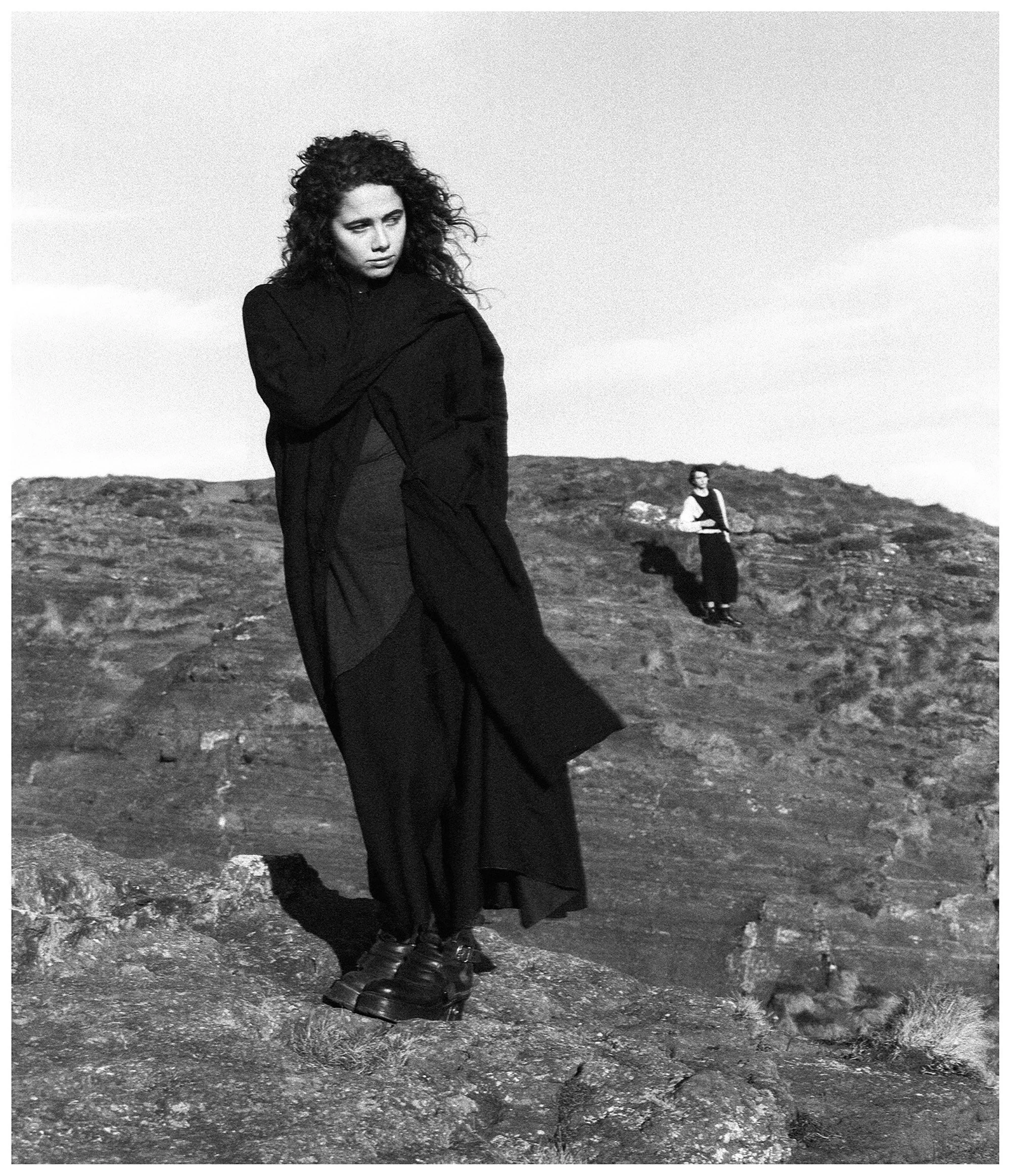
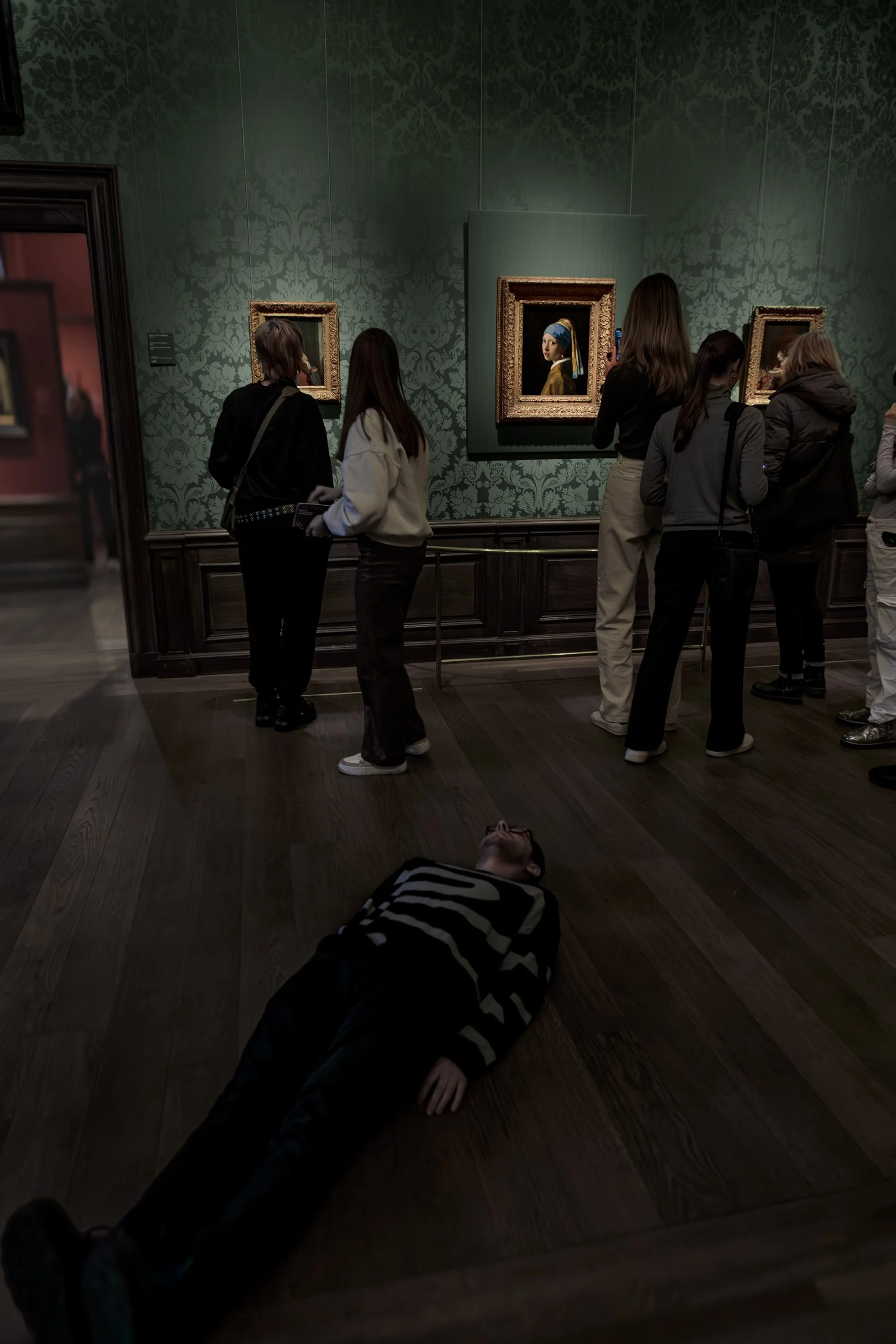
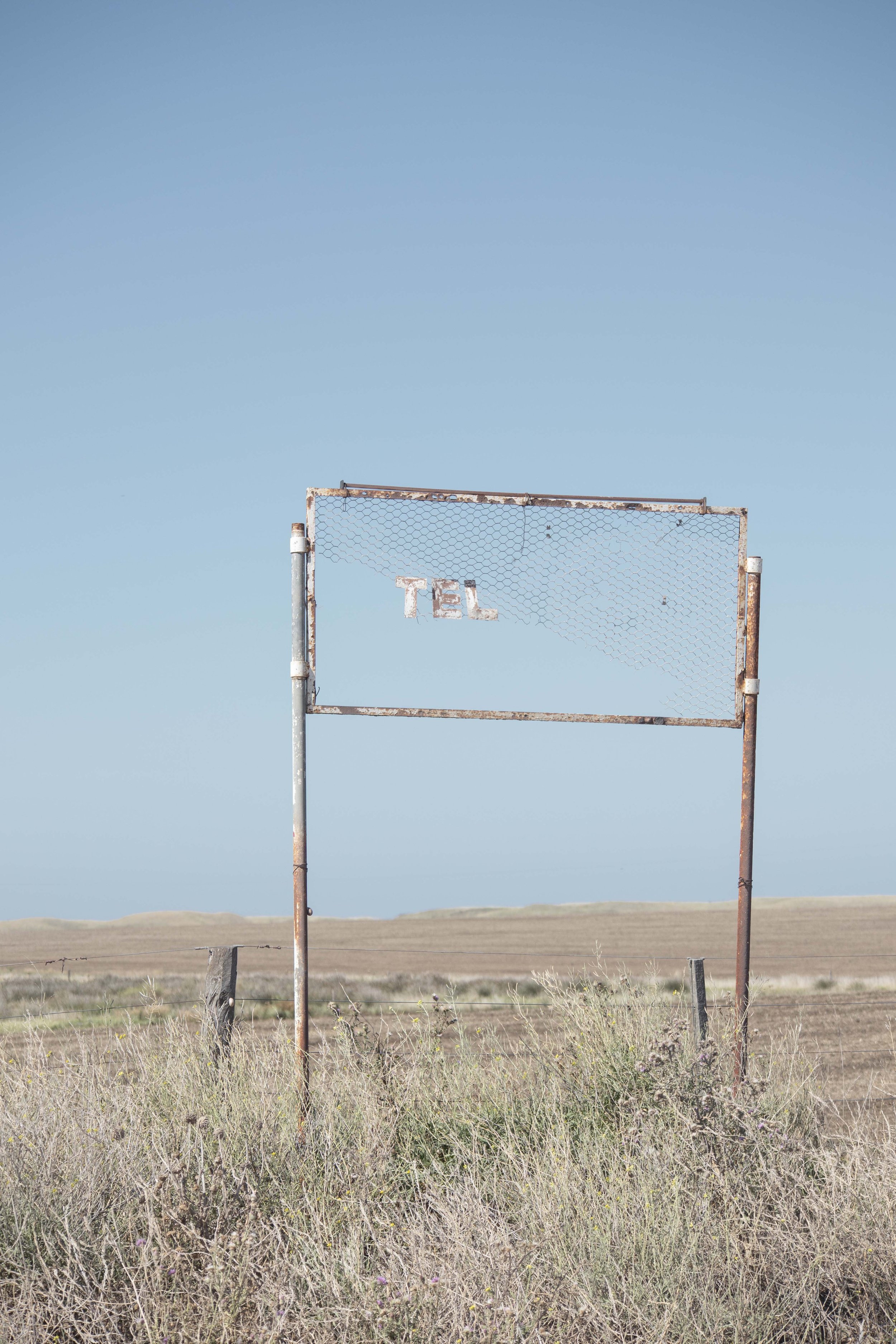
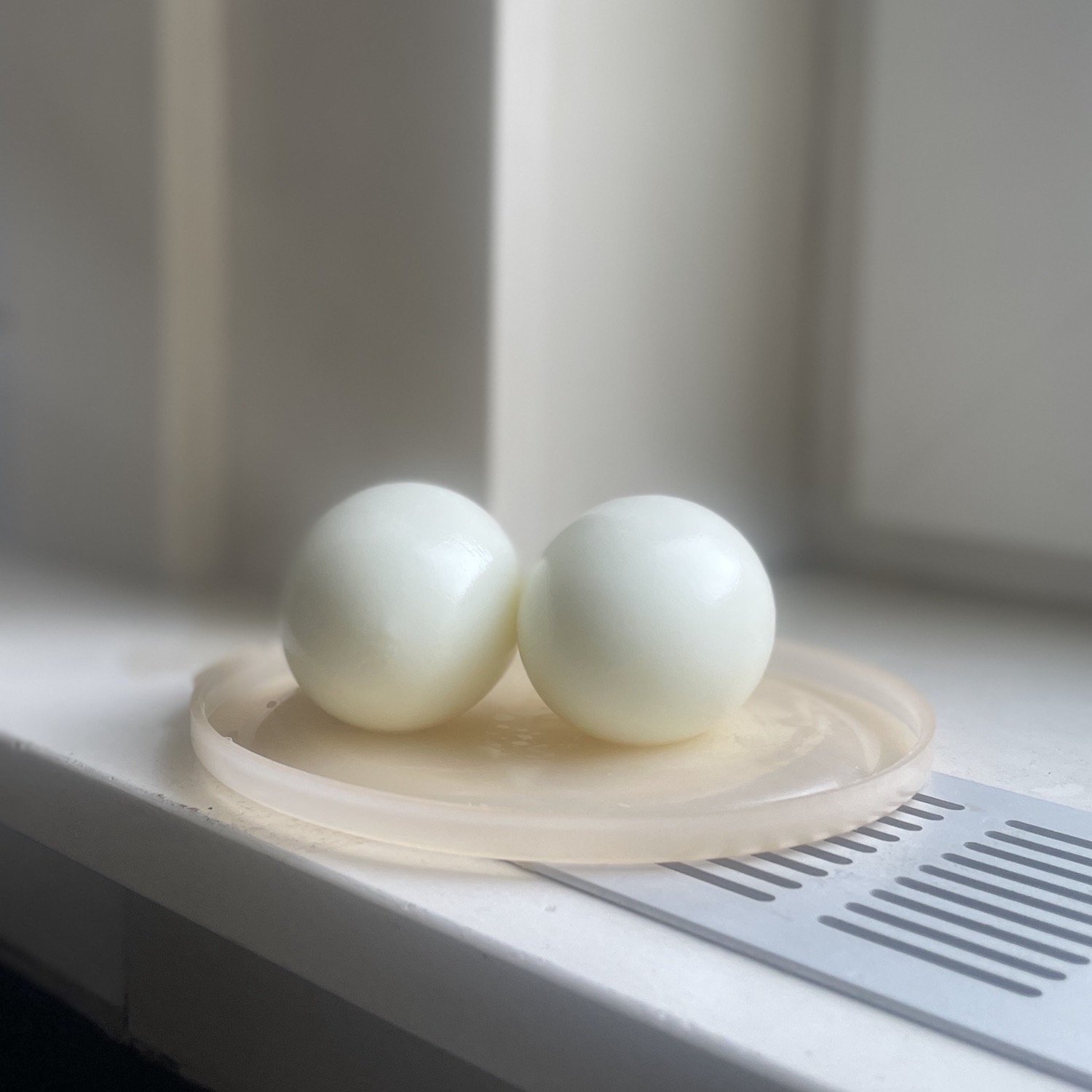
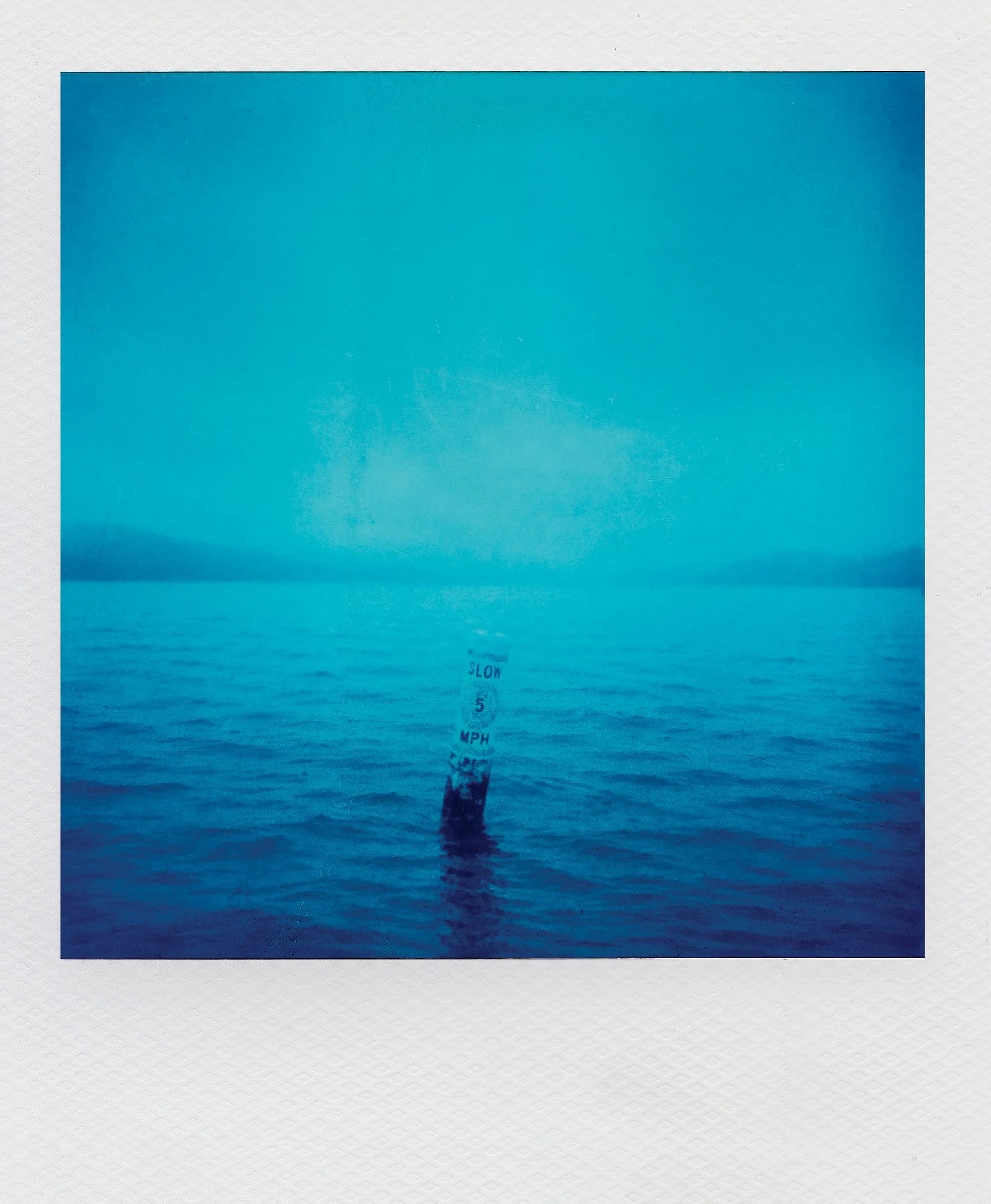
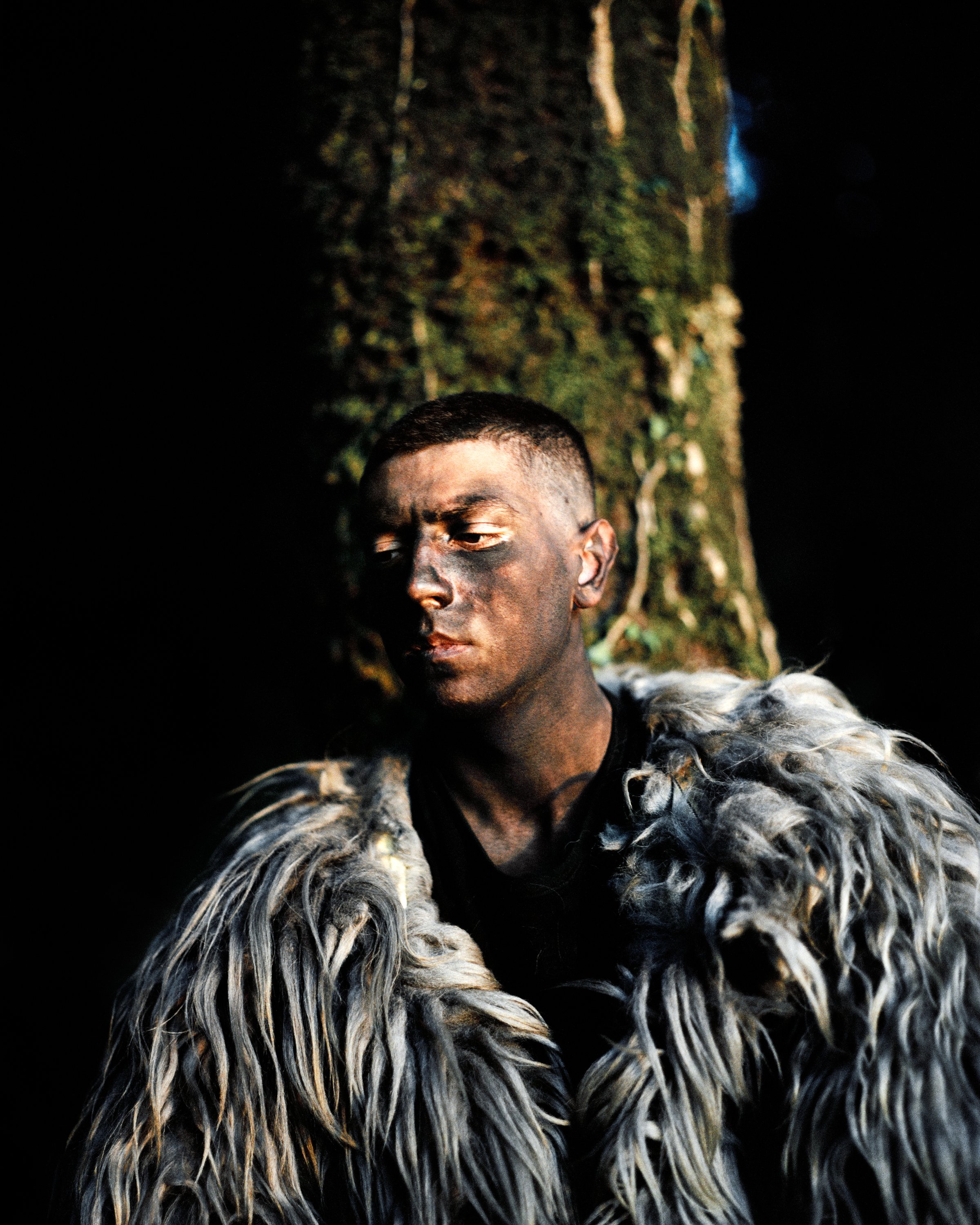
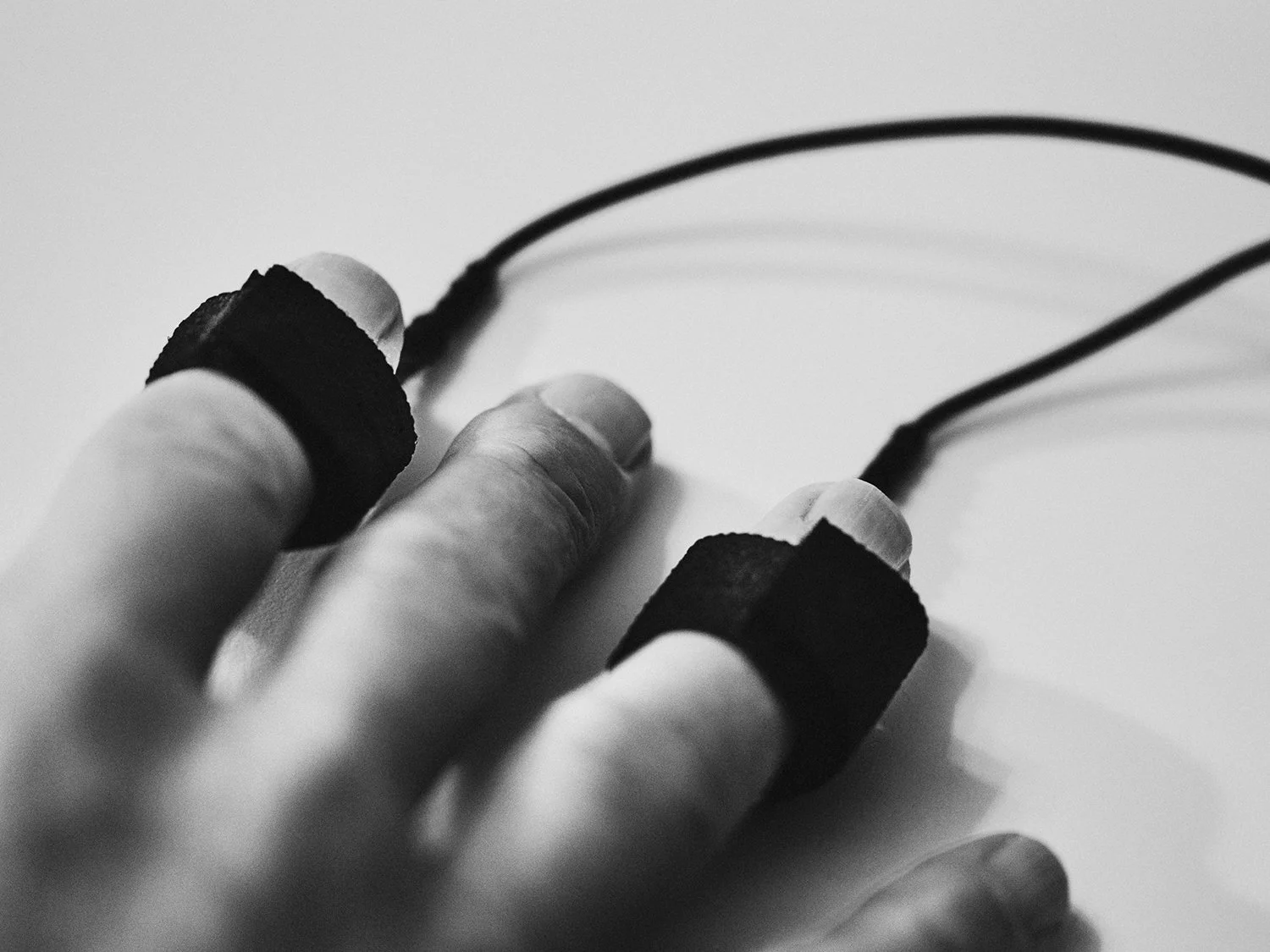
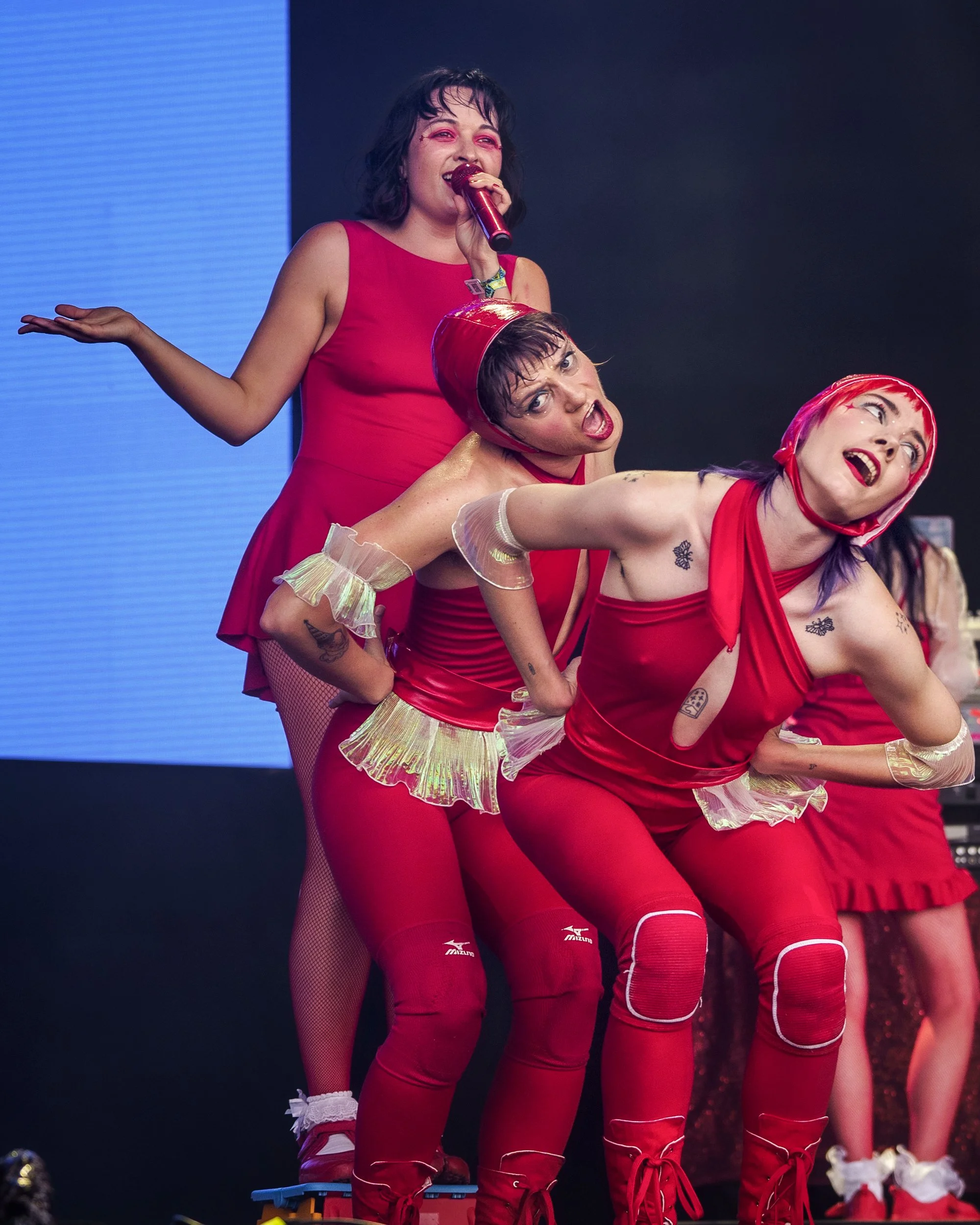
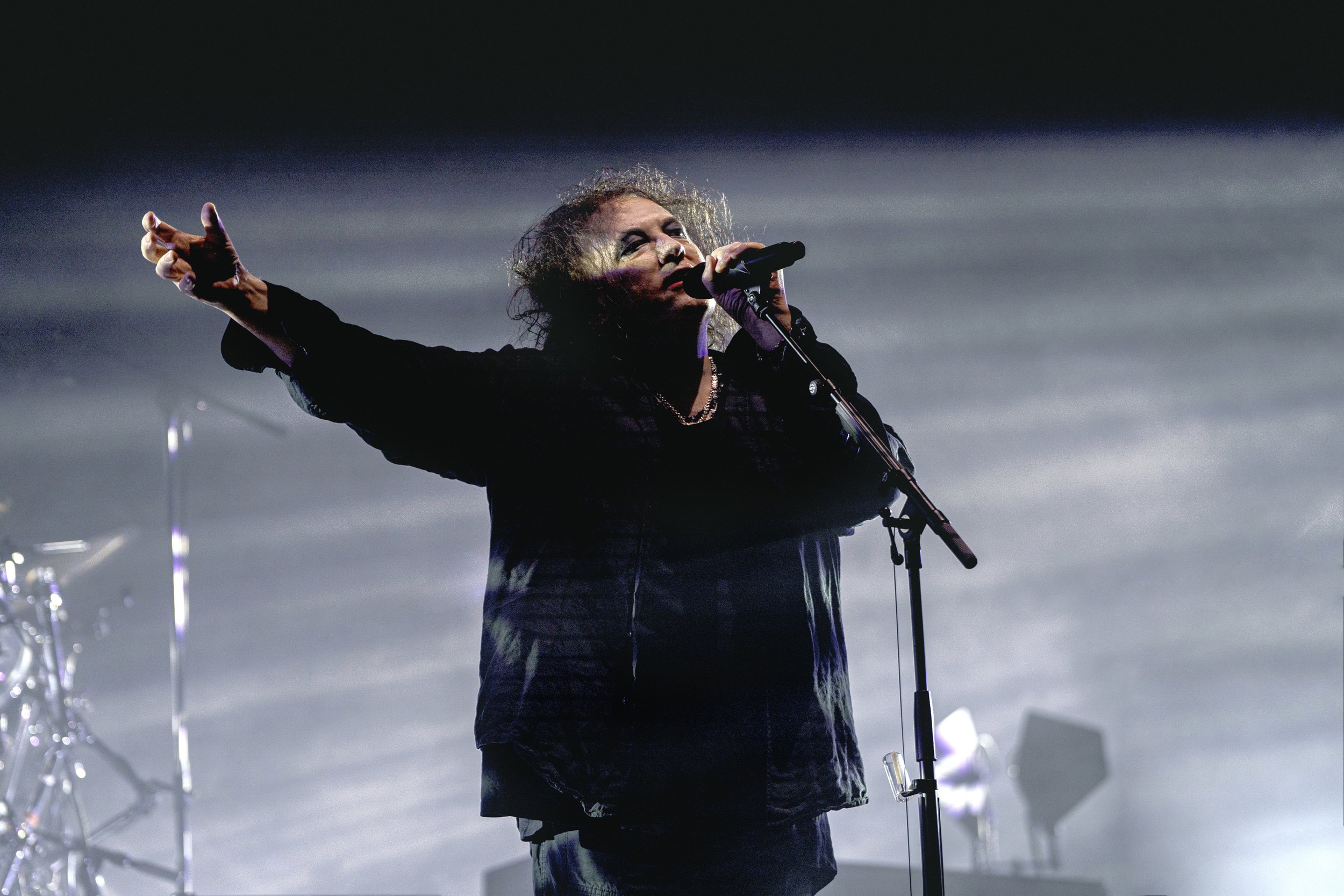
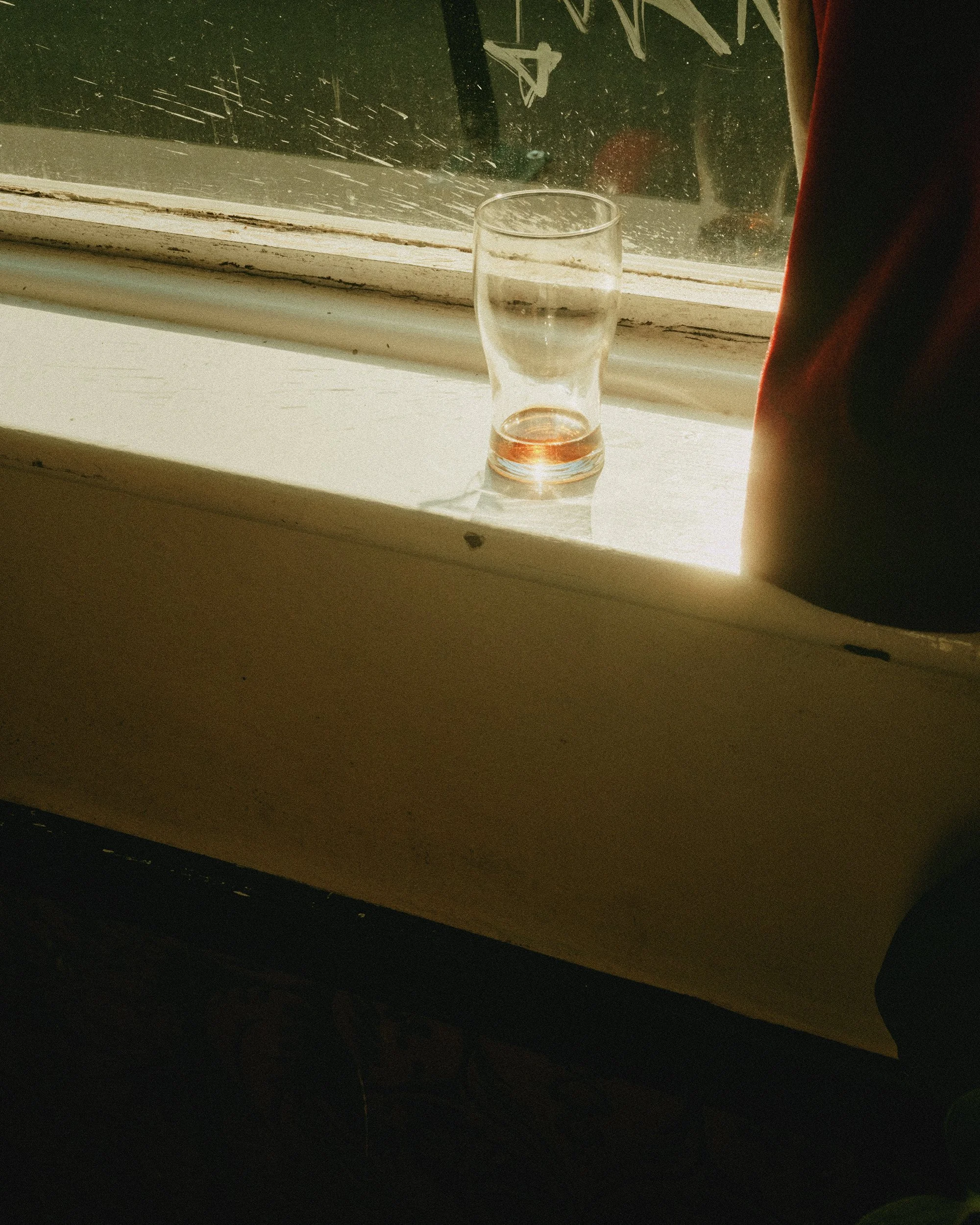
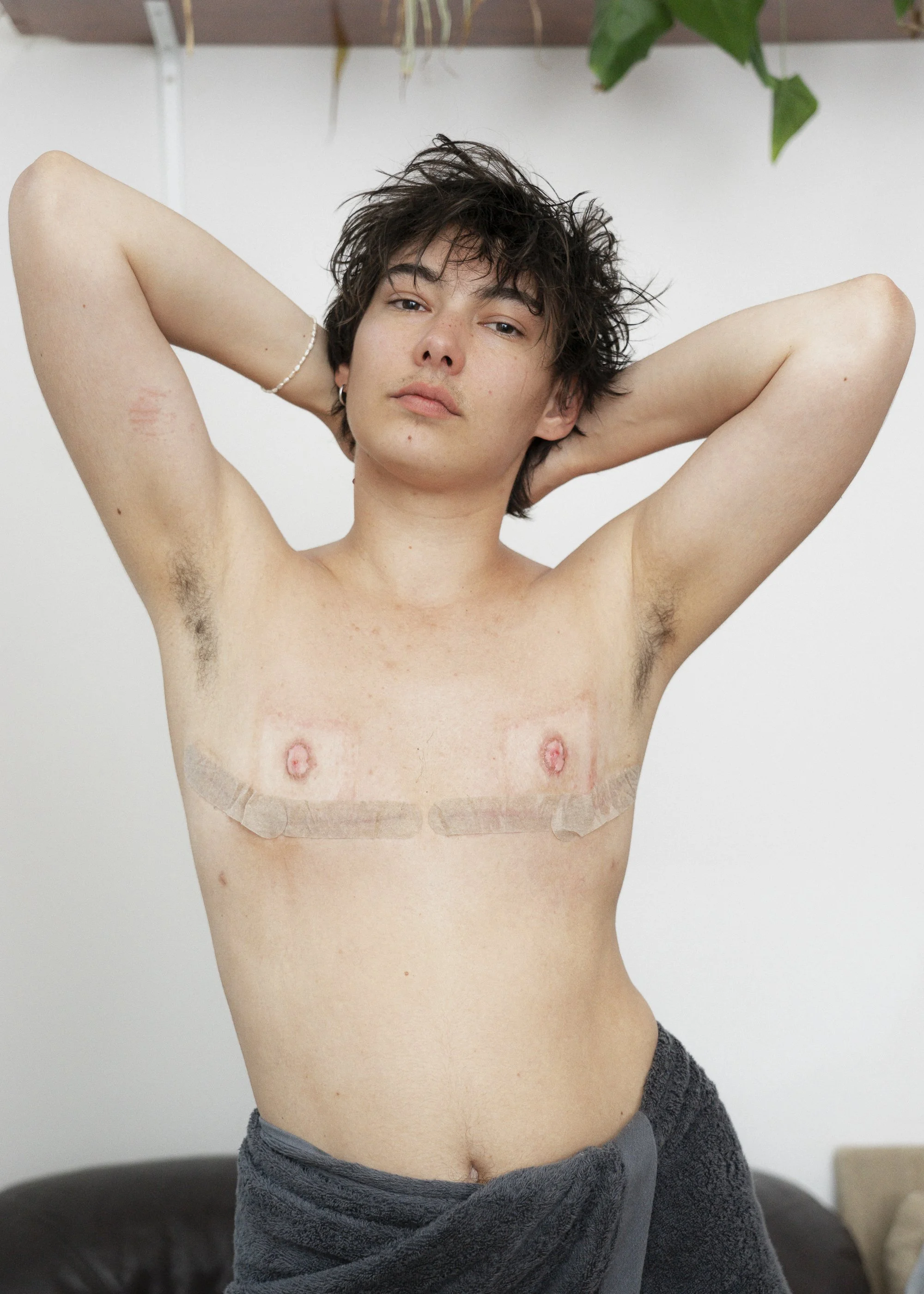
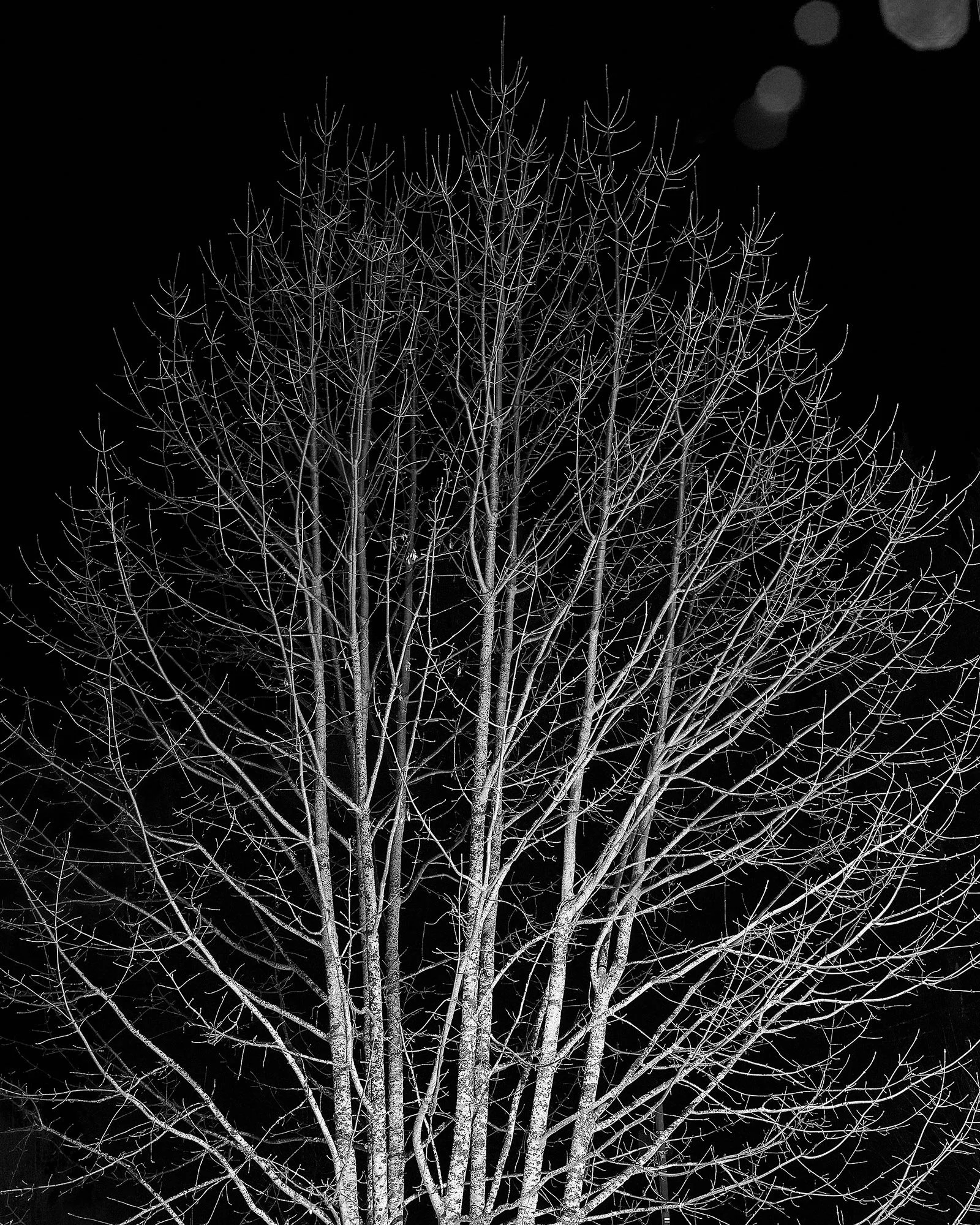
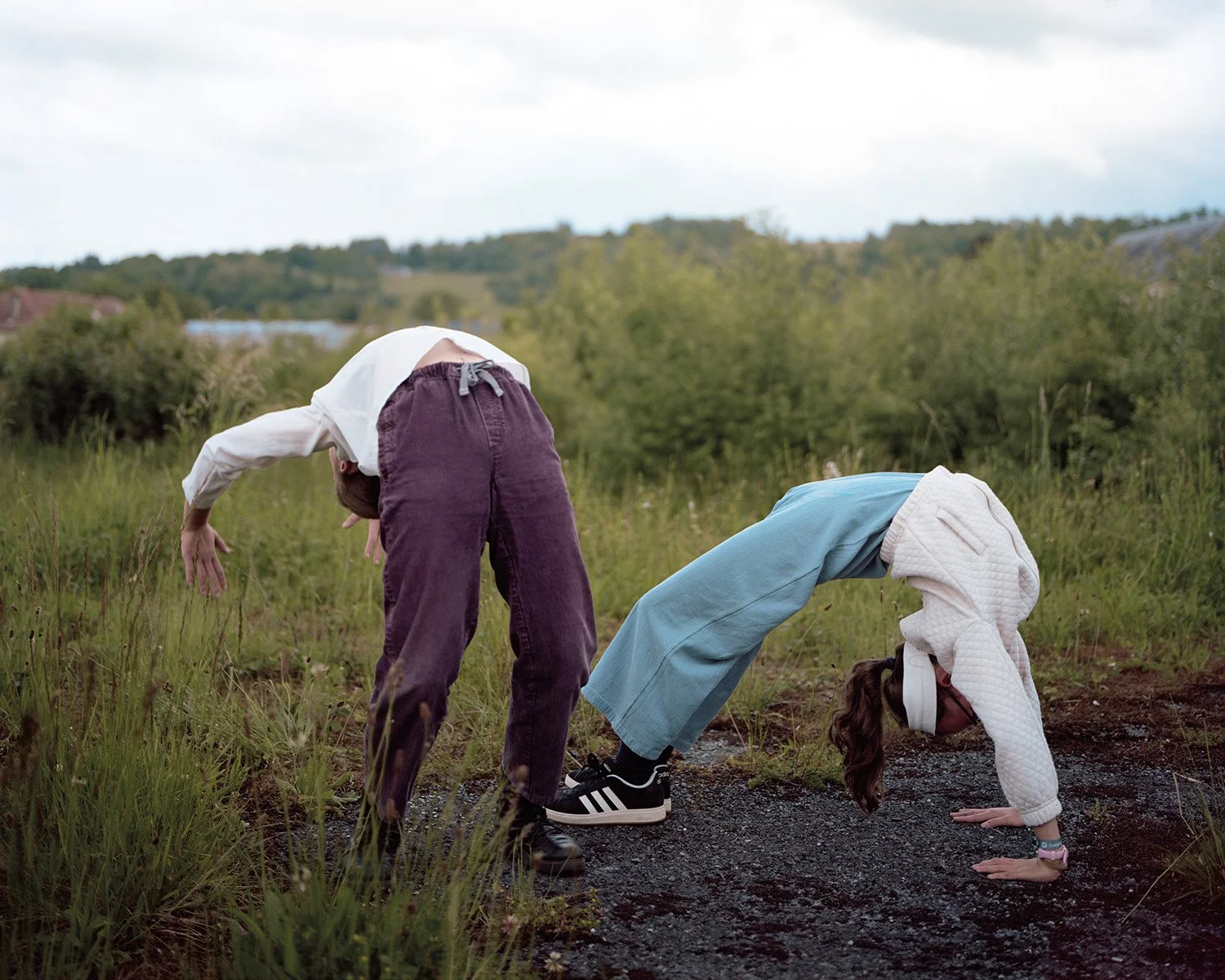
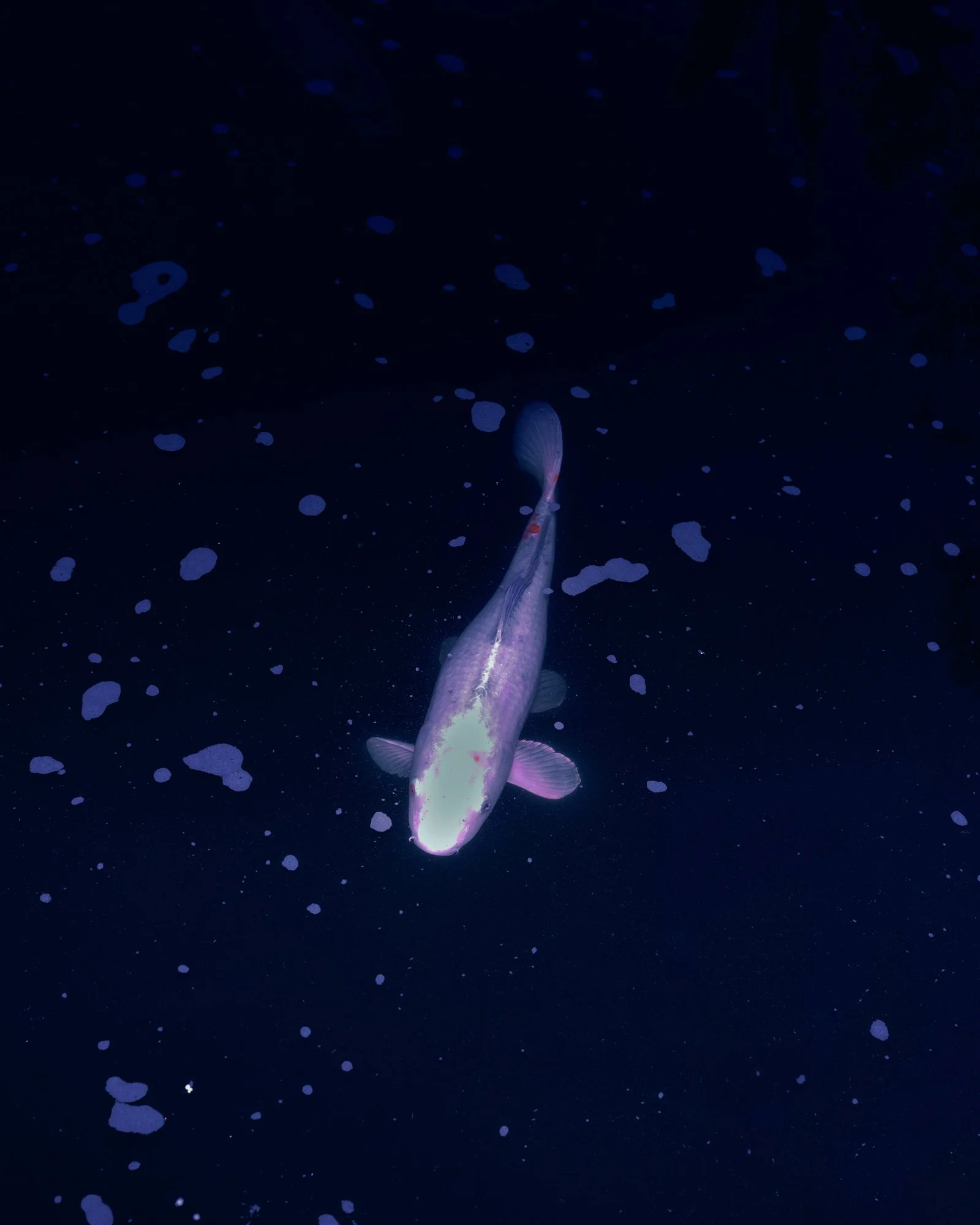
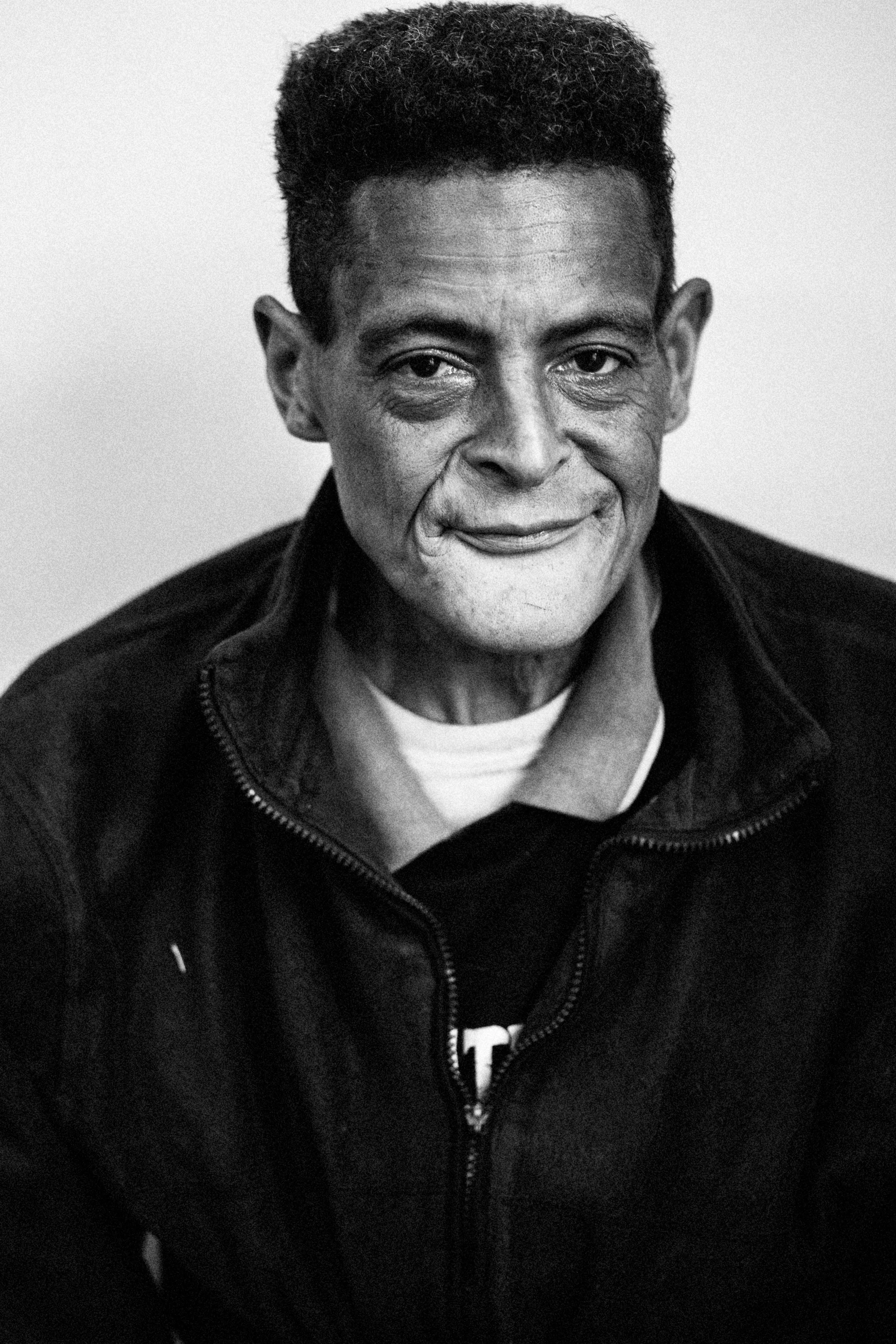
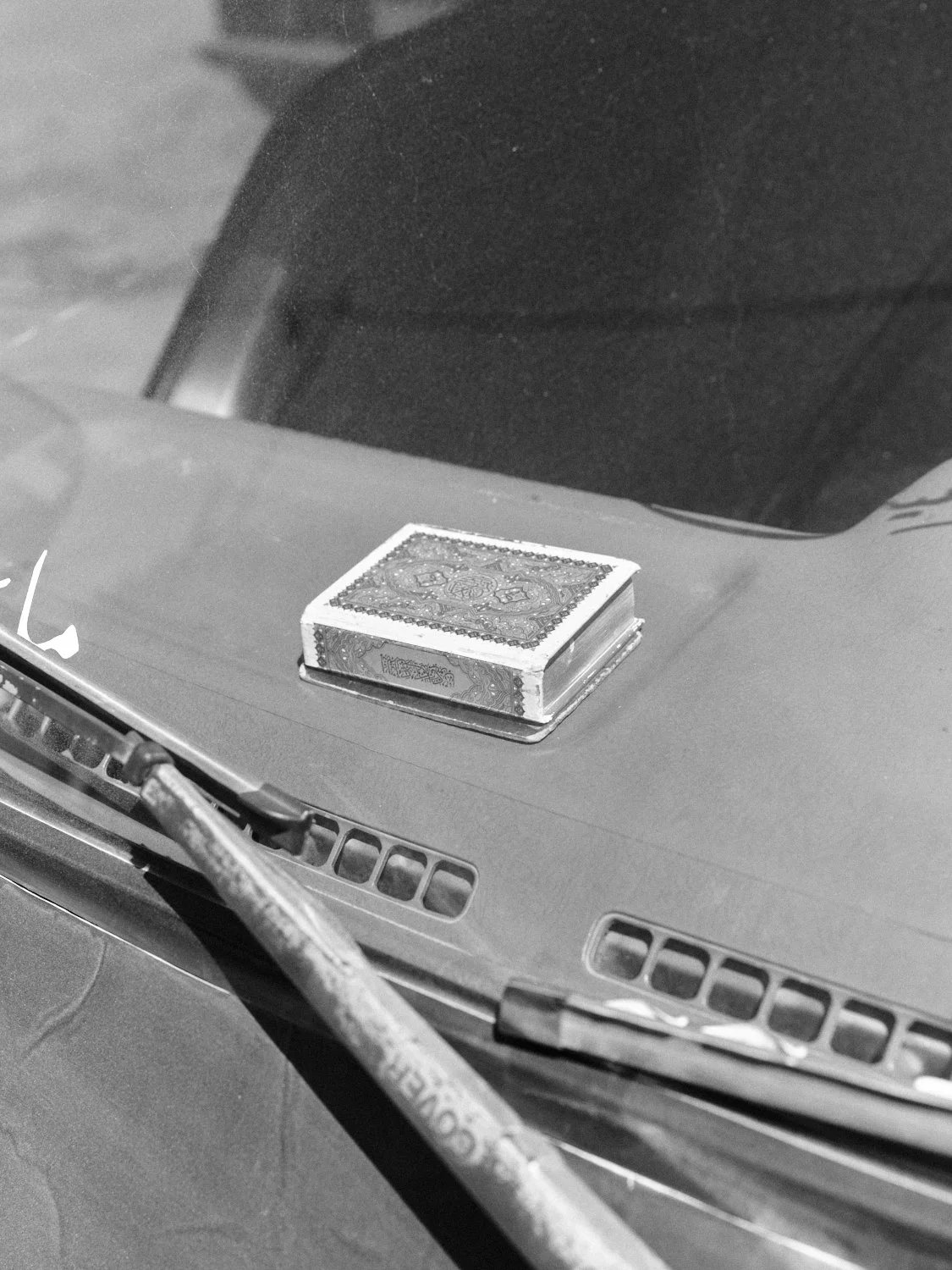
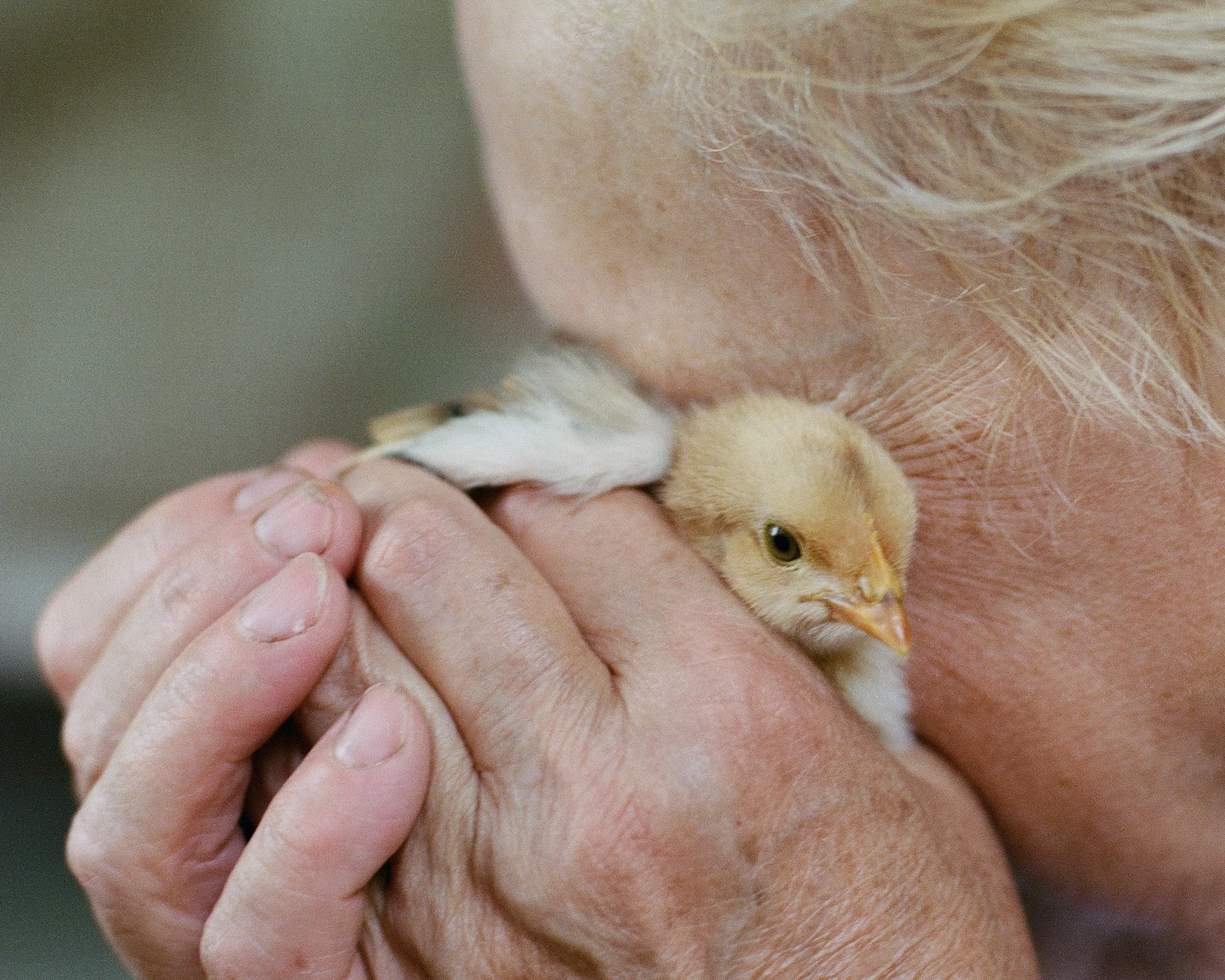
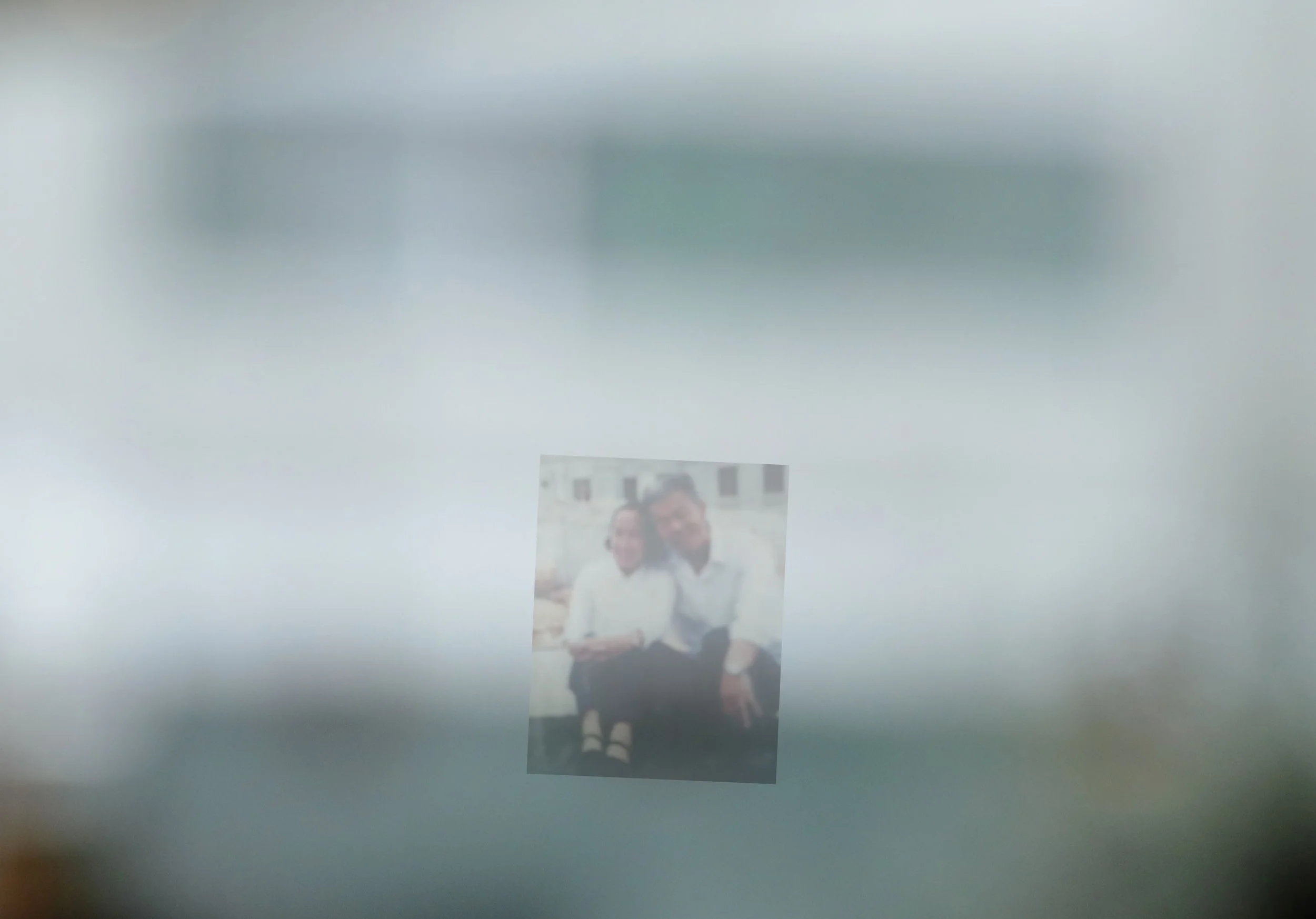
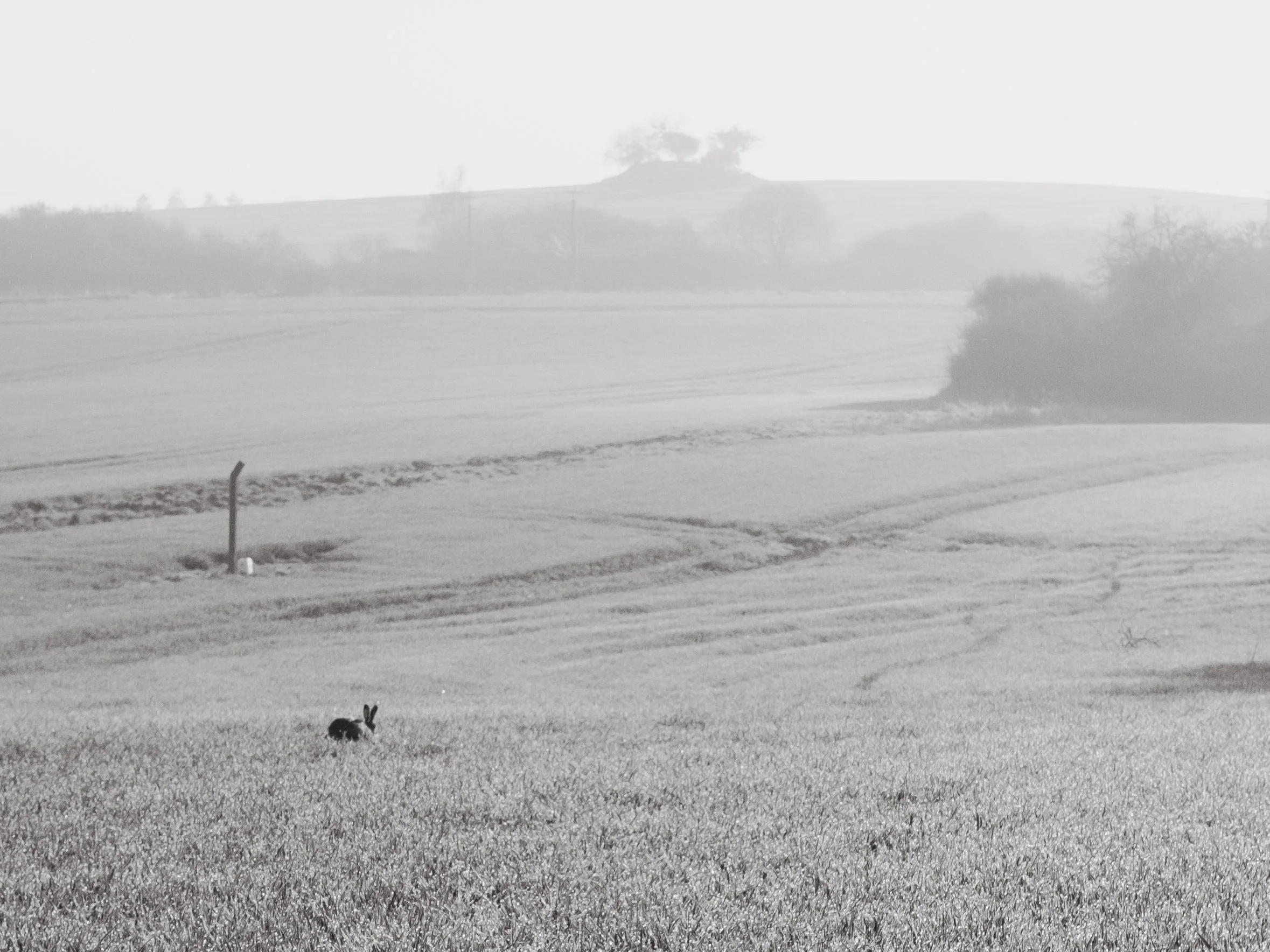
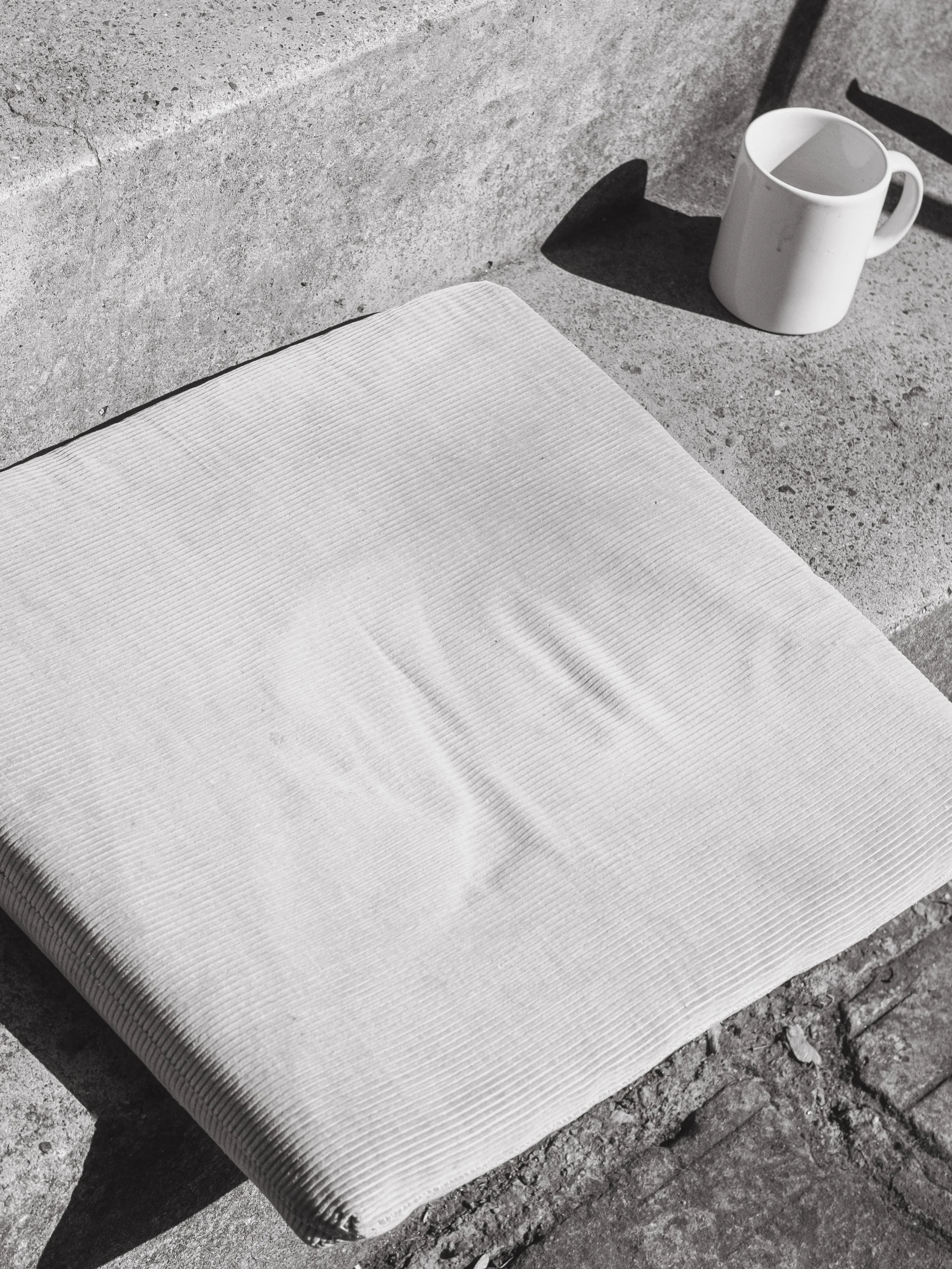
The photographs emerge from my perspective as a family member. Some images arise from observation, while others are intuitively staged. In landscapes and found situations, I discover forms and states in which I recognise aspects of this experience. Bodies, gestures, objects, spaces, and landscapes form an open, nonlinear sequence. Recurring motifs and formal relationships connect the photographs while allowing different interpretations to coexist.
For me, photography becomes a space for emotions that are often difficult to acknowledge or express in everyday life. The series also draws attention to the often less visible experience of family members and caregivers: their own emotional lives alongside caring for another person. Through these photographs, I attempt to give form to this ambivalence without resolving it.
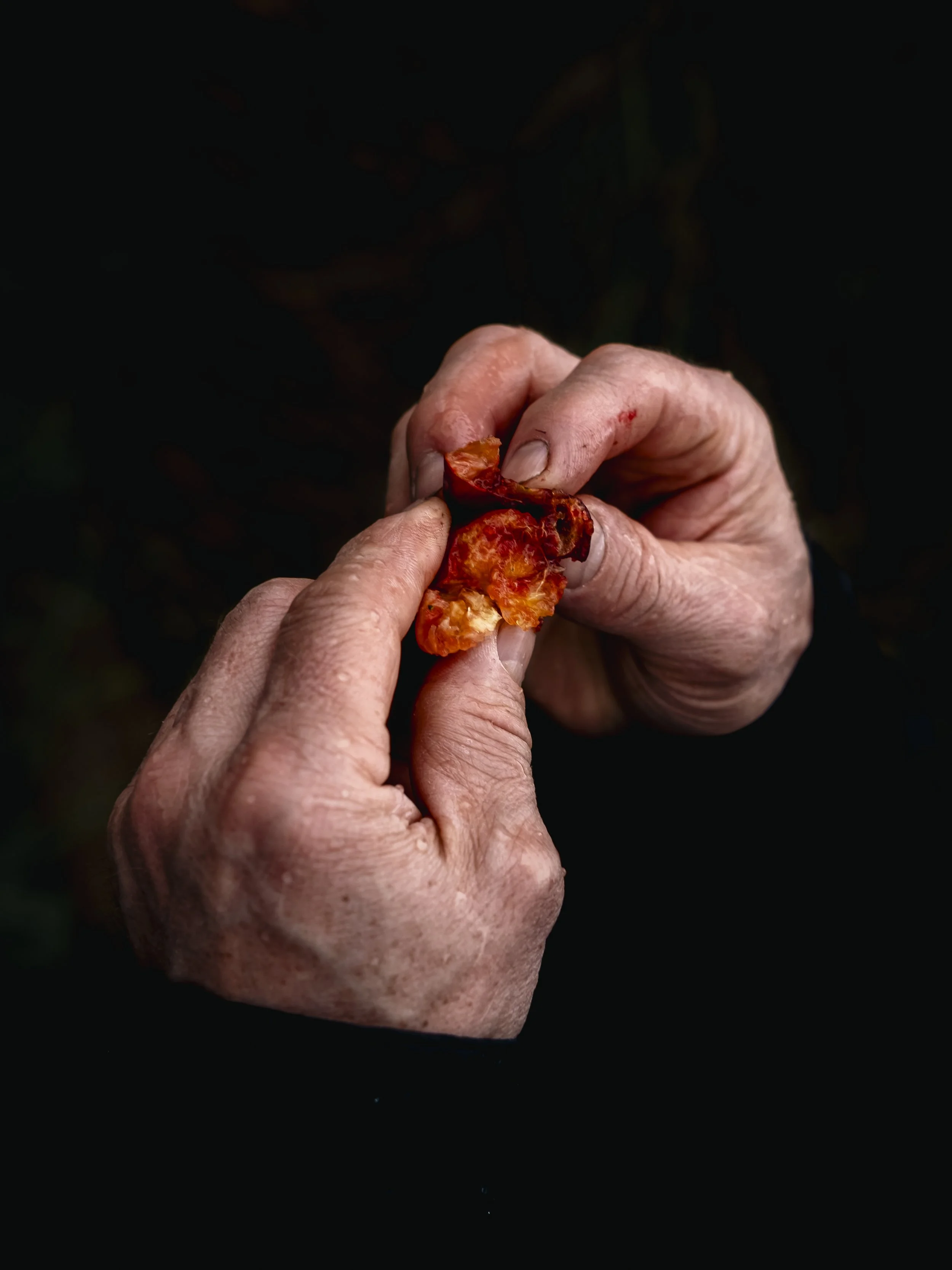
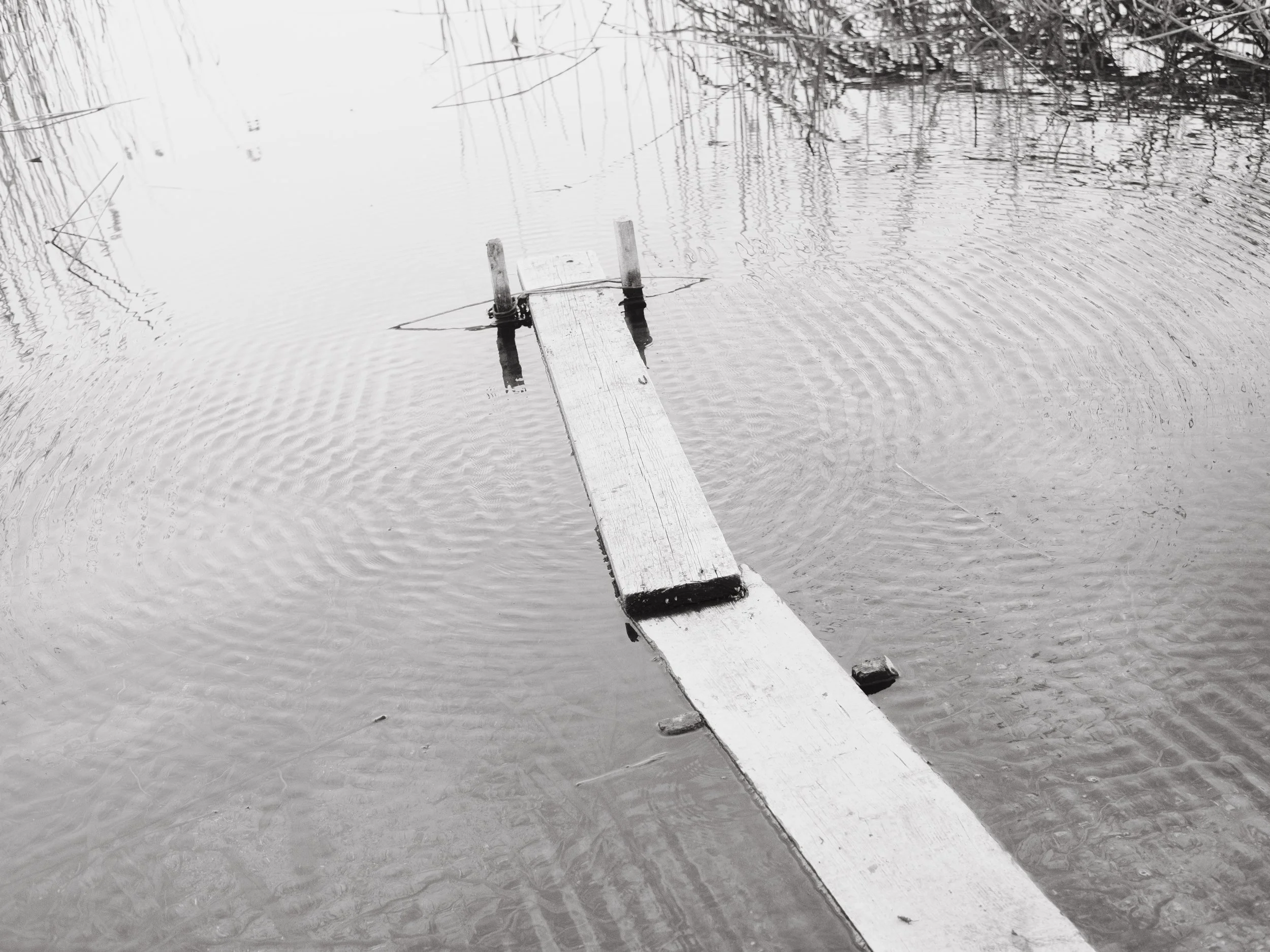
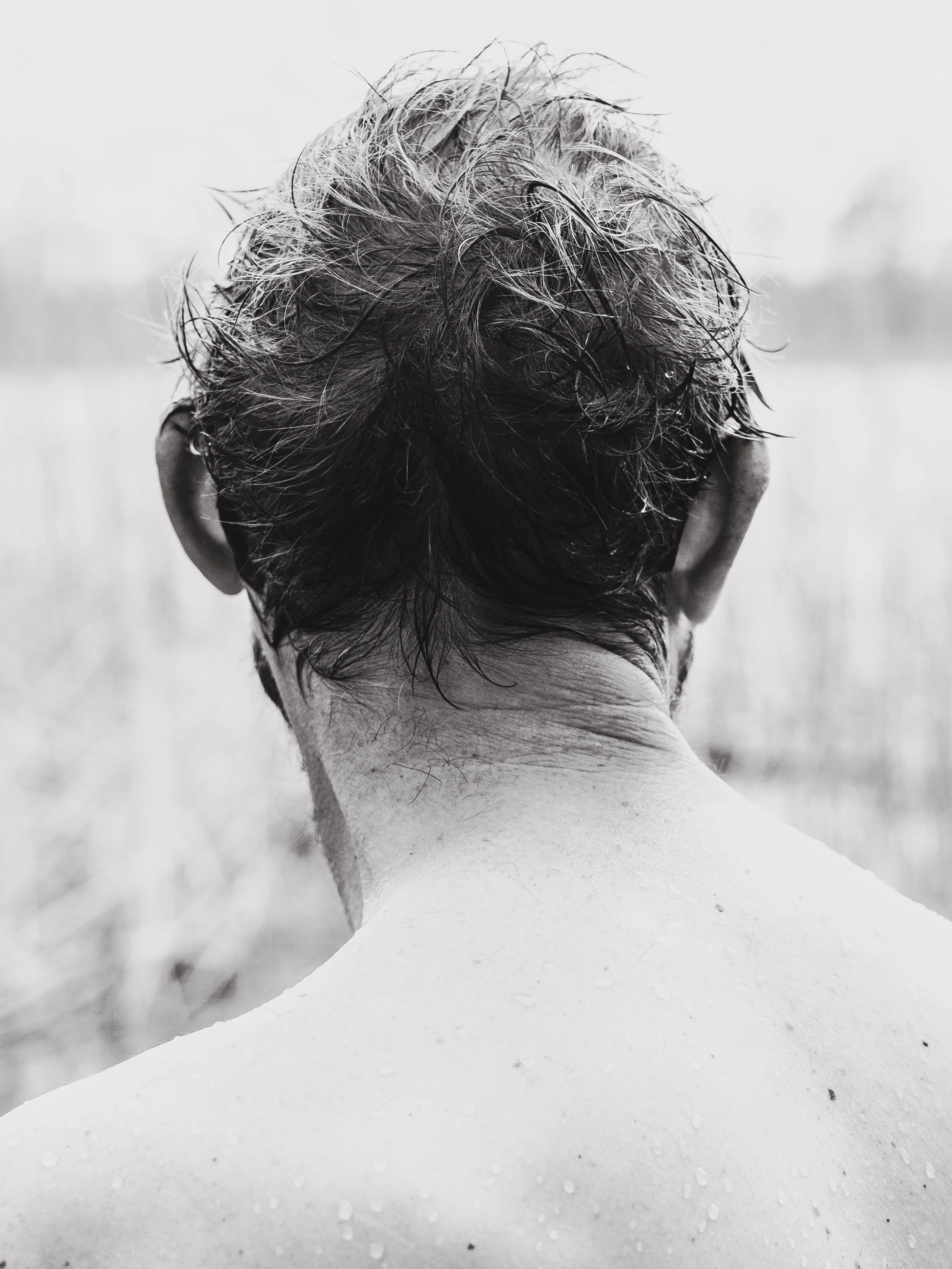
“For me, photography becomes a space for emotions that are often difficult to acknowledge or express in everyday life.”

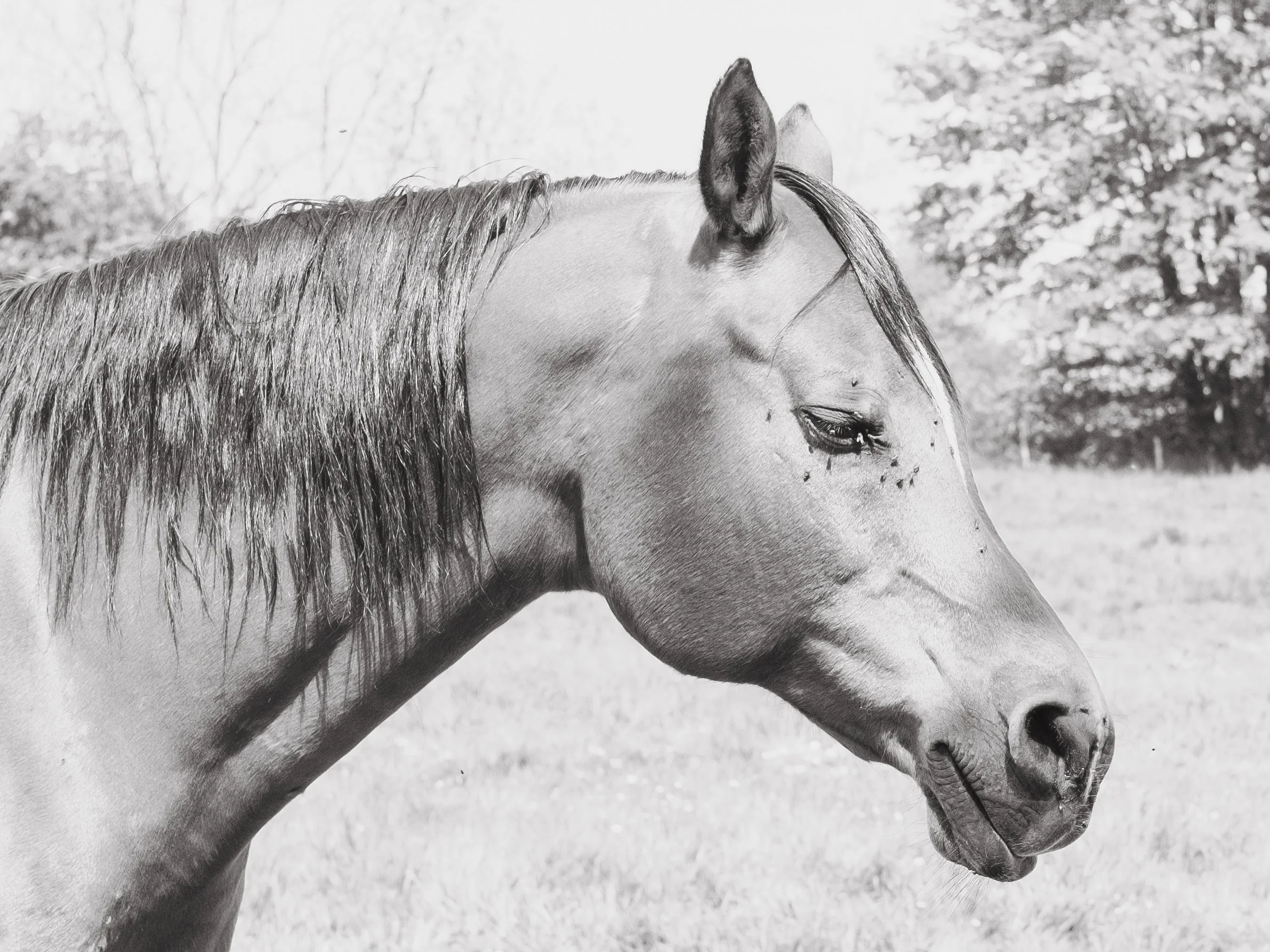
About Ina
Ina Königs lives in Berlin. She developed her photographic practice outside formal art-school training, through independent practice and experience working on photographic productions. Her academic background in applied psychology relates to a continuing interest in relationships, perception, and emotional ambiguity.
Her work grows out of personal experiences, encounters, and observations. Moving between found situations and intuitive staging, she explores how inner experience and external reality intersect. Her photographs often revolve around change, belonging, and loss, while remaining open to different interpretations.
To see more of her work, visit her website or follow her on Instagram
READ NEXT