SEEN – Haircuts4Homeless
Photographer Jack Eames has spent years documenting Haircuts4Homeless, using his fashion and beauty background to create portraits that humanise people experiencing homelessness. His exhibition, SEEN, in partnership with Capture One, brings that work into a physical space — challenging how we see vulnerability, identity, and our shared humanity.
Interview JC Verona Photography Jack Eames Hello Jack! I am very happy to see that this project has found a physical space for people to gather around and see the work that Haircuts4Homeless is doing.
Thank you, me too! Along with Haircuts4Homeless and Capture One, I am very excited about this exhibition.
The exhibition is called SEEN. What is the first thing that comes into your head when you hear the word SEEN?
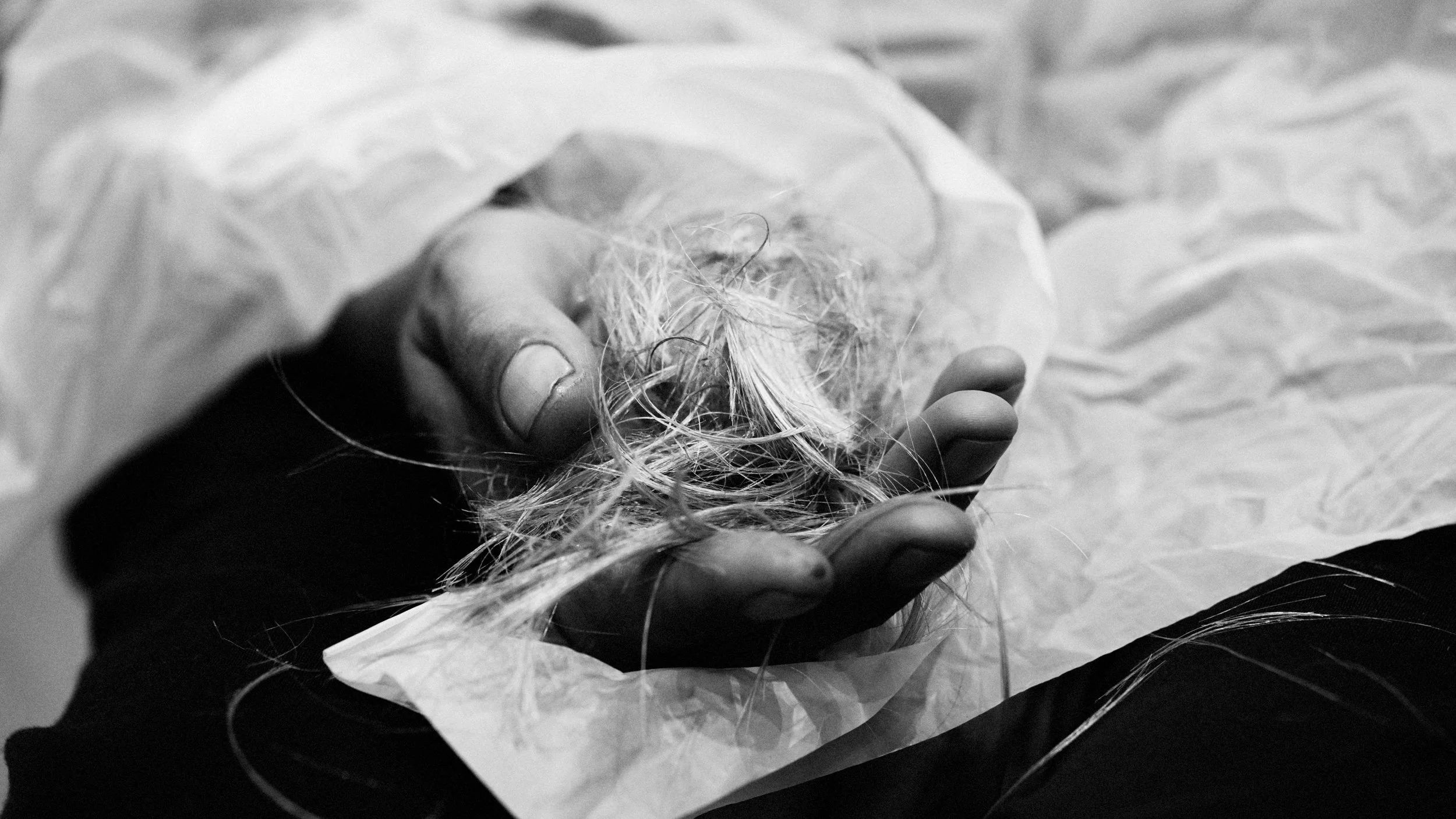
The starting point for me is that our homeless guests are human beings. There is so much out there that de-humanises homeless people. Offering haircuts, accompanied by images for the world to see, is one way of making a ‘humanising’ statement.
We create and work in a privileged industry, and, personally, I’d reached a point where I needed to put back, and be part of a community, especially in these times of division. Haircuts4Homeless gives me some kind of permission to try to understand humanity. I wanted to be part of something that had community, longevity, hope, change and future.
You have been documenting Haircuts4Homeless for several years now. What first drew you to the project, and how did the photography involvement begin?
I’d reached a point in my life where I was looking for a way to use my portrait skills to be able to put something back into the community. I’d seen Stewart Roberts at work on the project and I felt immediately drawn to his vision.
I really wanted to be involved in something that is long term, and the sessions are either monthly or every six weeks. There is no sign-up requirement for the guests, they know where the venue is, and it is always the same arrangement – a dedicated two-hour session.
Given that you come from a fashion and beauty photographic background, how does that influence your approach to this work?
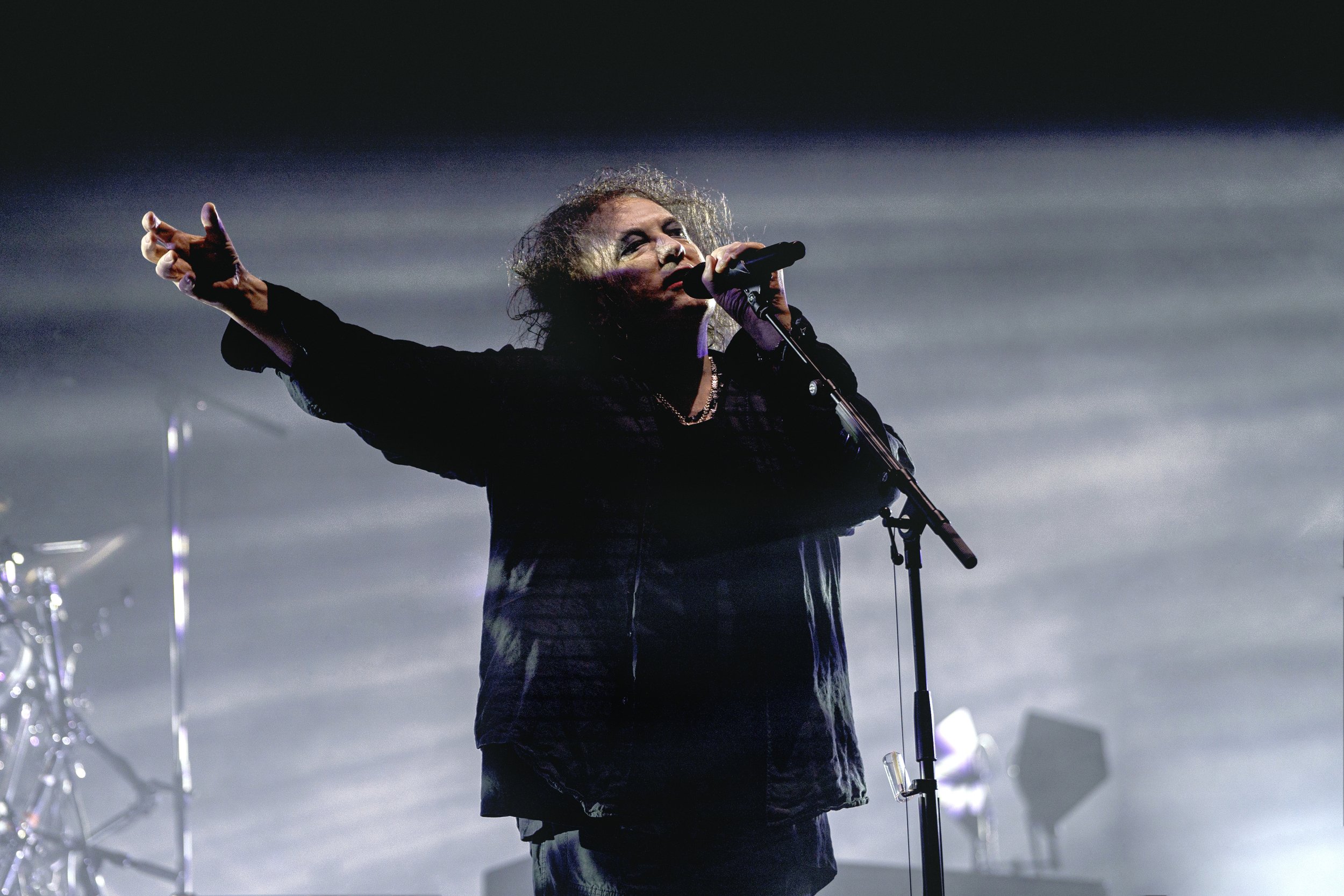
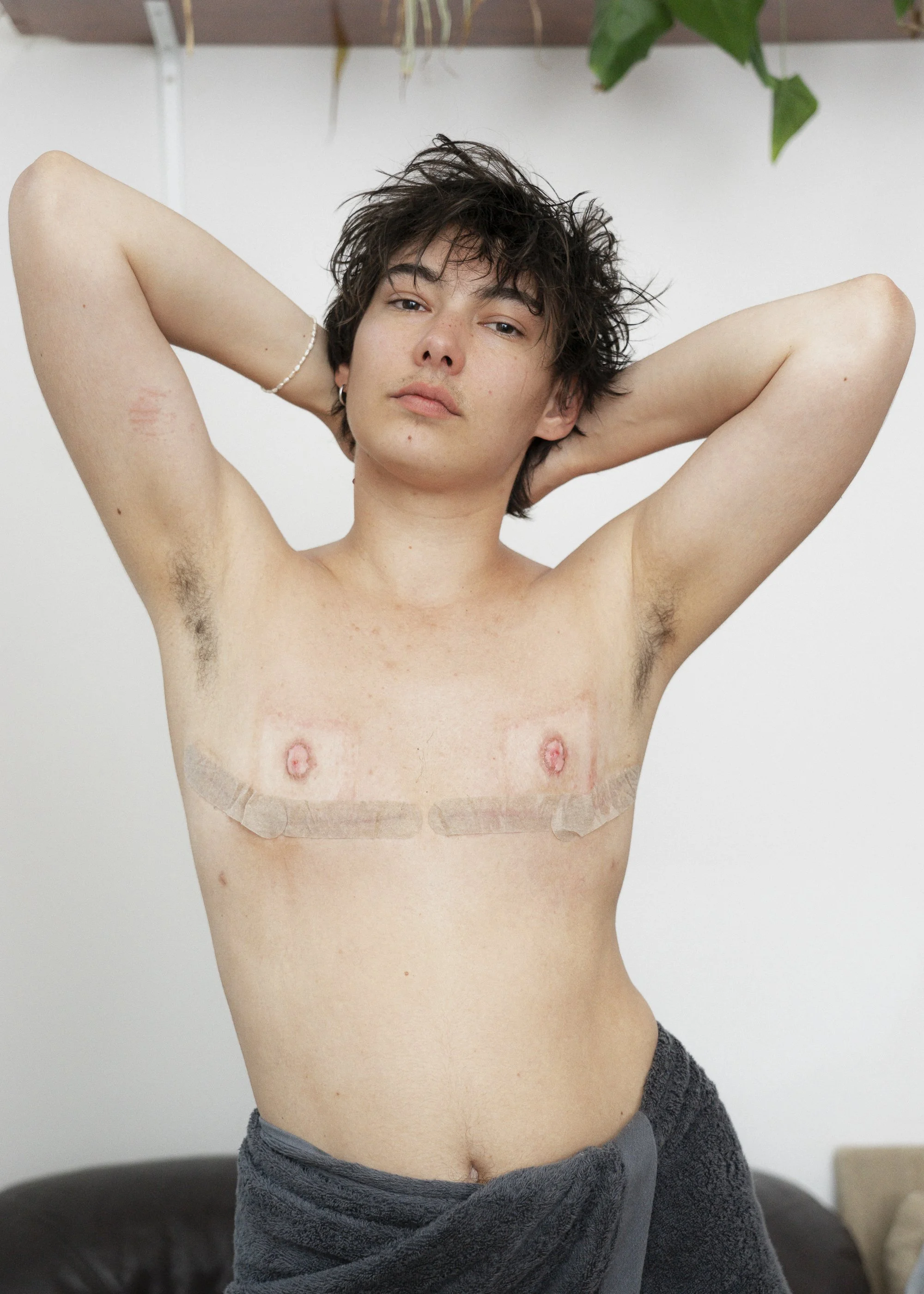
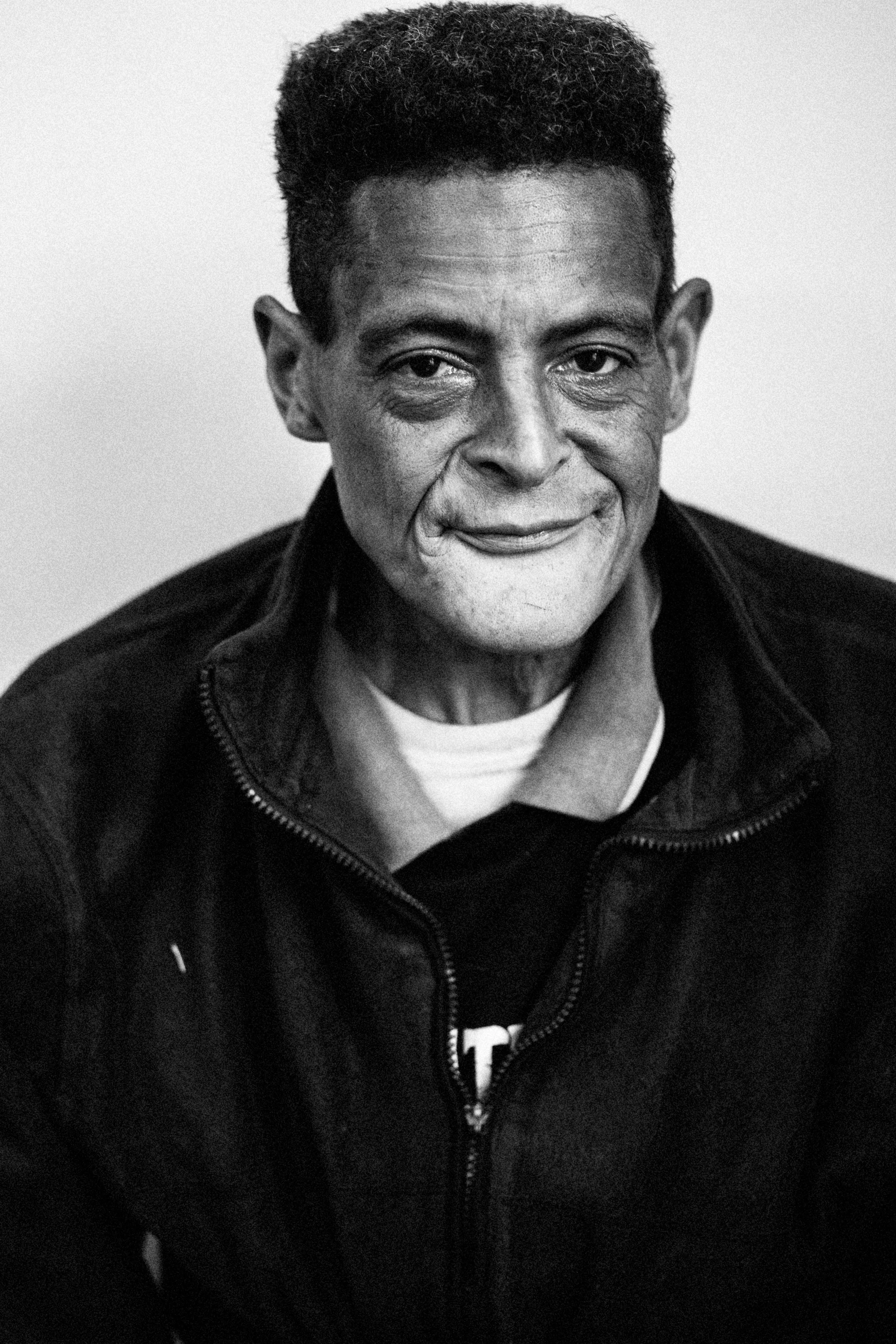
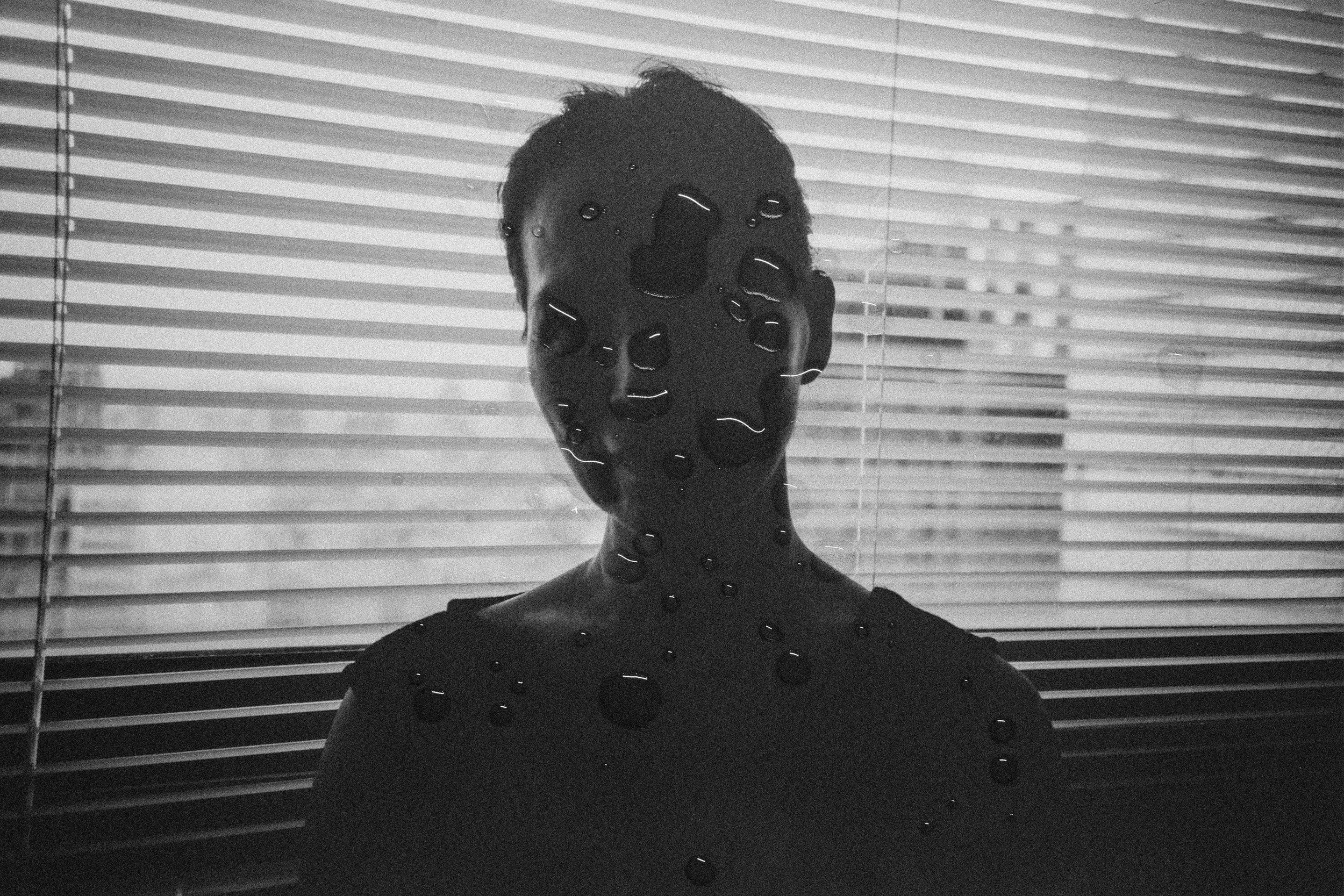
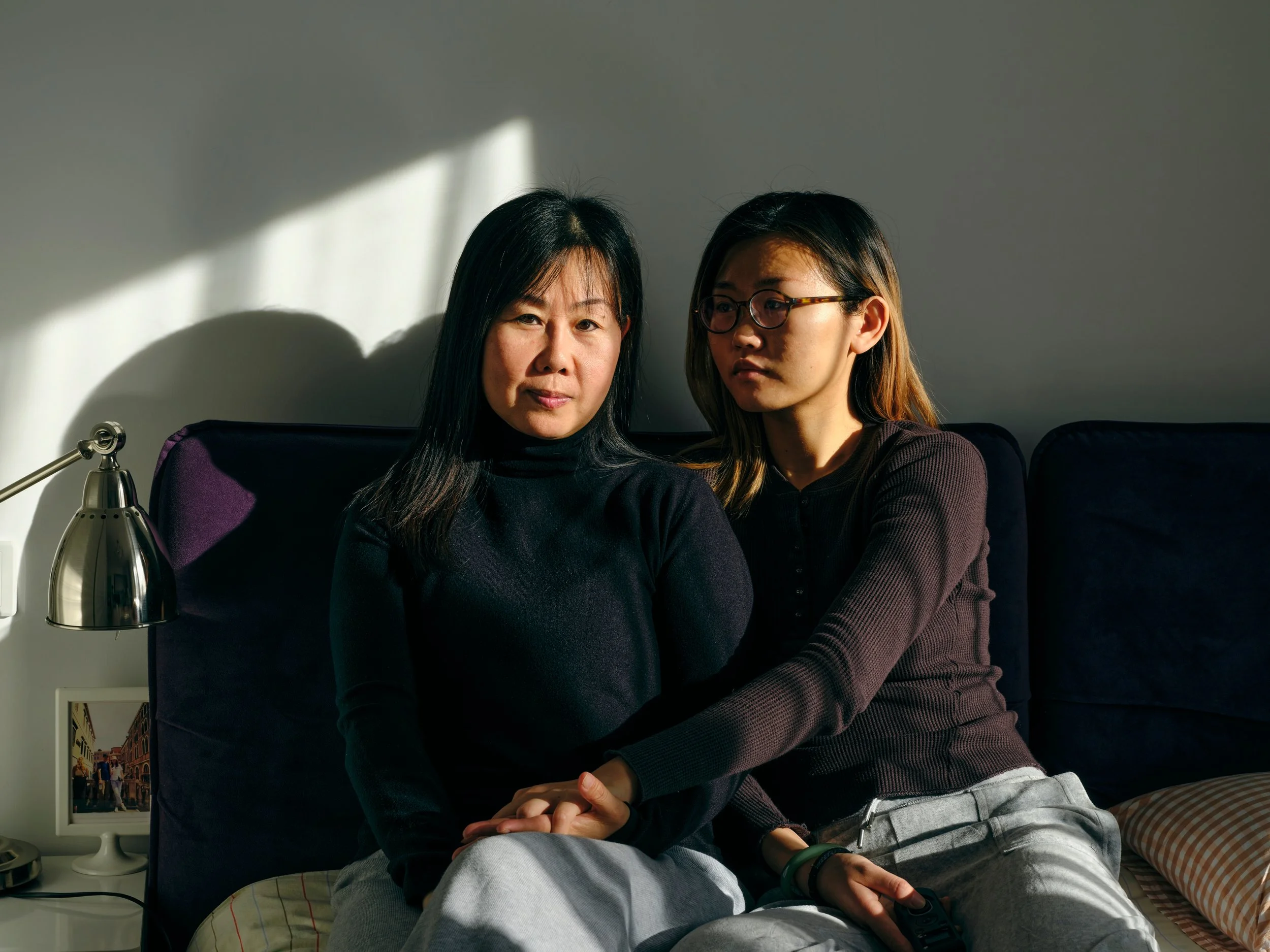
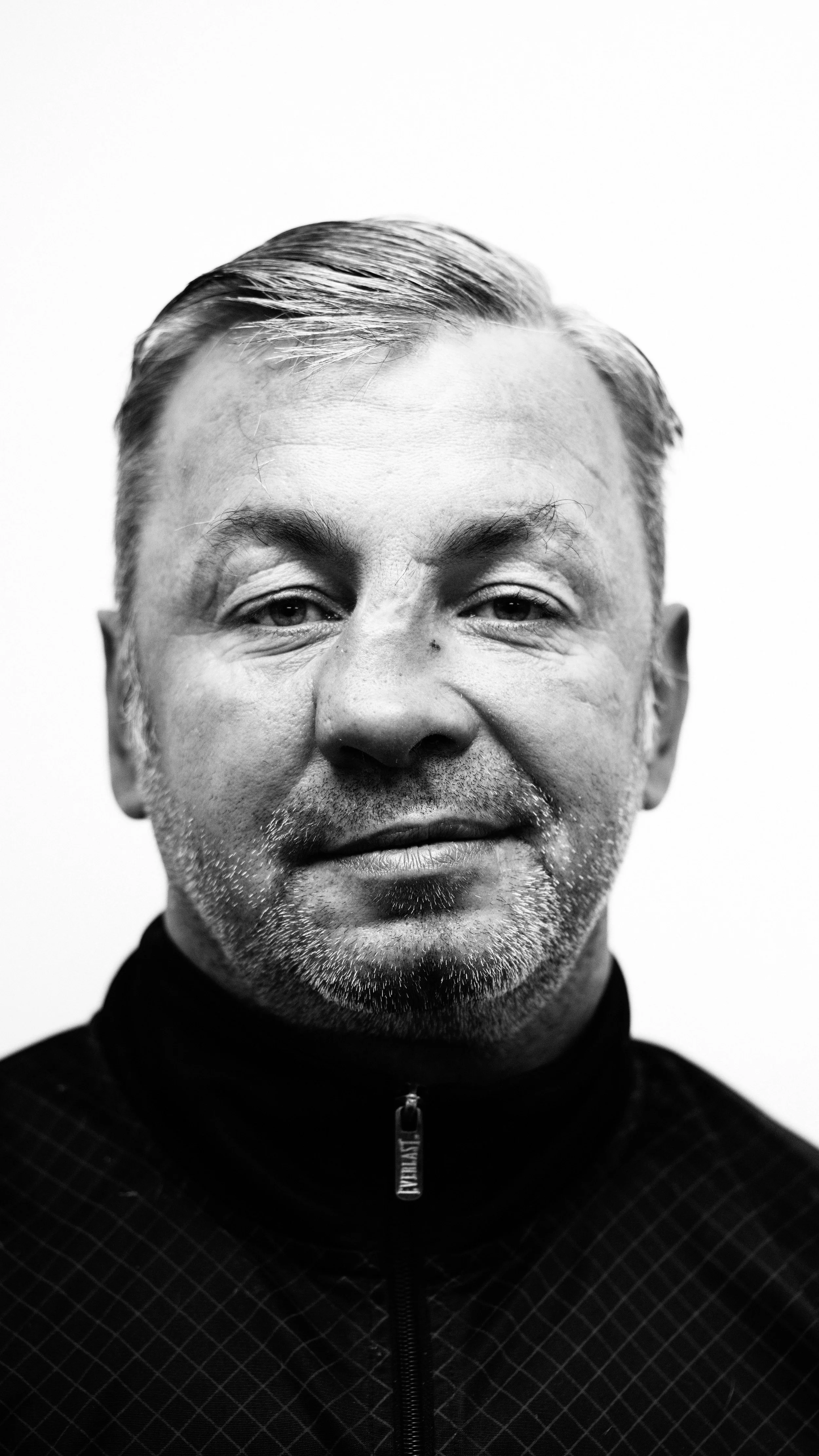
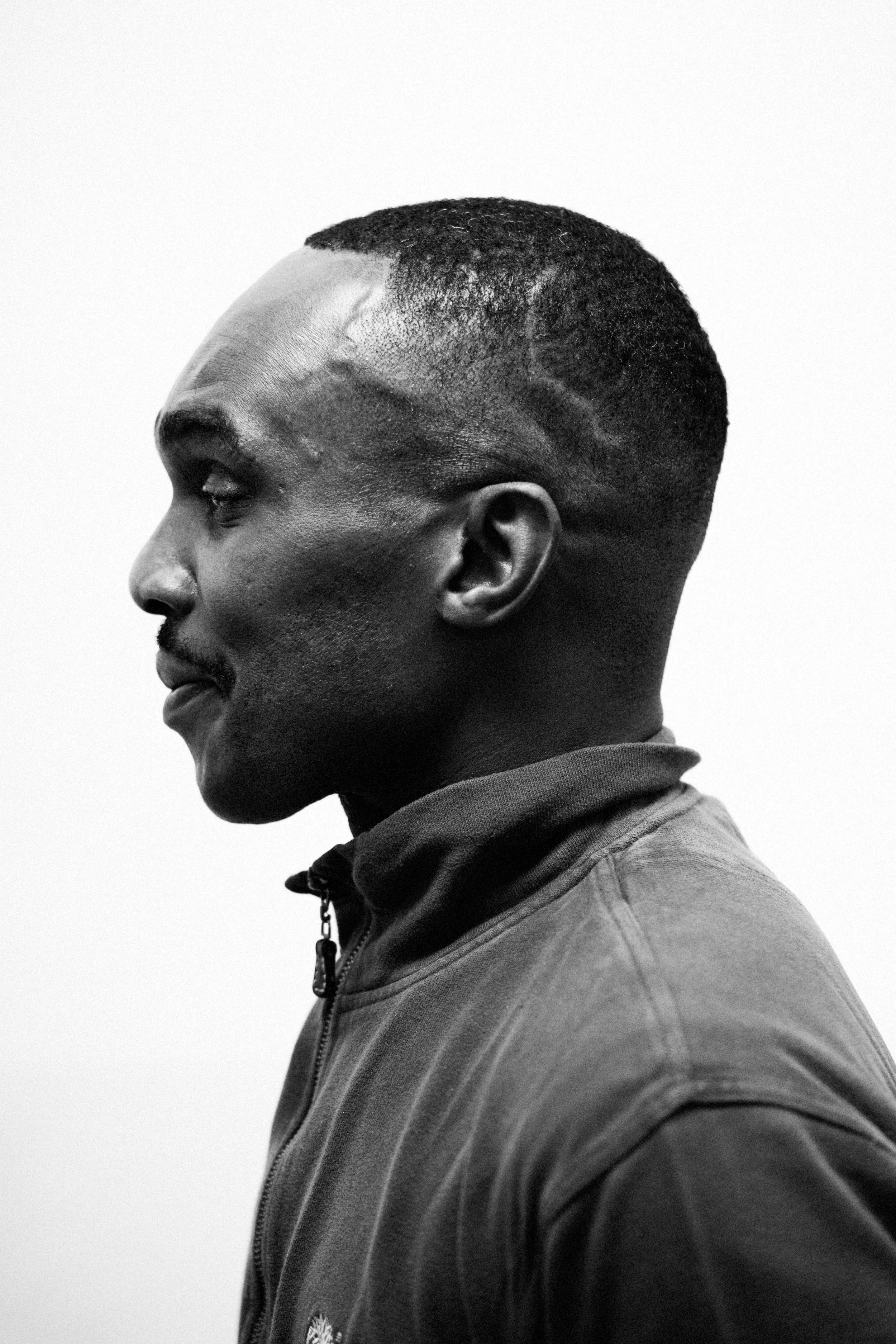
I ‘see’ the person in front of my camera, whether that is a fashion model or a homeless guest. There’s a triangulation. There are three people in a portrait. The guest, the eventual viewer of the photograph, and me. Recording people who don’t often get recorded adds an extra level of challenge. Creating work at the intersection of the personal and the political fascinates me. The camera changes the relationship. So, I seek to capture the reality of the person as opposed to the knee-jerk media view. I try to emphasise the fleeting moments.
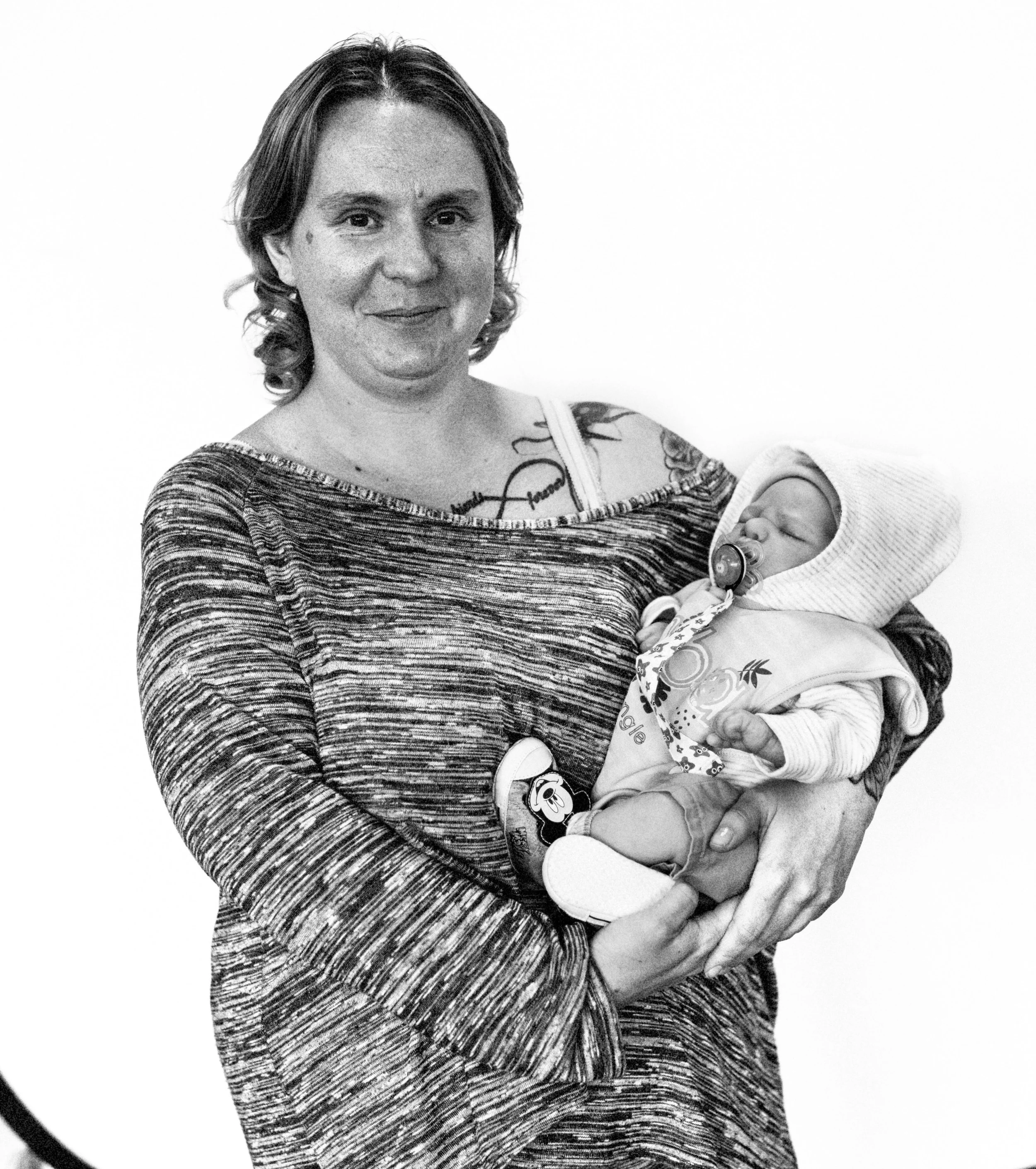
I shoot fashion-based beauty, and I try to reduce any visual distraction as much as possible. So, I like to shoot our guests in the Haircuts4Homeless sessions against a pop-up white or black background, which gives me a frame to work with. By doing this I can present the story of the guest in a clear, respectful and humanising way. The backdrop for a lot of the sessions travels with me. It gives a frame within a frame within a frame. If we don’t know what is happening outside the frame, we can go to lots of places in our heads. That was part of my role, we want no part of anything that could be called “poverty porn”. Humanising the imagery associated with the spectrum of homeless life is at the heart of all that Stewart and Belinda do. That is important to me.
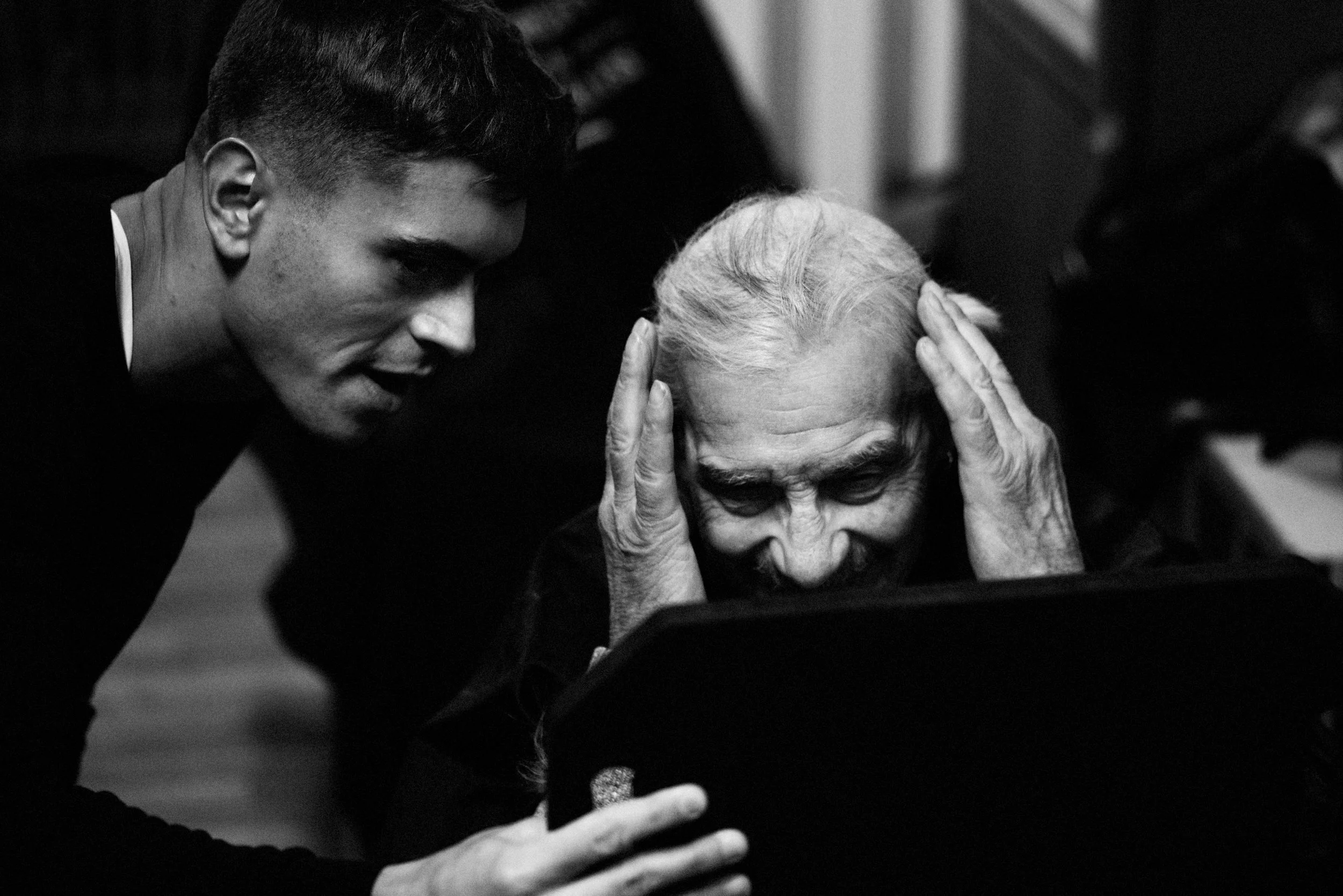
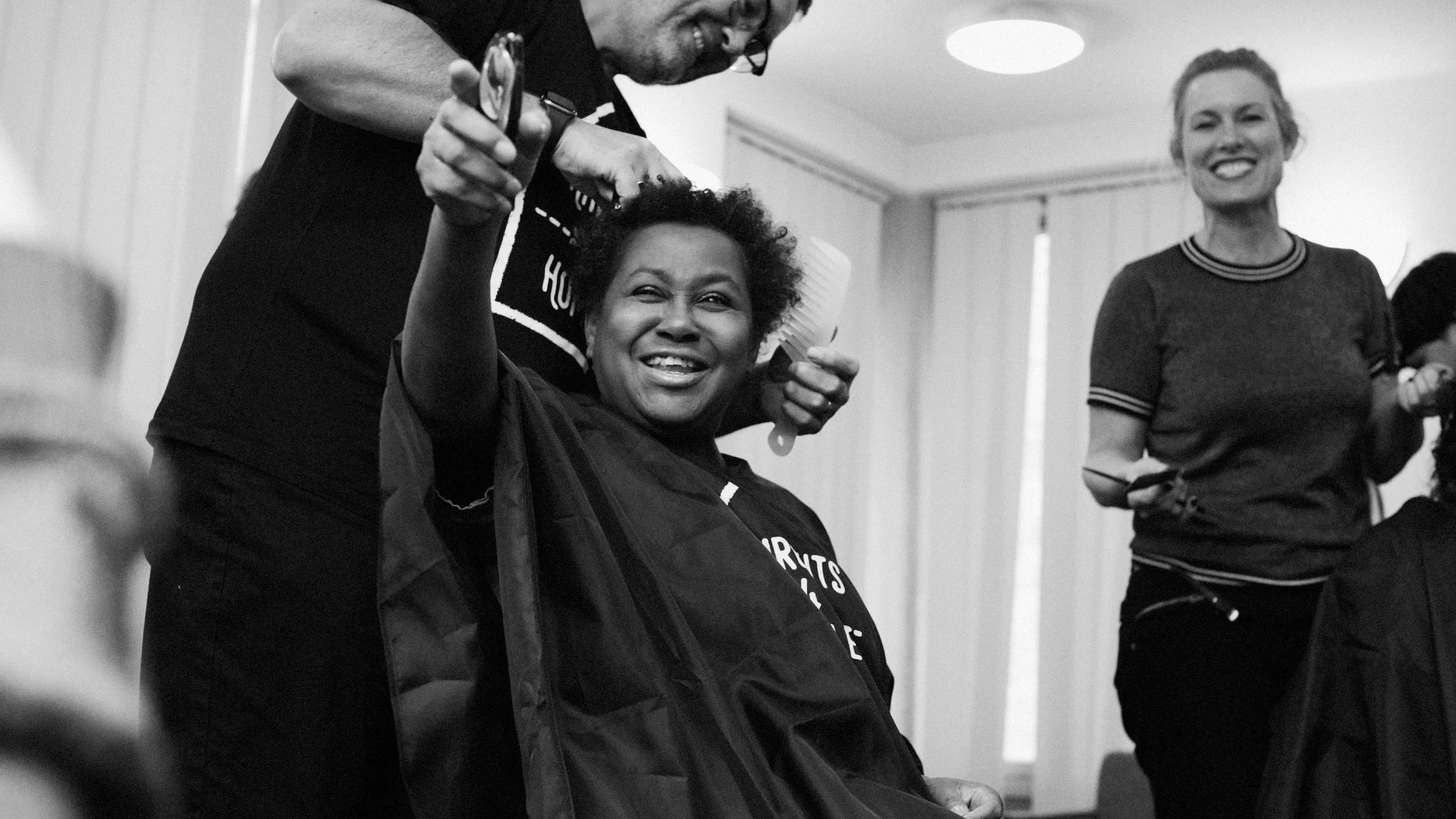
"Creating work at the intersection of the personal and the political fascinates me. The camera changes the relationship. So, I seek to capture the reality of the person as opposed to the knee-jerk media view."
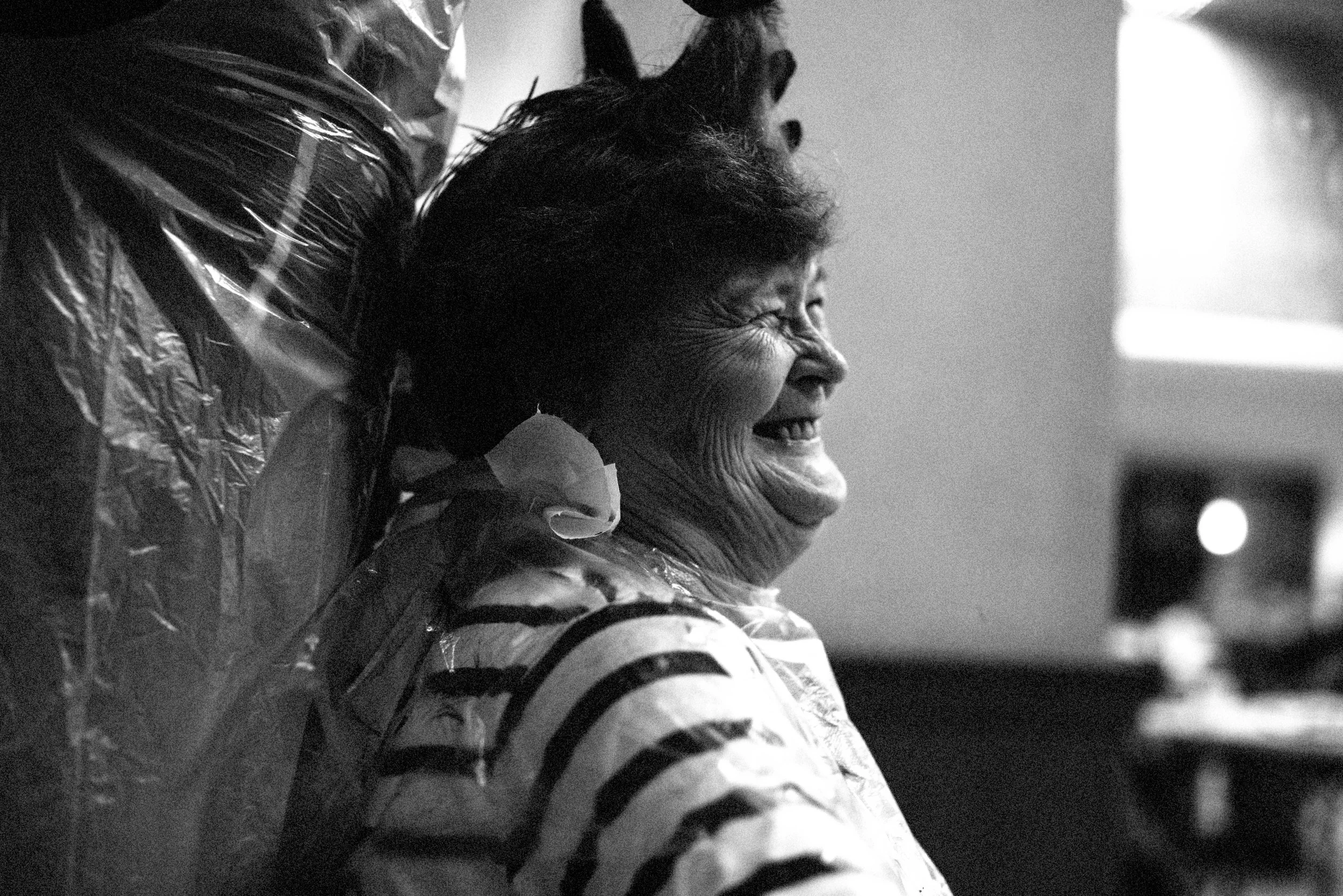
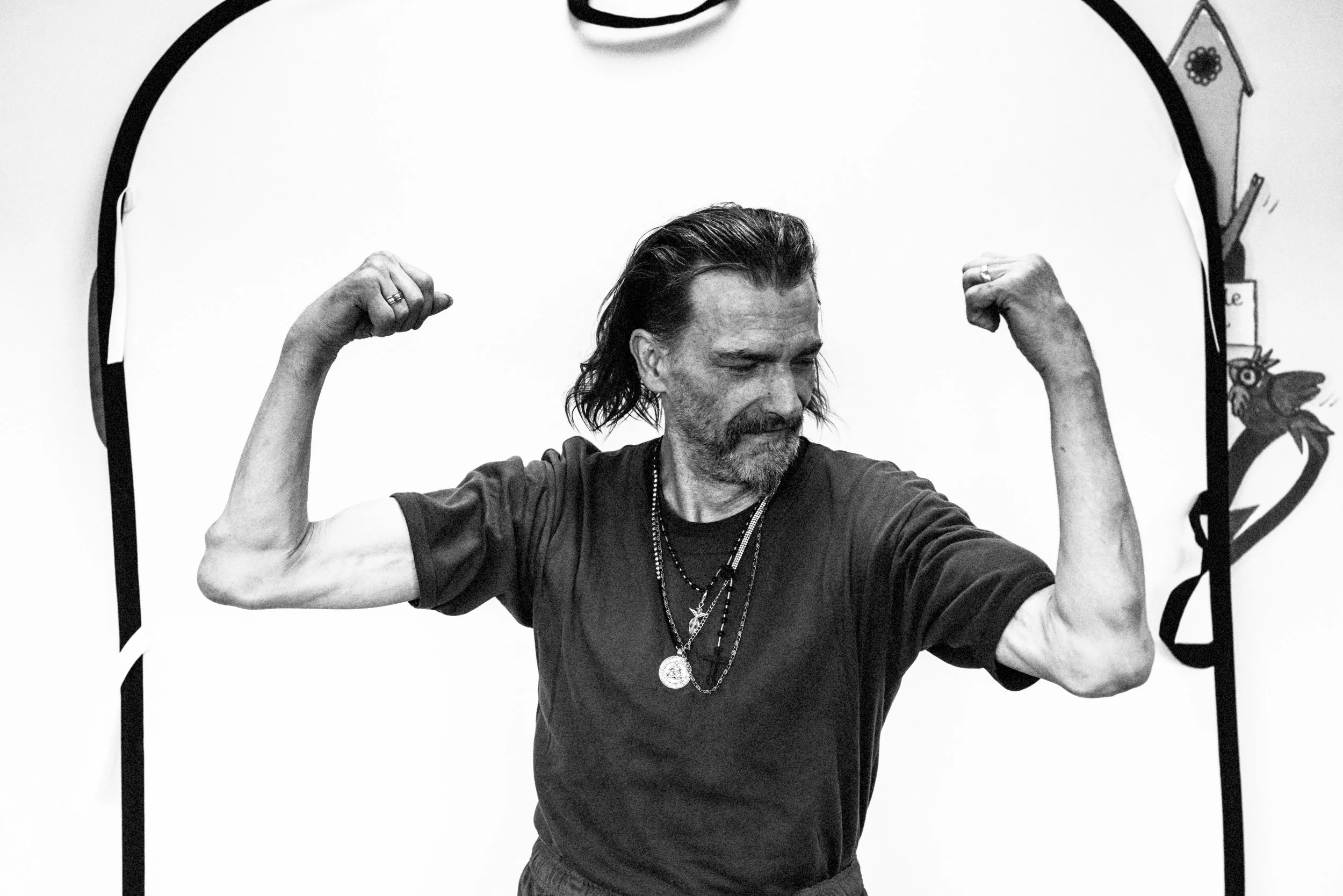
What did you observe while spending time at the Haircuts4Homeless sessions? Was there a story that impacted you the most?
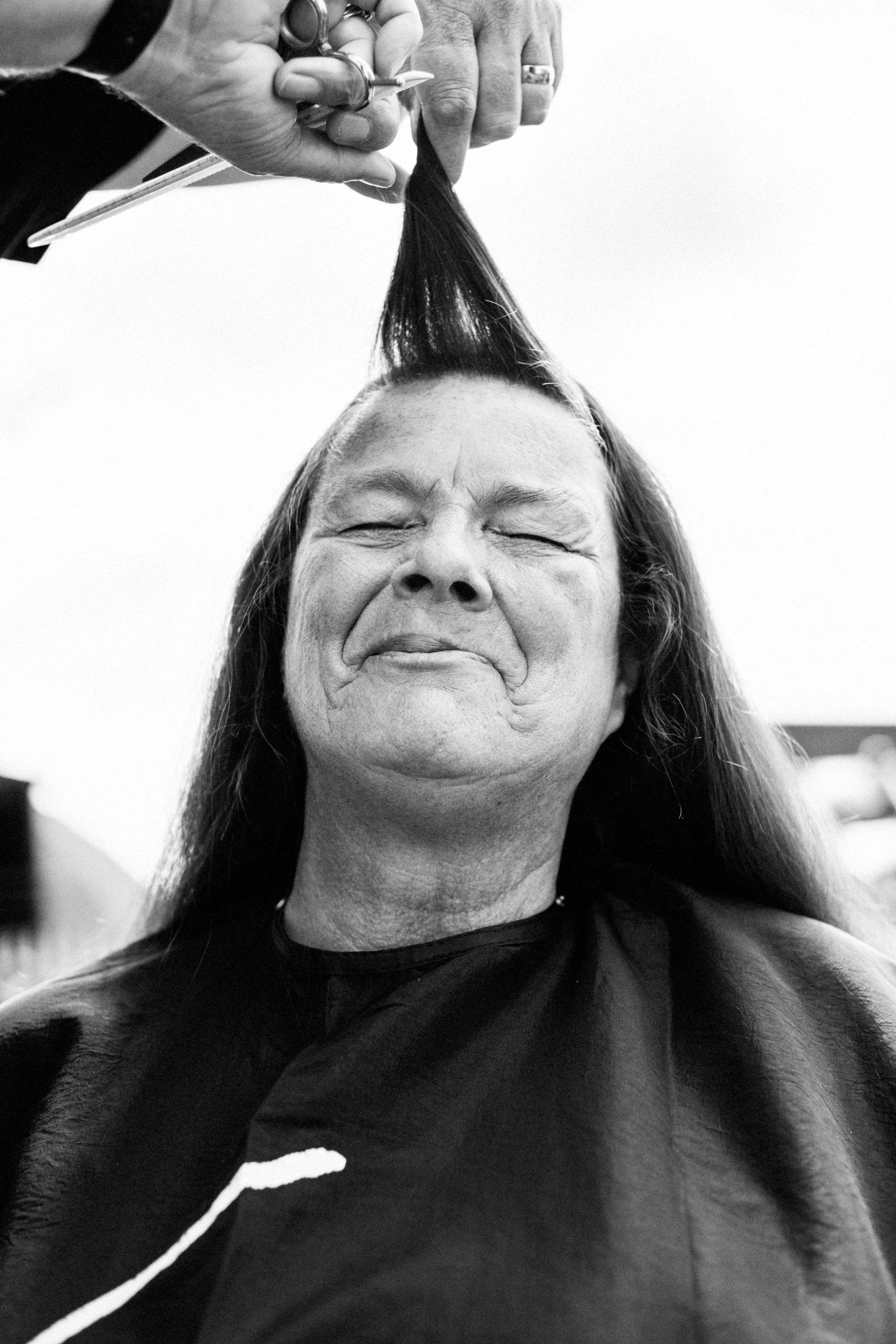
Good question! My first session was at a shelter in East London with Stewart. I didn’t take a single photograph during the two hours. I sat near a volunteer stylist who was cutting a guest’s hair. The guest told the hairdresser that he hadn’t seen his son for six years. He explained that he was off to see Social Services that afternoon for the final meeting to gain access to his child, and he wanted to have his hair cut in order to look his best. That moment will always live with me, especially as I have a son myself.
How do you approach photographing people in vulnerable situations while maintaining dignity and trust?
Again, I try to keep things very simple. Stewart’s sister, Belinda, will say hi to a guest, and gently ask if they are ok with some photographs being taken for the charity. If they say yes, she will get them to sign a release. Just as things happen in a studio, I have only one or two seconds to take all the information in that I need to be able to assess the best angles and to take this person’s image.
Sometimes, the guest may not have slept for days and not had anything to eat or drink in that time either, so I like to take time to create an arena where they will feel relaxed enough to have their photograph taken.
There is a sense of loyalty, and human exchange, with the guests that I always want to honour. There is a deliberate abstraction with the images, a reduction. The spectrum of humanity happens in most sessions, from laugh-out-loud humour to the range of emotions that reflect the extreme stress factors in the lives of the guests. I hope to capture this range, with stillness and love.
How important have partnerships, such as those with Capture One or the British Beauty Council, been in developing and sharing this project?
Capture One spoke with me over a year ago, and it was important for them to understand the sensitivities surrounding the lives of the guests, and the work that Stewart and the charity’s volunteers do. Taus from Capture One clearly understood all this from the very start, so I introduced him to Stewart and it went from there.
Millie Kendall and Andrew Perera have both been incredibly supportive, and very present, pretty much from the time the charity started. They were involved even before I was.
Another key person in the team is Nicky Pope, whose marvelous work often goes under the radar.
"I find that the change of perspective after each session can last days, often weeks. That never seems to change, and that is an affirming part of doing the sessions. The people and the project give me a strong sense of meaning and purpose."
After all those years of working on this, what has stayed with you the most?
I find that the change of perspective after each session can last days, often weeks. That never seems to change, and that is an affirming part of doing the sessions. The people and the project, and Stewart himself, give me a strong sense of meaning and purpose. I am grateful for this. In a world where so much is temporary, H4H represents a key source of fulfilment.
What do you hope audiences take away from SEEN and the wider project?
We want people to feel more of a sense of connection with each other and with those who are going through hard times in their lives. We would like audiences to acknowledge that often there are such fine lines in life. Also, the charity does need financial support to be able to keep doing the incredible work it does, there are significant costs for Stewart and Belinda to keep doing what they do. The book, HEAR ME SEE ME, has been a huge success, and we want to build on that, both in terms of awareness and in financial support for the charity.
Photographer Jack Eames & Haircuts4Homeless Founder Stewart Roberts MBE present: ‘SEEN’.
An exhibition for Haircuts4Homeless, sharing the incredible impact of the charity’s work in making the homeless community feel SEEN. The exhibition will be open to the public 14th-16th April in London.
Made possible with the generous support of CaptureOne.
Private View: 6 - 9pm Monday, April 13, 2026. Guest speaker Sam McKnight MBE.
Coningsby Gallery, 30 Tottenham Street, London W1T 4RJ
About Jack
Award winning hair and beauty photographer Jack Eames works across the UK and internationally for commercial and editorial projects. He places great importance on building long-lasting and authentic relationships with all of his clients, and across his years of experience he has developed a reputation for his excellence, innovation and attention to detail in his beauty photography.
With a career in beauty photography spanning 16 years, Jack has built a vast portfolio of commercial and personal work. As well as guest lecturing on photography for Central Saint Martins, shooting the cover of AoP magazine and working for prominent industry clients such as Wella and Vogue Jack has recently published a book of his personal photo documentary project with UK charity, Haircuts4Homeless who work to provide practical care for those experiencing homelessness.
Jack’s list of clients encompasses brands such as Balmain, Babyliss Pro, Coca Cola, Garnier, L’Oreal, Liberty of London, Tangle Teezer, Toni & Guy, Tresemme, Schwarzkopf, Saatchi & Saatchi, Vogue, and Wella.
To see more of his work, visit his website or follow him on Instagram
READ NEXT