Breaking Point
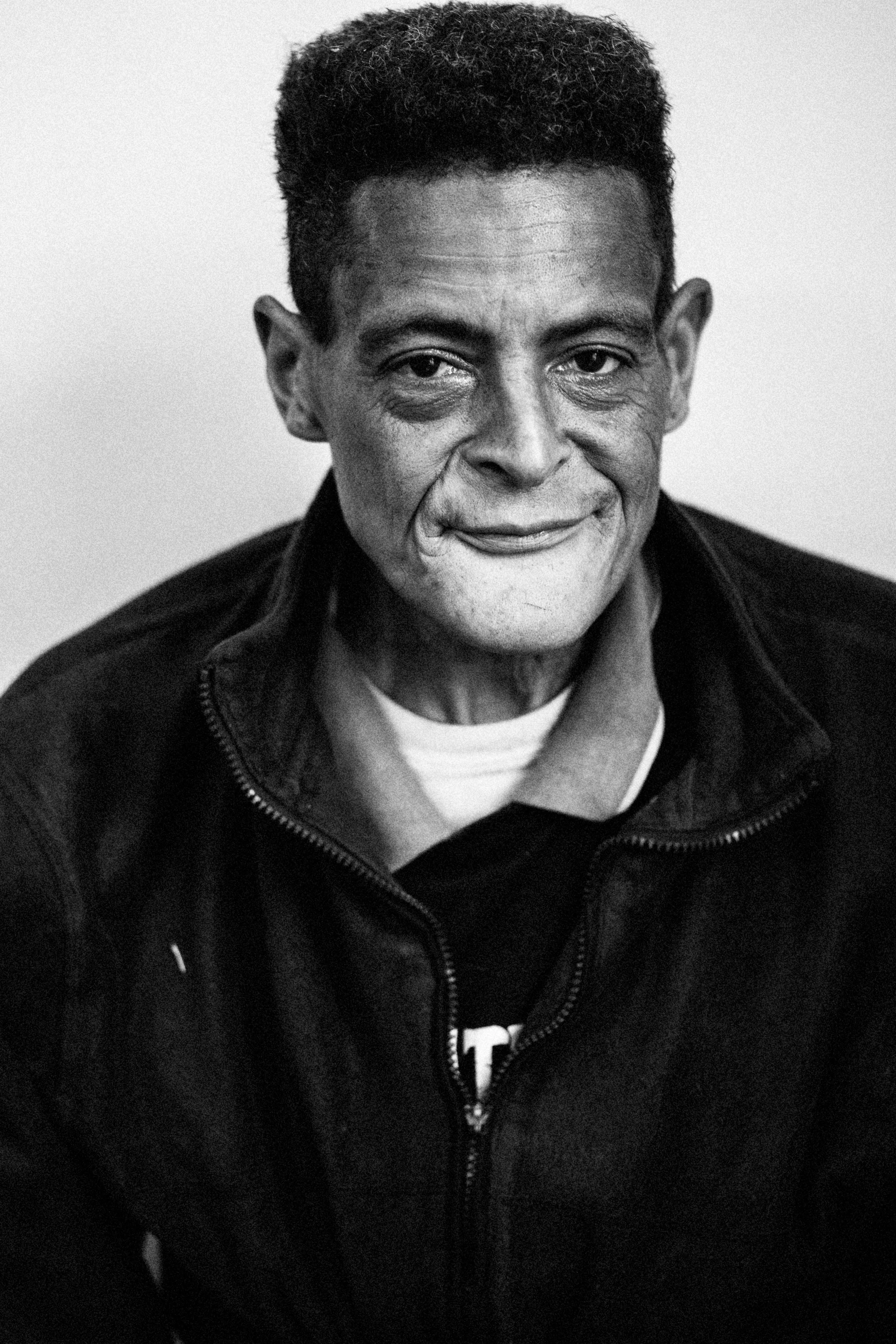
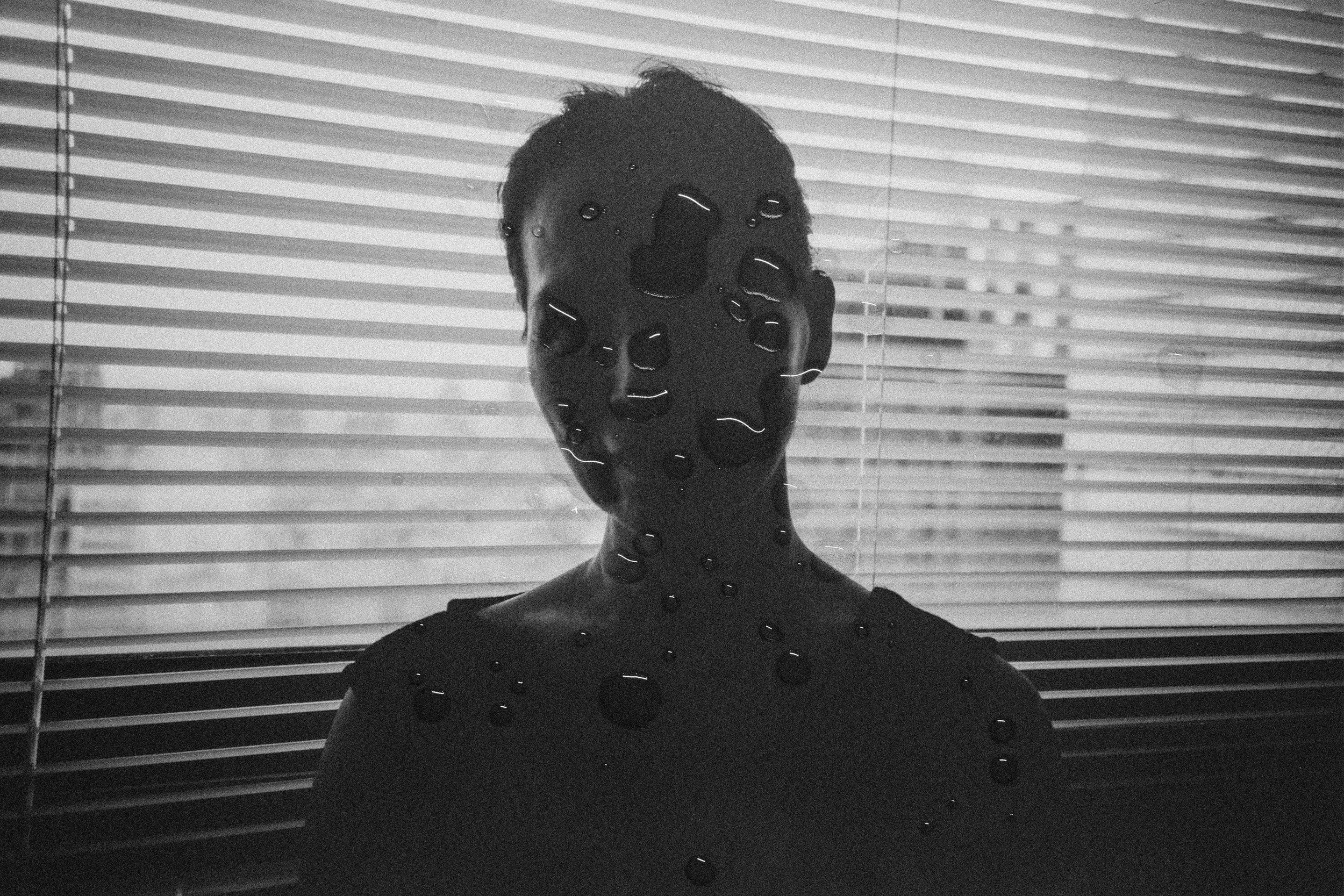
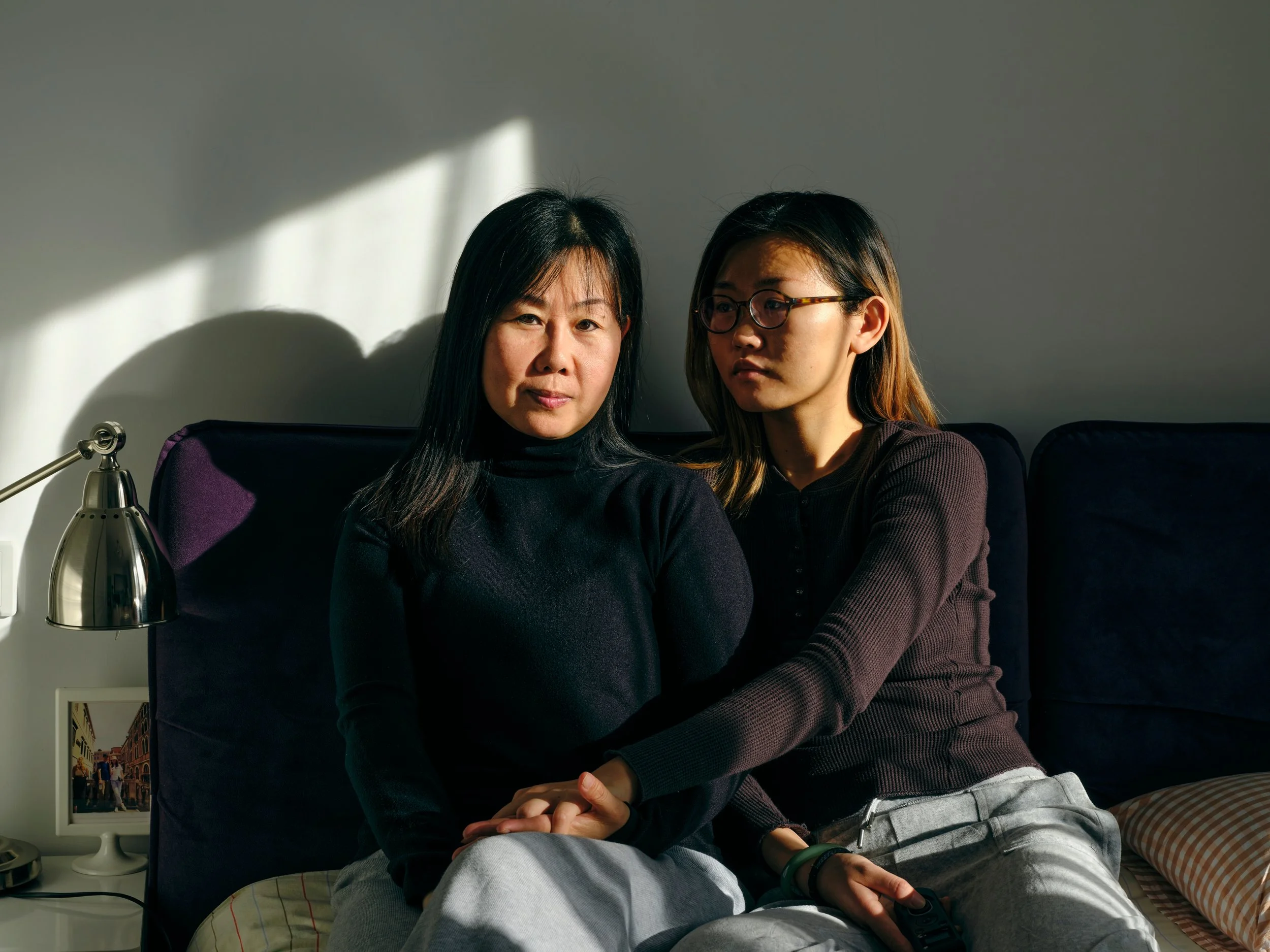
Why would someone confess to a crime they never committed? In this powerful photobook, Robin Dahlberg collaborates with six exonerees to uncover the hidden realities of coercive police interrogations. Through striking portraits and firsthand testimonies, the book exposes the psychological pressures that led innocent people to confess, revealing a justice system where truth can be dangerously fragile.
Photography Robin Dahlberg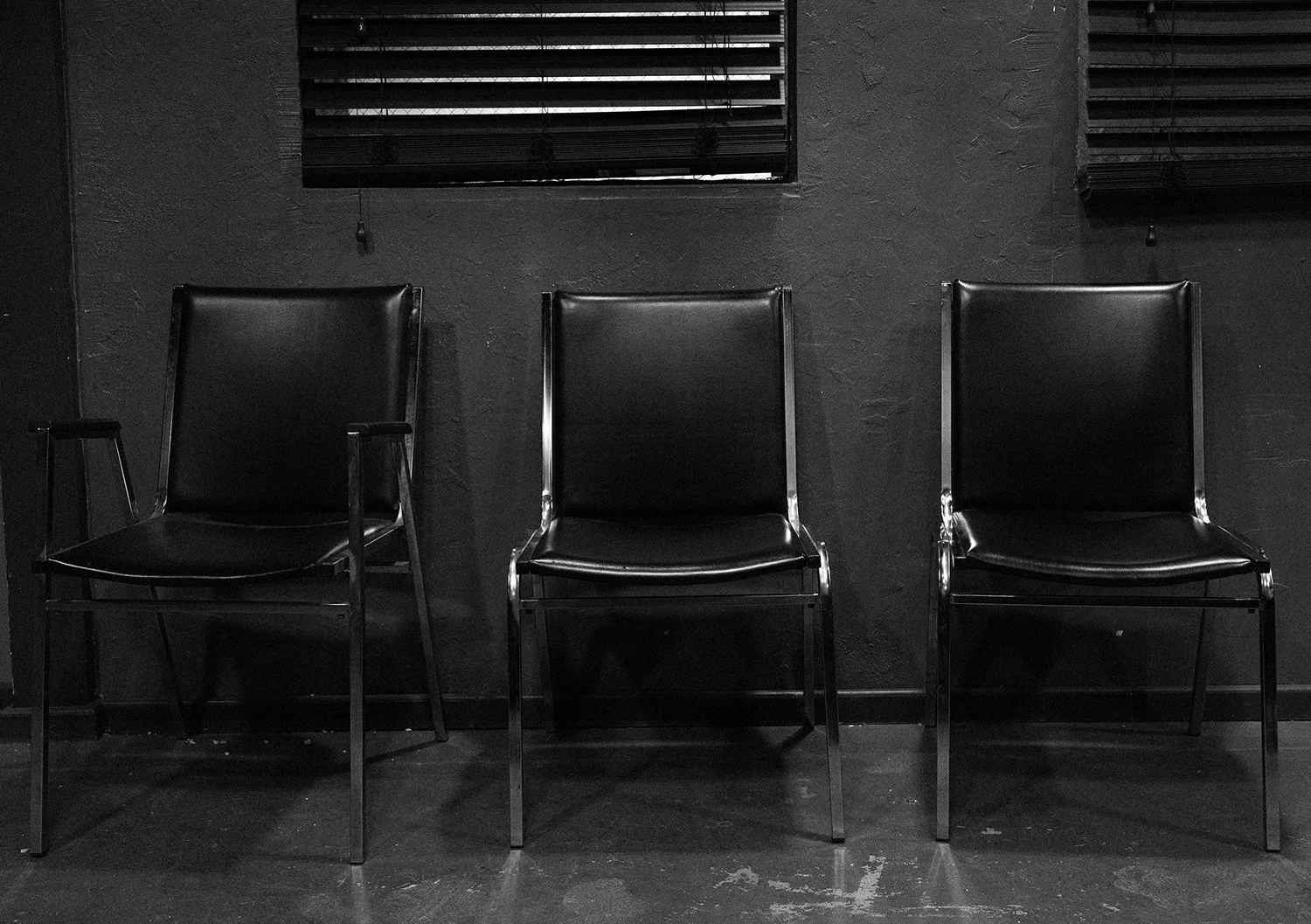
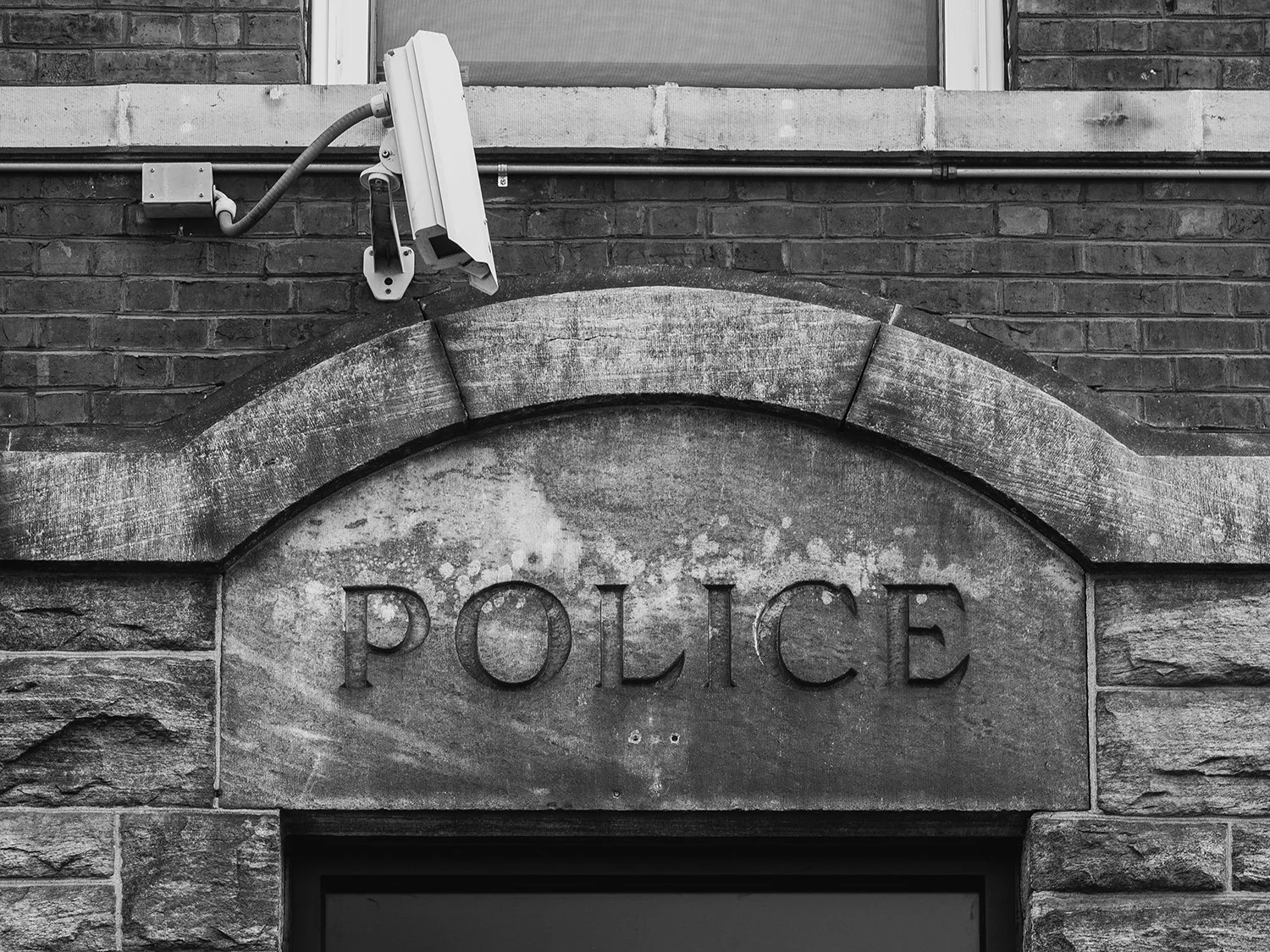
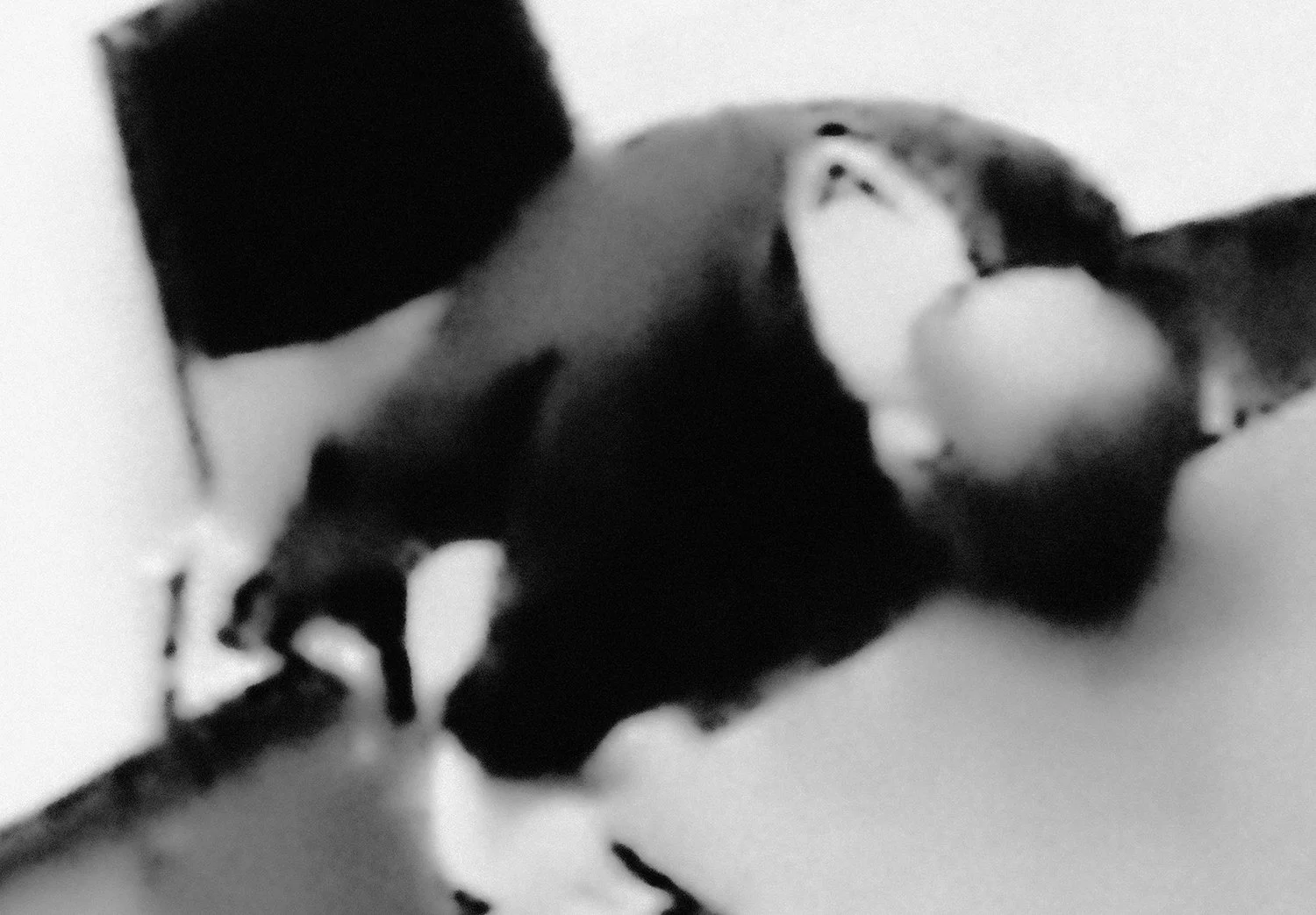
This book investigates law enforcement overreach in the criminal justice system, bringing readers inside the interrogation room to witness how these confessions unfold.
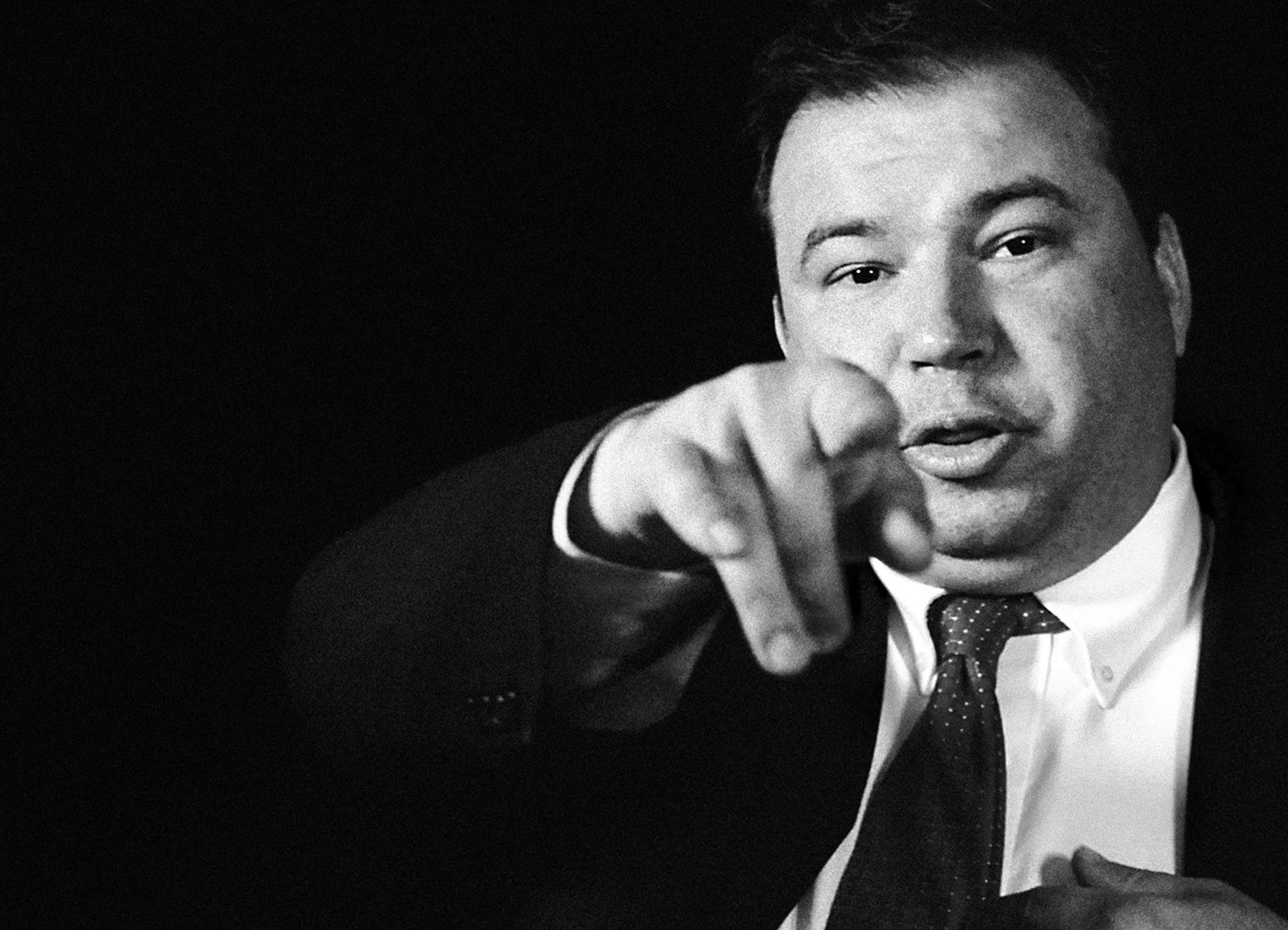
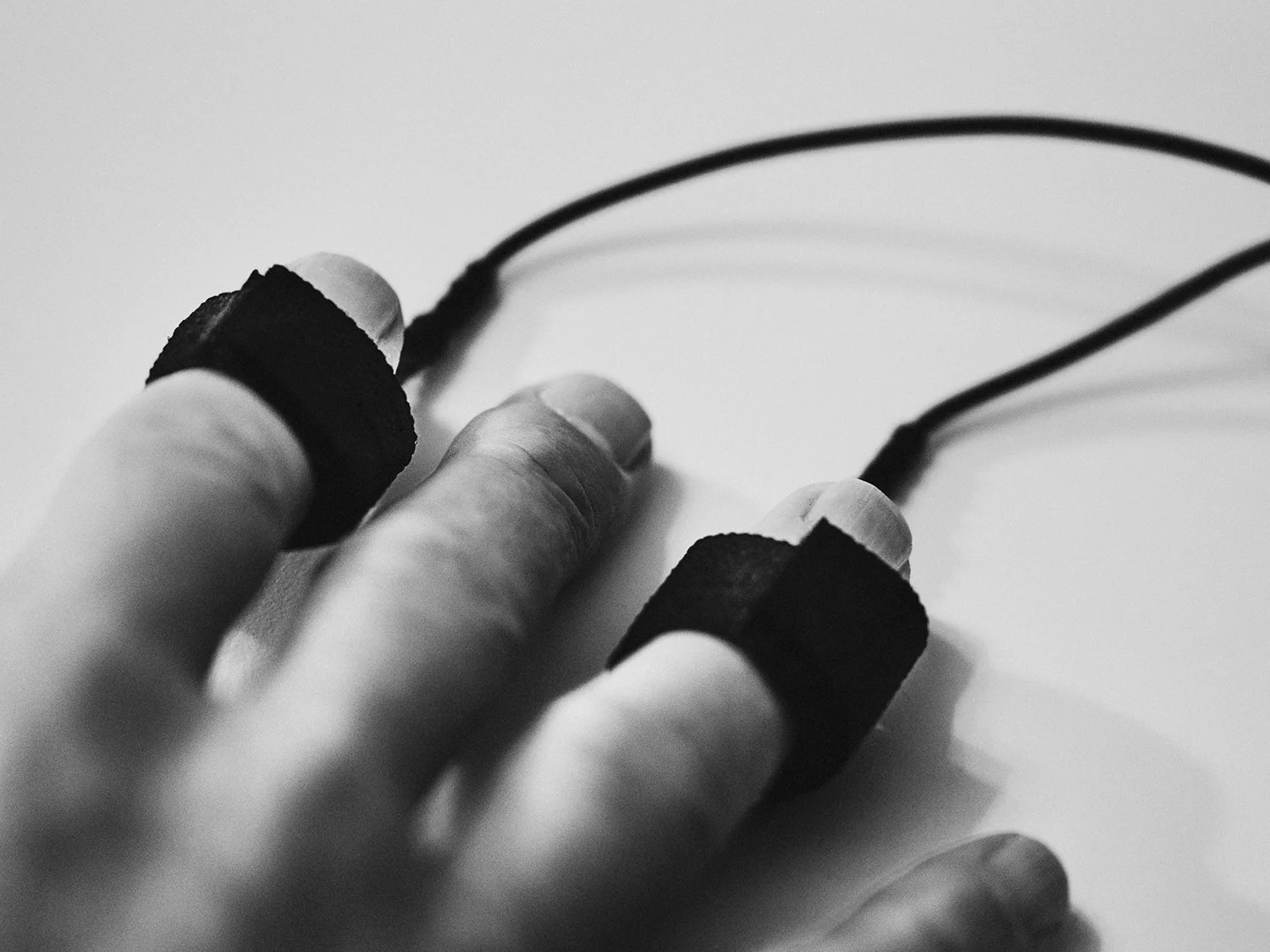
Jeffrey Deskovic, as a sixteen-year-old high school student in Peekskill, New York, falsely confessed to the 1989 murder of a classmate after police officers told him he had failed three bogus polygraph examinations and threatened him with violence. He spent sixteen years in prison before DNA analysis exonerated him and identified the real perpetrator.
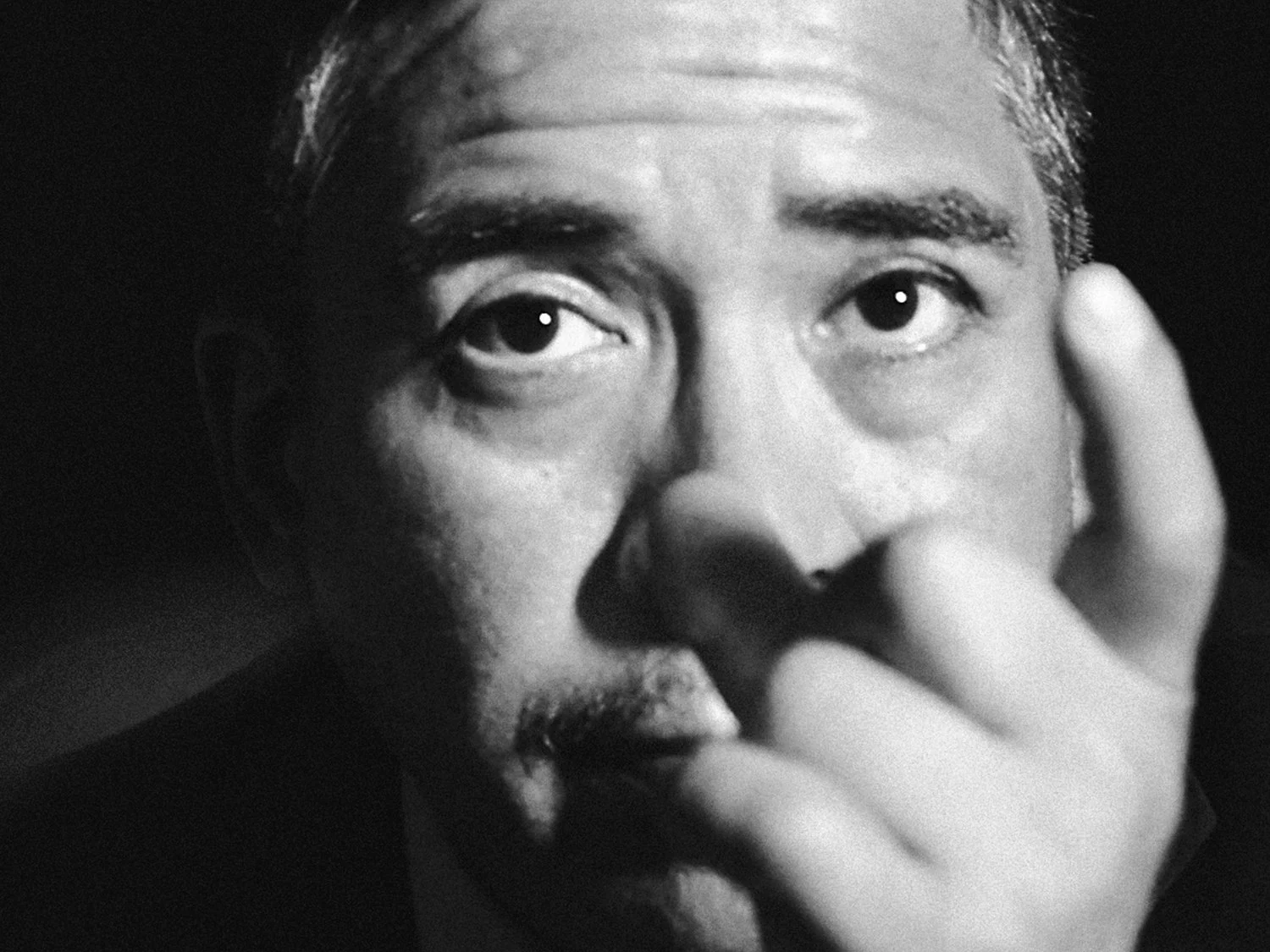
Christopher Ochoa, as a twenty-two-year-old employee at a pizza restaurant, falsely confessed to the 1988 rape and murder of a young woman in Austin, Texas. During a two-day interrogation, detectives screamed at him, threatened him with the death penalty and sexual violence, and denied him access to a lawyer. After twelve years in prison, Ochoa was exonerated when DNA testing identified the real perpetrator.
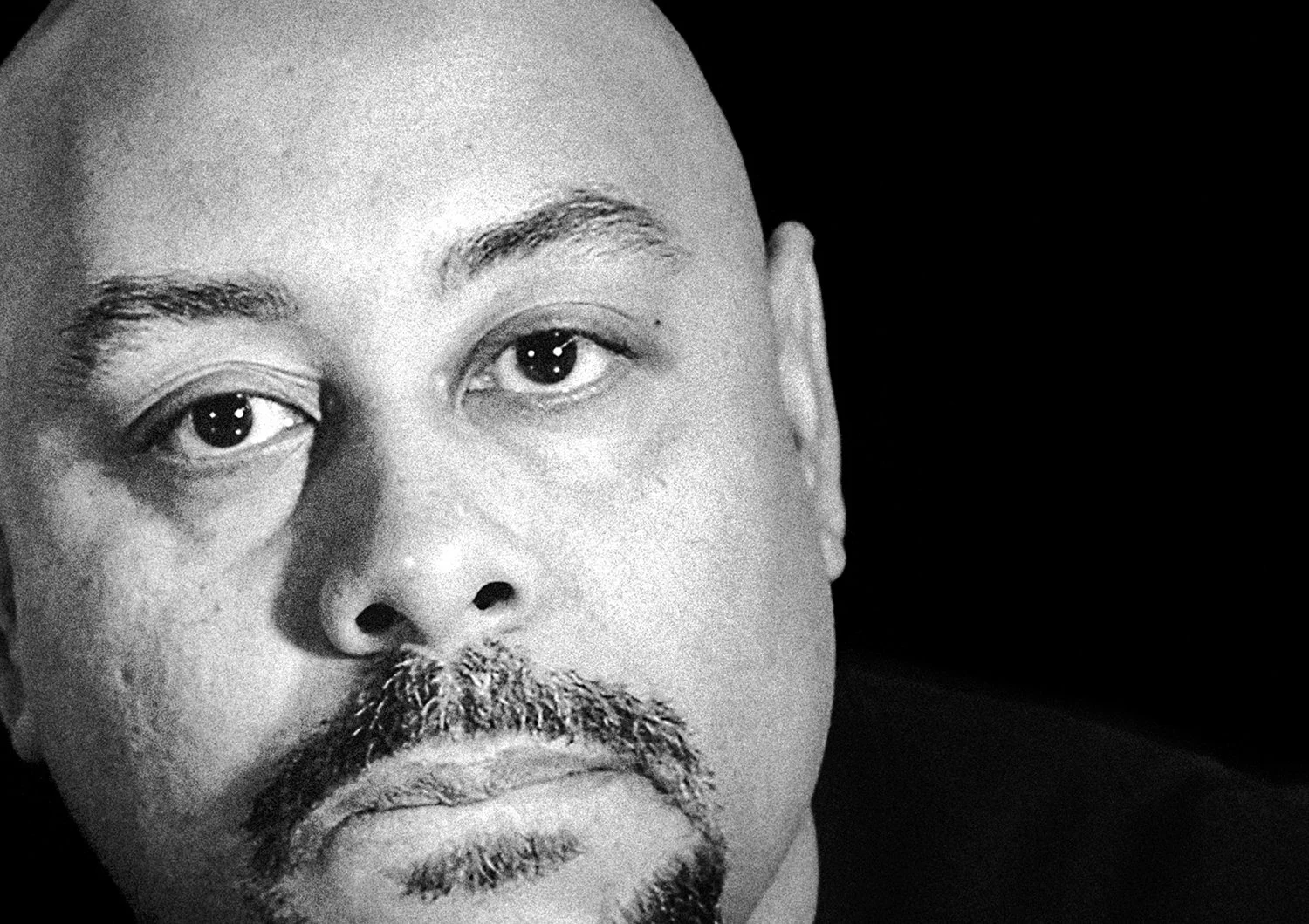
Raymond Santana falsely confessed at the age of fourteen to participating in the 1989 rape of a jogger in New York City’s Central Park. He was subjected to more than fifteen hours of interrogation involving threats and intimidation. He spent five years in prison before DNA evidence and a confession by the true perpetrator led to his exoneration.
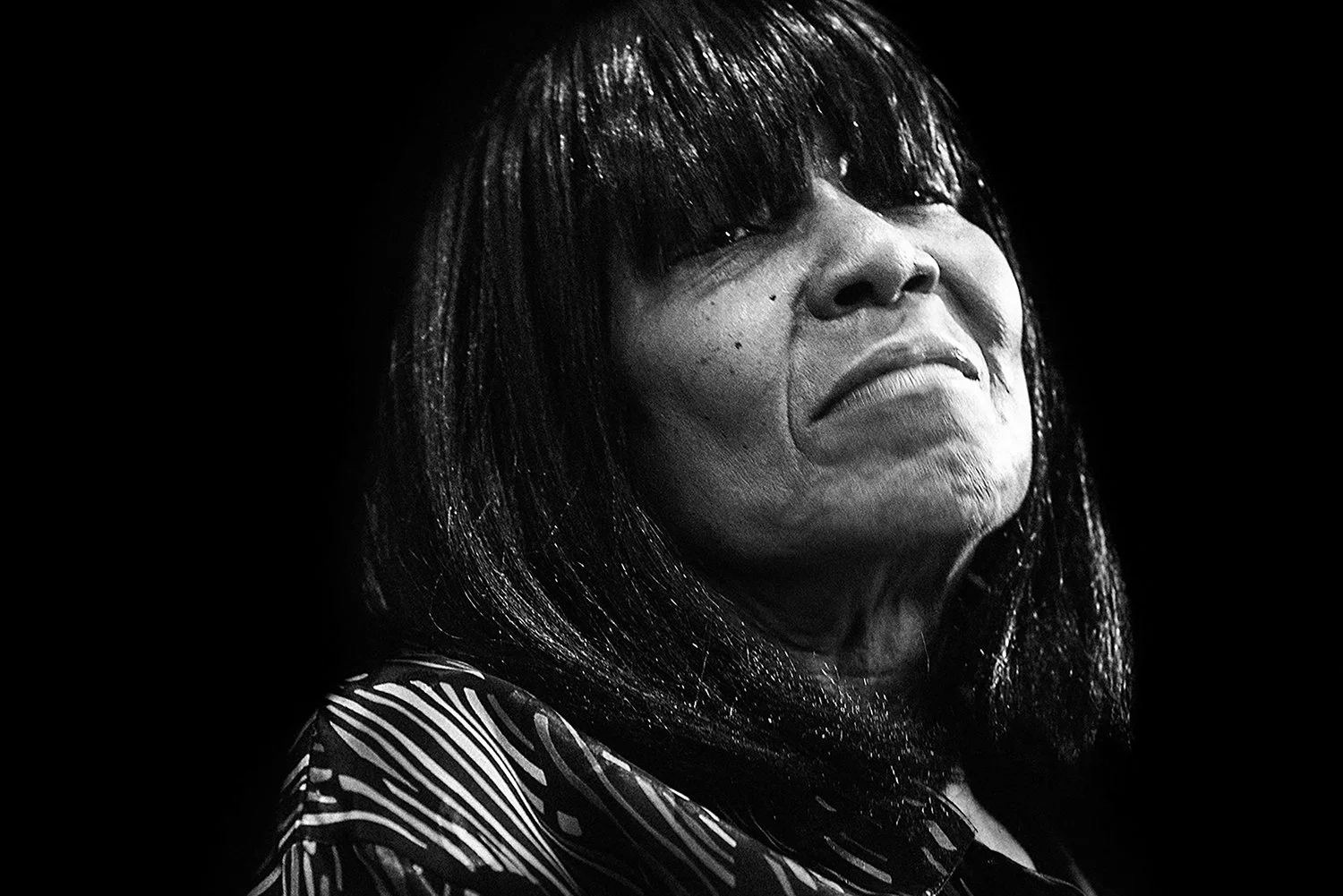
Vanessa Gathers, as a thirty-four-year-old New York City employee, falsely confessed to participating in an assault and robbery during a 1998 interrogation in which a detective yelled, screamed, and threatened her with his firearm. She was wrongfully convicted and spent ten years in prison. Her conviction was later vacated after prosecutors determined that her confession was false and the interrogation involved coercive and unethical conduct.
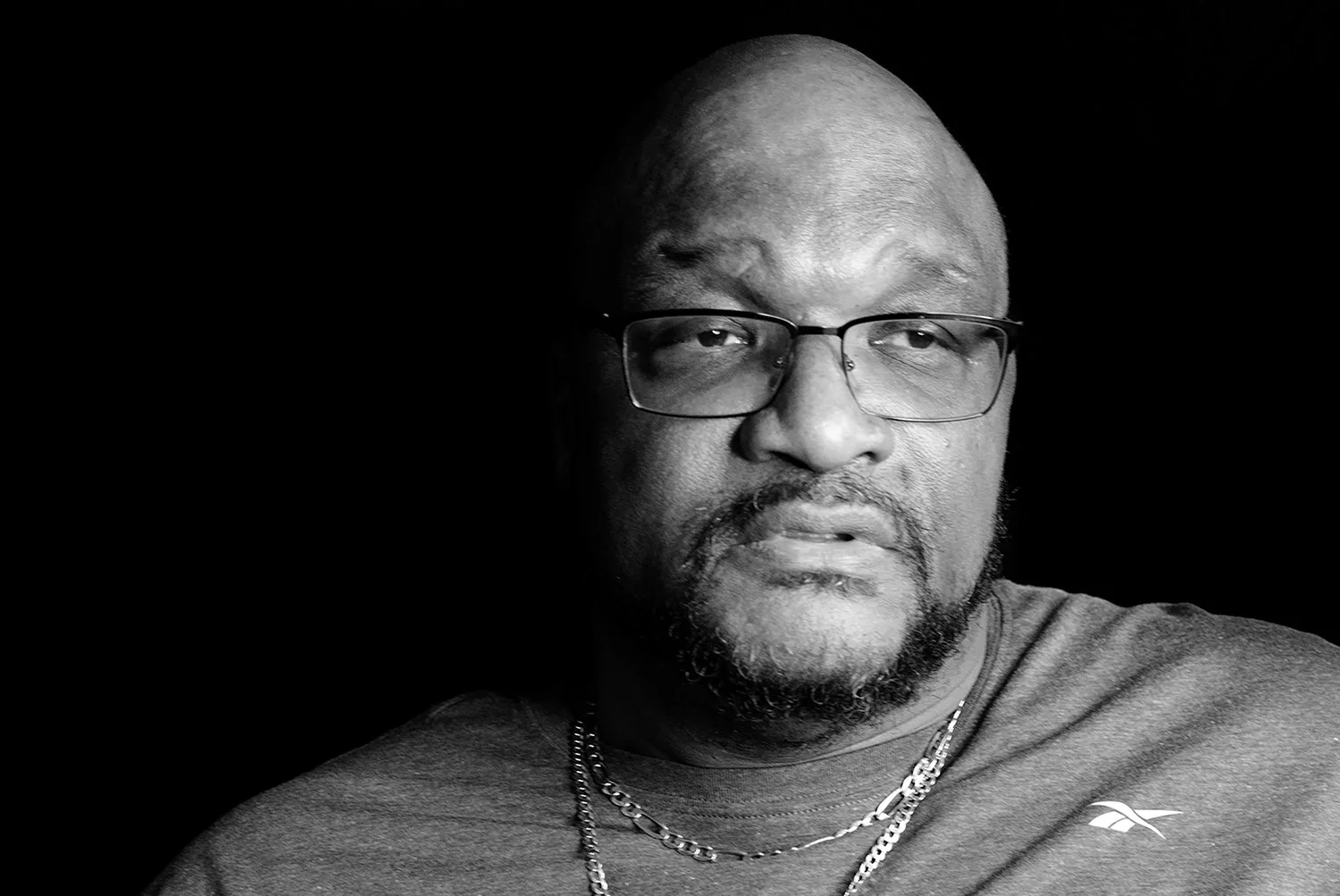
Byron Halsey, as a twenty-four-year-old with a sixth-grade education, was interrogated for more than thirty hours in connection with the1985 sexual assault and murder of his girlfriend’s children in Plainfield, New Jersey. He finally signed a blank sheet of paper that law enforcement officials used to draft a false confession. After two decades in prison, Halsey was exonerated when DNA testing identified the real perpetrator.
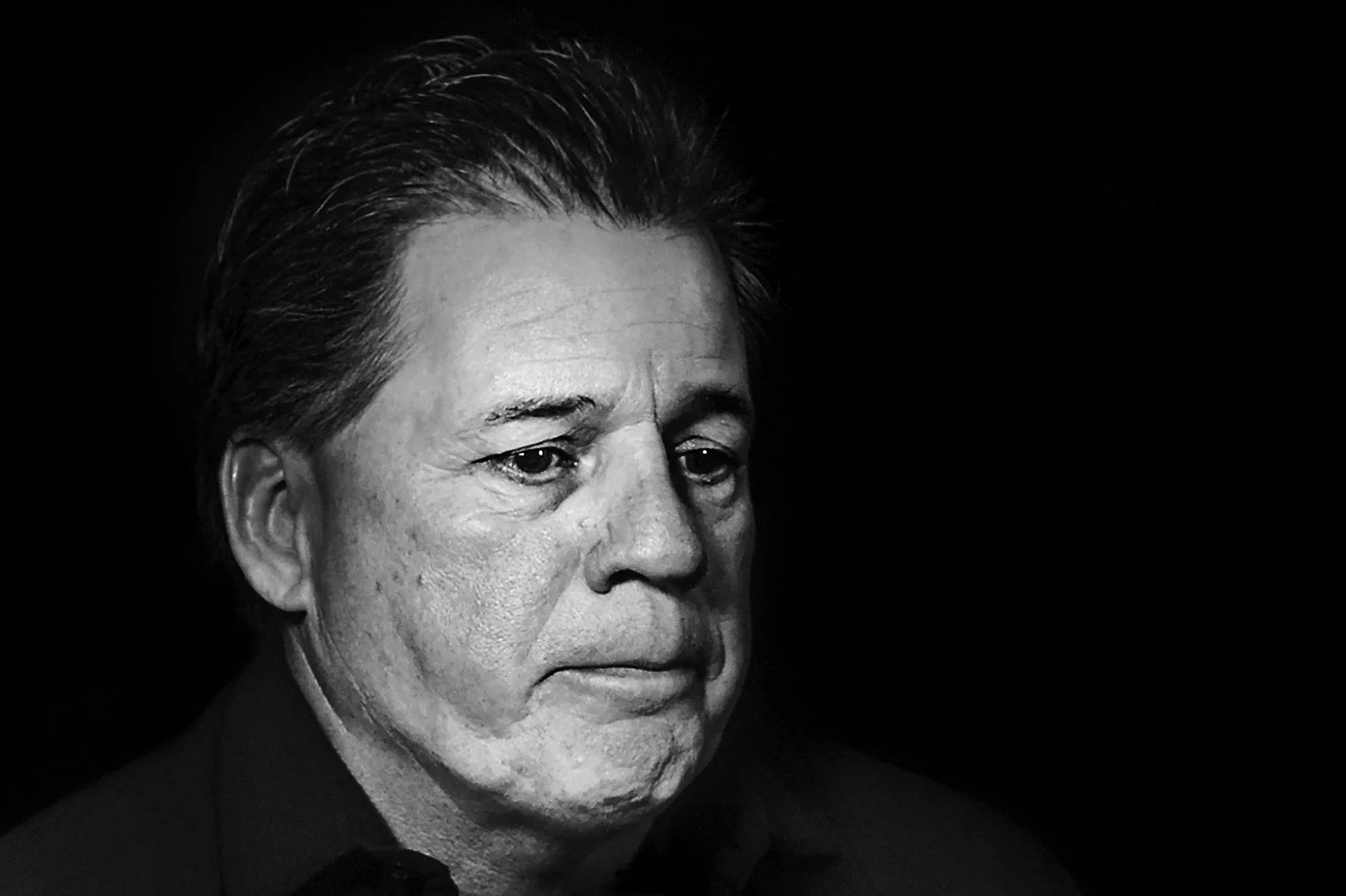
Eddie Lowery, as a twenty-two-year-old Army soldier, falsely confessed in 1981 to raping an elderly woman in Fort Riley, Kansas. During an eleven-hour interrogation, detectives threatened him, denied him food and water, and blocked his requests for a lawyer. Although he recanted immediately, his confession was used to convict him, and he spent nine years in prison and more than a decade on a sex offender registry. In 2002, DNA testing exonerated Lowery and identified a serial rapist as the true perpetrator.
Through portraits and interview excerpts from six exonerees – each of whom falsely confessed and was wrongfully imprisoned – it reveals how coercive interrogation tactics can push innocent people to a breaking point.
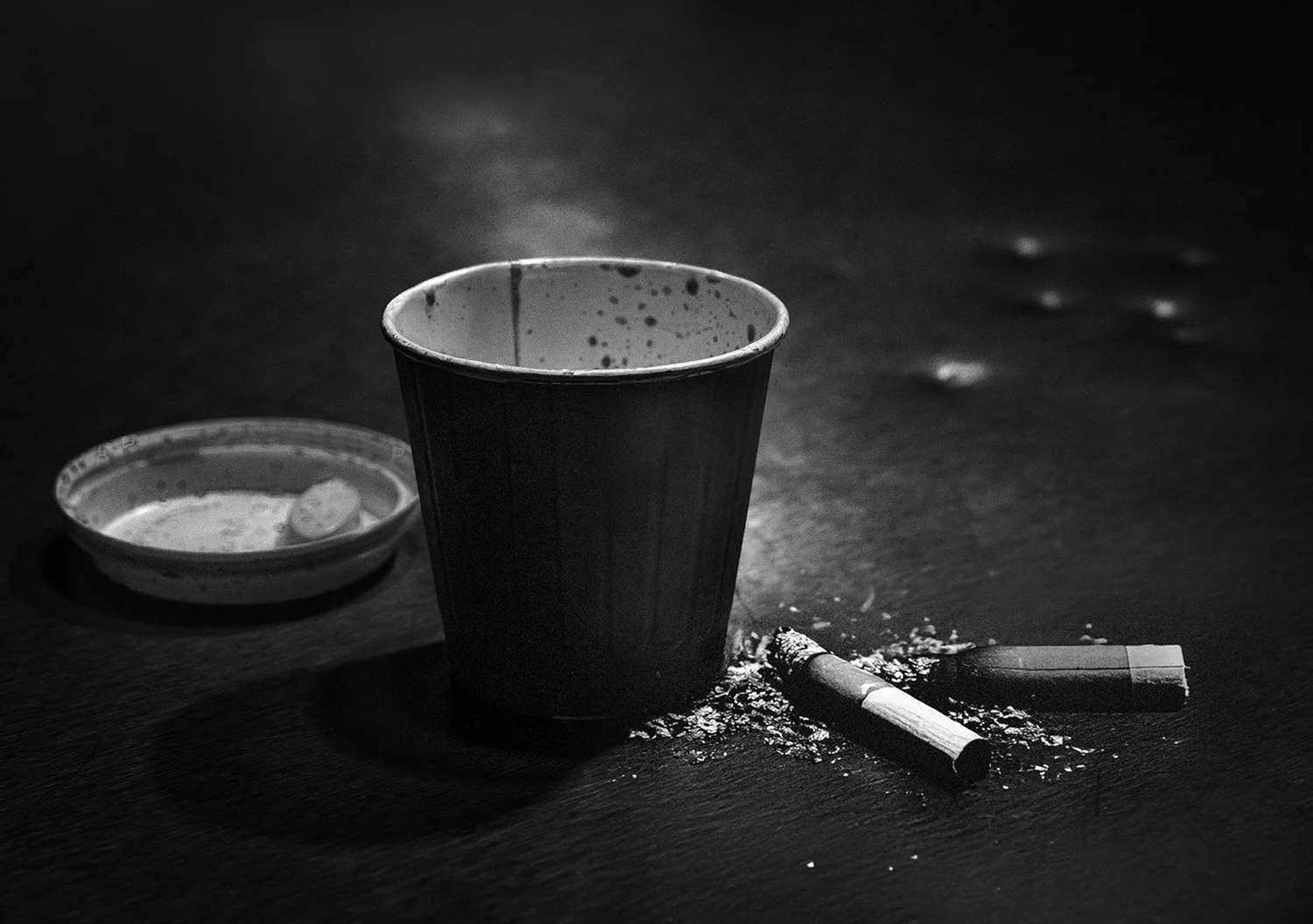
All images ©Robin Dahlberg / Kehrer Verlag
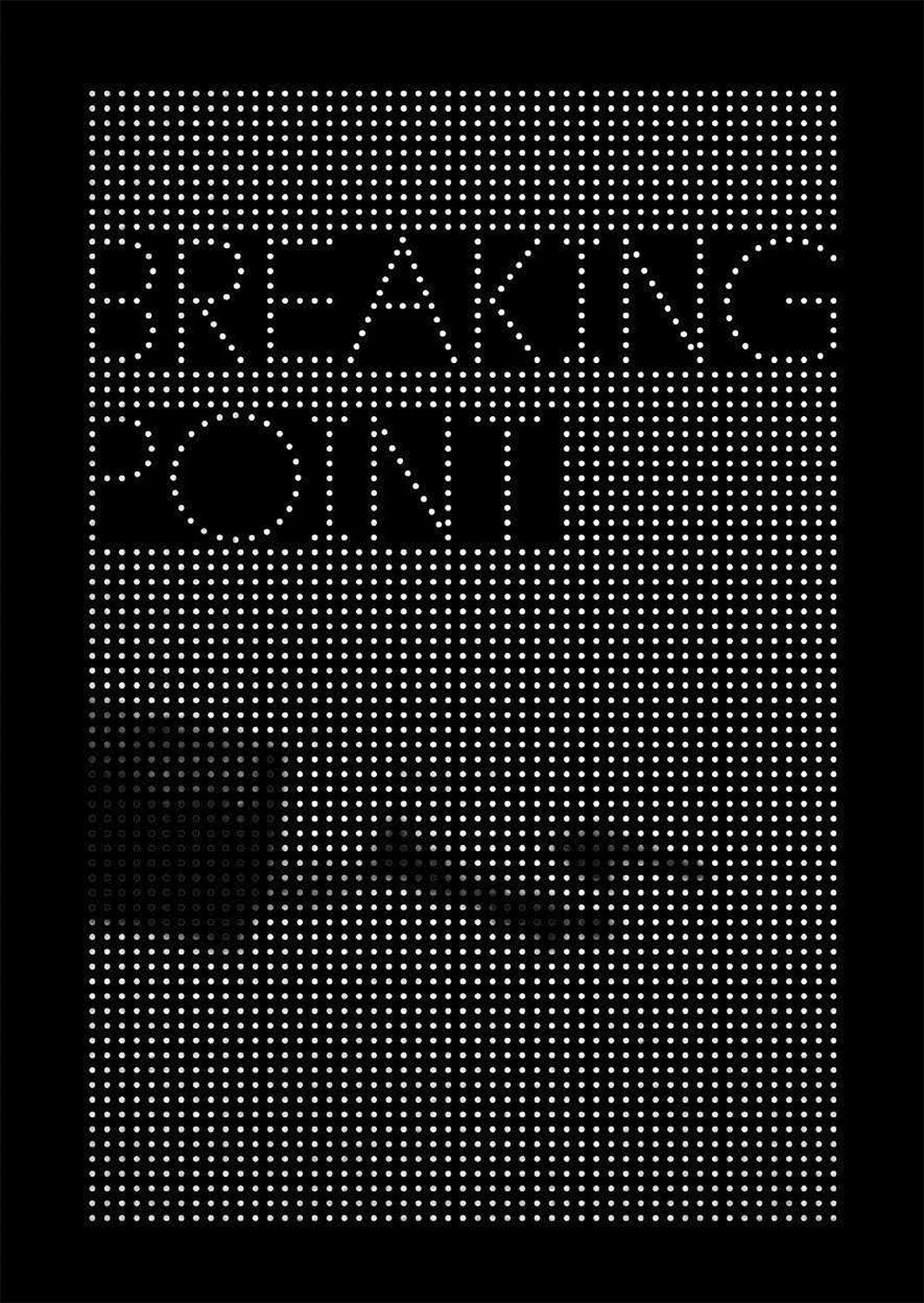
Breaking Point
When the Criminal Justice System Fails
Published by Kehrer Verlag
Click HERE to order the book
––––––
Swiss binding with dust jacket
17 x 24 cm, 180 pages
75 tritone illustrations
ISBN 978-3-96900-222-32026
Artist:
Robin Dahlberg
Texts:
Sara C. Appleby, Robin Dahlberg
Design:
Caleb Cain Marcus, Luminosity Lab
About Robin
Robin Dahlberg is a visual artist and arts educator based in New York City. With a background in law and social justice, she uses her camera to explore issues of identity, place and resilience and their influence upon each other. Sharing her passion for photography with others is fundamental to her work. Dahlberg has taught photography to people of various ages, backgrounds and capabilities. In 2018, she co-founded the non-profit Five Corners Collective to teach photography to underserved and geographically isolated communities.
To see more of her work, visit her website or follow her on Instagram
READ NEXT