Geography of Disappearance
Marcus DeSieno photographs the exact sites along the US–Mexico border where migrants have disappeared, died or their bodies were recovered, reconstructing these locations through autopsy reports and humanitarian records. The project began after DeSieno encountered a dying migrant in an Arizona gas station. Made in the Sonoran Desert using laborious darkroom processes, his landscapes become haunting records of absence, death and remembrance.
Photography Marcus DeSieno
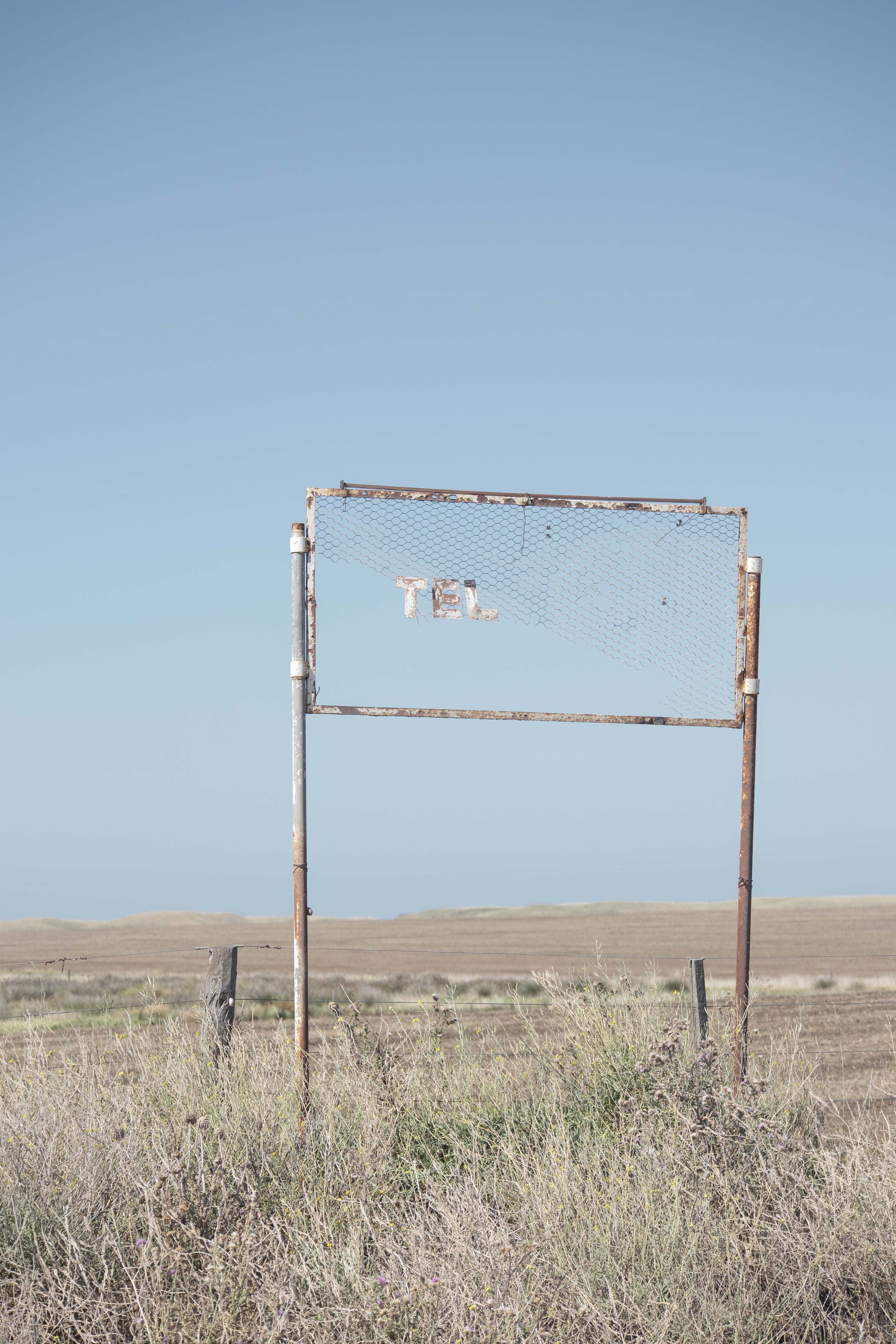
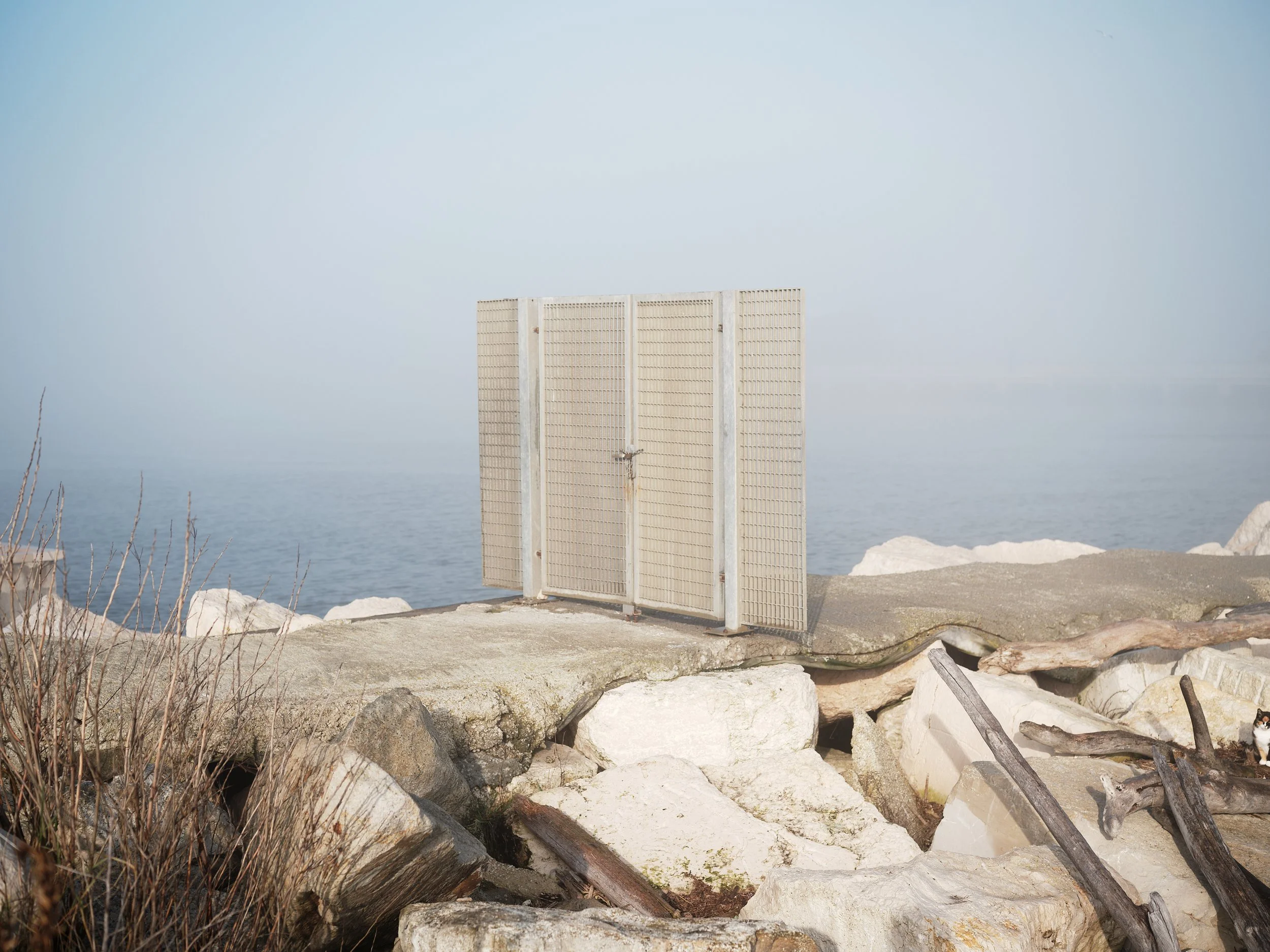
Unknown Migrant, Female, Cause of Death – Exposure, Their Body Was Found One Week After Death, New Mexico
The United Nations has declared the border between the United States and Mexico the deadliest land crossing in the world and an ongoing humanitarian crisis. Thousands of men, women, and children have died attempting to cross the 3,000- kilometer border, traversing brutal deserts and impassable mountains under extreme conditions year-round. U.S. immigration policy strategically employs a draconian philosophy of “prevention through deterrence,” deliberately funnelling migrants into the most unforgiving terrain. These policies are specifically meant to maim and kill. Many of these migrants are sometimes never found as they die in the vast emptiness of the wilderness. The earth reclaims their bodies, and they disappear. Nature is used as an executioner by proxy.

Unknown Migrant, Female, Cause of Death – Probable Hyperthermia, Their Body Was Found Less Than One Week After Death, California

Unknown Migrant, Female, Cause of Death – Probable Hyperthermia, Their Body Was Found Three Weeks After Death, Arizona
“I photograph along the border at the exact locations where the bodies of unknown migrants have been recovered, using autopsy reports and data from humanitarian organisations and local and state authorities.”

Unknown Migrant, Male, Cause of Death - Blunt Force Trauma_Struck by Automobile, Their Body Was Found on the Day of Death, California
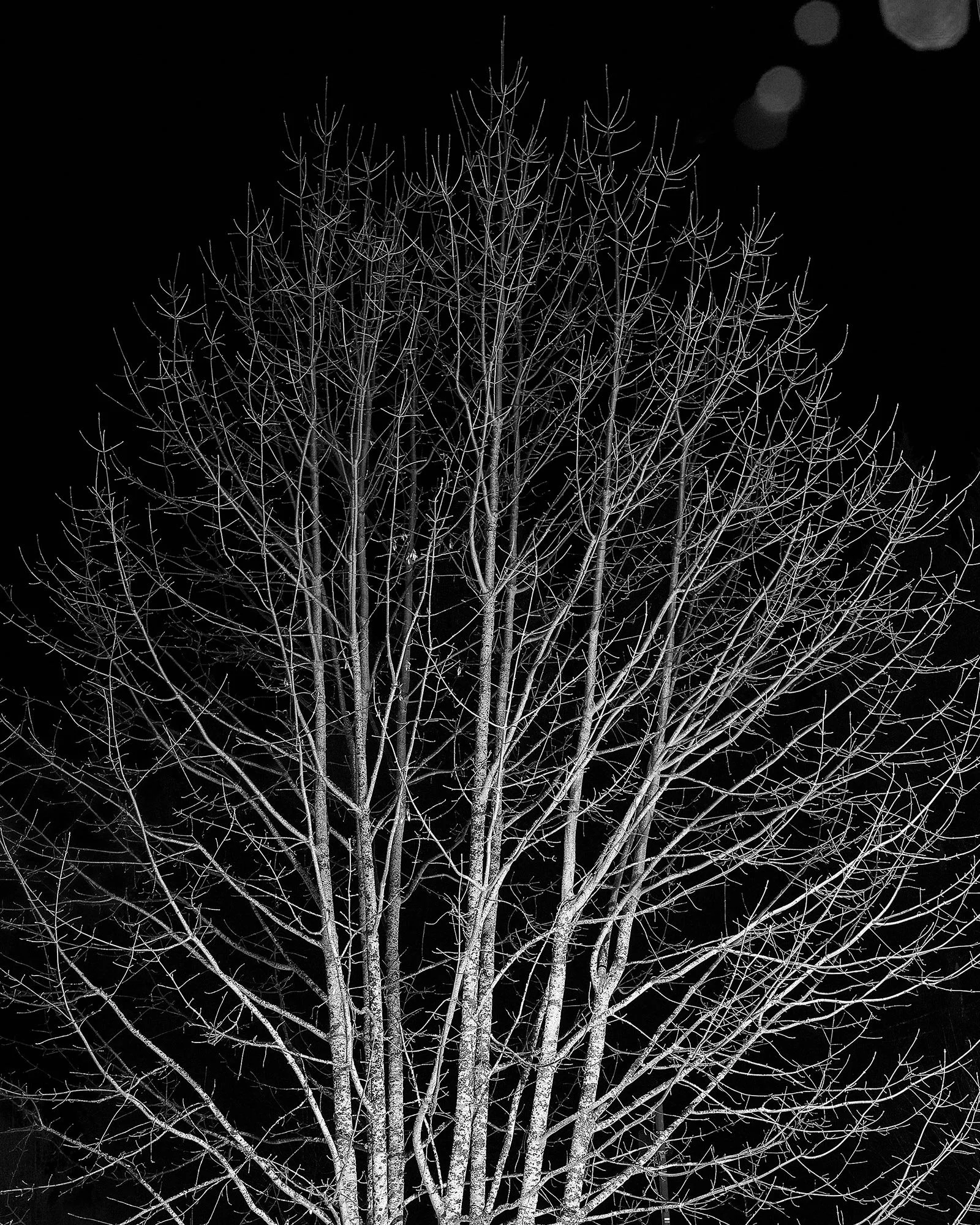
I photograph along the border at the exact locations where the bodies of unknown migrants have been recovered, using autopsy reports and data from humanitarian organisations and local and state authorities. I employ alternative photographic processes in the darkroom to address the complex political and social narratives embedded in these landscapes. The hazy, impressionistic, and forceful markmaking produced by these processes operates as a metaphor for the physical and psychological violence endured by migrants in their final moments.

Unknown Migrant, Male, Cause of Death Exposure – Probable Hyperthermia, Their Body Was Found Three Weeks After Death, Arizona

Unknown Migrant, Male, Cause of Death Undetermined – Skeletal Remains (Complete Skeletonisation with Bone Degradation), Their Body Was Found Over Six Months After Death, Arizona
“These sites of death are direct outcomes of oppressive ideologies rooted in a legacy of white supremacy that continues to shape the United States.”
These sites of death are direct outcomes of oppressive ideologies rooted in a legacy of white supremacy that continues to shape the United States. The photographs function as spaces of mourning and remembrance while confronting the cruelty woven into the fabric of my country.

Unknown Migrant, Male, Cause of Death Other – Multiple Injuries, Their Body Was Found One Day After Death, Arizona
About Marcus
Marcus DeSieno is a visual artist whose work interrogates institutions of power through the language and materiality of photography. His practice focuses on documenting the enduring legacies of American empire, surveillance, and how visual technology is used as a tool of oppression by the State. DeSieno often uses experimental and historic analogue photographic processes to create conversations between power and history. He is Assistant Professor of Photography at the University of South Florida in Tampa, Florida in the United States.
DeSieno's work has been exhibited nationally and internationally at the Aperture Foundation in New York, The Benaki Museum in Athens, Greece, The Finnish Museum of Photography in Helsinki, Finland, and various other galleries and museums. His work has also been featured in a variety of publications including The British Journal of Photography, The Boston Globe, GUP Magazine, Hyperallergic, Huffington Post, National Geographic, PDN, Slate, Smithsonian Magazine, and Wired. His first monograph, No Man’s Land: Views from a Surveillance State, was published by Daylight Books.
To see more of his work, visit his website or follow him on Instagram
READ NEXT