Tormenta
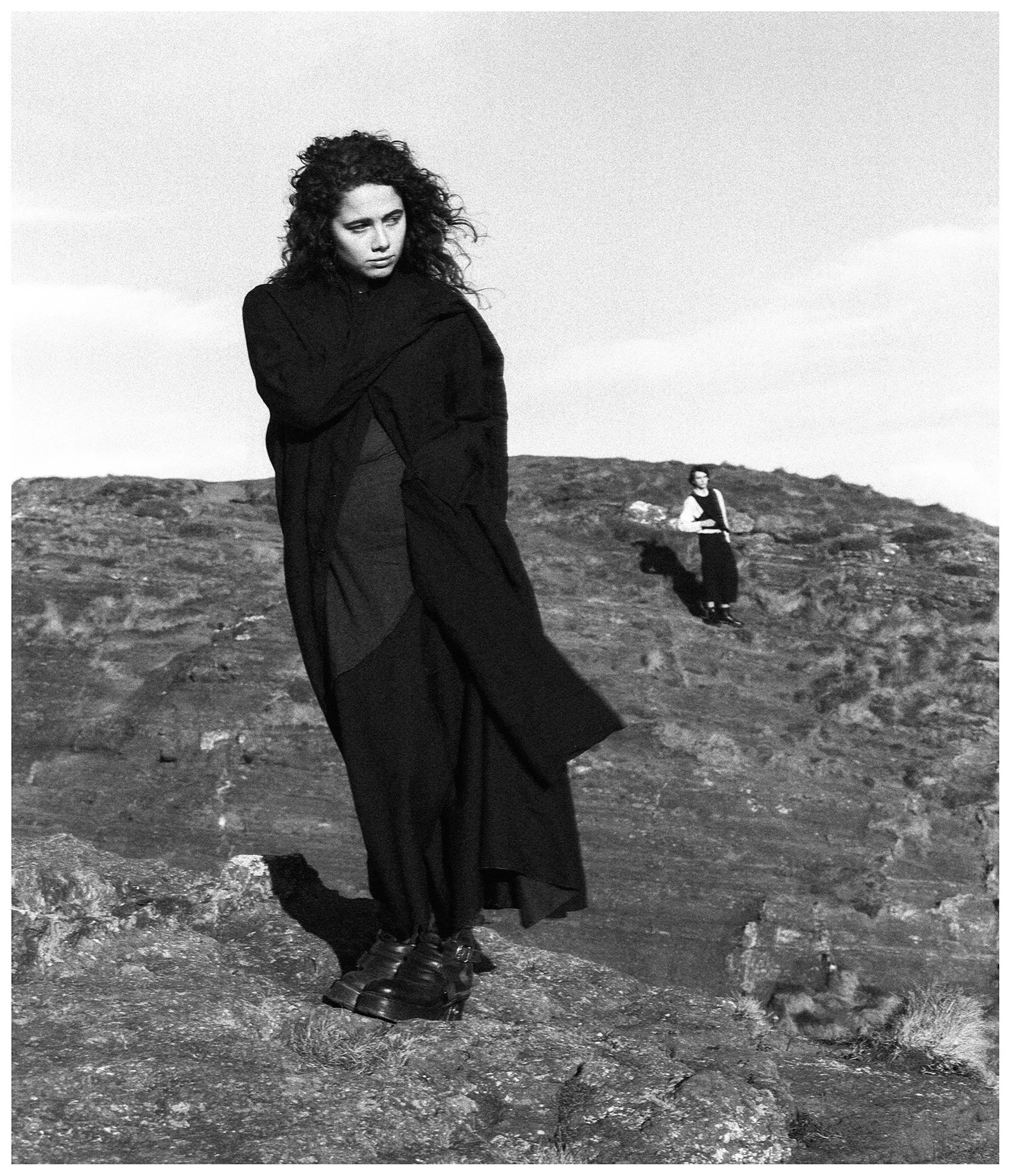
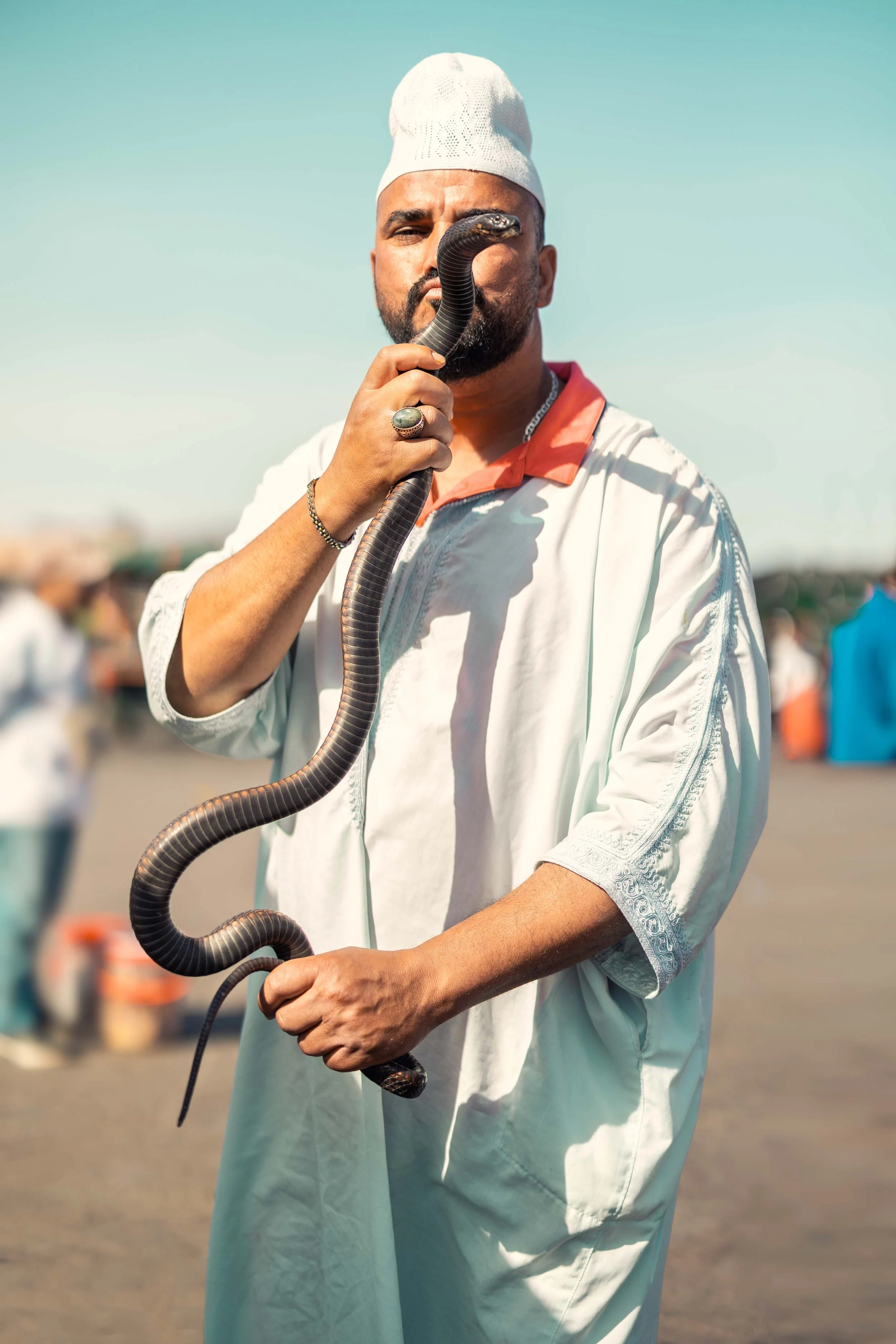
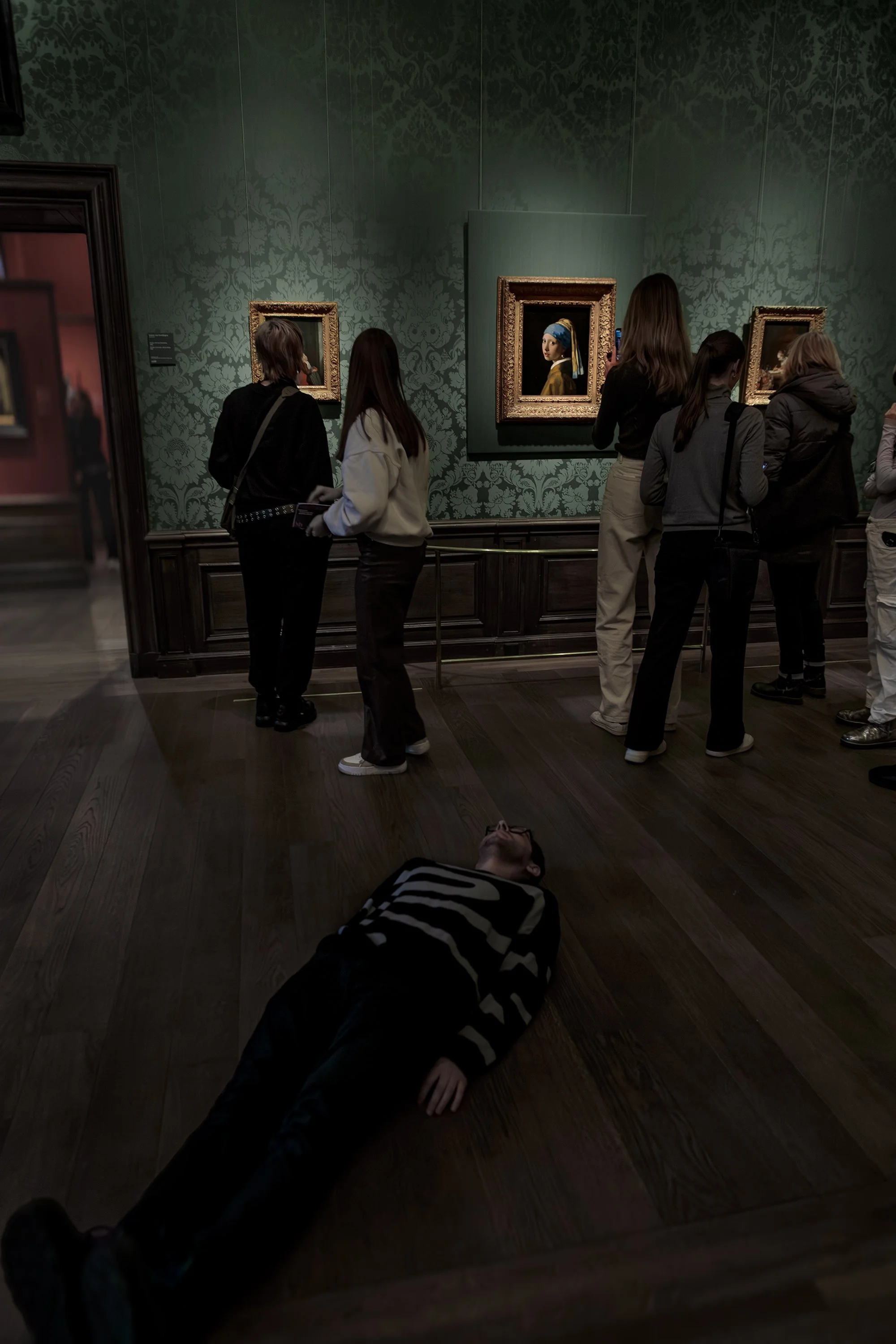
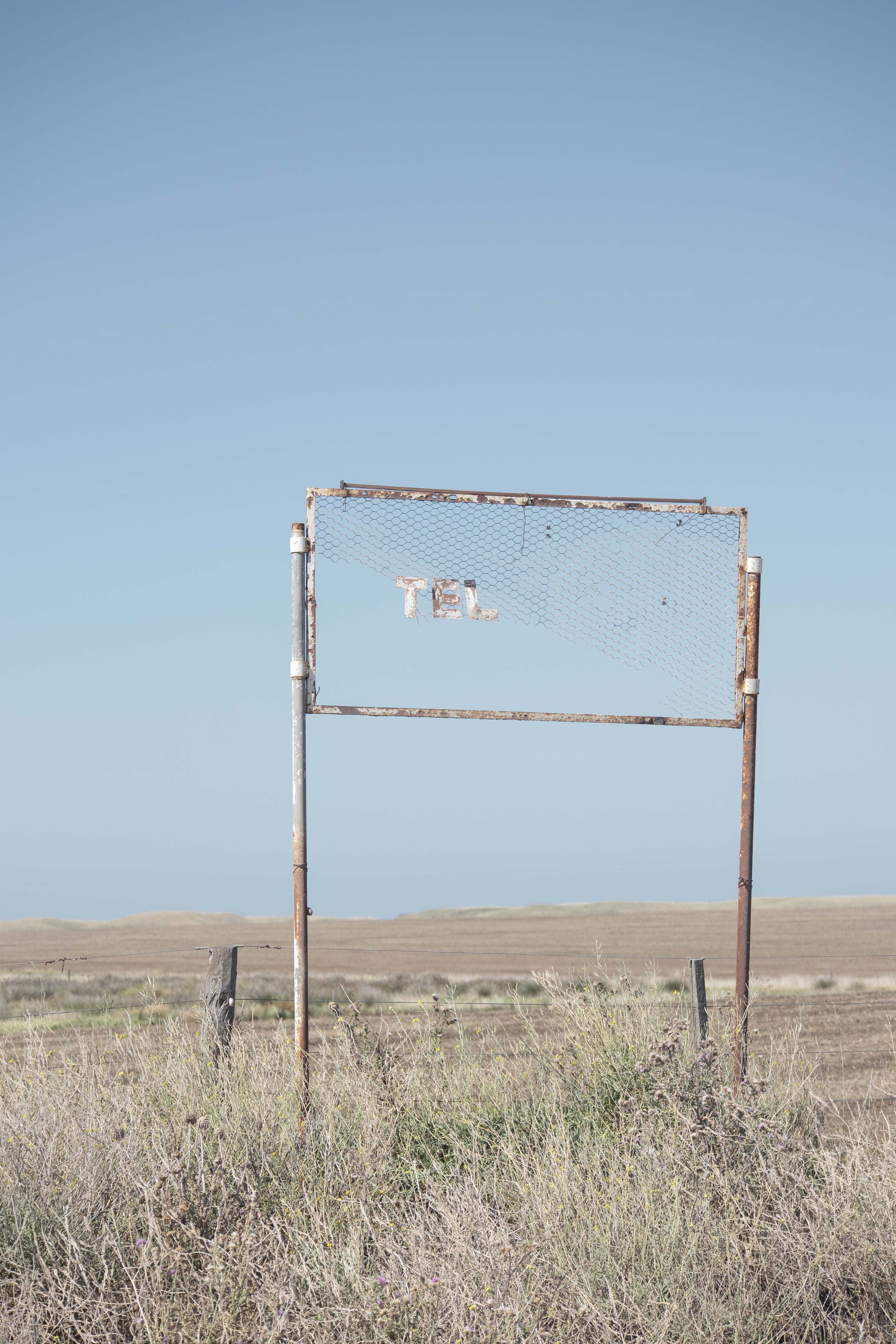
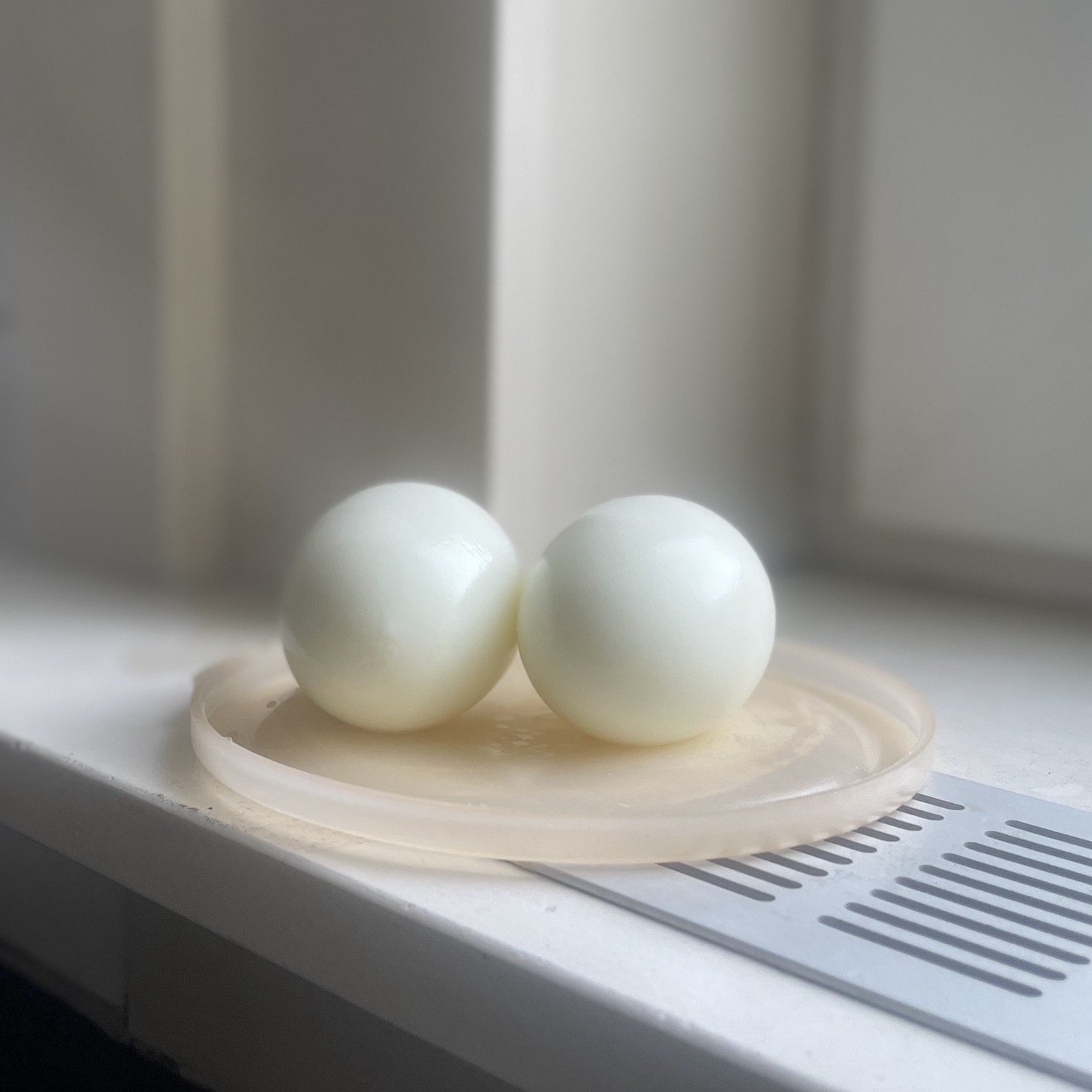
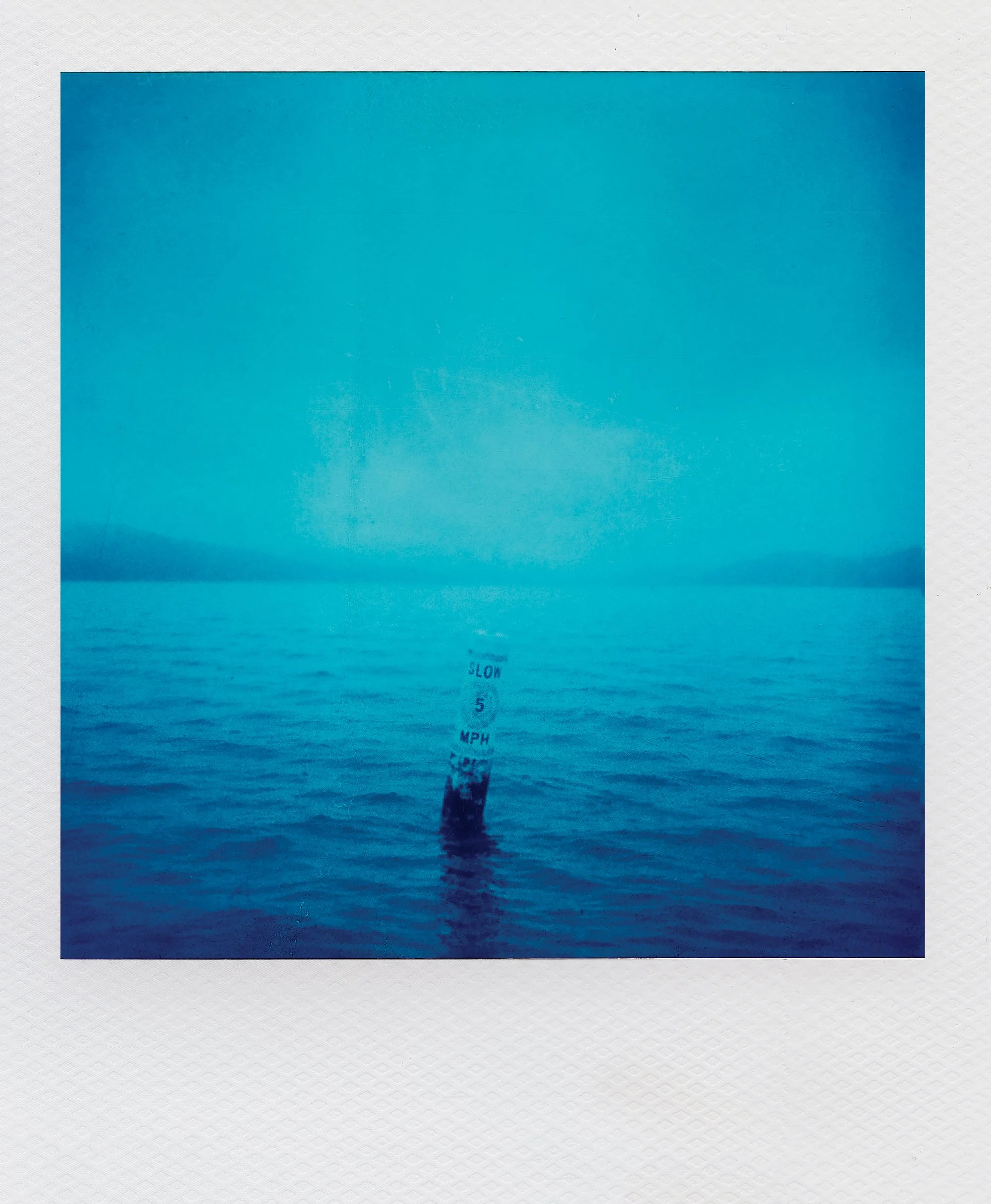
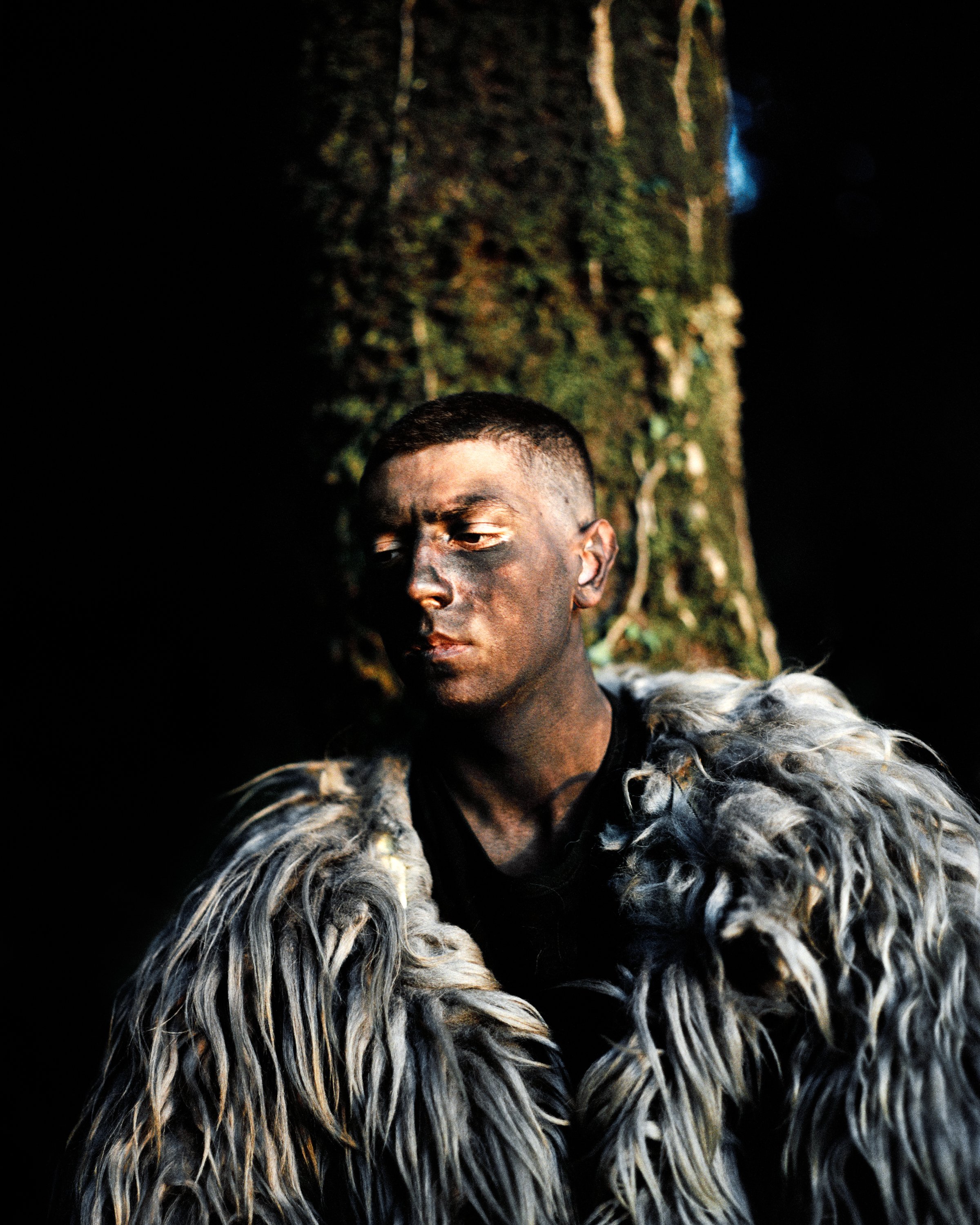
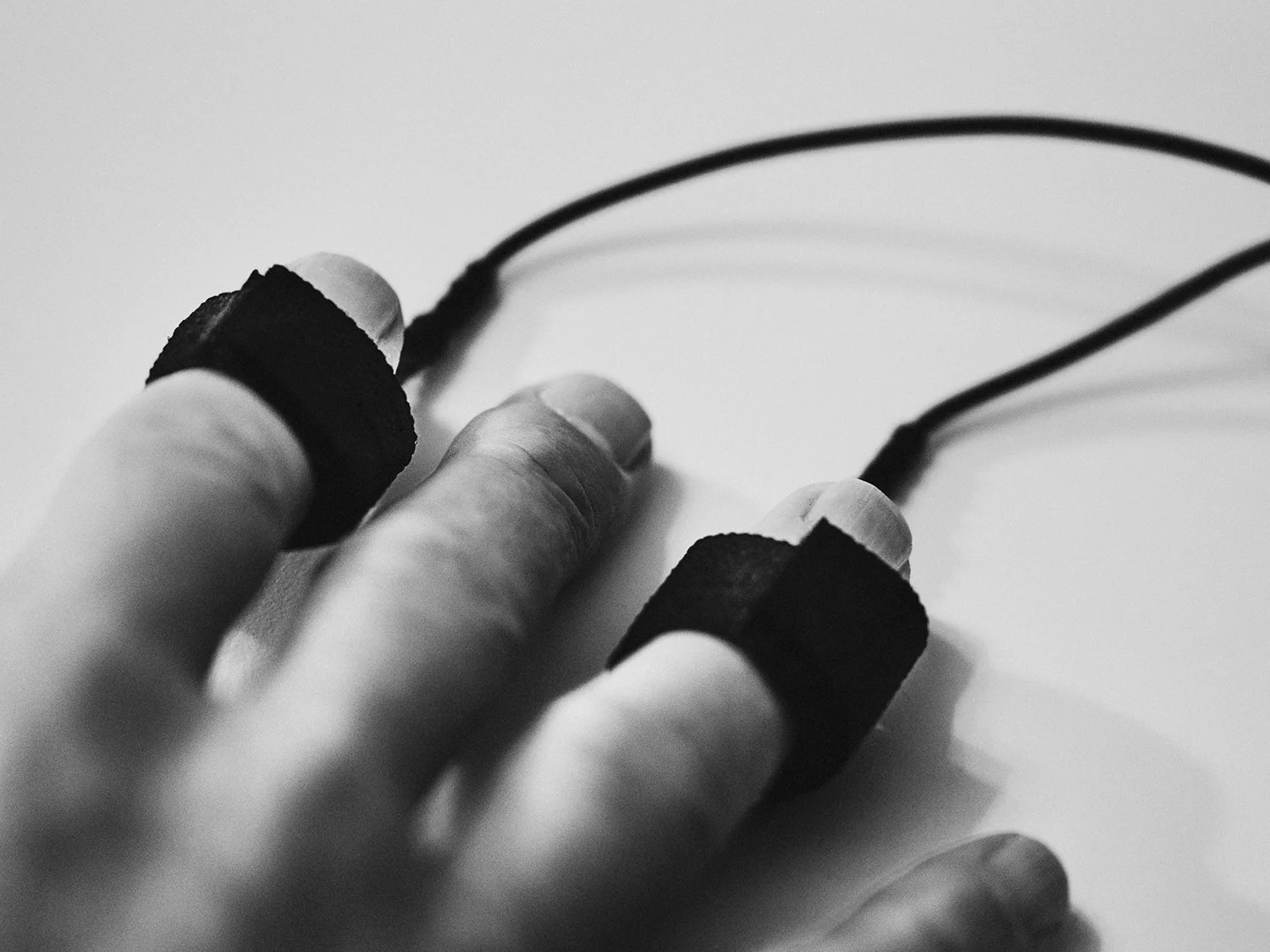
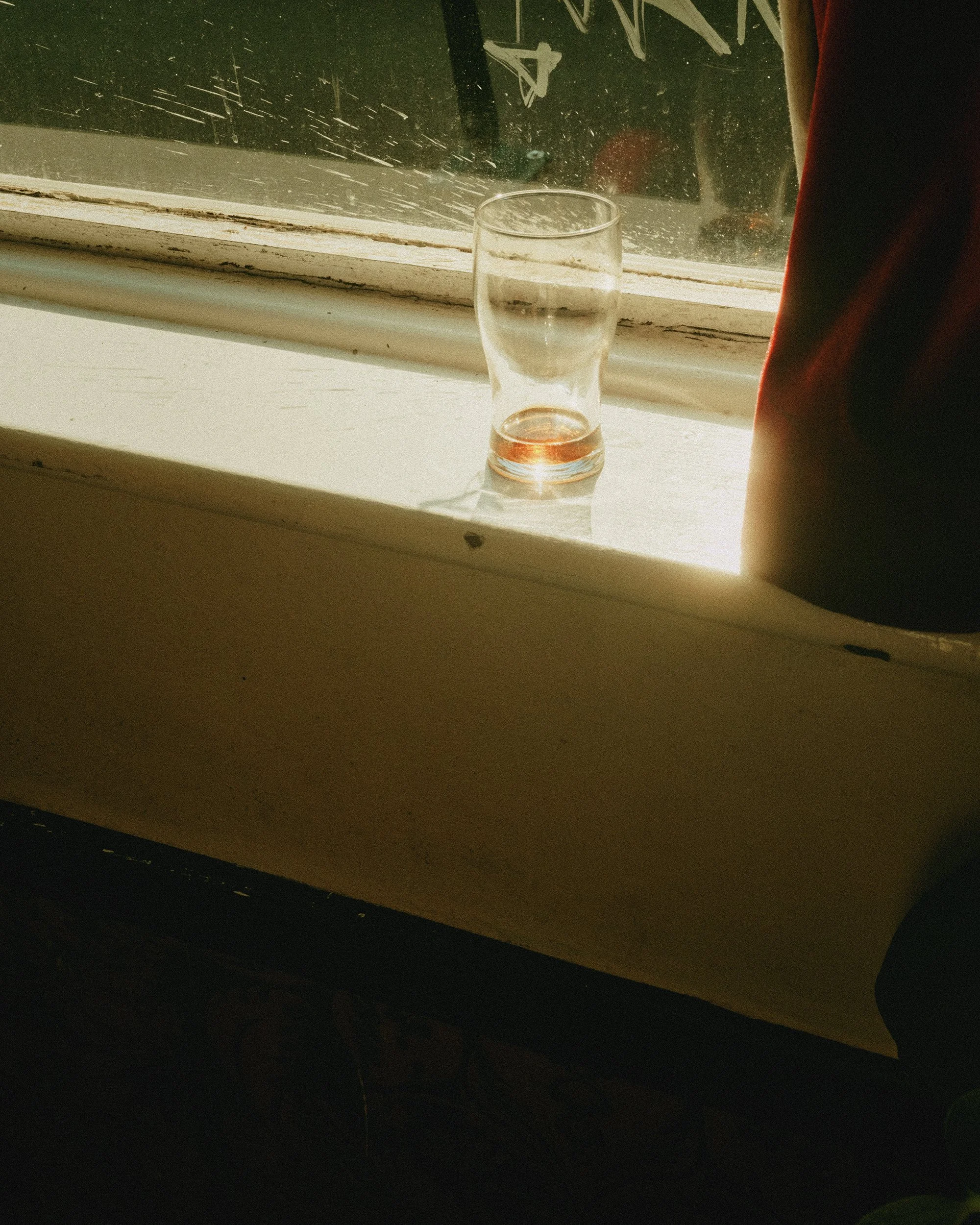
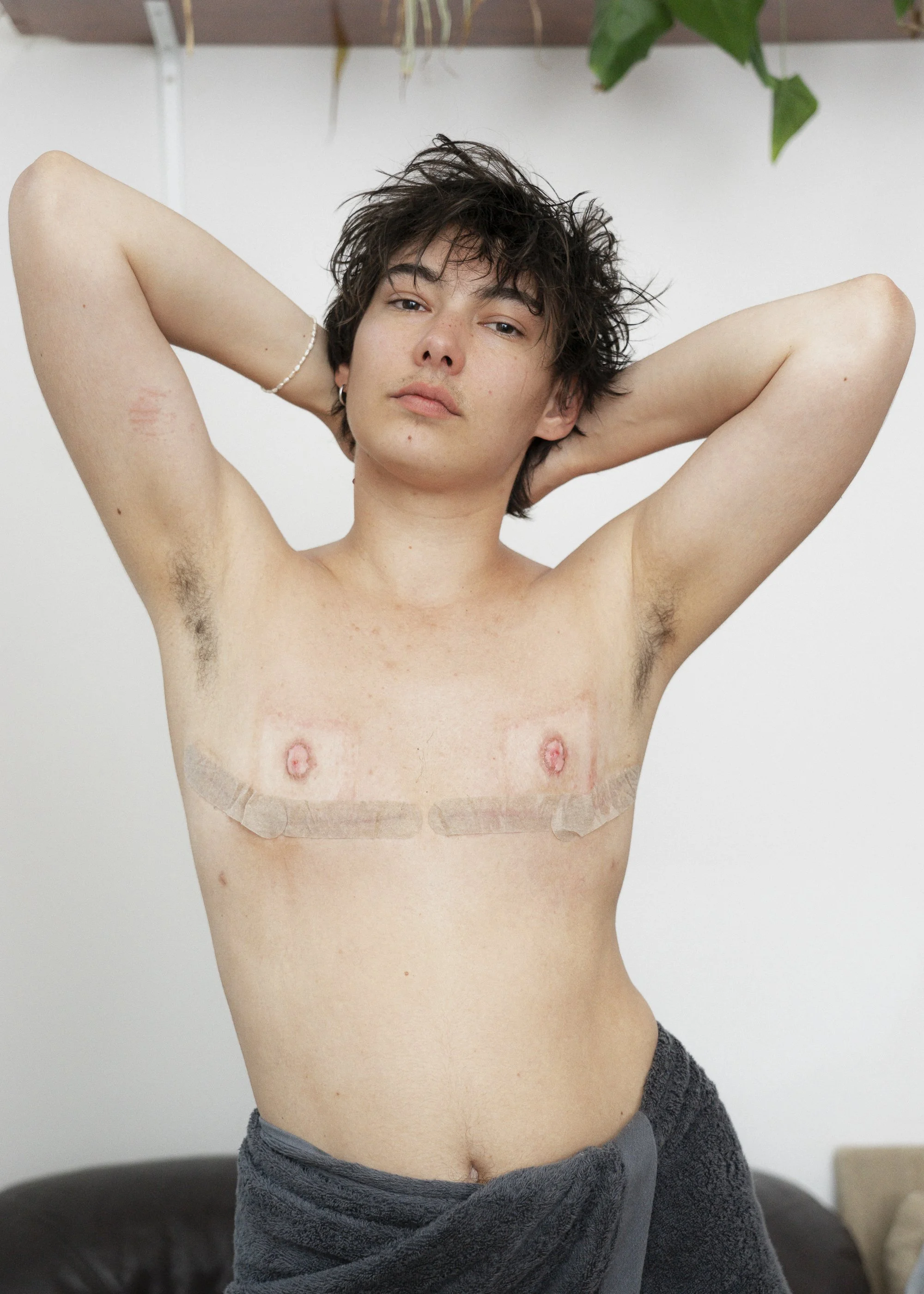
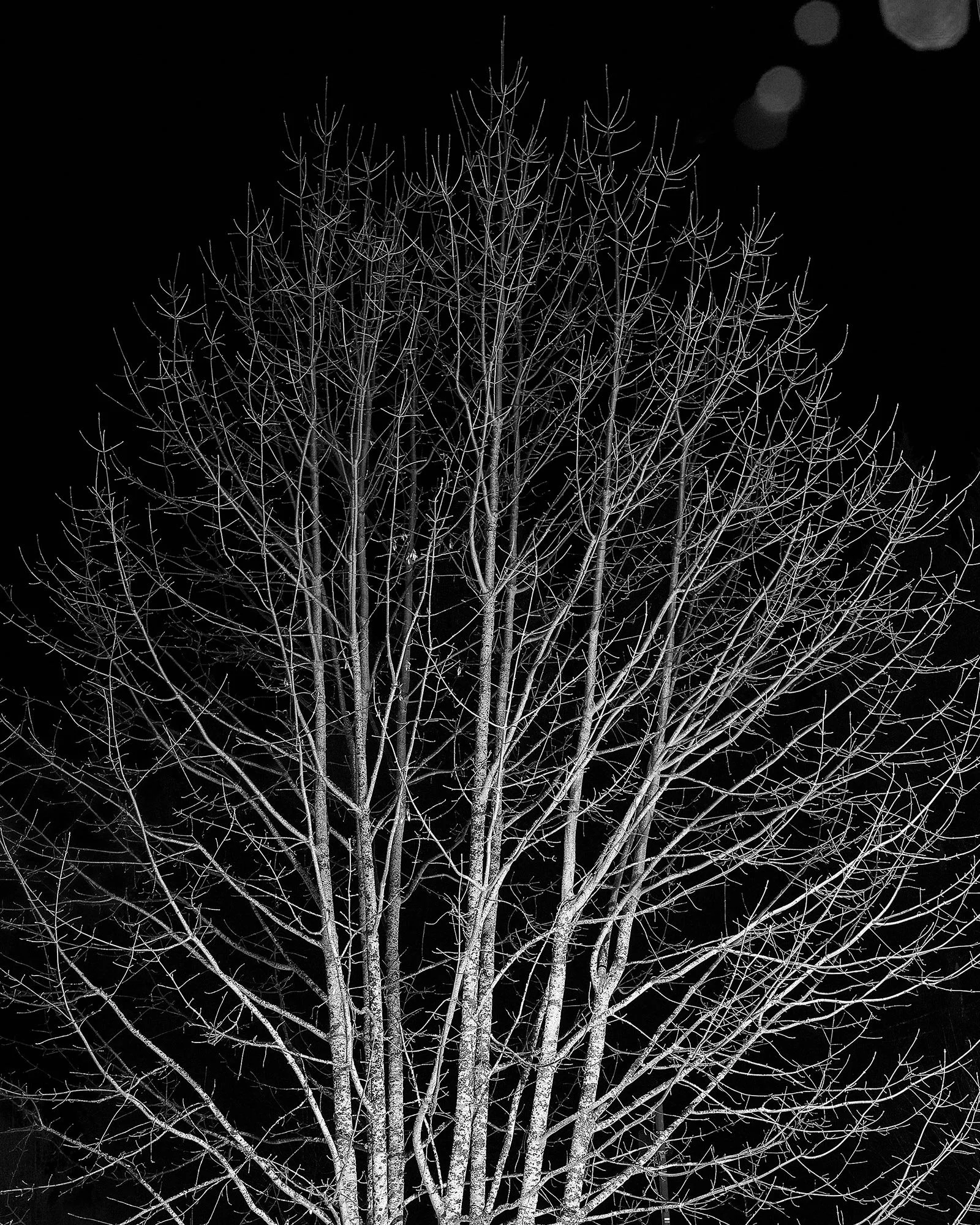
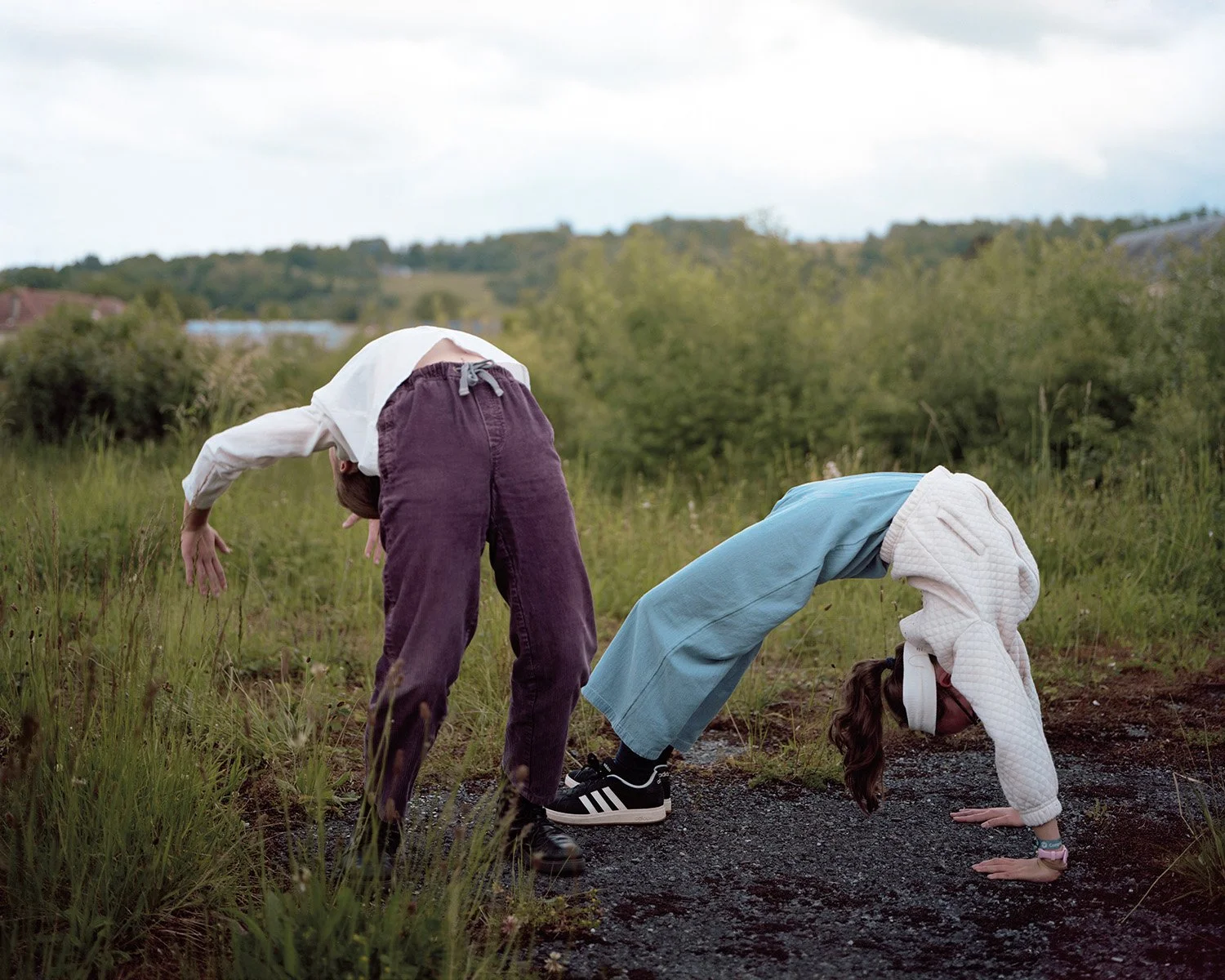
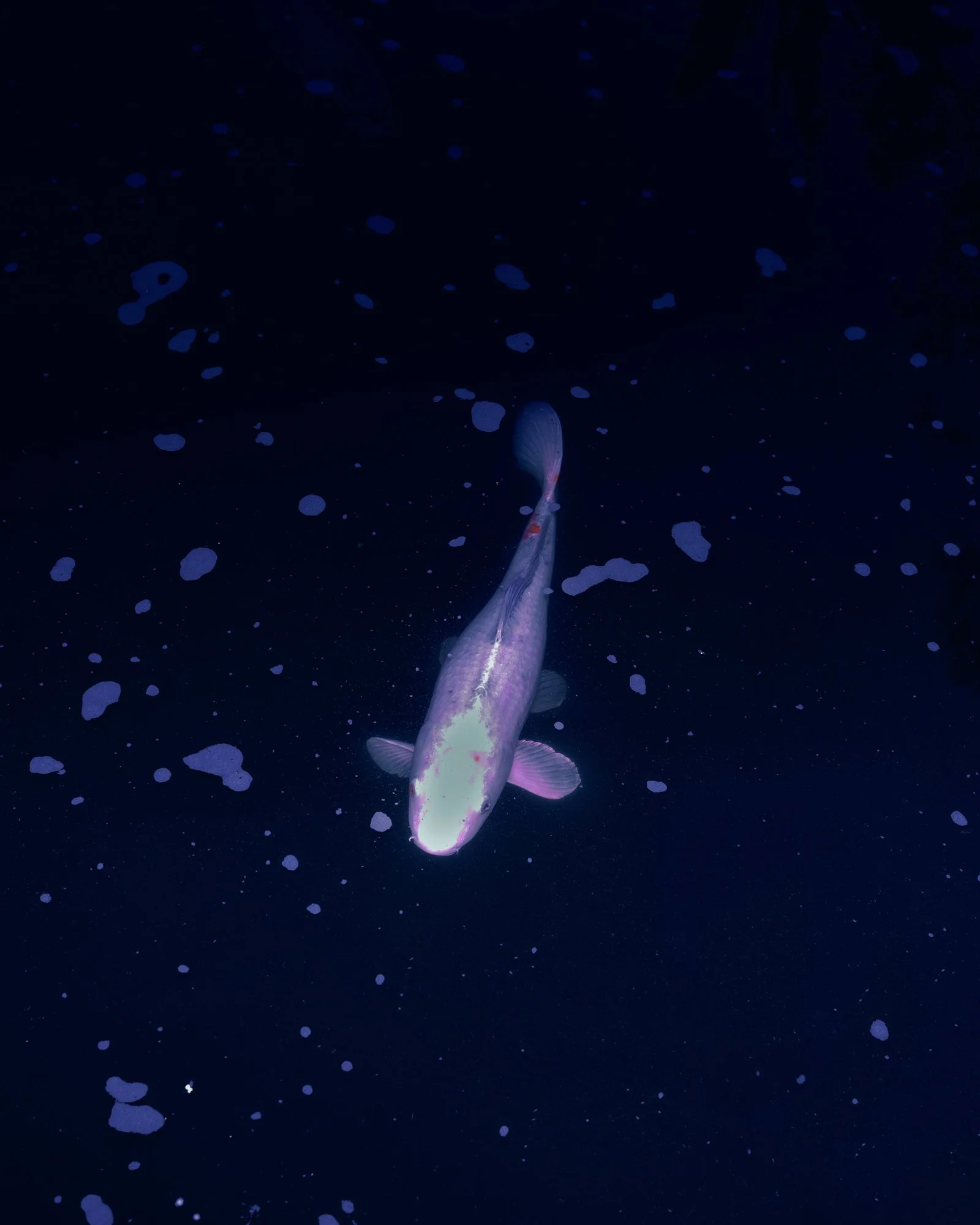
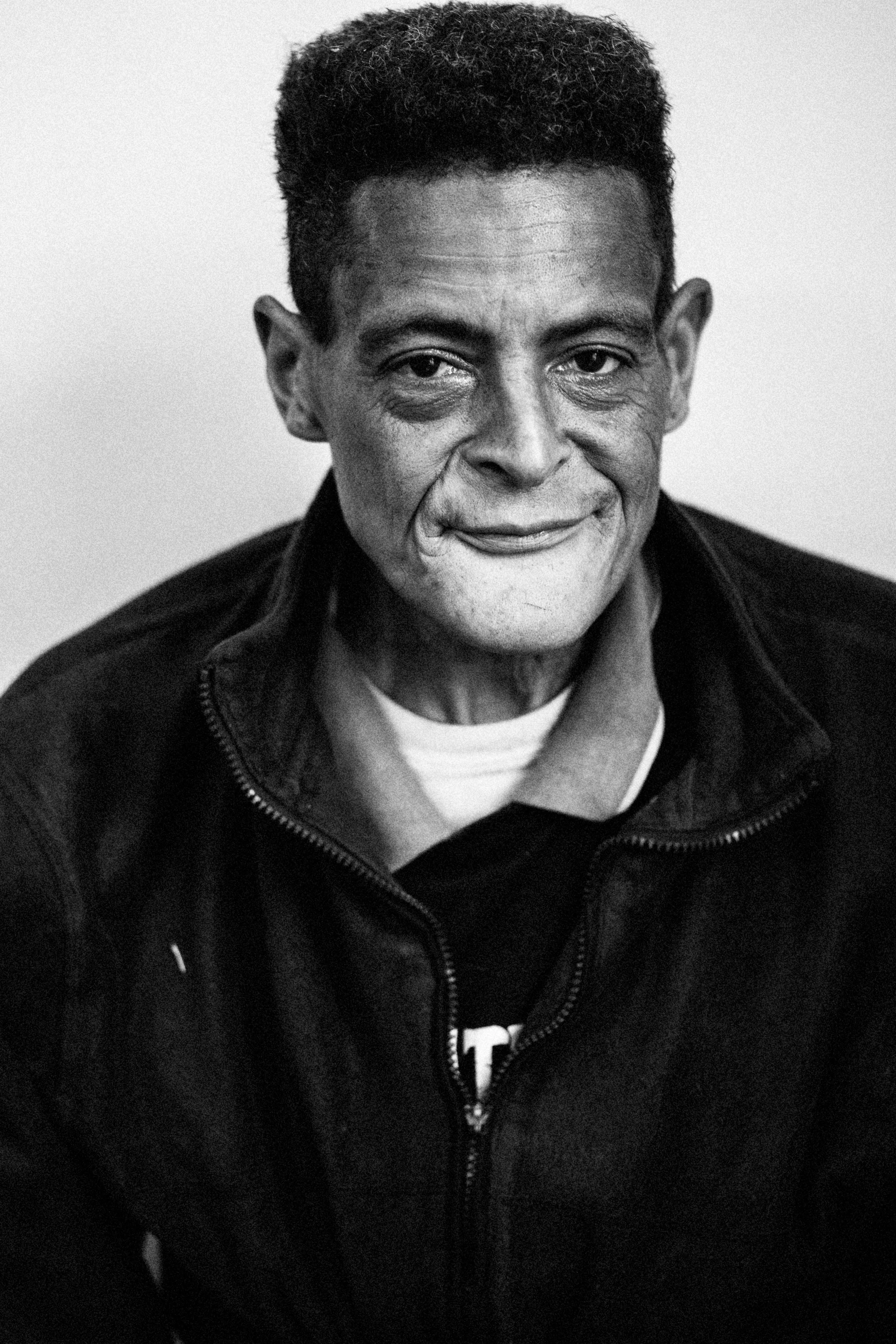
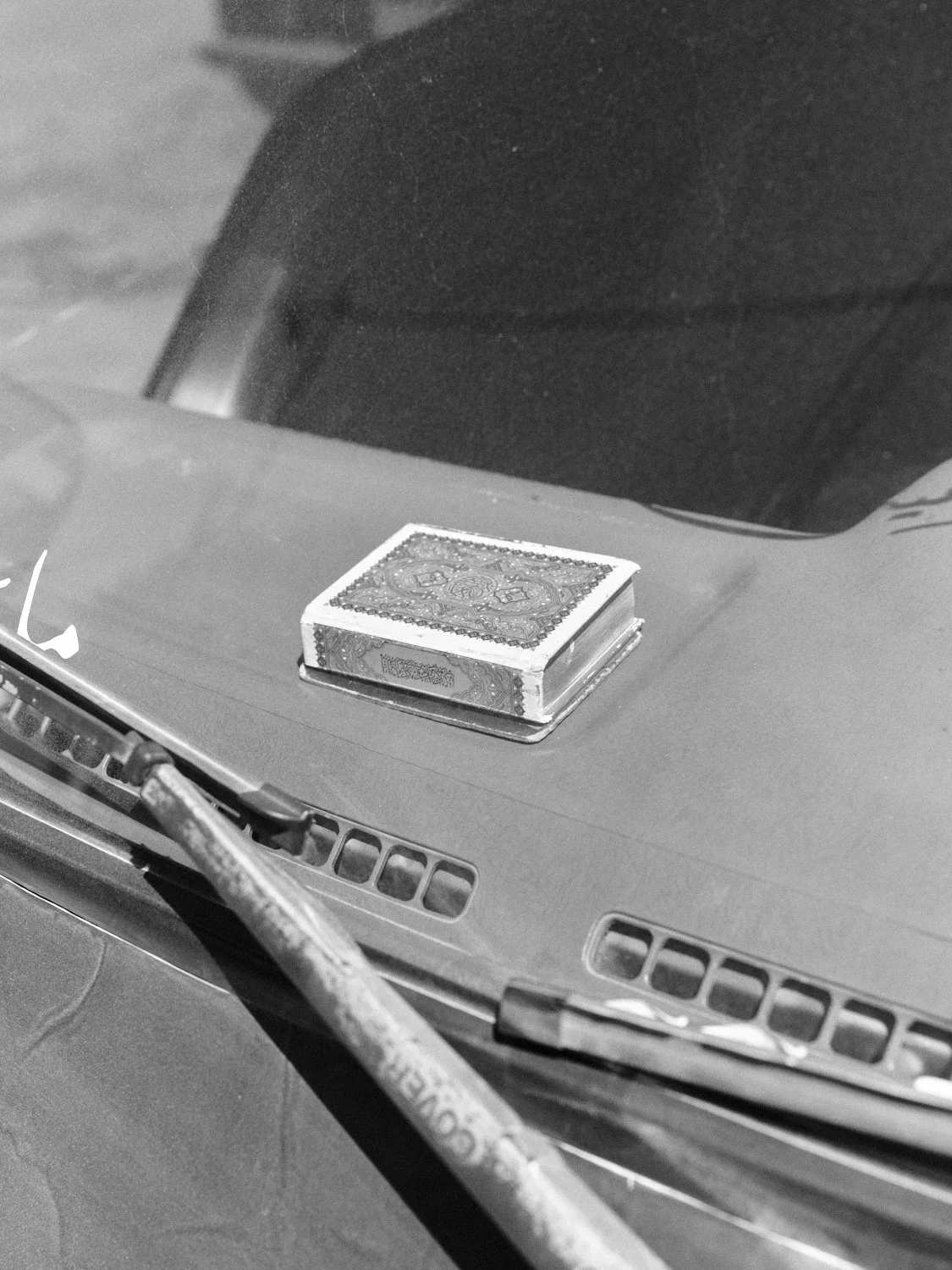
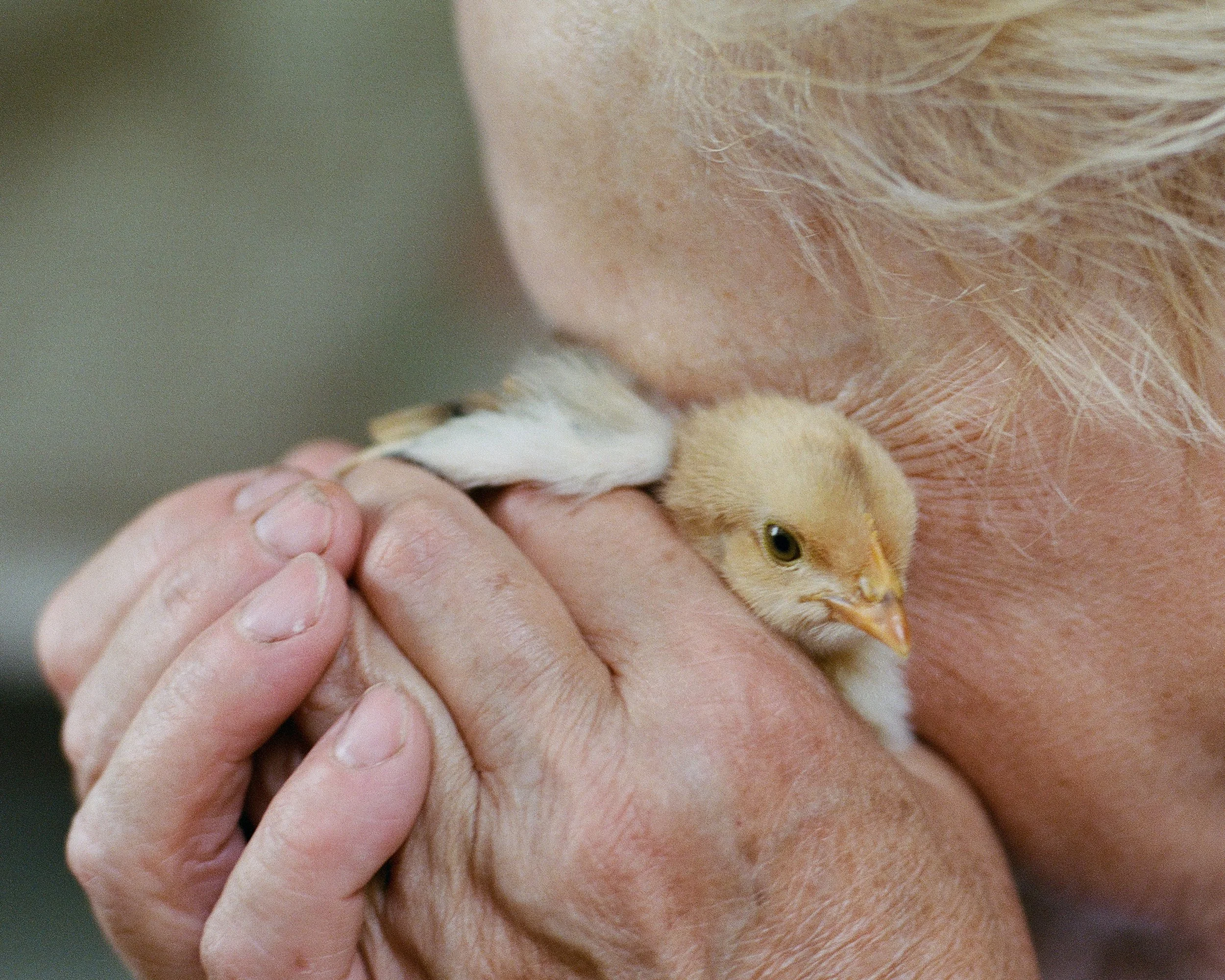
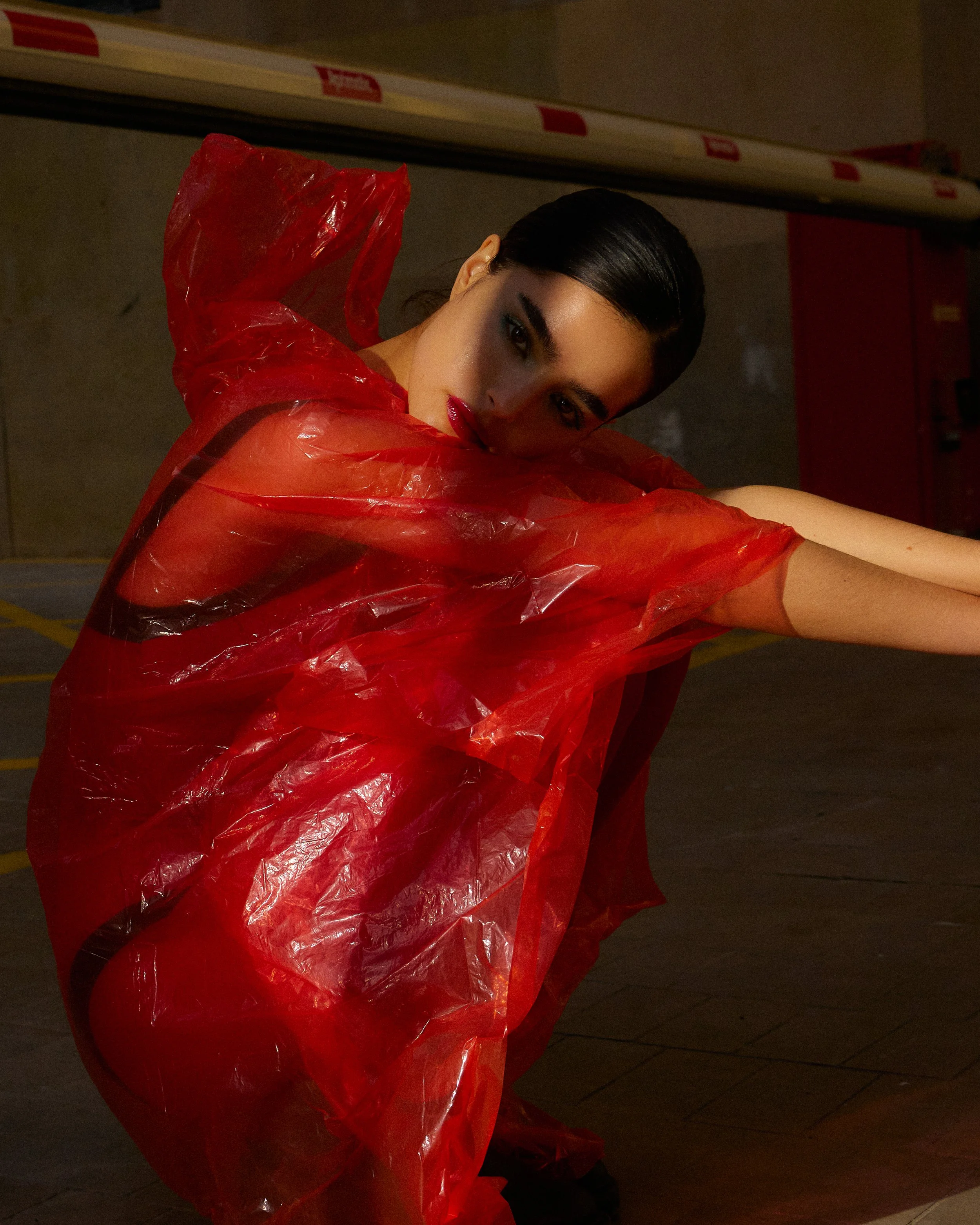
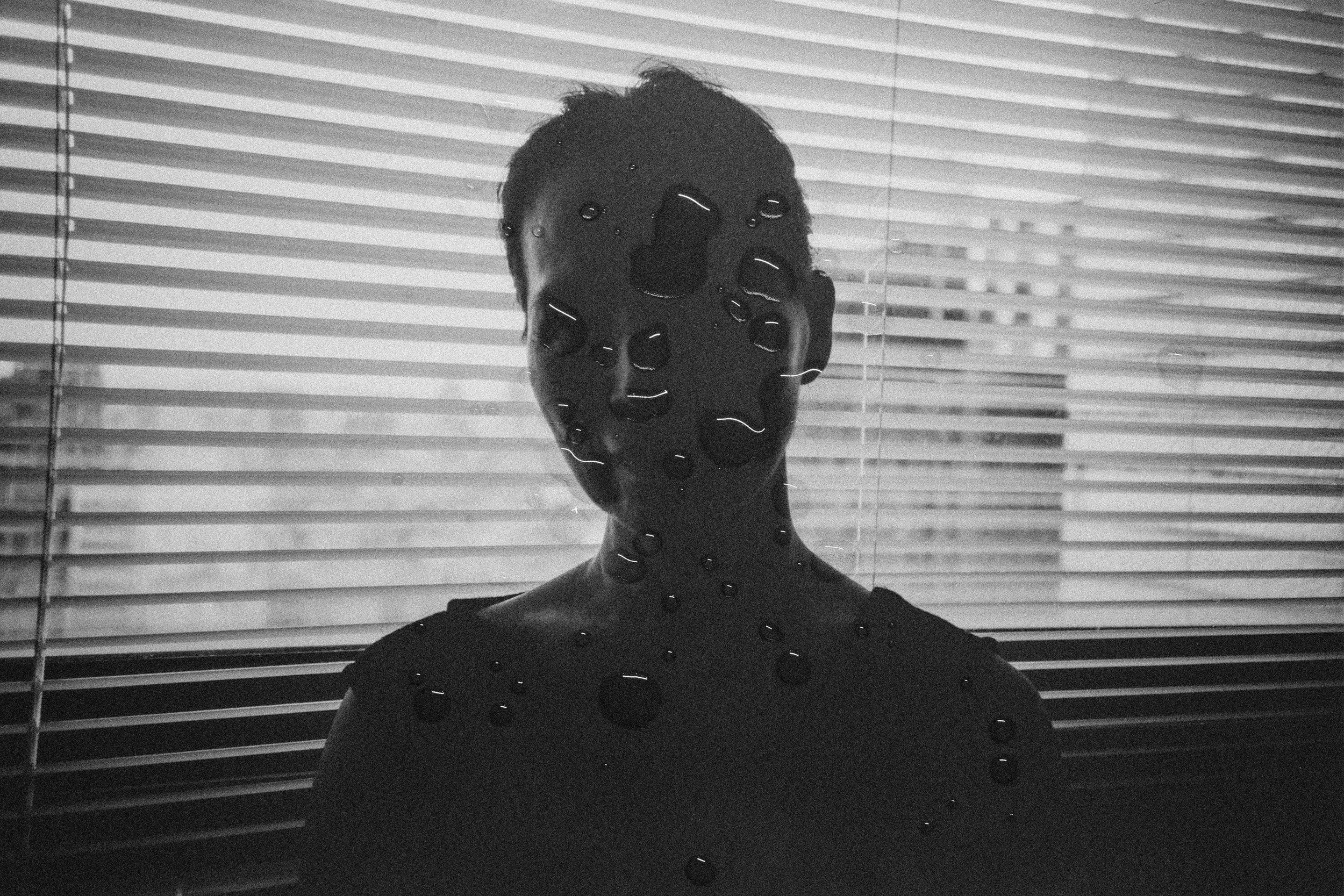
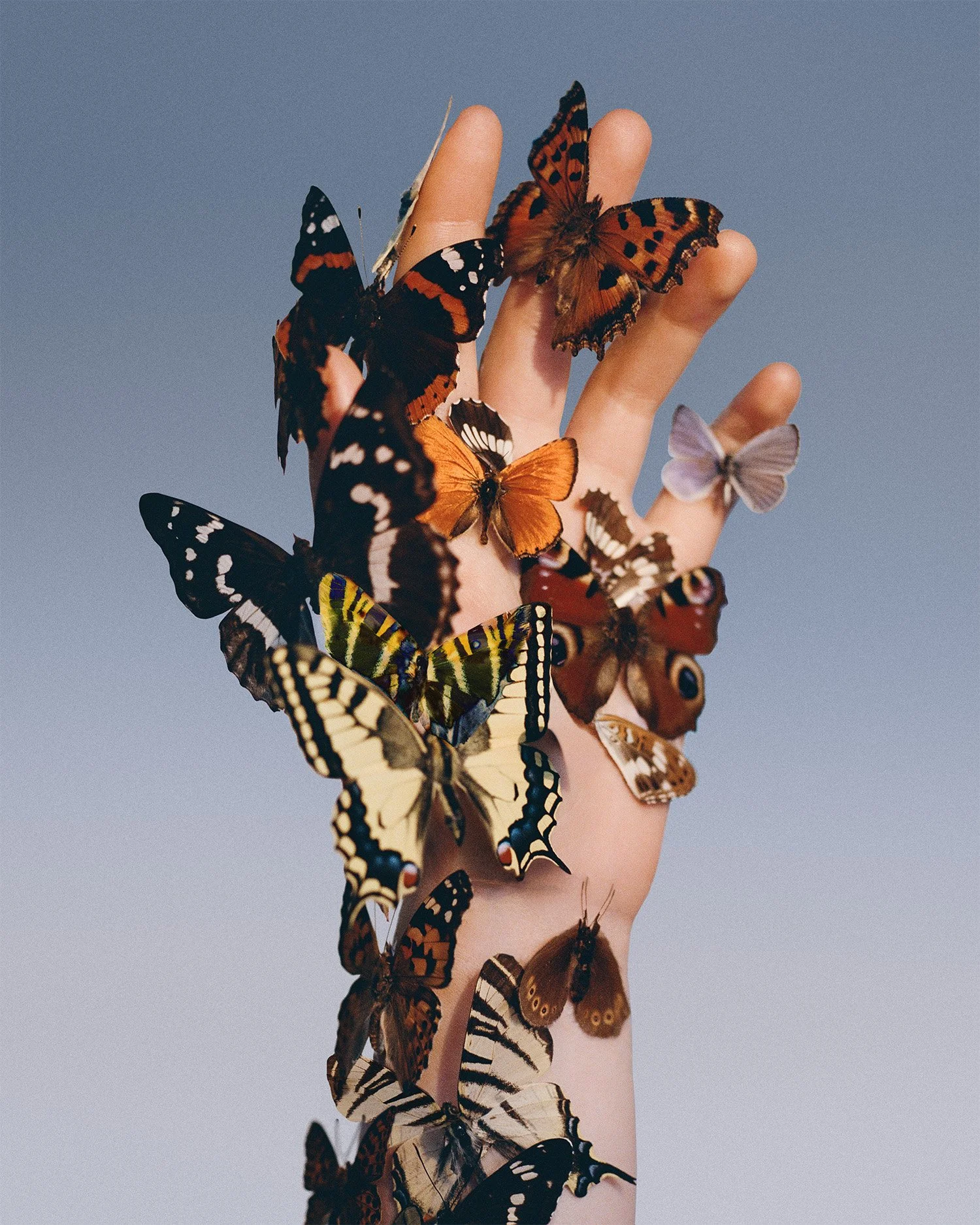
Photographer Flávio Edreira uses photography as therapy to deal with his ADHD and to better understand his internal conflicts. Tormenta (English: Storm) represents the lack of control he feels, the nightmares he is submerged in and his paralysing fear of everything tumbling into utter chaos.
Photography Flávio Edreira
Tormenta aims to show how chaos and silence affect my way of understanding and relating to the outside world. Chaos, anxiety, lack of control (lack of concentration) and noise transport me to unknown worlds, where I experience my true dreams. Whenever I try to find a certain balance, that’s when I experience real chaos.
Everything falls apart. Confined to my sensory world, I find it difficult to connect with reality. I imagine things that don’t exist, I feel paralyzed, I am restrained by fear. In my constant struggle to find an order, the only thing I can do with it is that chaos may be the norm. I live life submerged in dreams and nightmares that are like swirls that constantly spin, and almost always collide forming hurricanes, where chaos always prevails by trapping silence in the eye of the hurricane... I am constantly getting lost in the silence, my “wings” can’t fly, my legs trambles, it is hard to breath...
Tormenta was a way that I found, through my photographs, to express my feelings, my conflicts, my loneliness: my reality. I have ADHD, Attention Deficit Hyperactivity Disorder, and I always tried to find a way to understand and relate to this disorder.
I chose photography, and it turned out to be a way of understanding me, from a personal point of view and also as a photographer.
“Whenever I try to find a certain balance, that’s when I experience real chaos.”
About Flávio
Flávio studied Professional Photography at SENAC-Brazil, 2014, and Narrative Photography Course, at GRISART School of Photography (Barcelona, 2018). In 2017, he moved to Barcelona, where he started working on personal photography projects. At the end of 2018 he moved back to Brazil.
To see more of his work, follow him on Instagram
READ NEXT
Anya Tsaruk’s project “I Hope Your Family Is Safe” is named after a phrase she has heard many times since Russia launched a full-scale invasion of Ukraine – words meant to comfort, but that feel uncertain and hard to answer. Her work explores what ‘safety’ really means in a country at war. Through everyday scenes of loss, love and resilience, she shows a more human, complex picture of Ukraine beyond simple victim narratives.
A Dream That You Would Never Wake Up From explores migration as a perpetual crossing between lands, memories and identities. Through collaged photographs, the artist reflects on displacement, ancestral histories and emotional borders. Nostalgia becomes visceral, belonging remains fragile, and the past persists as a dreamlike terrain where personal and collective histories quietly intertwine.
Glossy and shimmery beauty looks return with a dash of imperfection. Is it a nostalgic reminder of times when print media, your inner circle, or cultural knowledge dominated? Perhaps it’s a doppelgänger to clean, perfectly applied neutral beauty dictated by online tutorials from beauty influencers or industry experts.
Photographer Tanya Traboulsi explores Beirut as a landscape shaped by memory, exile, and imagination. Blending photographs with archival traces, the work navigates the tension between past and present, reality and fiction. The series is a lived place and dreamscape: fragile, unresolved, and continuously reimagined through the echoes of personal and collective history.
Photographer Charly García discovered an unexpected cowboy community in Flanders, Belgium – far from the landscapes usually associated with this culture. He spent nine months alongside them, documenting daily routines, work, and moments of quiet between events. Rather than focusing on rodeo spectacle, his photographs centre on the people themselves, revealing the relationships, gestures, and everyday lives that sustain the community.
Photographer Federico Possati examines Italy’s Pianura Padana as a landscape reshaped by industry, consumption, and erasure. Through two years of photographic wandering, abandoned artefacts emerge as displaced relics of a hybrid territory. Presented beyond museum order, the images form a speculative archive where fragments collide, meanings shift, and history rearranges itself.
In mother-land, artist Chia Yun Wu reflects on Taiwan’s political isolation through the intimate lens of migration and family separation. Layering personal photographs with evocative landscapes, Wu creates a parallel world shaped by memory, distance, and uncertainty. Through printmaking and drawing, the project maps a fragile space between belonging and alienation, where fluid borders and shifting identities reveal both quiet tension and enduring hope.
Innerland is an ongoing series of portraits by Tania Shcheglova, capturing creatives from around the world – those who dare to look into their own souls and connect with the deepest parts of their psyche. Moving beyond traditional portraiture, the project uses ‘Staged Documentary’ to reveal humans as boundless, evolving extensions of their environments, reflecting the subconscious, emotional and spiritual landscapes that shape identity beyond physical appearance.
Photographer Hui Zhang presents a very personal body of work rooted in her experiences of growing up as a ‘left-behind child’ in suburban Beijing. Shaped by family separation and social inequality, her images revisit the people and places of her upbringing, revealing a quiet sense of longing, memory and calls into question: How do we define ‘home’?
Photographer Lenny Steinhauer explores the fragile afterlife of a modernist social utopia that still functions today. The Ihme-Zentrum in Hanover is a brutalist structure caught between decay and persistence, revealing how a seemingly hopeless architectural vision is sustained by the people who continue to inhabit and give meaning to it.
The Internal Crusade is a photographic project by Zexuan Zeng that explores the lasting influence of China’s “Long March” on everyday life and personal identity. Through a two-month journey along the historic route, Zeng documents how political narratives transform individual experiences into collective ideals, using images of people, places, and symbolic landscapes to question how history is constructed and internalised.
Dreaming Cleaning is a poignant documentary series by photographer Almudena Zambrana that moves between softness and strain, reverie and repetition. Drawing from her lived experience as a qualified migrant working as a cleaner in Australia, Zambrana reveals the emotional and psychological weight of repetitive, often unacknowledged labour. Through cyclical, dream-like imagery, the project exposes the fragile gap between education, identity and survival.
Antidote is a framework of five photographic series and an academic essay exploring the rise of contemporary authoritarianism. Drawing on Indigenous worldviews, Marco Vernaschi proposes empathy as a counterforce to polarised ideologies. We speak with Vernaschi about power, psychology, and resistance.
Looking ahead to beauty trends of 2026, the Spring/Summer runways set the tone with bold, expressive looks and futuristic flair. From 80s-inspired blush contour at Aadnevik to sci-fi metallics at Theophilio, designers embraced impact. Vivid blue carnival eyes as seen at Luar, next-level lashes at Thom Brown and graphic statement lips at Roksanda & Westwood signal a fearless new beauty era.
Jamnesia is a meditation on obsession, endurance, and queer presence inside chaos. Colliding roller derby’s radical, bruised community with the unforgiving ritual of wet plate collodion, the project celebrates failure, devotion, and bodies that persist. It is about showing up – again and again – for art, impact, and belonging.
Photographer Alex Bex interrogates the cowboy myth and the codes of traditional masculinity. Immersed in ranching communities, the project reveals vulnerability behind the archetype, questioning how images shape manhood in a society undergoing profound cultural change today, urgently, and without nostalgia.
Mille-Feuilles (A Thousand Layers) is a decade-long photographic project exploring bi-national identity, inherited longing, and imagined belonging. Through layered, fragmentary images, it traces memory, migration, and placeless desire, questioning how images can become a refuge when home exists only as absence, fiction, and feeling.
The Grass Needs to Be Cut is a photographic project made in northern Portugal by Bruno Pereira Ribeiro, unfolding across seasons and repeated encounters with the tradition of Chegas de Bois. Through bulls, landscapes, and social rituals, the work examines power, place, and community, revealing a nuanced portrait of a region shaped by tradition and environment.
Voyeur2 brings together eight photographers whose work interrogates kink and eroticism across multiple genders, sexualities and subcultures. For ZERO.NINE, curator and contributor Matt Ford interviewed Joaquin, a London-based gay portrait photographer who has spent over a decade inside the city’s fetish scene and is also part of the exhibition. He has shaped the visual identity of Fetish Week London and Recon, collaborated with the Tom of Finland Foundation, and contributed to major kink archives and exhibitions.
Archipelago explores the fragile balance between connection and solitude. Through staged scenes featuring friends and family, Yolanda del Amo examines how class, family, and gender shape our identities and relationships. Each photograph becomes an “island”: a quiet, charged space where intimacy and distance coexist, revealing the tensions of living together and apart.
Dr. José Martínez-Fonseca’s series Bat Portraits reflects his commitment to documenting wildlife in some of the world’s most understudied regions. Guided by a belief that photography and research can transform fear into understanding, he captures intimate, revealing portraits that highlight bats’ beauty and ecological importance. His images invite us to look closer – and to reconsider animals often misunderstood or overlooked.
Congolese artist Léonard Pongo’s first solo show in the UK, Apophenia, explores ways of knowing a place as rich and complex as the DRC. He interprets the land as a reactive entity in an attempt to show that a living body of knowledge is a valuable as other more sterile ways of knowing a place. It’s a deeply moving act of decolonisation that functions on an almost sensory level. We spoke to him about his work.
Invisible Sun is a deeply personal photography book from photographer Amani Willett and Dust Collective. A visual meditation on survival, transformation, and fragility, the project traces the impact of childhood medical traumas and the ways they continue to reverberate through the present.
Inspired by Dorothy’s famous words, No Place Like Home reimagines the idea of home as both comfort and illusion. Set within an imaginary doll’s house, the series explores memory, loss, and identity, where the longing to return collides with the inescapable confines of nostalgia, femininity, and the shifting meaning of belonging.
Gumsucker by Rory King mourns the vanishing Australian wilderness and the quiet erosion of spirit that follows. Through haunting, tender images of isolation and resilience, King’s work traces the tension between nature and civilisation, where loss, memory, and belonging intertwine in a poetic reflection on the fading frontier and its lingering ghosts.
In Close to Home, photographer Laura McCluskey turns her lens toward her grandparents’ house on the Isle of Sheppey — a place filled with memory, love, and quiet change. Shot over a decade, the project tenderly explores family, belonging, and the healing power of returning home.
In No Woman’s Land, photojournalist Kiana Hayeri and researcher Mélissa Cornet travel through seven Afghan provinces to document women’s lives under Taliban rule. Through intimate portraits, interviews, and collaborative artworks, the book offers a vital record of gender-based persecution — and the extraordinary resistance of those living through it.
Florida Boys is a five-year photographic project by Florida-based photographer Josh Aronson that reimagines coming-of-age in the American South. Travelling Florida’s backroads with young men, Aronson stages tender, atmospheric scenes that explore masculinity, belonging and landscape. The images are presented in his exhibition at Baker–Hall (Miami, FL), on view October 18 – November 22, 2025.
London-based Purist Gallery presents Unyọñ Ufọk (Going Home), an intimate photo-and-film exhibition by Nigerian-British artist Emily Nkanga. From 9–11 October 2025, the show navigates grief, memory, and the emotional terrain of “returning home” through visuals rooted in Akwa Ibom, Nigeria.
The after-show party for Matières Fécales’ latest collection at Paris Fashion Week unfolded deep into the night, a striking extension of the brand’s provocative vision. The queue outside already told us what to expect – this was the place to be. A following unique in the Fashion world, Hannah and Steven create a world, where music, art and fashion collide in the best possible way.