The Island
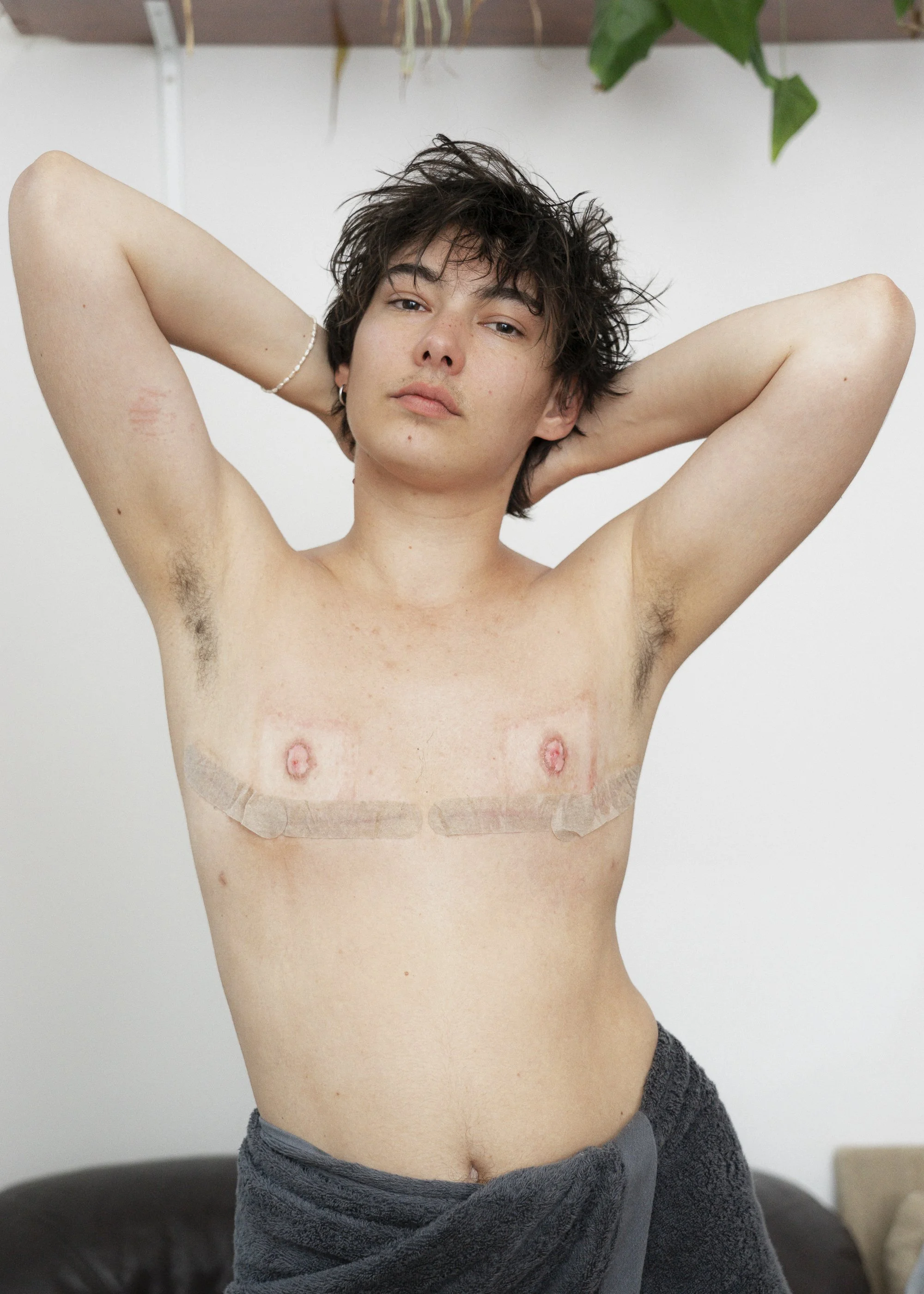
When Britain voted to leave the EU back in 2016, photographer Robert Darch felt an all-encompassing heaviness and sadness, uncertain what the future will bring and concerned about the freedom we lost. Rather than trying to rationalise the decision and to make sense of it, he started taking pictures to visualise his emotions. The Island is now available as a self-published photobook.
Photography Robert Darch
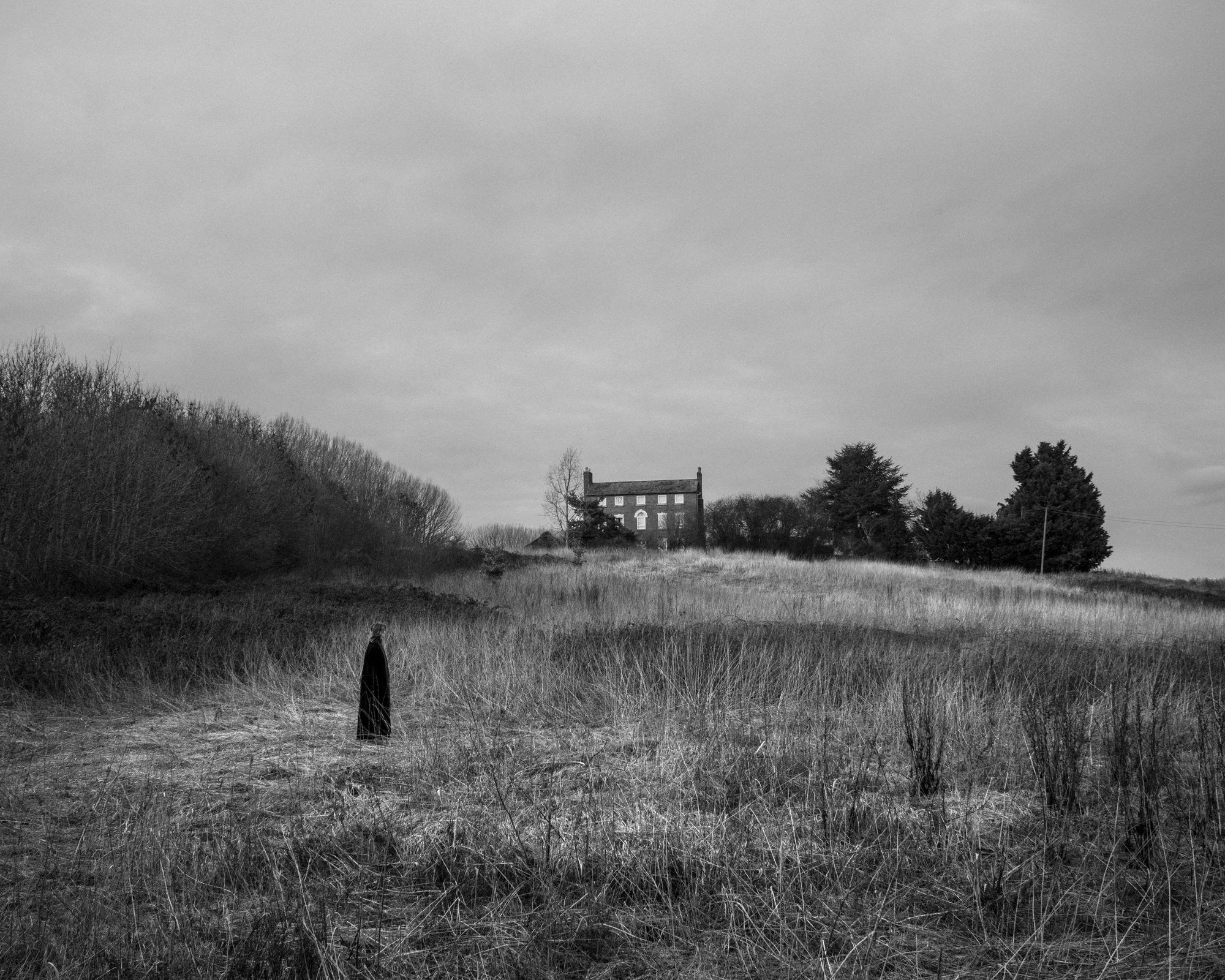
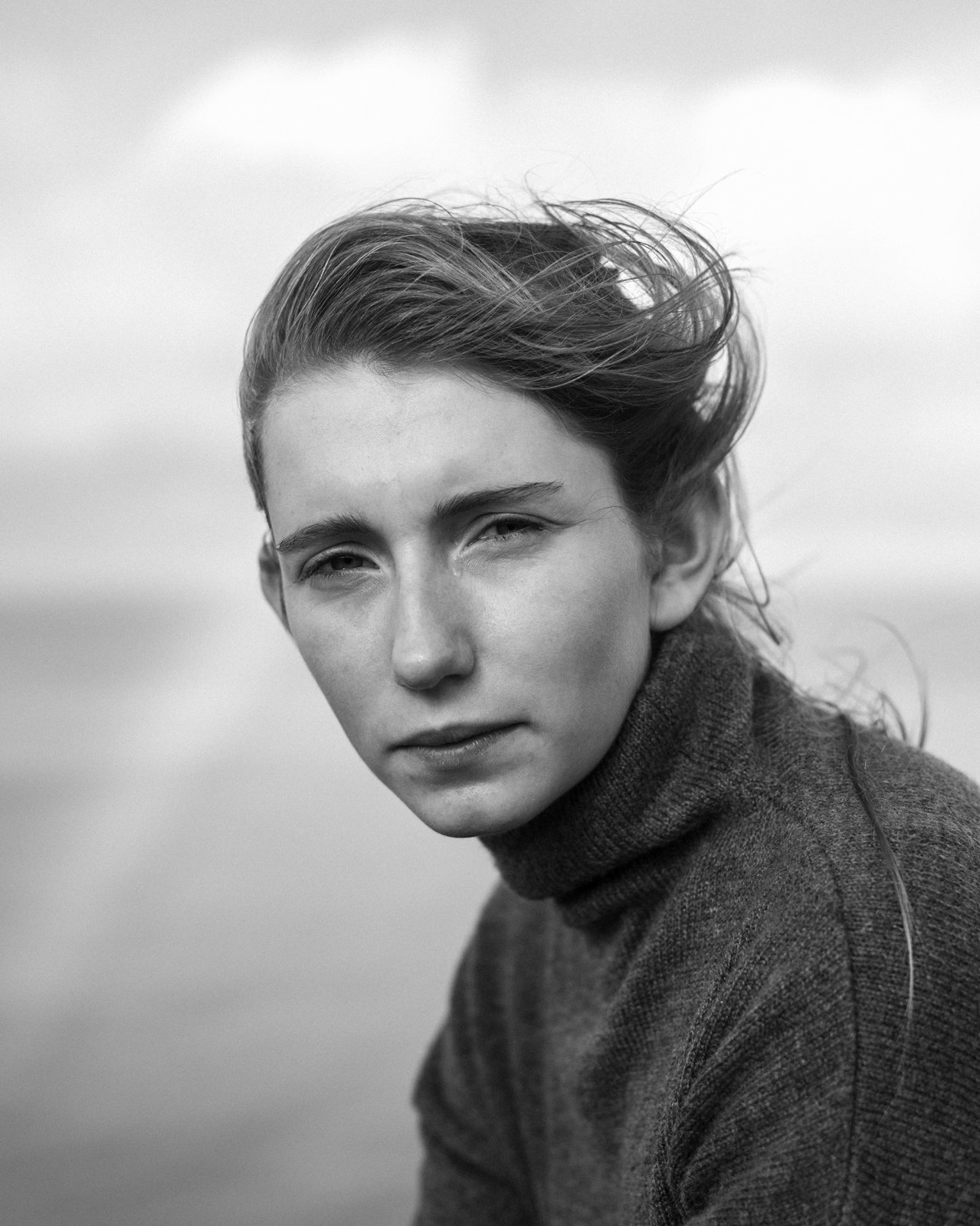
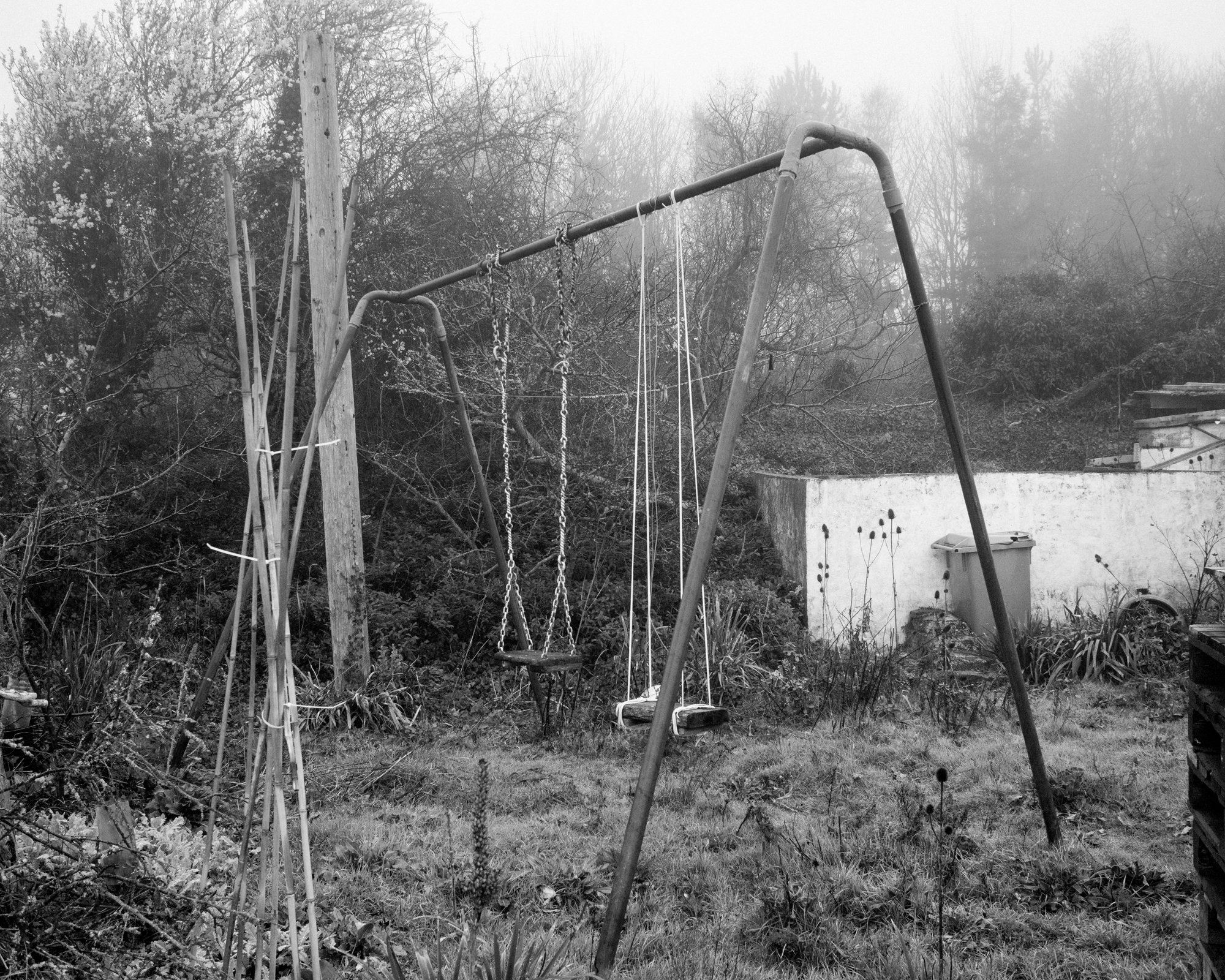
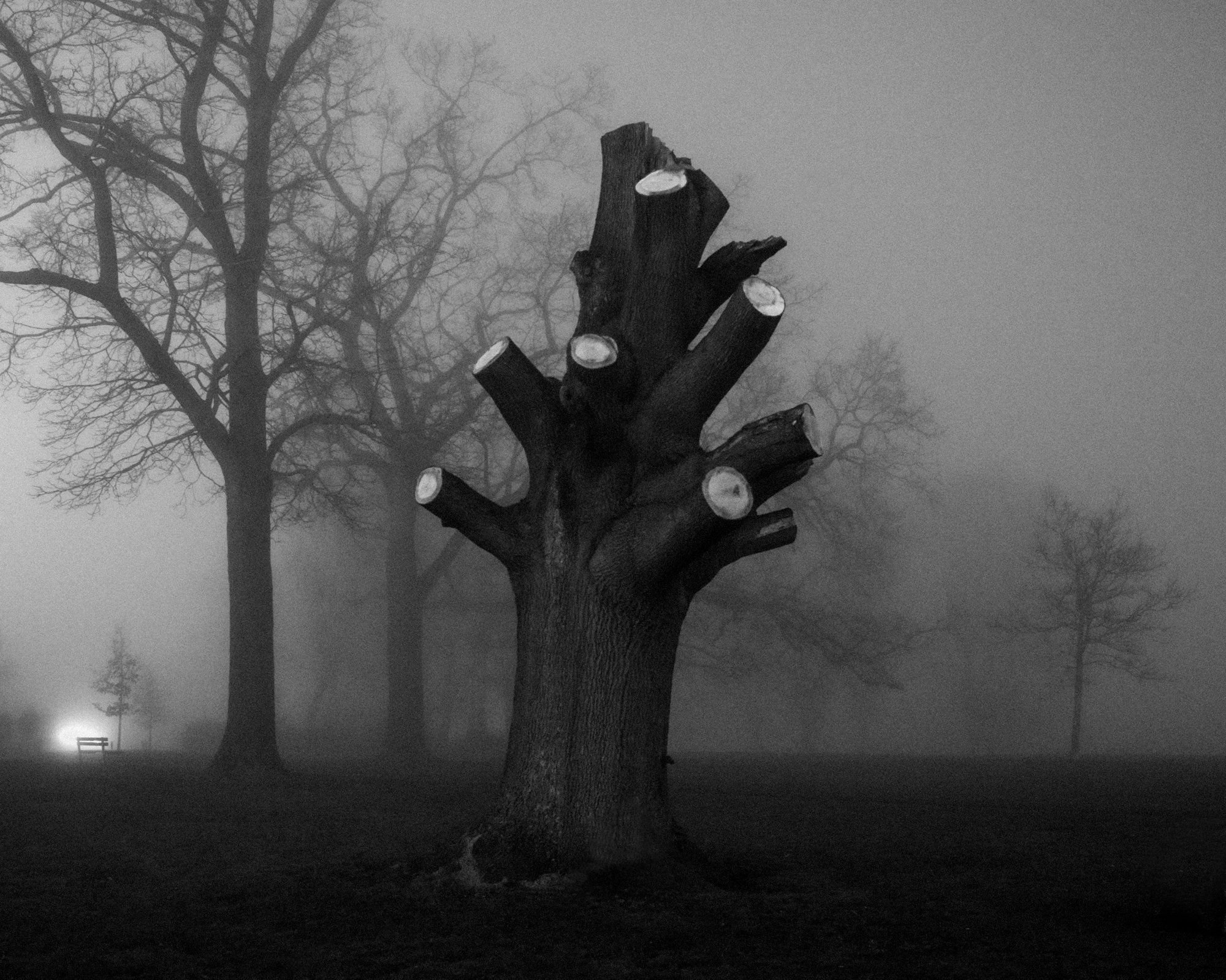
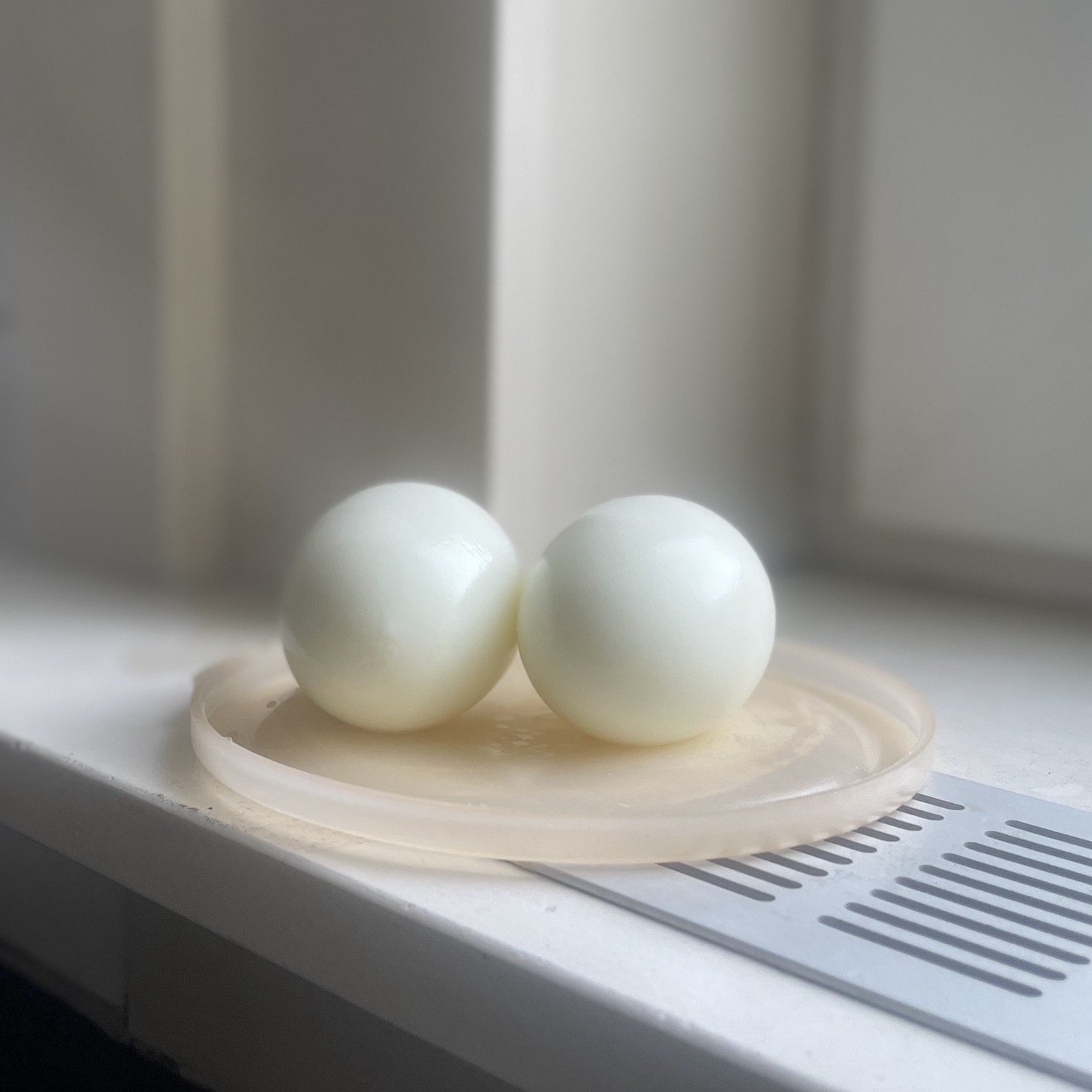
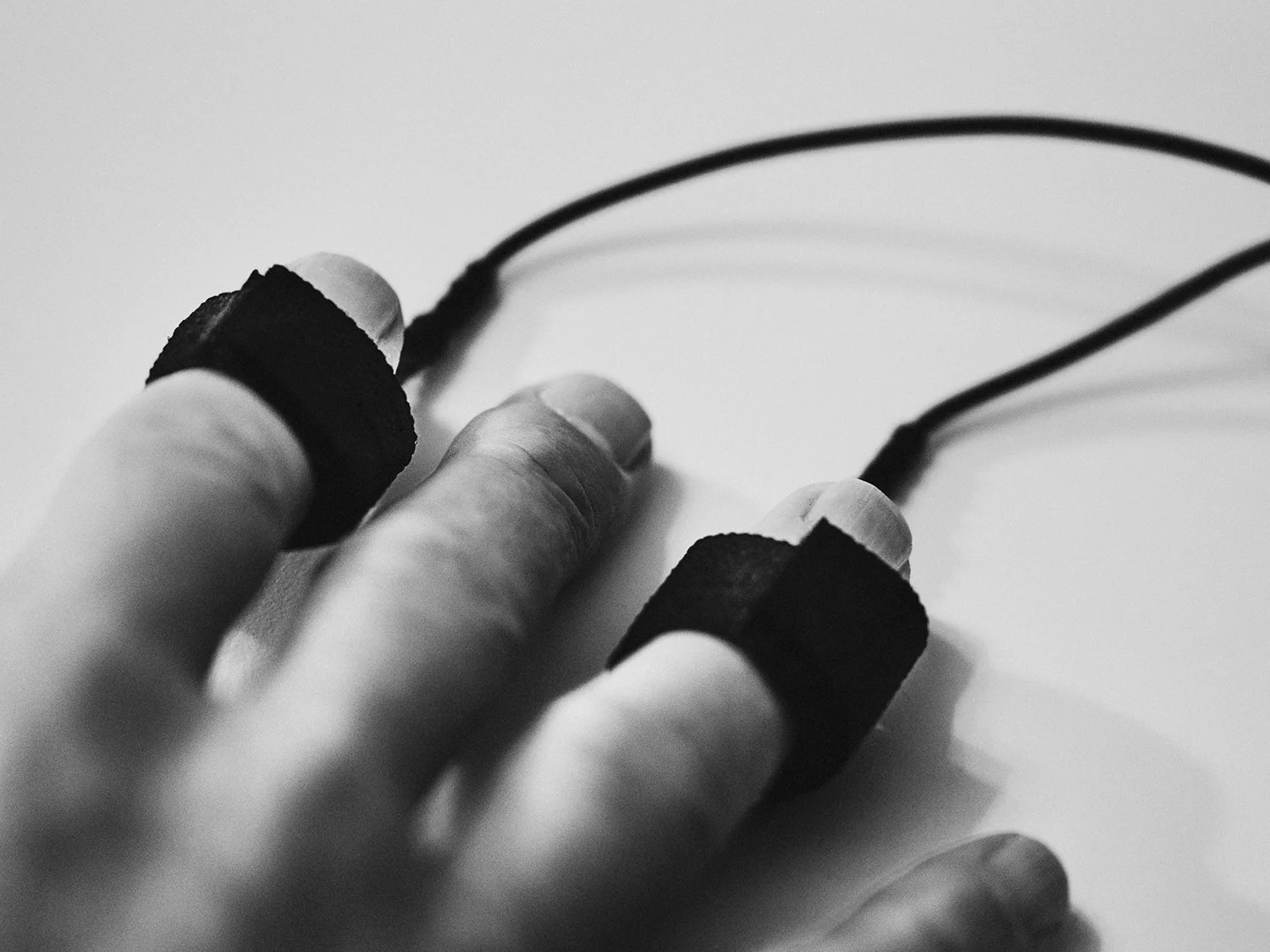
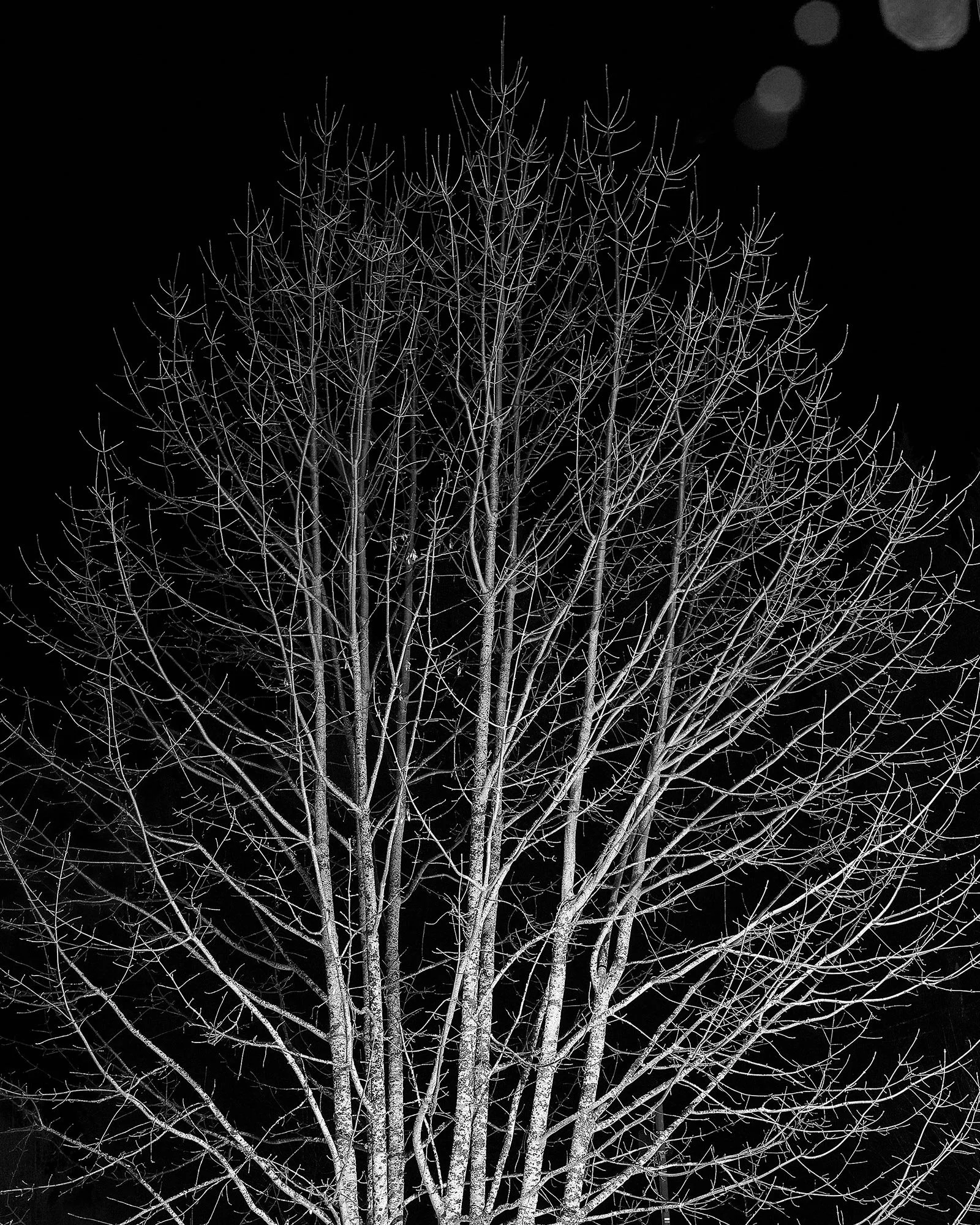
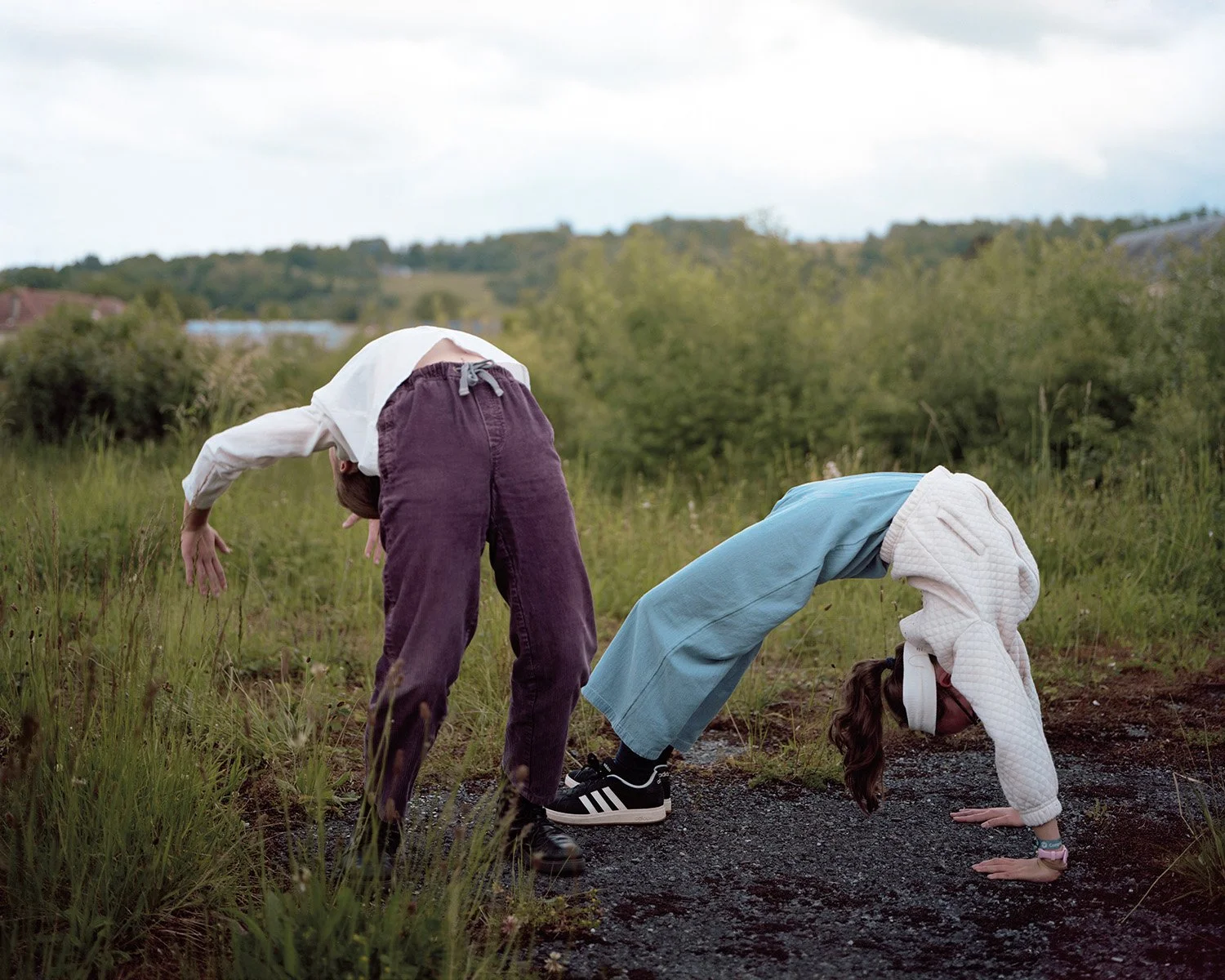
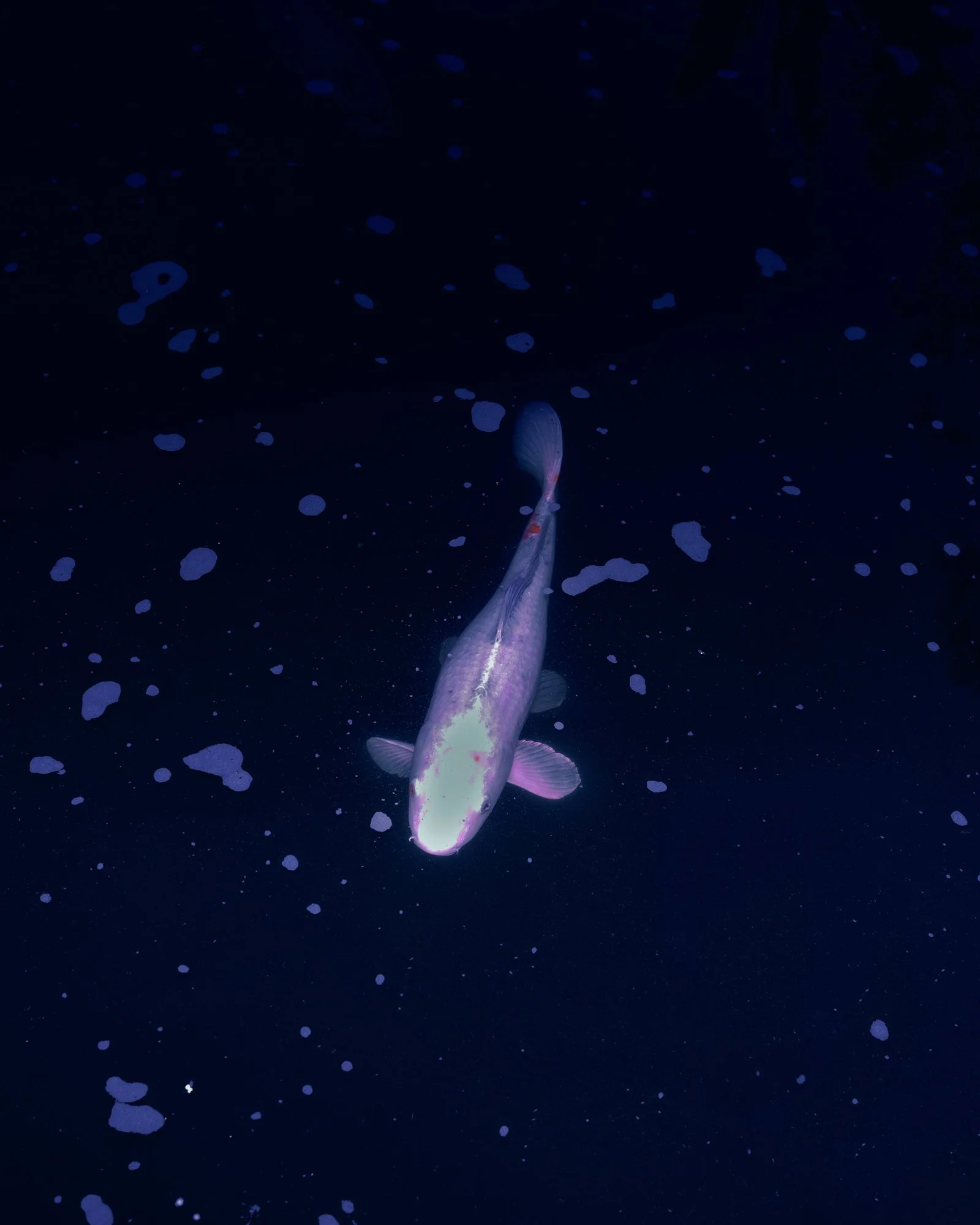
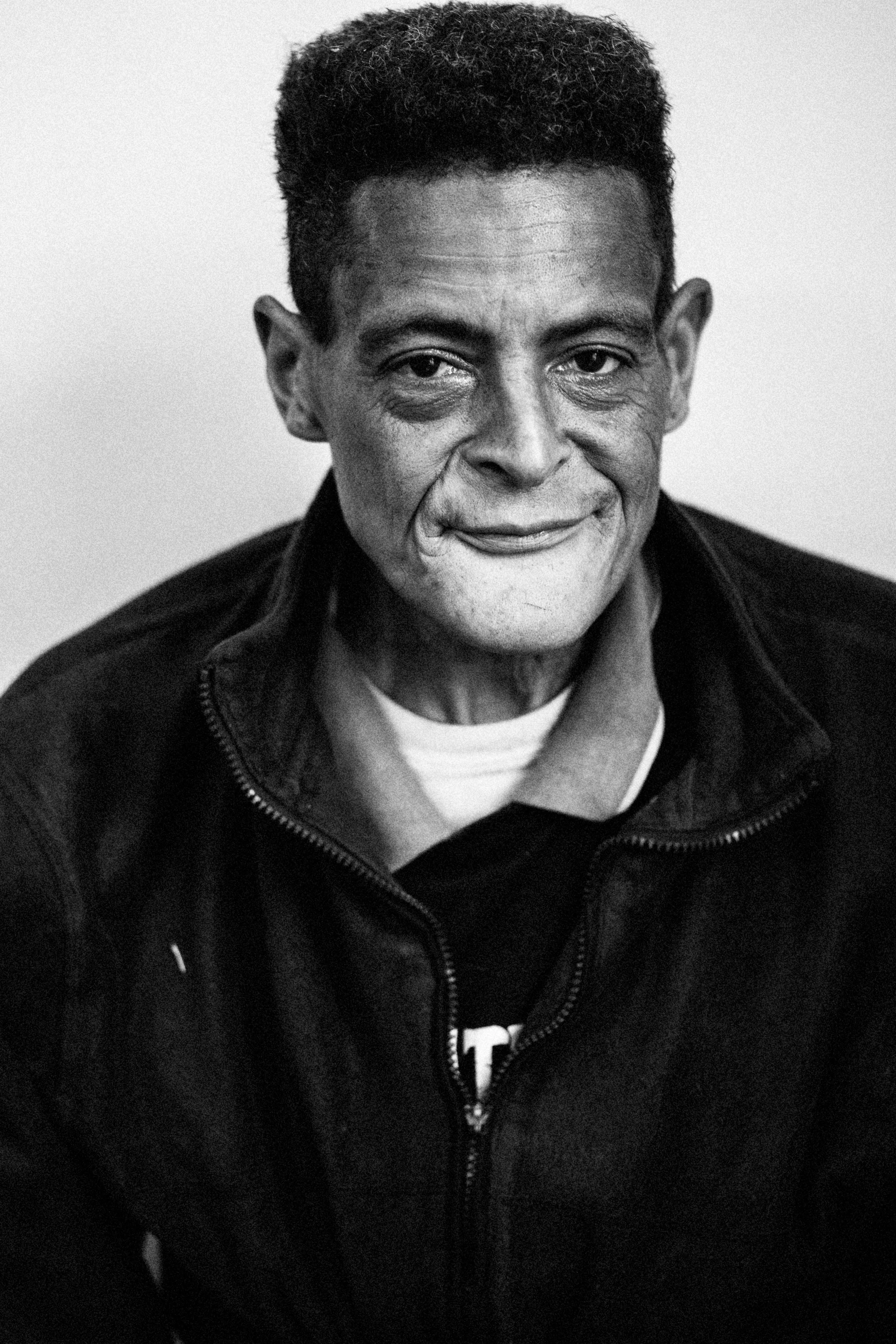
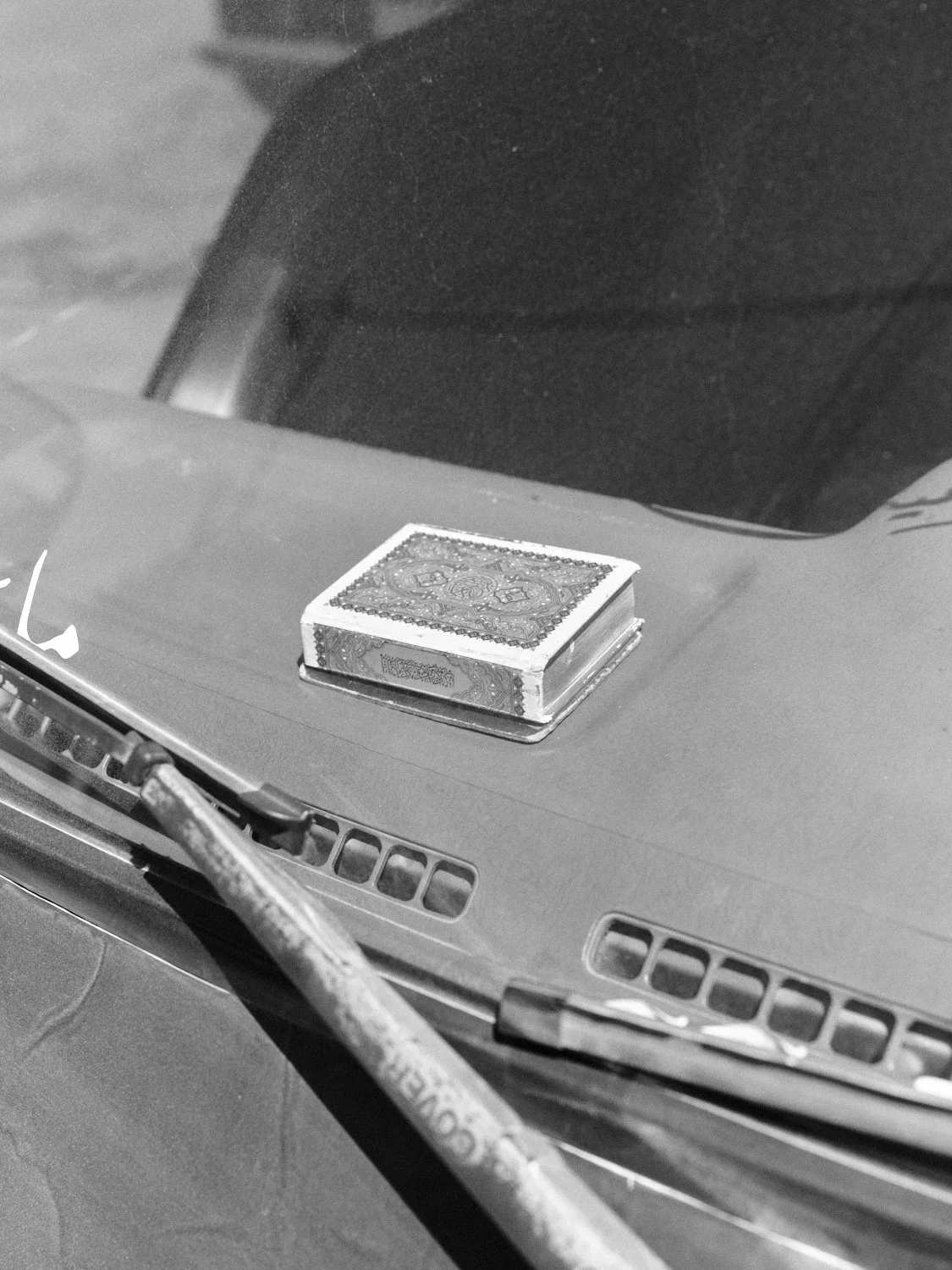
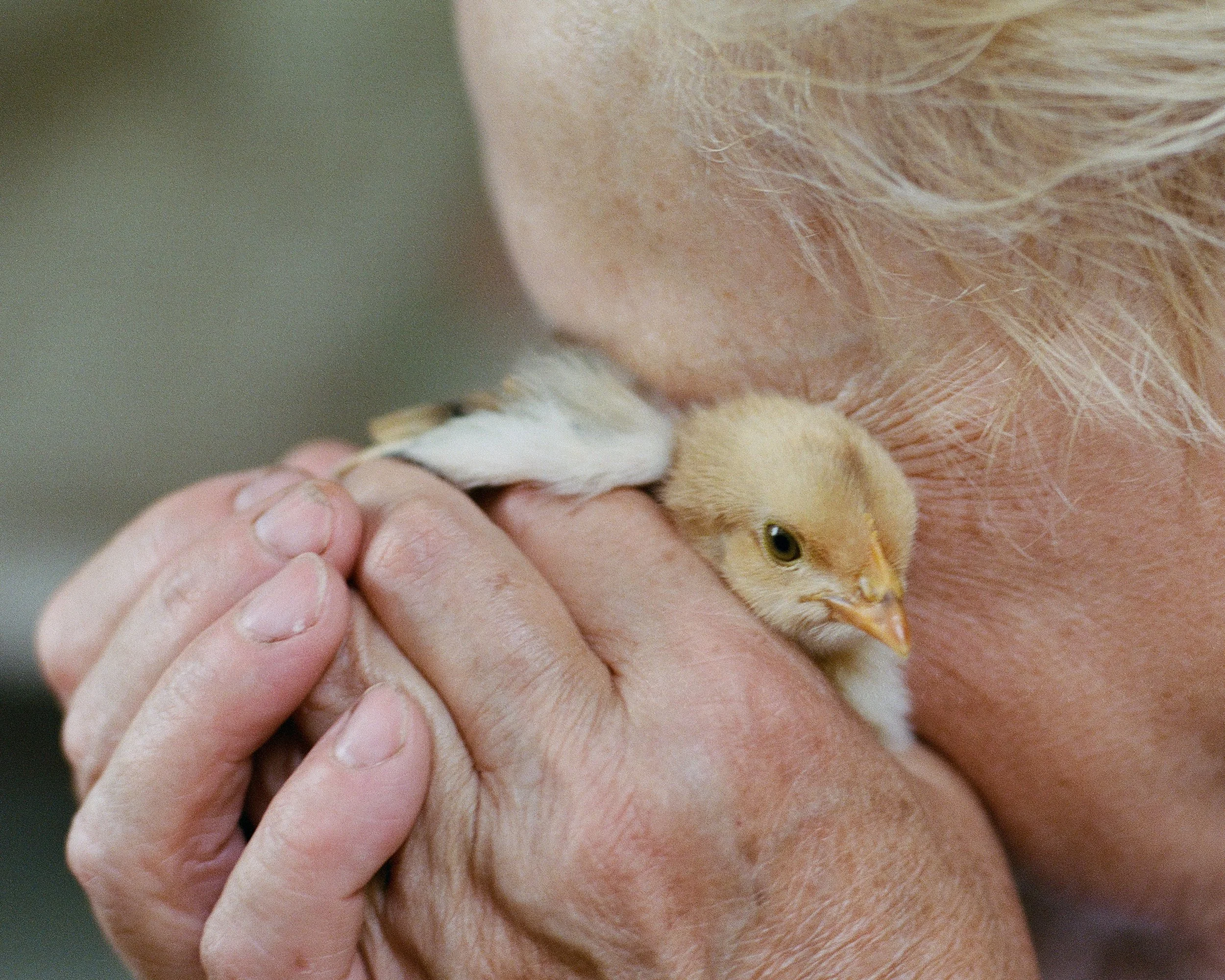
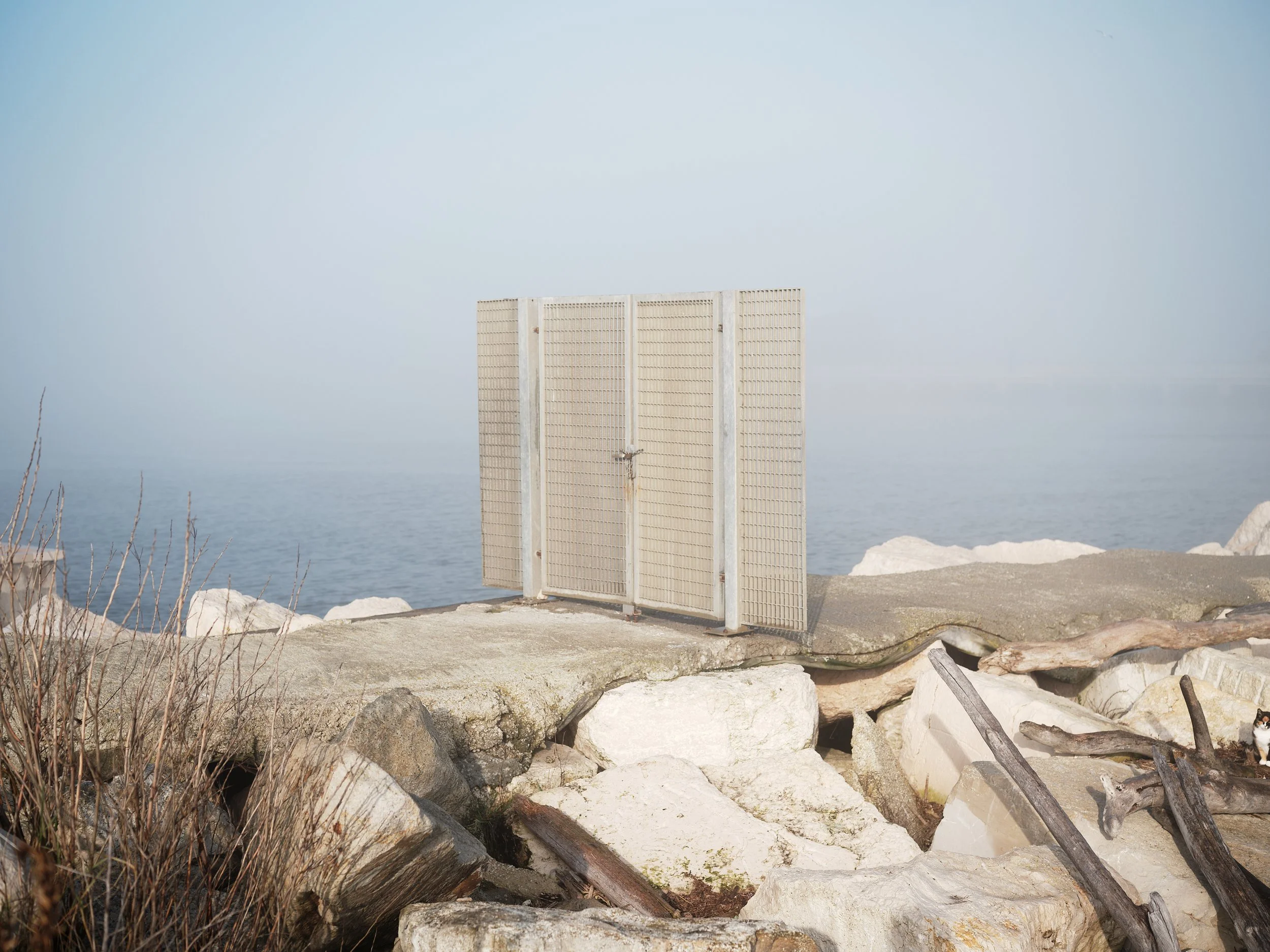
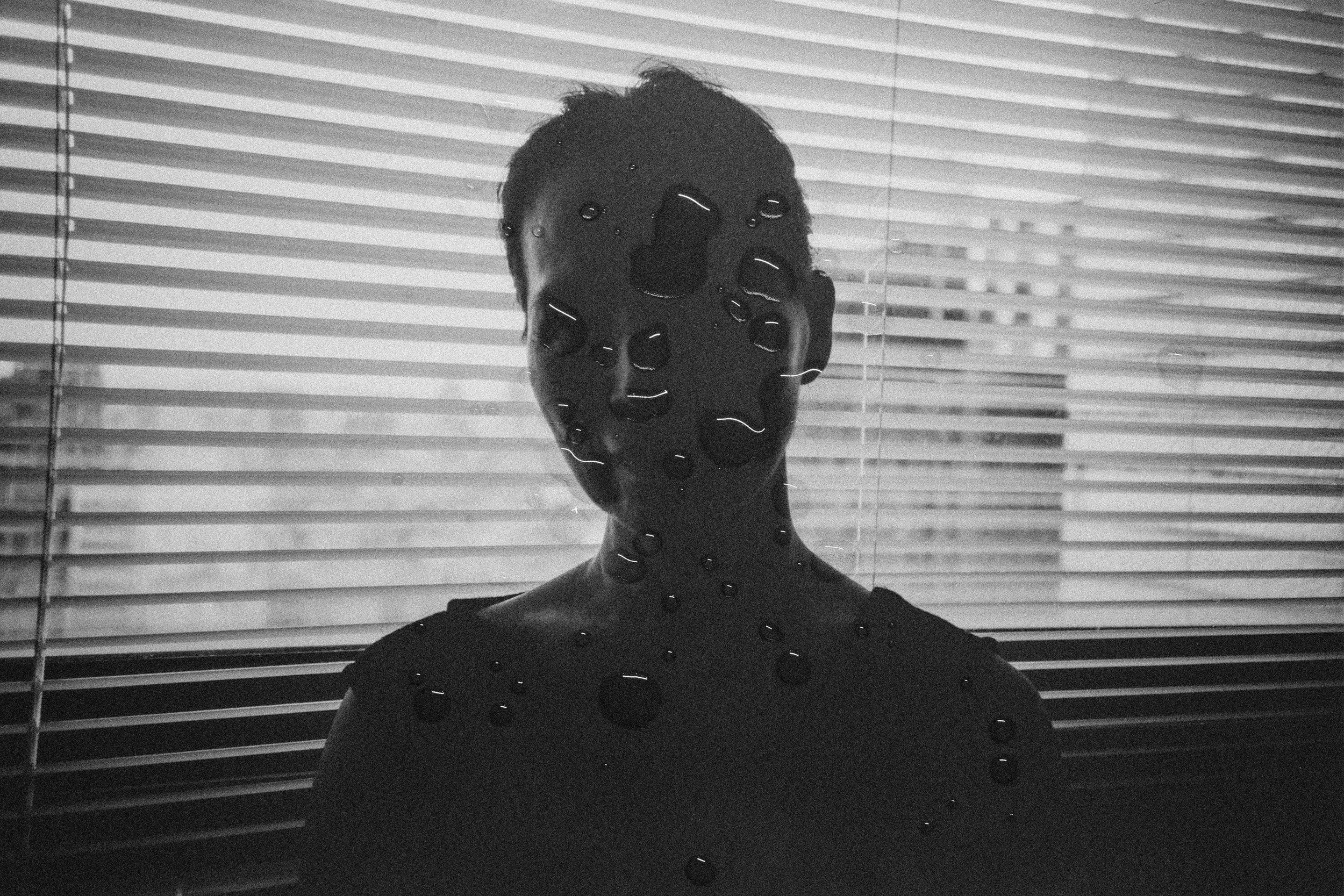
The Island is a new book published by British artist-photographer Robert Darch. Originally conceived as a response to Brexit, the poetic black and white photographs convey the heaviness that he felt and reflect Robert’s anxieties and fears about a decision that will affect younger generations for years to come. The Island draws on formative memories and past emotions to realise a sense of place that reflects the times we are living in.
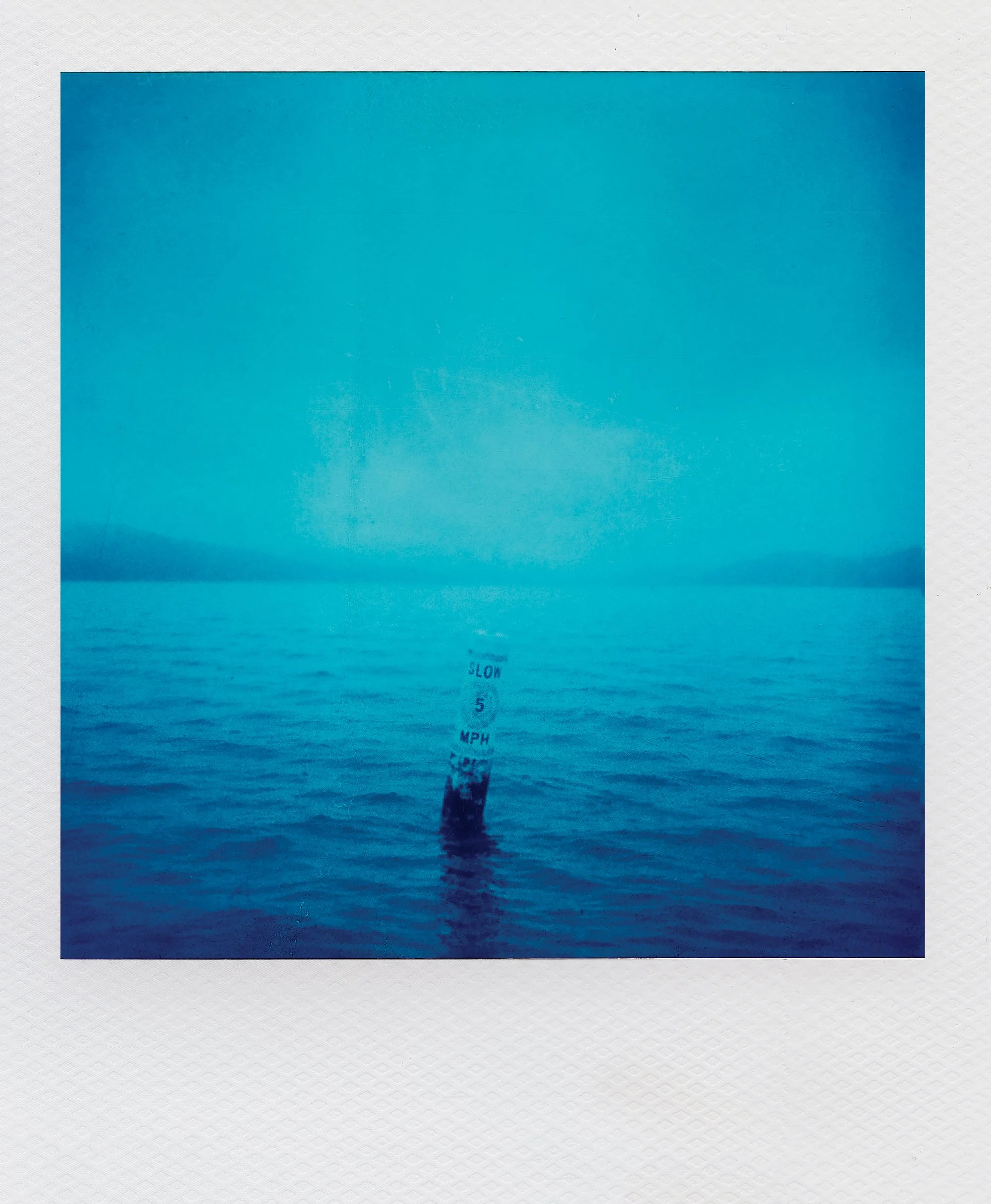
The Island has an overriding sense of melancholy emphasised by the bleak monochrome imagery and cold winter light, shifting from dark corners, intimate portraits, misty landscapes and isolated figures. There is an unreality, a dreamlike quality and a horror that is prophetic of events to come in The Island.
“How can photography negotiate a world where reality has become odder than fiction? Darch’s latest series, The Island, provides an answer. Landscapes and portraits together capture a country racked with tension. They are shot in black-and-white, and suffused with an almost palpable melancholy. The sea, emblematic of Britain’s decision to detach itself from its neighbours, is a persistent and forbidding presence.”
British Journal of Photography
About Robert
Robert Darch is a British artist-photographer based in the South West of England. He has published and exhibited widely and his photographs reside in public and private collections.
He holds an MFA with distinction in Photographic Arts and a MA with distinction in Photography & the Book from Plymouth University. He also has a BA with honours in Documentary Photography from Newport, Wales and is an associate lecturer in photography at Plymouth University.
To see more of his work, visit his website or follow him on Instagram
READ NEXT
Mille-Feuilles (A Thousand Layers) is a decade-long photographic project exploring bi-national identity, inherited longing, and imagined belonging. Through layered, fragmentary images, it traces memory, migration, and placeless desire, questioning how images can become a refuge when home exists only as absence, fiction, and feeling.
The Grass Needs to Be Cut is a photographic project made in northern Portugal by Bruno Pereira Ribeiro, unfolding across seasons and repeated encounters with the tradition of Chegas de Bois. Through bulls, landscapes, and social rituals, the work examines power, place, and community, revealing a nuanced portrait of a region shaped by tradition and environment.
Voyeur2 brings together eight photographers whose work interrogates kink and eroticism across multiple genders, sexualities and subcultures. For ZERO.NINE, curator and contributor Matt Ford interviewed Joaquin, a London-based gay portrait photographer who has spent over a decade inside the city’s fetish scene and is also part of the exhibition. He has shaped the visual identity of Fetish Week London and Recon, collaborated with the Tom of Finland Foundation, and contributed to major kink archives and exhibitions.
Archipelago explores the fragile balance between connection and solitude. Through staged scenes featuring friends and family, Yolanda del Amo examines how class, family, and gender shape our identities and relationships. Each photograph becomes an “island”: a quiet, charged space where intimacy and distance coexist, revealing the tensions of living together and apart.
Dr. José Martínez-Fonseca’s series Bat Portraits reflects his commitment to documenting wildlife in some of the world’s most understudied regions. Guided by a belief that photography and research can transform fear into understanding, he captures intimate, revealing portraits that highlight bats’ beauty and ecological importance. His images invite us to look closer – and to reconsider animals often misunderstood or overlooked.
Congolese artist Léonard Pongo’s first solo show in the UK, Apophenia, explores ways of knowing a place as rich and complex as the DRC. He interprets the land as a reactive entity in an attempt to show that a living body of knowledge is a valuable as other more sterile ways of knowing a place. It’s a deeply moving act of decolonisation that functions on an almost sensory level. We spoke to him about his work.
Invisible Sun is a deeply personal photography book from photographer Amani Willett and Dust Collective. A visual meditation on survival, transformation, and fragility, the project traces the impact of childhood medical traumas and the ways they continue to reverberate through the present.
Inspired by Dorothy’s famous words, No Place Like Home reimagines the idea of home as both comfort and illusion. Set within an imaginary doll’s house, the series explores memory, loss, and identity, where the longing to return collides with the inescapable confines of nostalgia, femininity, and the shifting meaning of belonging.
Gumsucker by Rory King mourns the vanishing Australian wilderness and the quiet erosion of spirit that follows. Through haunting, tender images of isolation and resilience, King’s work traces the tension between nature and civilization, where loss, memory, and belonging intertwine in a poetic reflection on the fading frontier and its lingering ghosts.
In Close to Home, photographer Laura McCluskey turns her lens toward her grandparents’ house on the Isle of Sheppey — a place filled with memory, love, and quiet change. Shot over a decade, the project tenderly explores family, belonging, and the healing power of returning home.
In No Woman’s Land, photojournalist Kiana Hayeri and researcher Mélissa Cornet travel through seven Afghan provinces to document women’s lives under Taliban rule. Through intimate portraits, interviews, and collaborative artworks, the book offers a vital record of gender-based persecution — and the extraordinary resistance of those living through it.
Florida Boys is a five-year photographic project by Florida-based photographer Josh Aronson that reimagines coming-of-age in the American South. Travelling Florida’s backroads with young men, Aronson stages tender, atmospheric scenes that explore masculinity, belonging and landscape. The images are presented in his exhibition at Baker–Hall (Miami, FL), on view October 18 – November 22, 2025.
London-based Purist Gallery presents Unyọñ Ufọk (Going Home), an intimate photo-and-film exhibition by Nigerian-British artist Emily Nkanga. From 9–11 October 2025, the show navigates grief, memory, and the emotional terrain of “returning home” through visuals rooted in Akwa Ibom, Nigeria.
The after-show party for Matières Fécales’ latest collection at Paris Fashion Week unfolded deep into the night, a striking extension of the brand’s provocative vision. The queue outside already told us what to expect – this was the place to be. A following unique in the Fashion world, Hannah and Steven create a world, where music, art and fashion collide in the best possible way.
For the forthcoming exhibition CHEMTRAIL: This is Killing Us in Soho, London, artist and photographer Matt Ford has created an accompanying zine that cuts through the noise around Chemsex. Commissioned by Impulse London, the exhibition shines a stark light on the impacts Chemsex – physically and mentally. The subject remains taboo, often reduced to statistics or hidden from public view. Ford’s zine and the rest of the exhibition refuse to let that happen.
Claire Rosen’s Birds of a Feather is a sumptuous new photobook that captures 120 live birds in vivid portraits staged against ornate, historically inspired backdrops. Blending art history, design, and ornithology, Rosen’s decade-long project reflects on beauty, belonging, and humanity’s complicated relationship with nature.
Saṃrachanā is a photographic meditation by New York-based artist Haren Mehta, exploring Rajasthan’s cultural architecture through the luminous setting of Jaisalmer. Blending symbolism, tradition, and innovation, the series reflects on how form becomes language, honouring Rajasthan not just as a destination but as a living composition of identity and craft.
Photographer Ying Ang’s latest photobook, Fruiting Bodies, debuts at the New York Art Book Fair. Exploring mushrooms as biological and feminist symbols, Ang’s intimate images challenge conventional ideas of fertility, aging, and the female body. The work reframes postmenopausal life as a site of intelligence, presence, and quiet power.
In the Spanish town of Béjar, once a thriving textile hub, participatory art and photography converge to explore memory, absence, and collective imagination. Acciones sobre Béjar transforms public spaces and personal narratives into visual and poetic archives, revealing the town’s past, present, and potential futures through dialogue, gesture, and community.
We are proud to present Now You See Me, an editorial by Barcelona-based photographer Sofia Luz. Inspired by the book of the same name, the series explores lesbian identity through striking visual codes, celebrating resilience, visibility and authenticity. Luz’s bold imagery bridges past struggles with present-day expression, offering a powerful ode to diversity and the beauty of living unapologetically.
In Blue Valentines, Russia-based artist Ida Anderson transforms the fragile form of a postcard into a vessel for memory, loss and longing. Using the cyanotype process, she renders Moscow in shades of haunting blue — part love letter, part elegy. Juxtaposing tenderness with unease, these images ask what it means to belong, to leave, and to remember a homeland fractured by war.
In The Enchanted Ones, photographer Stephanie Pommez invites readers into the mystical world of the Ribeirinhos, the river dwellers of the Brazilian Amazon. Shot entirely on 35mm black-and-white film over three years, her work captures the profound bond between nature, myth and community. Centering on traditional midwives, the book unveils a culture where ancestral knowledge, storytelling and the unseen converge, blurring the boundaries between reality, memory and imagination.
A Quiet Homage invites viewers into a contemplative space where art history and contemporary sensibility meet. Drawing inspiration from the harmony and sensual poise of the Italian Renaissance, the series reinterprets classical motifs through a modern lens of sustainability and restraint
Icons of the Wild by Swedish photographer Johan Siggesson is a celebration of Africa’s most recognisable animals – elephants, lions, cheetahs, zebras and more – captured in their natural environments without staging or interference. Using low, wide perspectives, Siggesson creates intimate yet respectful portraits that highlight both the animal and its surroundings. This series honours the quiet strength and presence of wildlife, reminding us of what endures and deserves our attention.
With a sharp eye for atmosphere and emotion, photographer Burak Yasar turns his lens toward the hidden world of nightlife. His work captures not only the surface energy of music and movement, but also the fleeting, vulnerable moments that emerge in the shadows.
Berlin-based mixed media collage artist Rita Evs explores fragility, trauma, and the notion of “home” within a multicultural context. Her work transforms everyday elements into unfamiliar forms, prompting viewers to look anew at what they think they know.
Photographer Michéa Nathan captures the soul of Saintes-Maries-de-la-Mer during its annual pilgrimage. Each May, this small Mediterranean village becomes a meeting point for faith and tradition, as thousands gather to honor Saint Sarah the Black in a celebration that unites communities through music, devotion, and shared heritage.
This shoot, Fighting for Identity, draws a parallel between the boxing ring and the everyday battles of living authentically as a transgender woman. The gloves and gear embody societal pressures, while the model’s presence radiates resilience, vulnerability, and defiance. Juxtaposing strength with femininity, the images challenge outdated notions of gender. It’s a story of exhaustion, courage, and ultimate triumph—the universal fight for respect, dignity, and freedom.
Through intimate portraits of actors, dancers, sex workers, and mothers, the work navigates the raw and often uncomfortable space where desire and maternal identity intersect. “The Body Is Not A Thing” is a photographic exploration of the tensions between autonomy, sexuality, and motherhood. Conceived during lockdown and shaped by a political landscape increasingly hostile to women's rights, the project interrogates how women are viewed and how they view themselves in a culture saturated with the male gaze.
Paw Paradox is a thought-provoking project by German photographer Caroline Heinecke that explores the surreal history of animal trials — where pigs, insects and even elephants were brought before human courts. By blending AI-generated imagery with documentary photography, Heinecke investigates the shifting boundaries of legal rights, ownership and agency between species.