Las Sillas de la Explanada
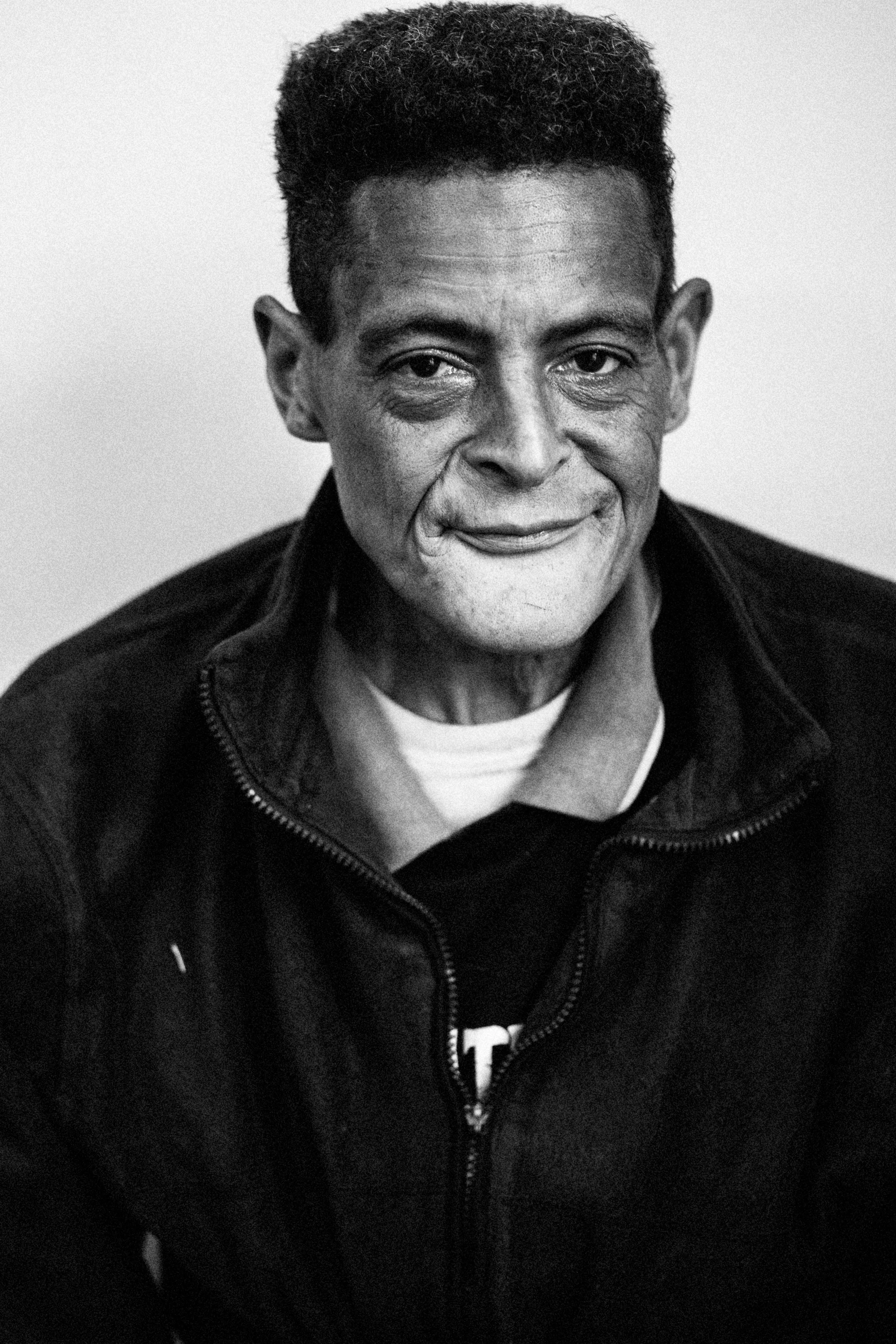
Between 2016 and 2019, London-based photographer Alex Amorós has been documenting elderly people taking a seat at ‘Las Sillas de la Explanada’ in his hometown Alicante.
Words and Photography Alex Amorós
The mission of this project was to show an endearing and familiar place for many of us. Several generations of people from Alicante and visitors have passed and chatted during some time of their lives in such an emblematic and at the same time homey place.
Las Sillas de La Explanada have always caught my attention. When you take a seat on them time freezes, the Mediterranean character of our city is appreciated, in them many stories coexist and inhabit, they represent our past without discarding the present and the future.
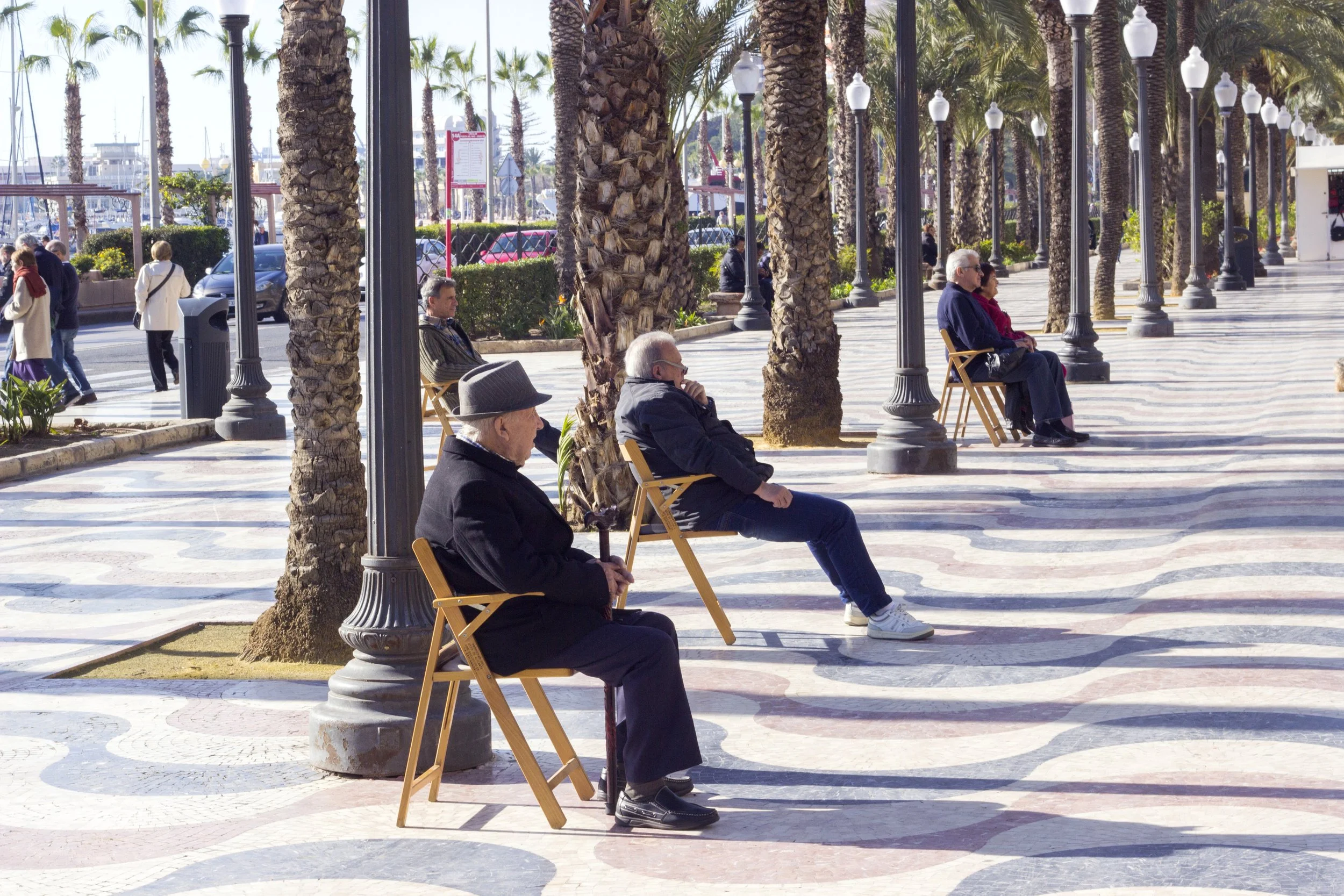
My first major photographic project, Londoners, was about the isolation of big cities, speed, lack of time to spend a conversation with others and from a distance with human beings. This project began with a total different approach. I wanted to show the pause of time, the conversation, the connection with the subjects by listening to them, these are parts of the project that followed with a portrait capturing the essence of the environment and the person.
A multitude of anecdotes and good times have surrounded me during this journey. As a result of the pandemic, the project came to a halt, but at the same time it offered me the opportunity to show what pre-Covid life was like. This project is also a small tribute to our elders who are the usual residents of those chairs and who unfortunately have been the most affected by this tornado that has hit us during this year and a half .
"The photo that on a personal level symbolises this project is the one of my great-aunt Lolín Vives, who’s making an effort during Christmas Day 2019 came with me to be portrayed in perhaps her last walk in her own.
"In times where speed, lack of focus on attention and robotisation of the human species is usual, something quite appreciable in big cities, this project was born from the idea of showing life in medium-sized cities, calmness and communication. My humble contribution intends to do it through a place as significant as La Explanada and through something as clickable as its historic chairs and our elders .”
“The main objective of this project was to show an endearing and familiar place for many of us.”
READ NEXT
Inyeon is a Korean word for the connections between people that feel deeper than coincidence. In this series, the relationship between father and son unfolds slowly and intuitively, without a fixed narrative, focused not on specific moments but on presence itself.
In Where the Water Waits, photographer Michael Behlen explores California's Millerton Lake as a landscape suspended between control and uncertainty. Created over three years using rare monochromatic Polaroid Reclaimed Blue film, the project captures the reservoir during storms, transforming a heavily engineered water system into an atmospheric meditation on impermanence, memory, and the ever-changing relationship between land and water.
In Contrapasso, Italian photographer Massimiliano Corteselli examines the mythological and archetypal dimensions of man-made wildfires in the Mediterranean. Drawing on Dante Alighieri's concept of divine retribution, the project weaves together photography, folklore, and symbolism to reflect on greed, vengeance, and humanity's relationship with the land, creating a visual narrative that shifts between documentary, myth, and social critique.
Why would someone confess to a crime they never committed? In this powerful photobook, Robin Dahlberg collaborates with six exonerees to uncover the hidden realities of coercive police interrogations. Through striking portraits and firsthand testimonies, the book exposes the psychological pressures that led innocent people to confess, revealing a justice system where truth can be dangerously fragile.
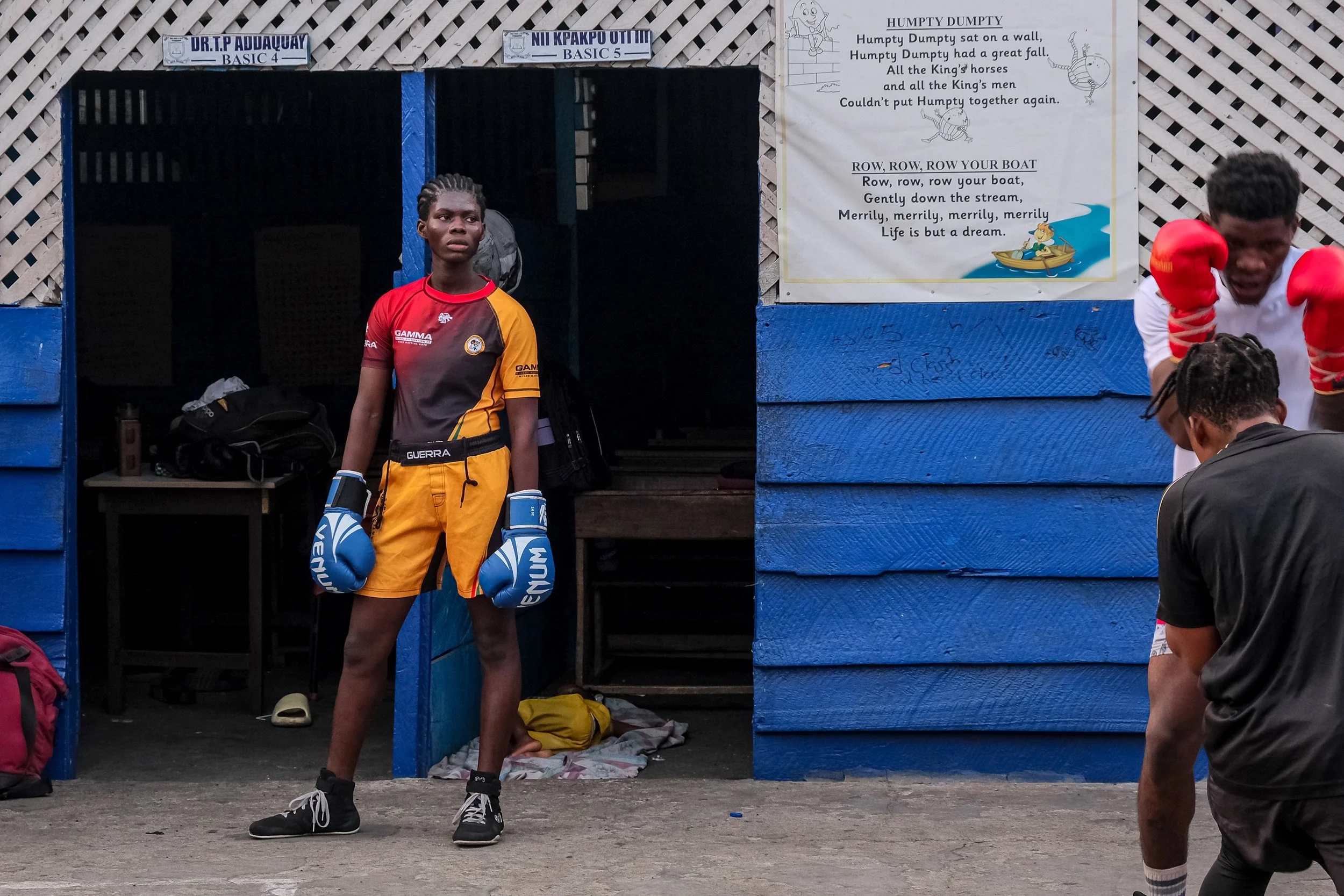
In Jamestown's storied boxing gyms, women like Yarkor Chavez and Naa Amerley Turkson opened a path now walked by Abigail Quartey and Janet Acquah — fighting not just opponents, but poverty, stigma and indifference. Olaoluwa Olowu's Women Who Fight traces three generations of Ghana's female boxers, supported by the Pulitzer Center.
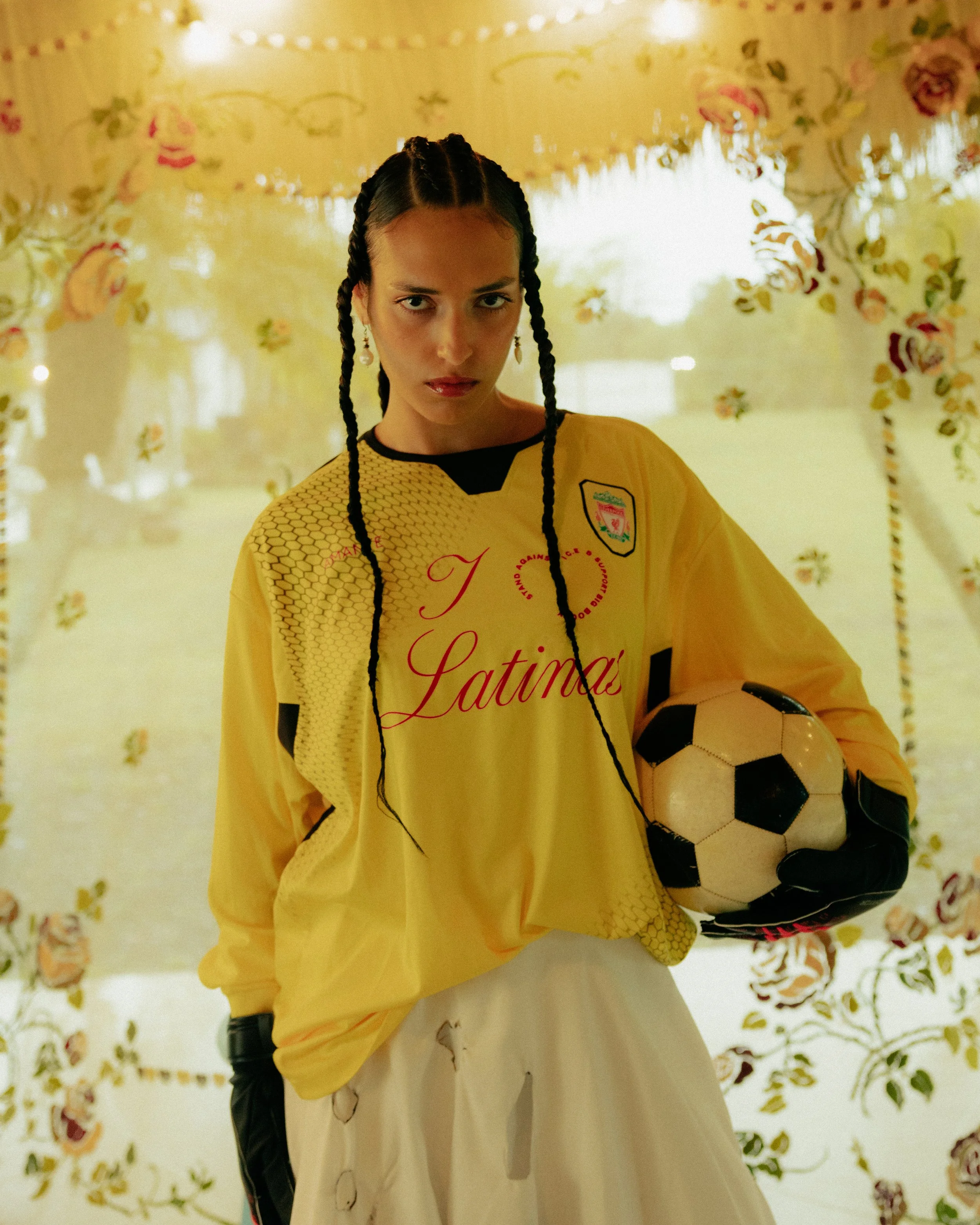
Para La Cultura y Fútbol (For the Culture and Football) explores identity as something lived, fluid, and continually evolving. Through collaboration, colour, and personal expression, New York–based photographer Ivana Cajina creates powerful images that celebrate community, individuality, and cultural heritage, honouring the beauty of identity in motion through shared experience and self-expression.
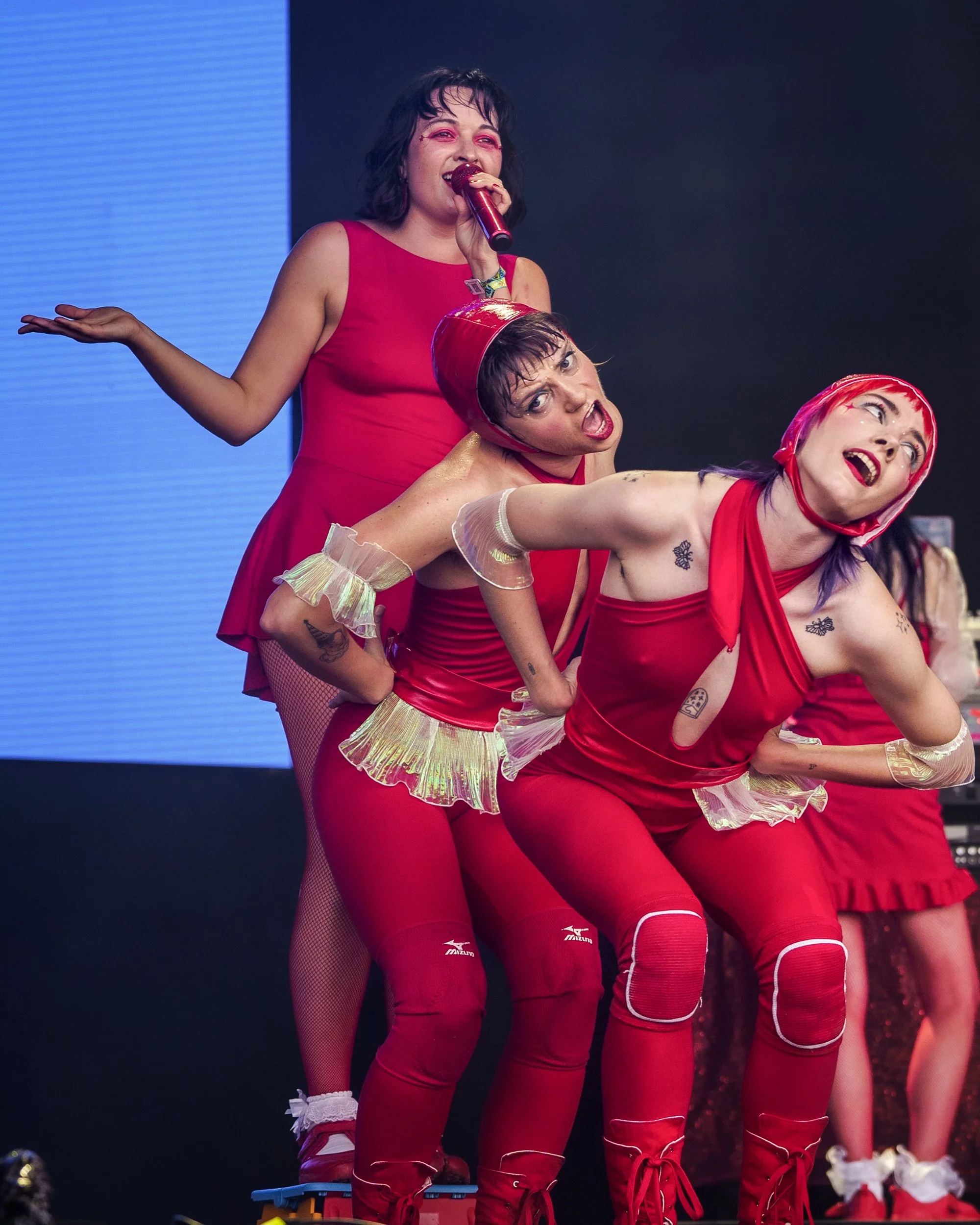
We spoke to the rising, primary coloured star that is Gelli Haha at Primavera Sound 2026. Angel Abaya, known professionally as Gelli Haha, has been featured in Pitchfork, NME and Billboard following her latest album. We spoke to her about her relationship to silliness, vaudeville, and Liza Minnelli.
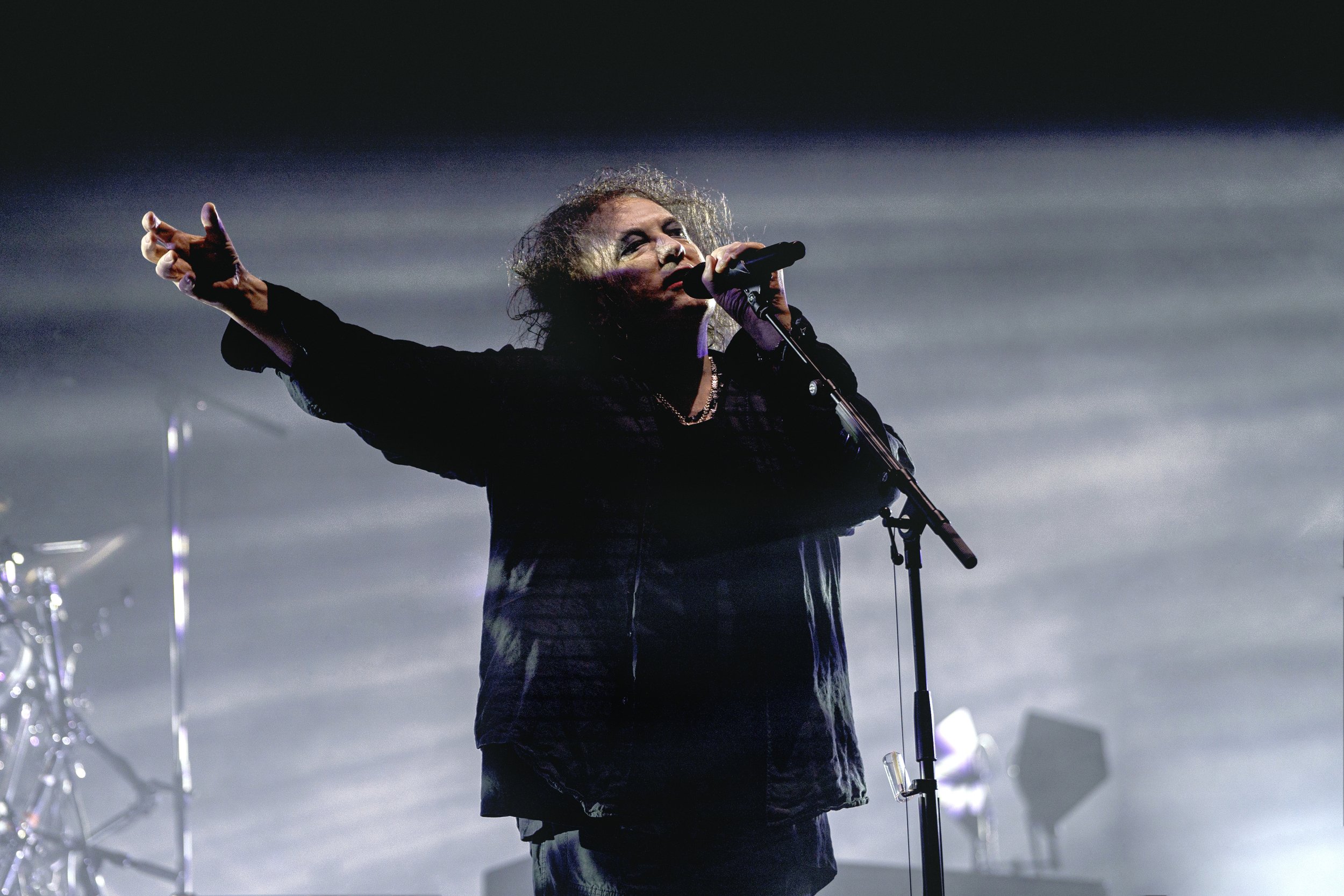
Primavera Sound 2026 was a love letter to glamour and grunge, with unforgettable performances by the likes of The Cure, Olivia Rodrigo, Ethel Cain and Kneecap. We take a look at the festival’s highlights.
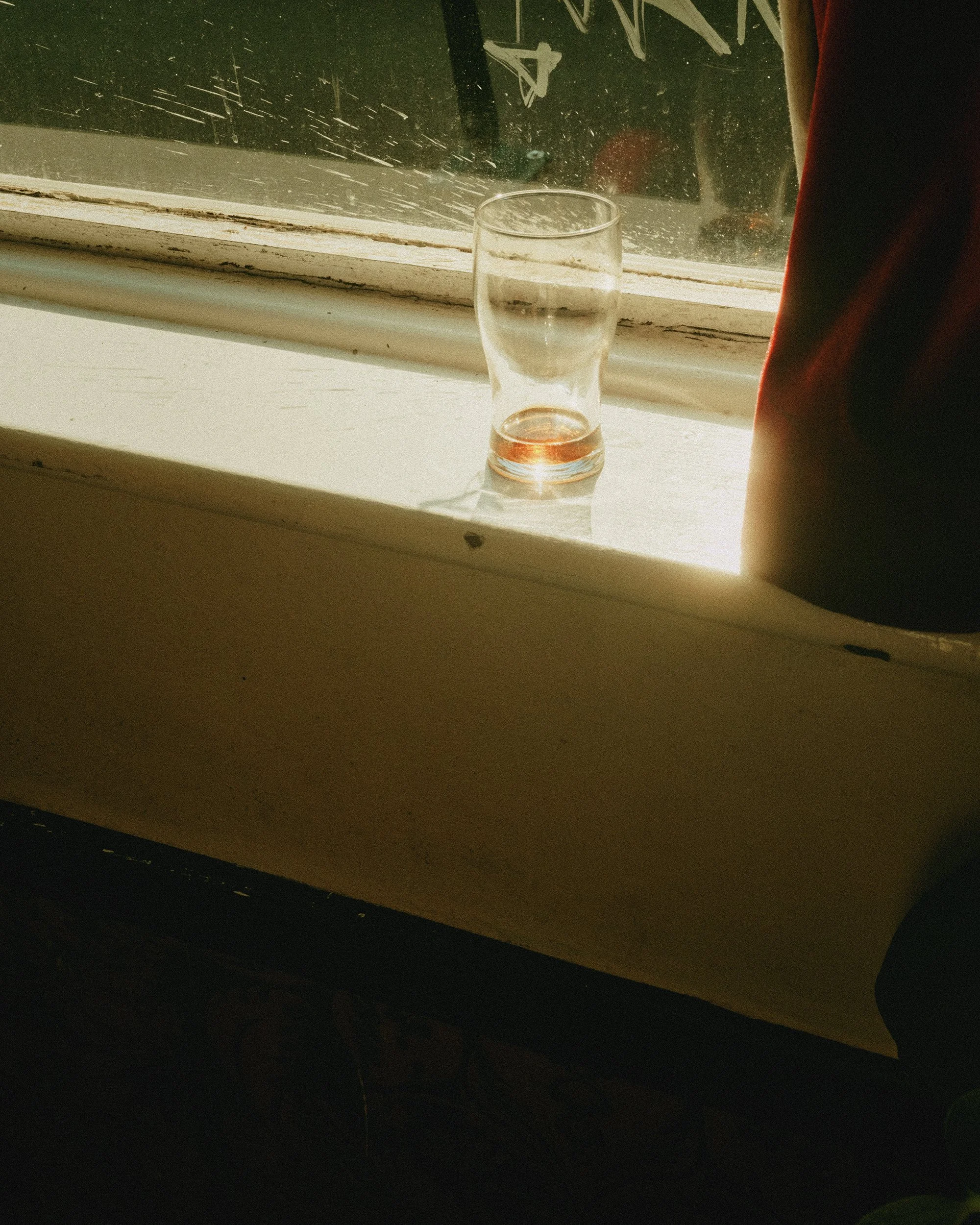
Drinks photographer Ned Gibbs turns his lens toward the fading heart of England’s pub culture. Documenting pubs in quiet decline, the series captures the atmosphere, nostalgia and human traces left behind in these communal spaces. Both elegy and celebration, the work reflects Gibbs’ enduring fascination with the rituals, stories and connections formed around drinking culture.
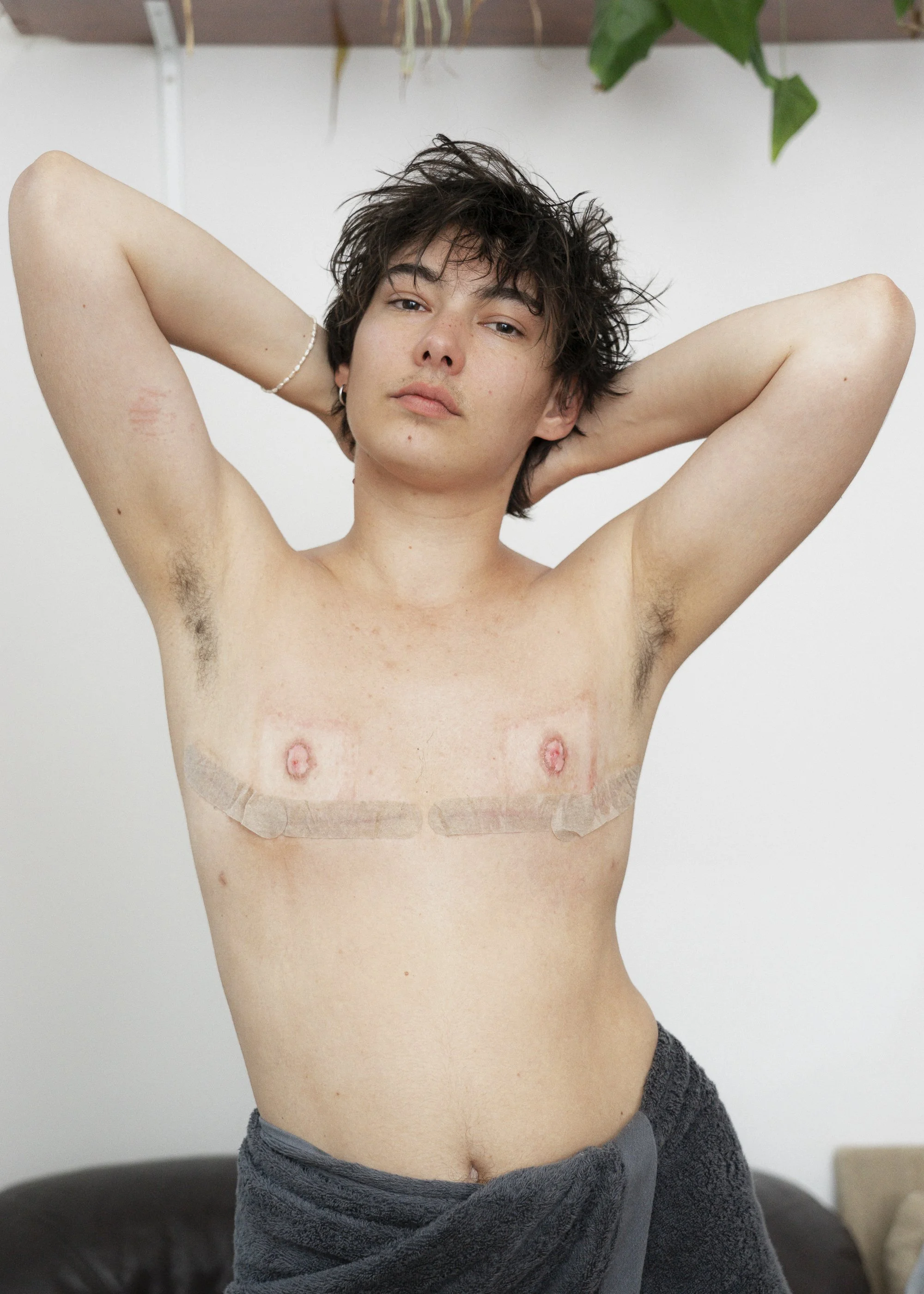
“My Nipples Get Harder Than Your Dick” is an ongoing project by non-binary photographer Maria Bolz exploring gender identity, bodily autonomy, and external perception through self-portraiture. Blending vulnerability with humour, Bolz confronts the projections and misunderstandings imposed onto their body, reclaiming the gaze as an act of resistance and self-determination.
In Meteor Ghosts, photographer Florian Luthi revisits a little-known 1954 UFO case in the Jura, tracing how a children’s story evolved into local folklore and international sensation. Blending archival research, documentary photography, and staged imagery, the project explores the fragile space between testimony and invention across the mist-covered landscapes of the French-Swiss border.
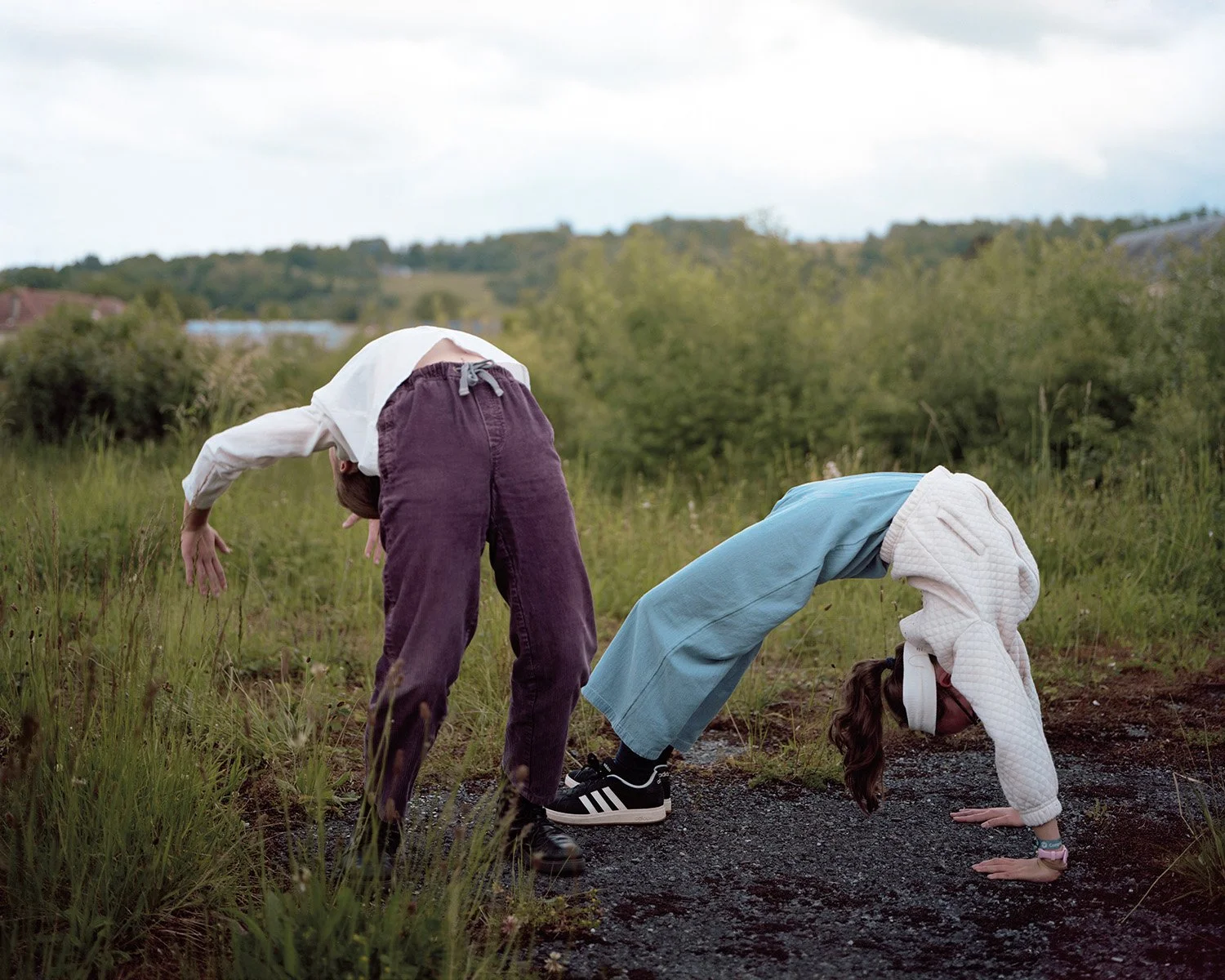
This collaborative fine-art photography project by Romane Bladou, explores teenage life in rural southern France. Photographed with a large-format camera, it captures the liminal energy of adolescence, the waiting, the ardour, the quiet act of claiming space. A portrait of a territory seen through its youngest inhabitants' eyes.
Strawberry Blue is a meditative fine-art photography project by Marinos Tsagkarakis, set in a dreamlike Dutch park. Born from the aftermath of migration, it traces an intimate journey of displacement, identity and wandering slowly transforms into growing new roots.
Photographer Jack Eames has spent years documenting Haircuts4Homeless, using his fashion and beauty background to create portraits that humanise people experiencing homelessness. His exhibition, SEEN, in partnership with Capture One, brings that work into a physical space — challenging how we see vulnerability, identity, and our shared humanity.
In Remains, photographer Hamzeh Zahran reflects on returning to Amman with the distance of diaspora, confronting a fractured sense of home. Through black-and-white imagery, he traces tensions between past and present, family and self, capturing intimate and symbolic moments that reveal what endures – and what feels irrevocably altered – in his evolving relationship with Jordan.
Anya Tsaruk’s project “I Hope Your Family Is Safe” is named after a phrase she has heard many times since Russia launched a full-scale invasion of Ukraine – words meant to comfort, but that feel uncertain and hard to answer. Her work explores what ‘safety’ really means in a country at war. Through everyday scenes of loss, love and resilience, she shows a more human, complex picture of Ukraine beyond simple victim narratives.
A Dream That You Would Never Wake Up From explores migration as a perpetual crossing between lands, memories and identities. Through collaged photographs, the artist reflects on displacement, ancestral histories and emotional borders. Nostalgia becomes visceral, belonging remains fragile, and the past persists as a dreamlike terrain where personal and collective histories quietly intertwine.
Glossy and shimmery beauty looks return with a dash of imperfection. Is it a nostalgic reminder of times when print media, your inner circle, or cultural knowledge dominated? Perhaps it’s a doppelgänger to clean, perfectly applied neutral beauty dictated by online tutorials from beauty influencers or industry experts.
Photographer Tanya Traboulsi explores Beirut as a landscape shaped by memory, exile, and imagination. Blending photographs with archival traces, the work navigates the tension between past and present, reality and fiction. The series is a lived place and dreamscape: fragile, unresolved, and continuously reimagined through the echoes of personal and collective history.
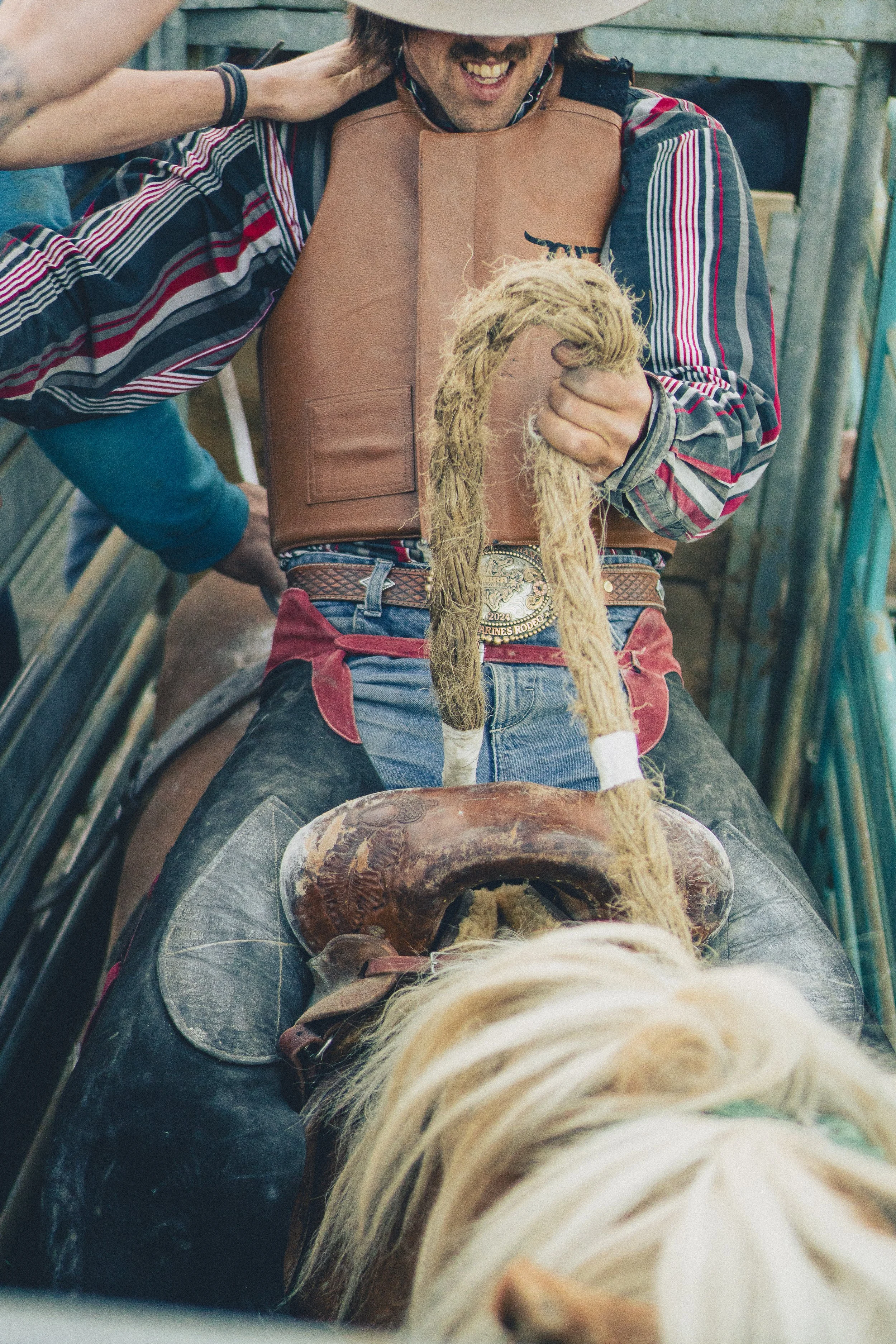
Photographer Charly García discovered an unexpected cowboy community in Flanders, Belgium – far from the landscapes usually associated with this culture. He spent nine months alongside them, documenting daily routines, work, and moments of quiet between events. Rather than focusing on rodeo spectacle, his photographs centre on the people themselves, revealing the relationships, gestures, and everyday lives that sustain the community.
Photographer Federico Possati examines Italy’s Pianura Padana as a landscape reshaped by industry, consumption, and erasure. Through two years of photographic wandering, abandoned artefacts emerge as displaced relics of a hybrid territory. Presented beyond museum order, the images form a speculative archive where fragments collide, meanings shift, and history rearranges itself.
In mother-land, artist Chia Yun Wu reflects on Taiwan’s political isolation through the intimate lens of migration and family separation. Layering personal photographs with evocative landscapes, Wu creates a parallel world shaped by memory, distance, and uncertainty. Through printmaking and drawing, the project maps a fragile space between belonging and alienation, where fluid borders and shifting identities reveal both quiet tension and enduring hope.
Innerland is an ongoing series of portraits by Tania Shcheglova, capturing creatives from around the world – those who dare to look into their own souls and connect with the deepest parts of their psyche. Moving beyond traditional portraiture, the project uses ‘Staged Documentary’ to reveal humans as boundless, evolving extensions of their environments, reflecting the subconscious, emotional and spiritual landscapes that shape identity beyond physical appearance.
Photographer Hui Zhang presents a very personal body of work rooted in her experiences of growing up as a ‘left-behind child’ in suburban Beijing. Shaped by family separation and social inequality, her images revisit the people and places of her upbringing, revealing a quiet sense of longing, memory and calls into question: How do we define ‘home’?
Photographer Lenny Steinhauer explores the fragile afterlife of a modernist social utopia that still functions today. The Ihme-Zentrum in Hanover is a brutalist structure caught between decay and persistence, revealing how a seemingly hopeless architectural vision is sustained by the people who continue to inhabit and give meaning to it.
The Internal Crusade is a photographic project by Zexuan Zeng that explores the lasting influence of China’s “Long March” on everyday life and personal identity. Through a two-month journey along the historic route, Zeng documents how political narratives transform individual experiences into collective ideals, using images of people, places, and symbolic landscapes to question how history is constructed and internalised.
Dreaming Cleaning is a poignant documentary series by photographer Almudena Zambrana that moves between softness and strain, reverie and repetition. Drawing from her lived experience as a qualified migrant working as a cleaner in Australia, Zambrana reveals the emotional and psychological weight of repetitive, often unacknowledged labour. Through cyclical, dream-like imagery, the project exposes the fragile gap between education, identity and survival.
Antidote is a framework of five photographic series and an academic essay exploring the rise of contemporary authoritarianism. Drawing on Indigenous worldviews, Marco Vernaschi proposes empathy as a counterforce to polarised ideologies. We speak with Vernaschi about power, psychology, and resistance.
Looking ahead to beauty trends of 2026, the Spring/Summer runways set the tone with bold, expressive looks and futuristic flair. From 80s-inspired blush contour at Aadnevik to sci-fi metallics at Theophilio, designers embraced impact. Vivid blue carnival eyes as seen at Luar, next-level lashes at Thom Brown and graphic statement lips at Roksanda & Westwood signal a fearless new beauty era.
Jamnesia is a meditation on obsession, endurance, and queer presence inside chaos. Colliding roller derby’s radical, bruised community with the unforgiving ritual of wet plate collodion, the project celebrates failure, devotion, and bodies that persist. It is about showing up – again and again – for art, impact, and belonging.