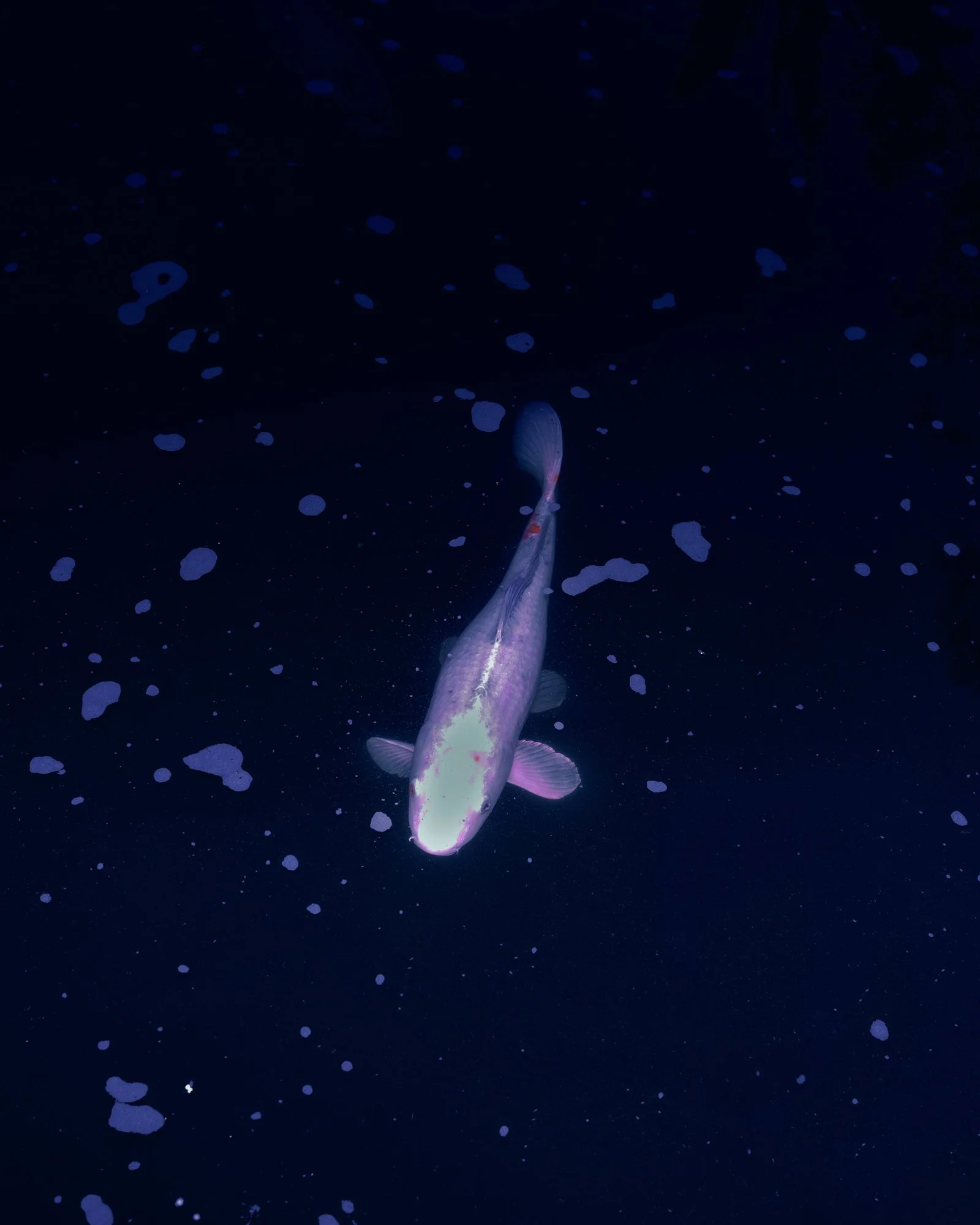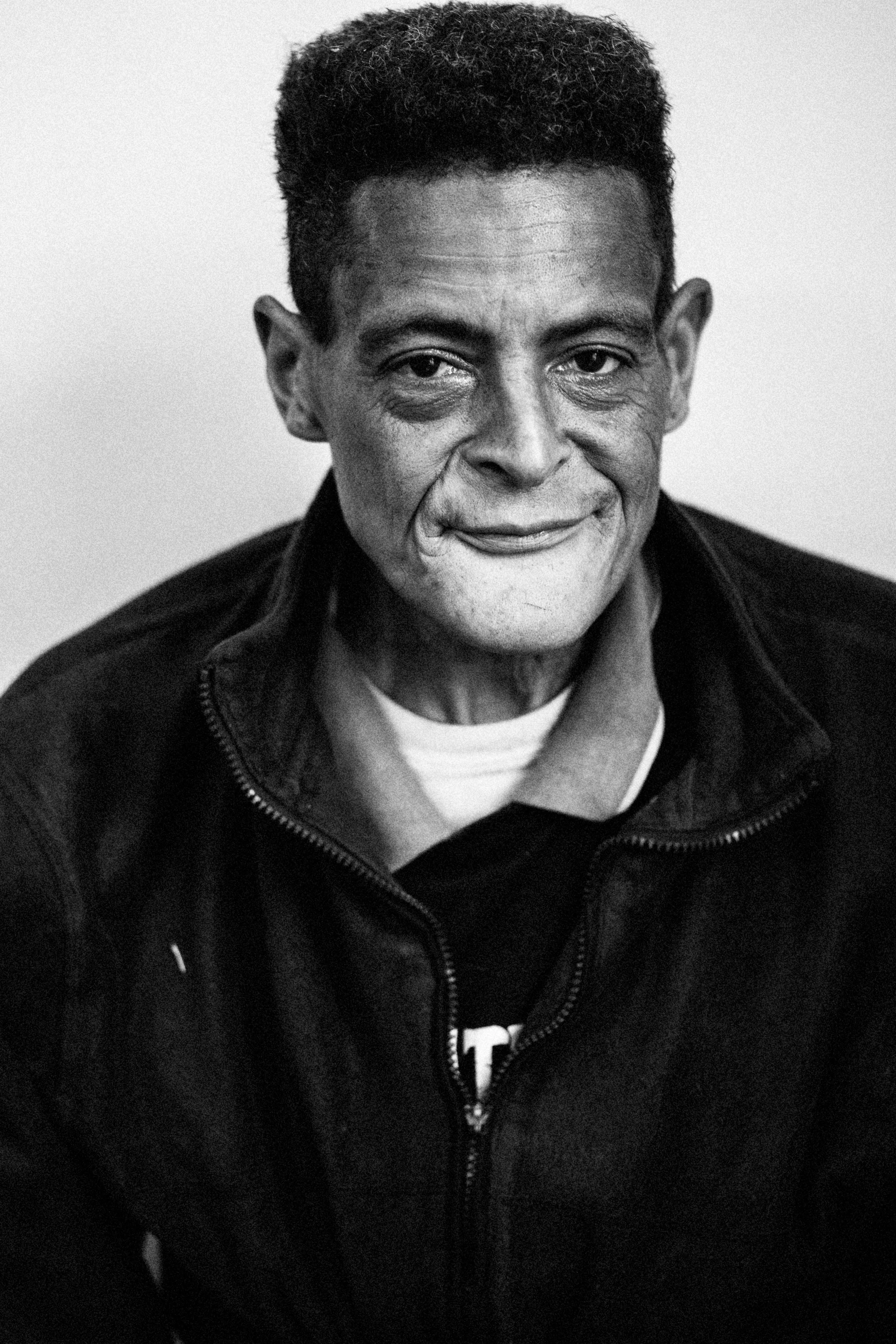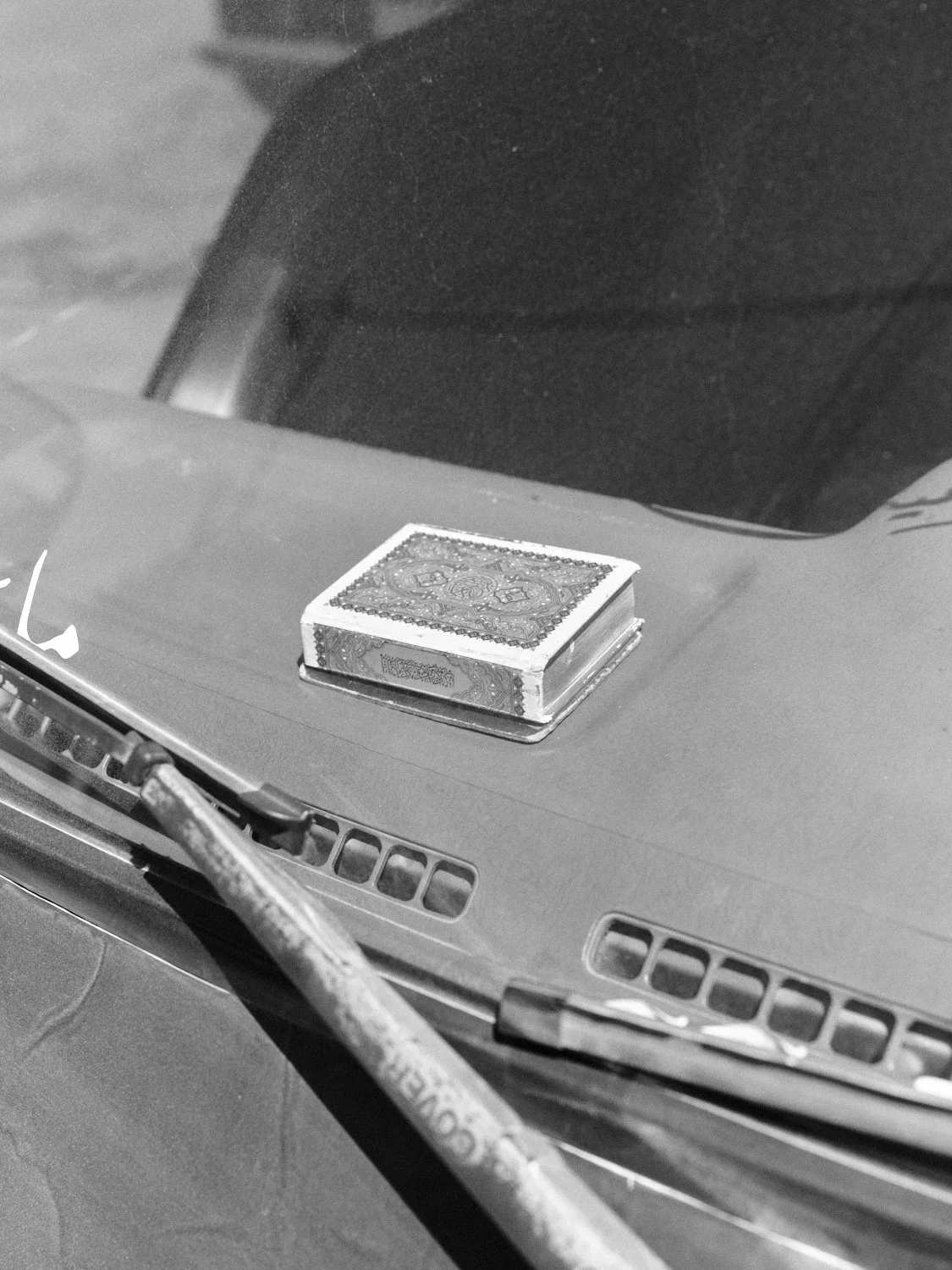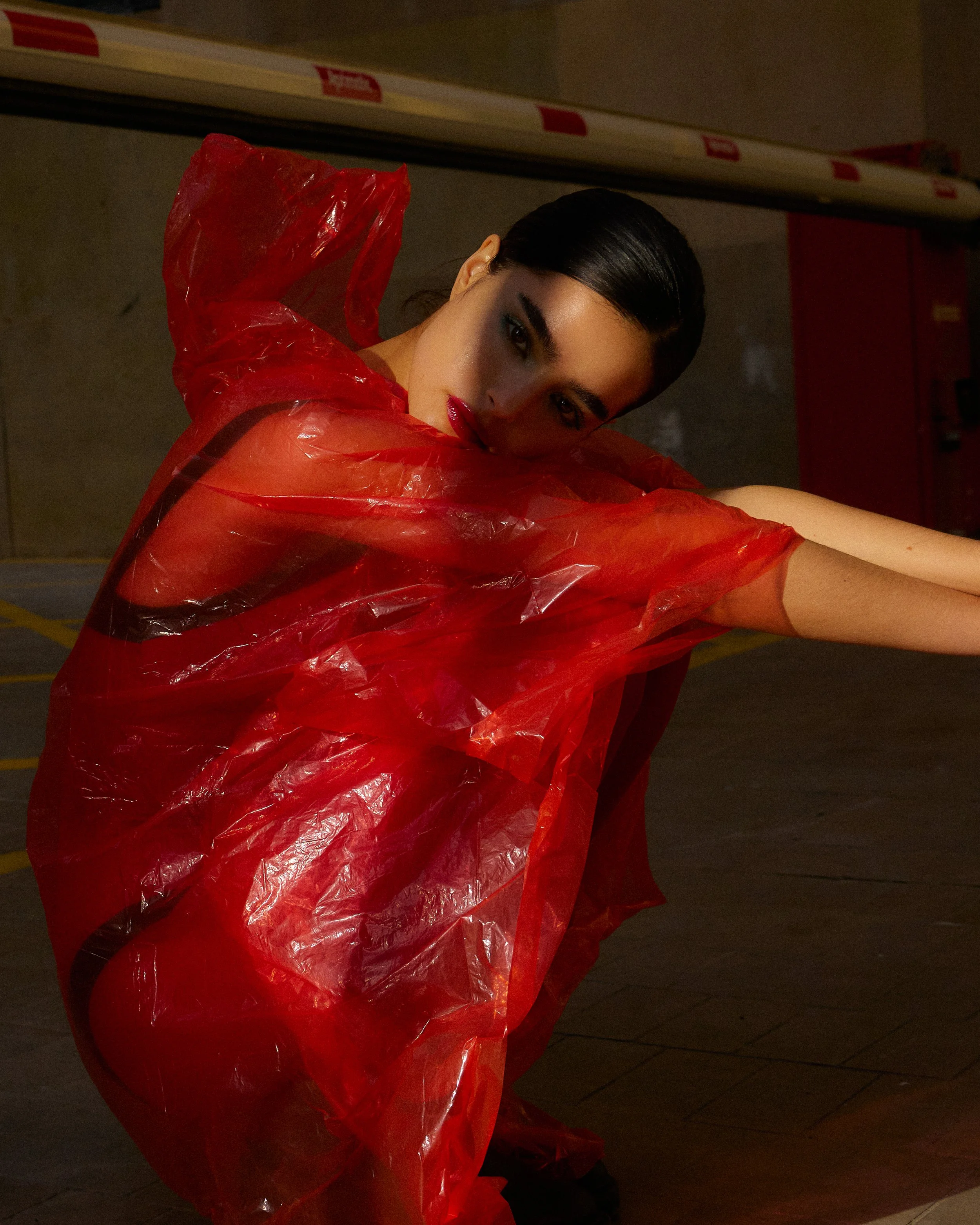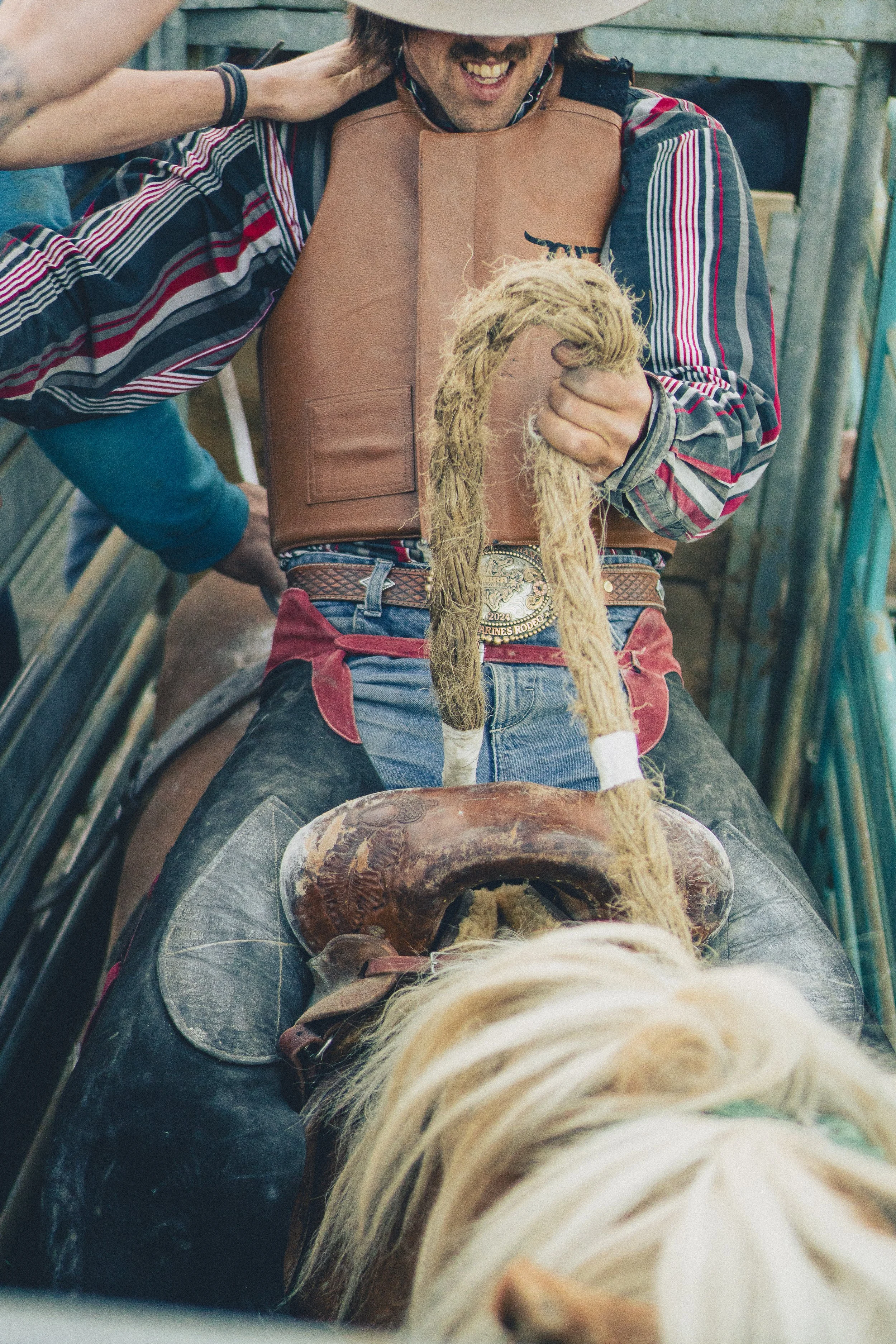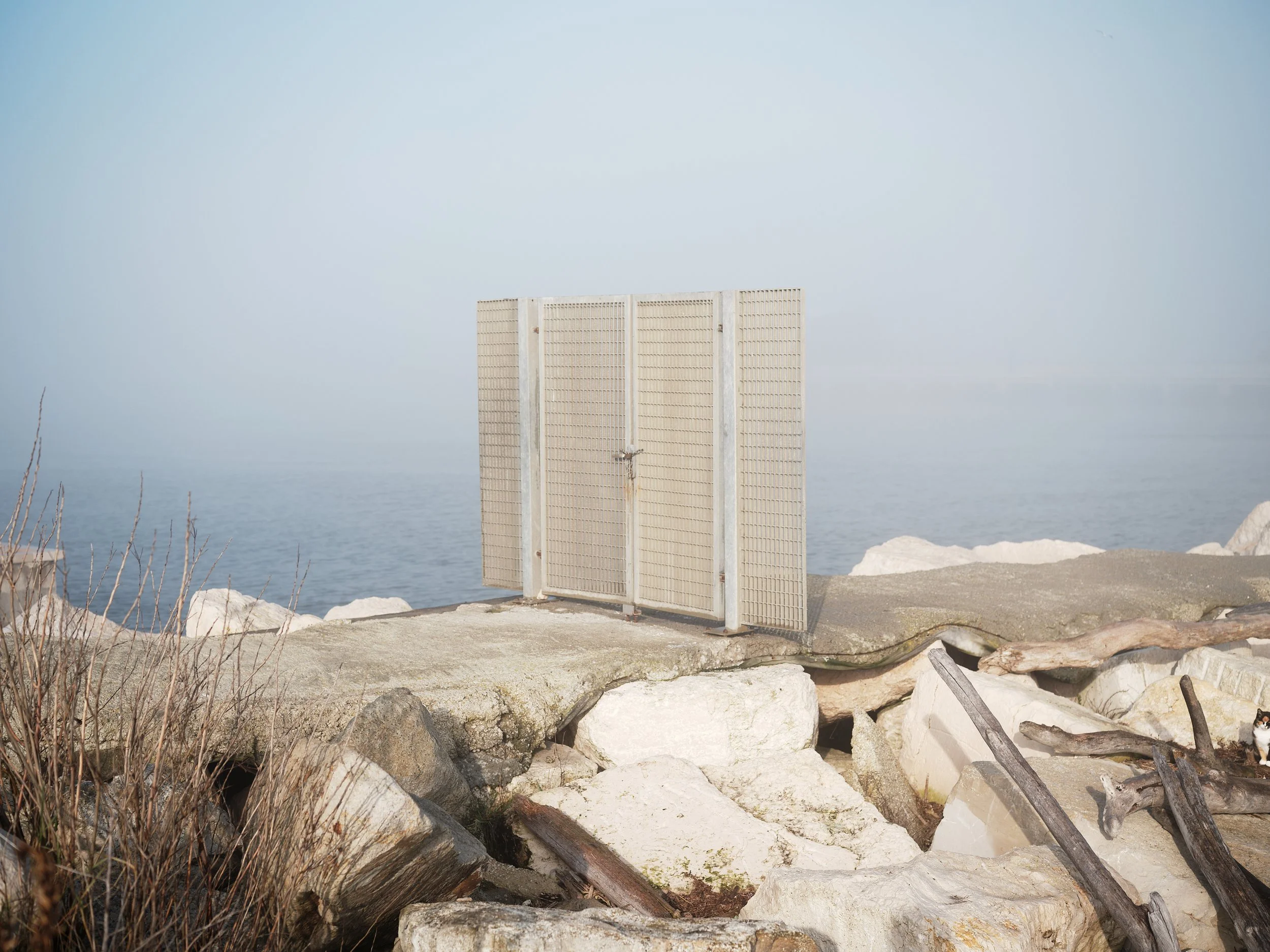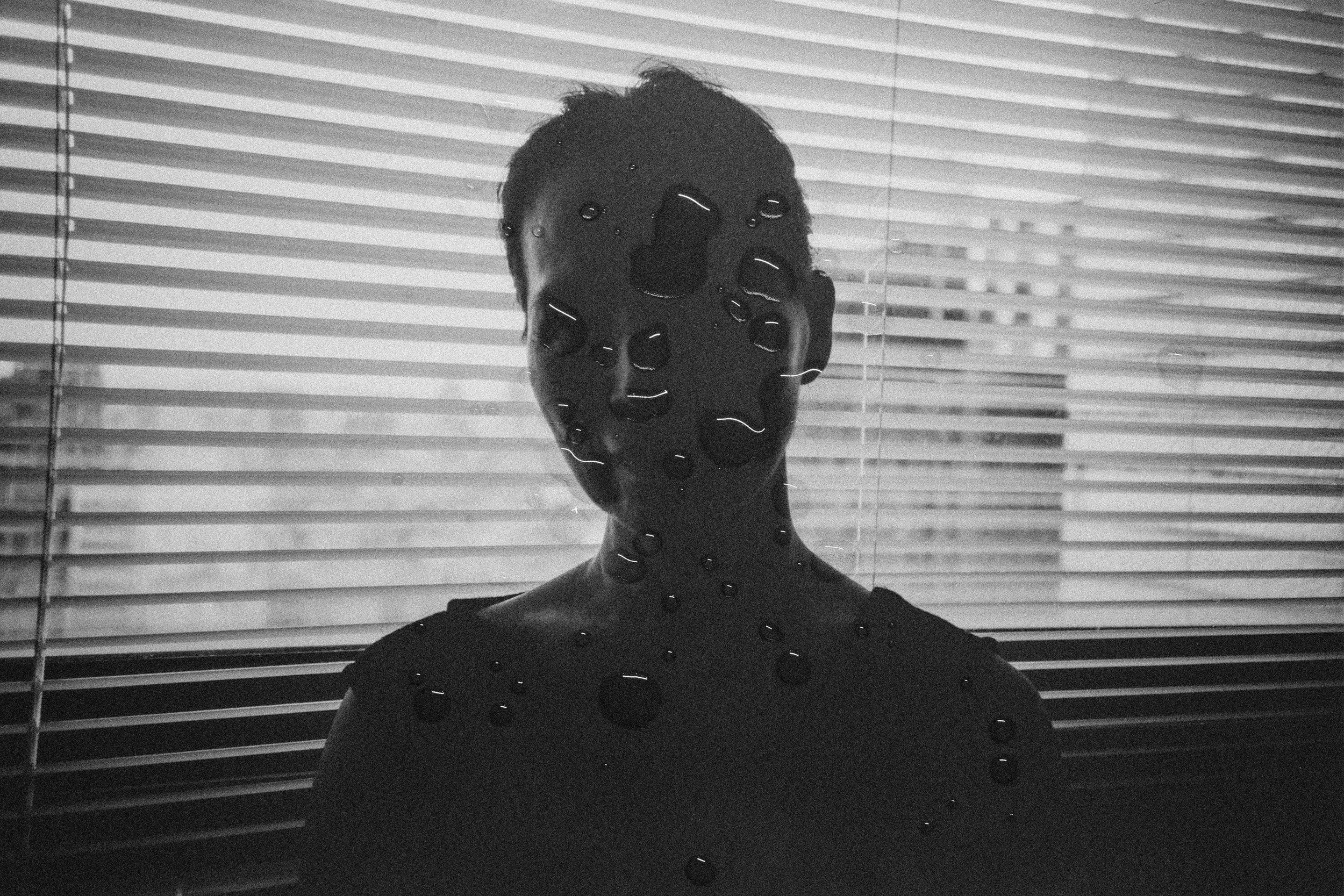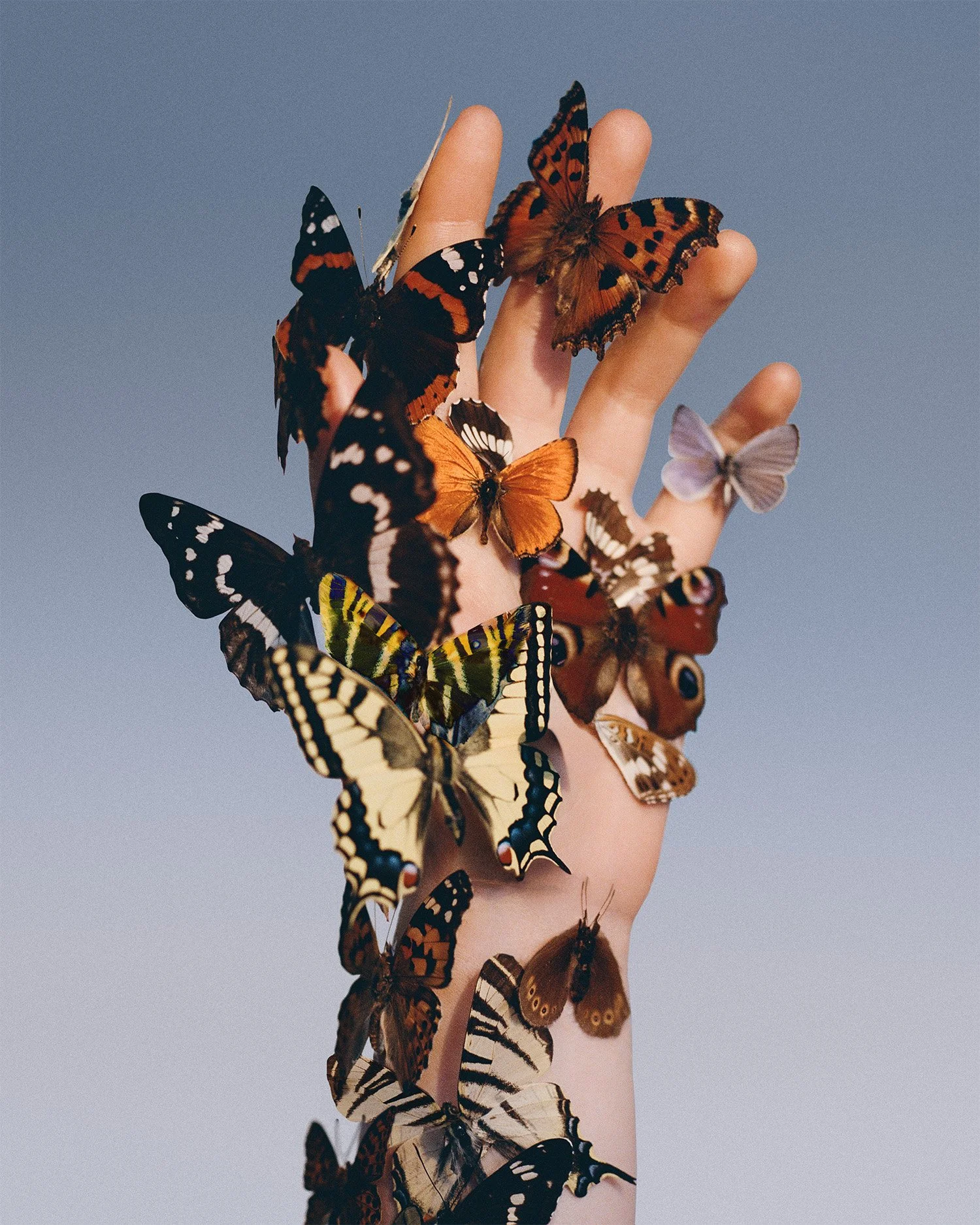
Photographer Federico Possati examines Italy’s Pianura Padana as a landscape reshaped by industry, consumption, and erasure. Through two years of photographic wandering, abandoned artefacts emerge as displaced relics of a hybrid territory. Presented beyond museum order, the images form a speculative archive where fragments collide, meanings shift, and history rearranges itself.
Photography and text Federico Possati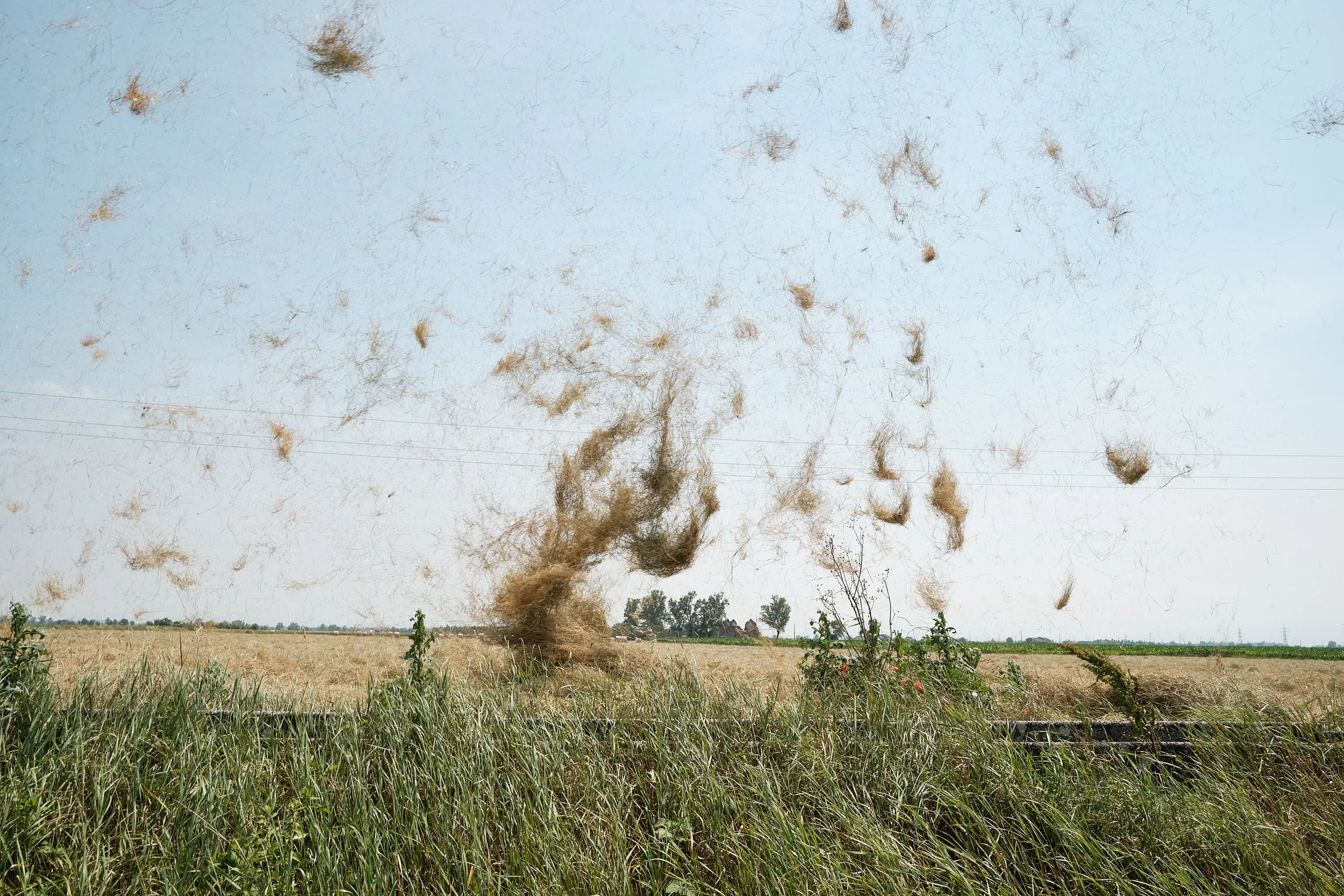
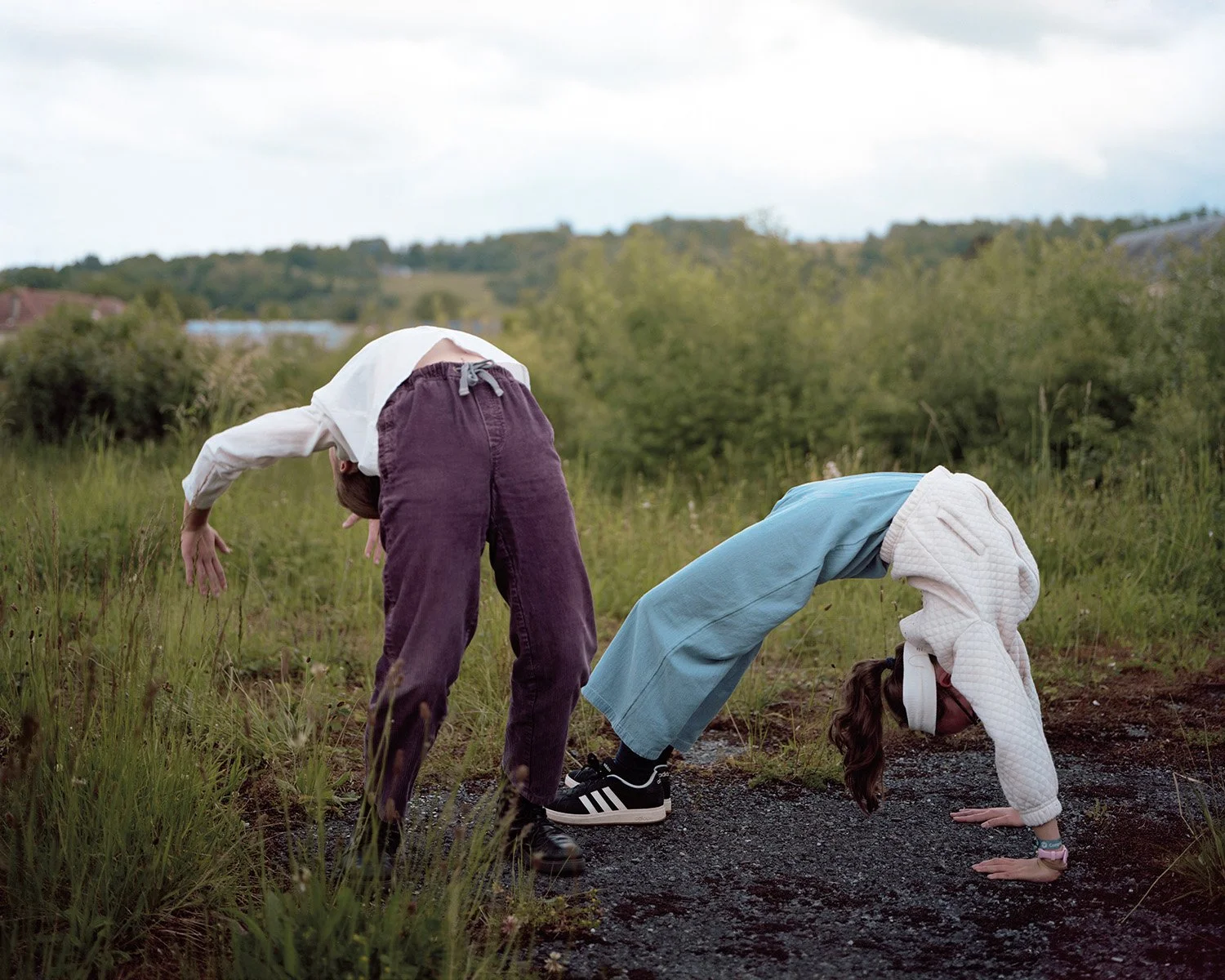
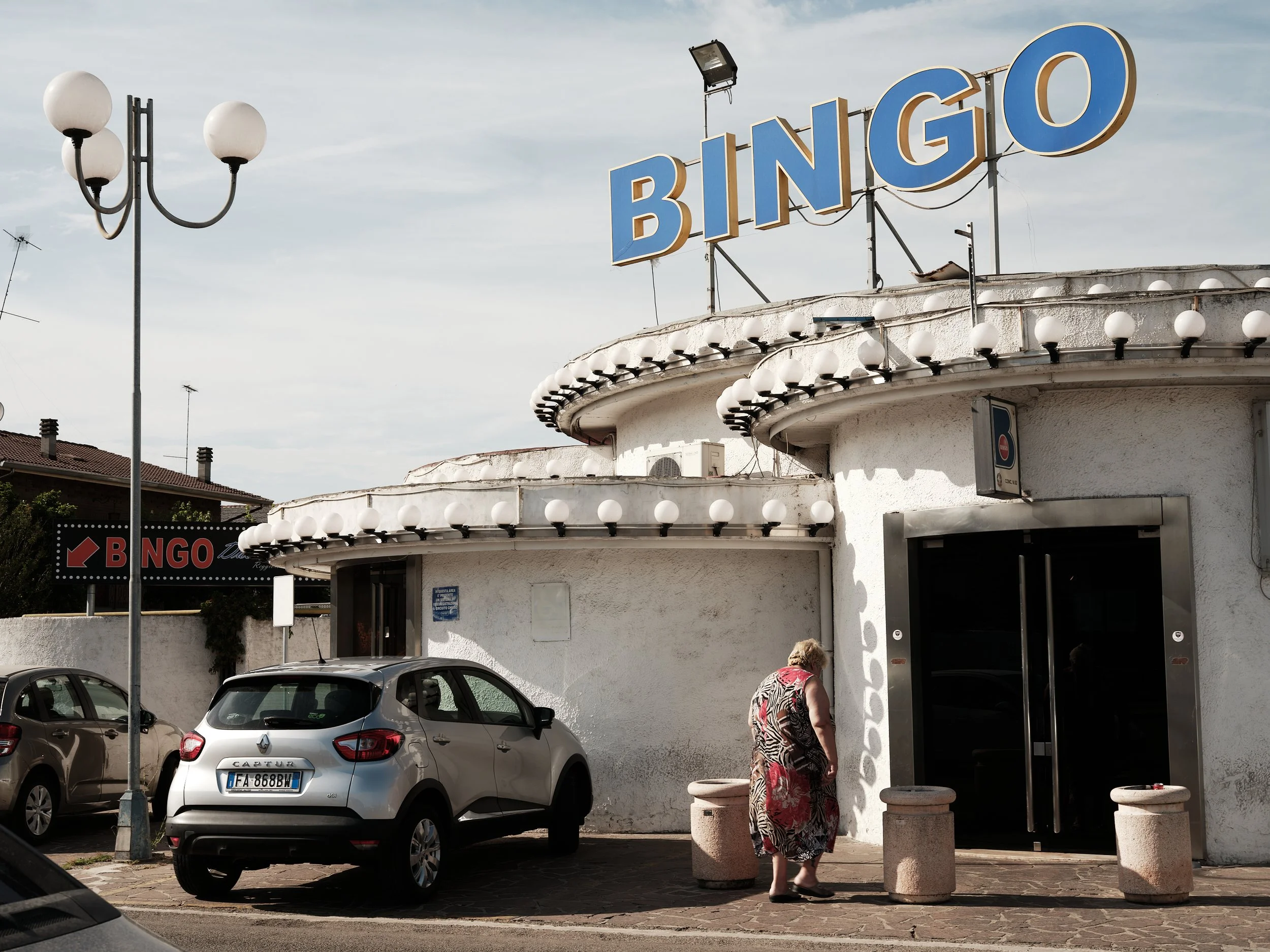
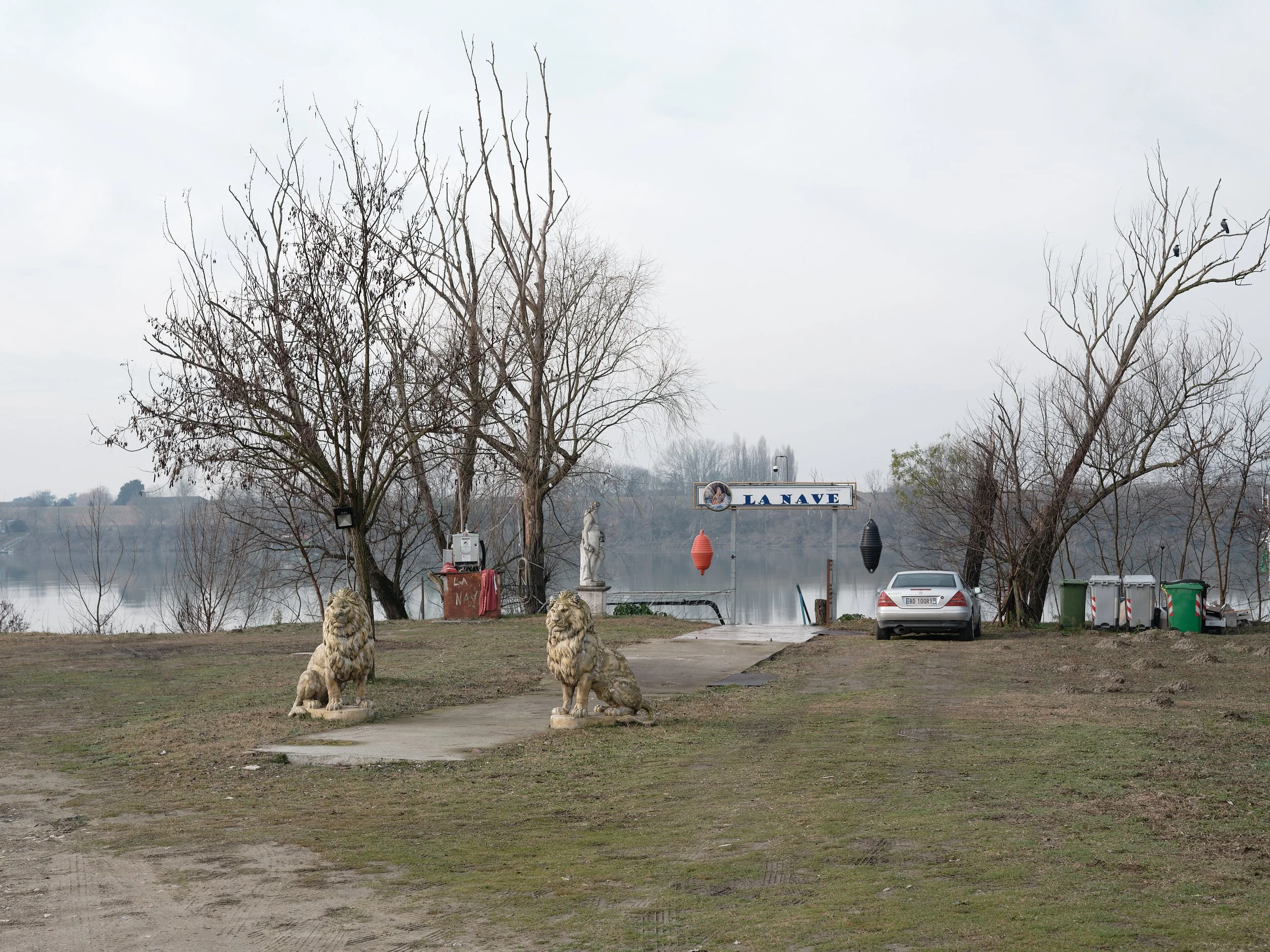
The Archeological Bazaar is a project that focuses on the Italian Pianura Padana, a vast, flat area that stretches from Milan to the sea. It’s a fascinating territory that underwent significant changes in the last century, transforming from a rural farmland to a hybrid mix of fields, factories, malls, and tourist destinations that is impossible to categorise.
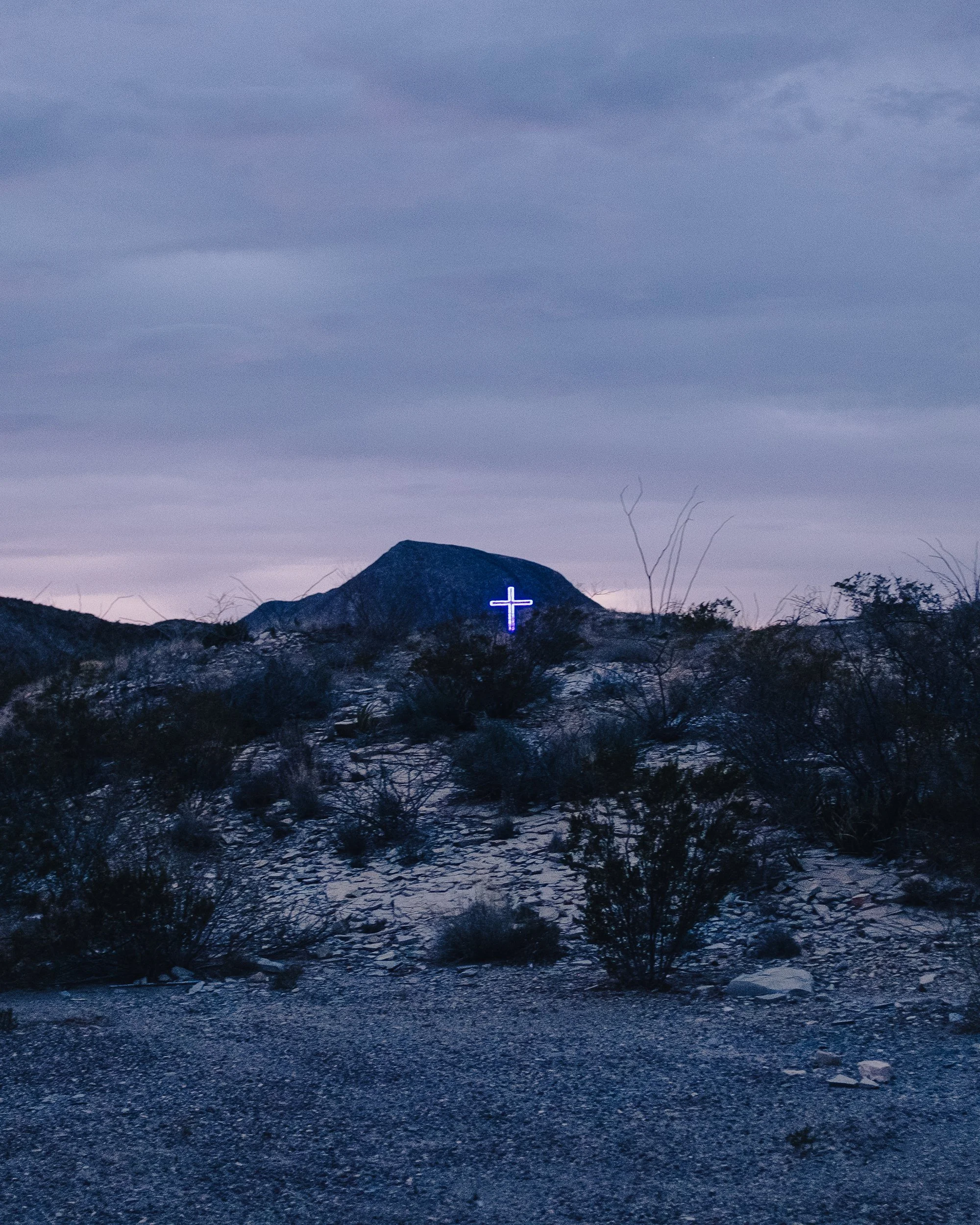
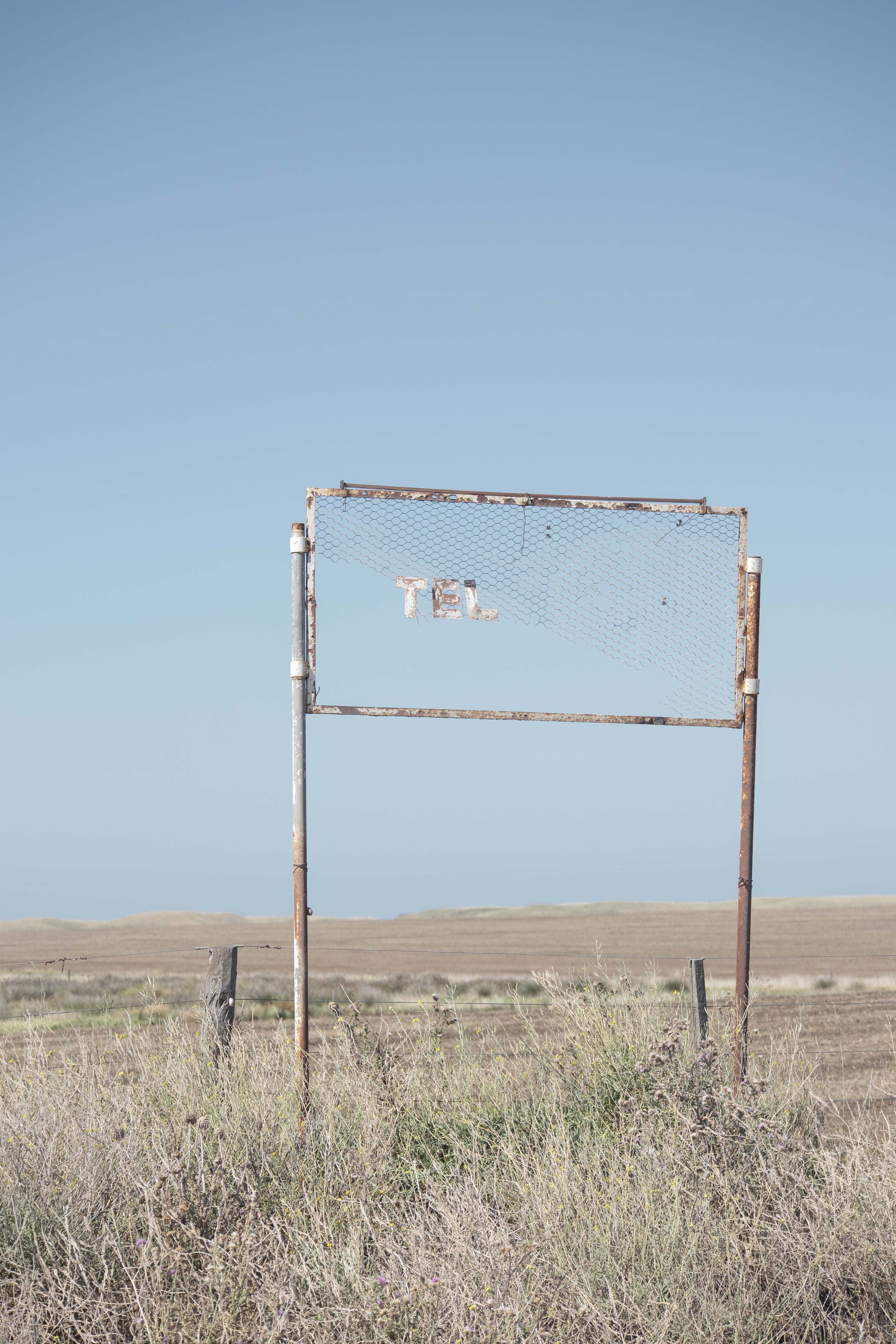
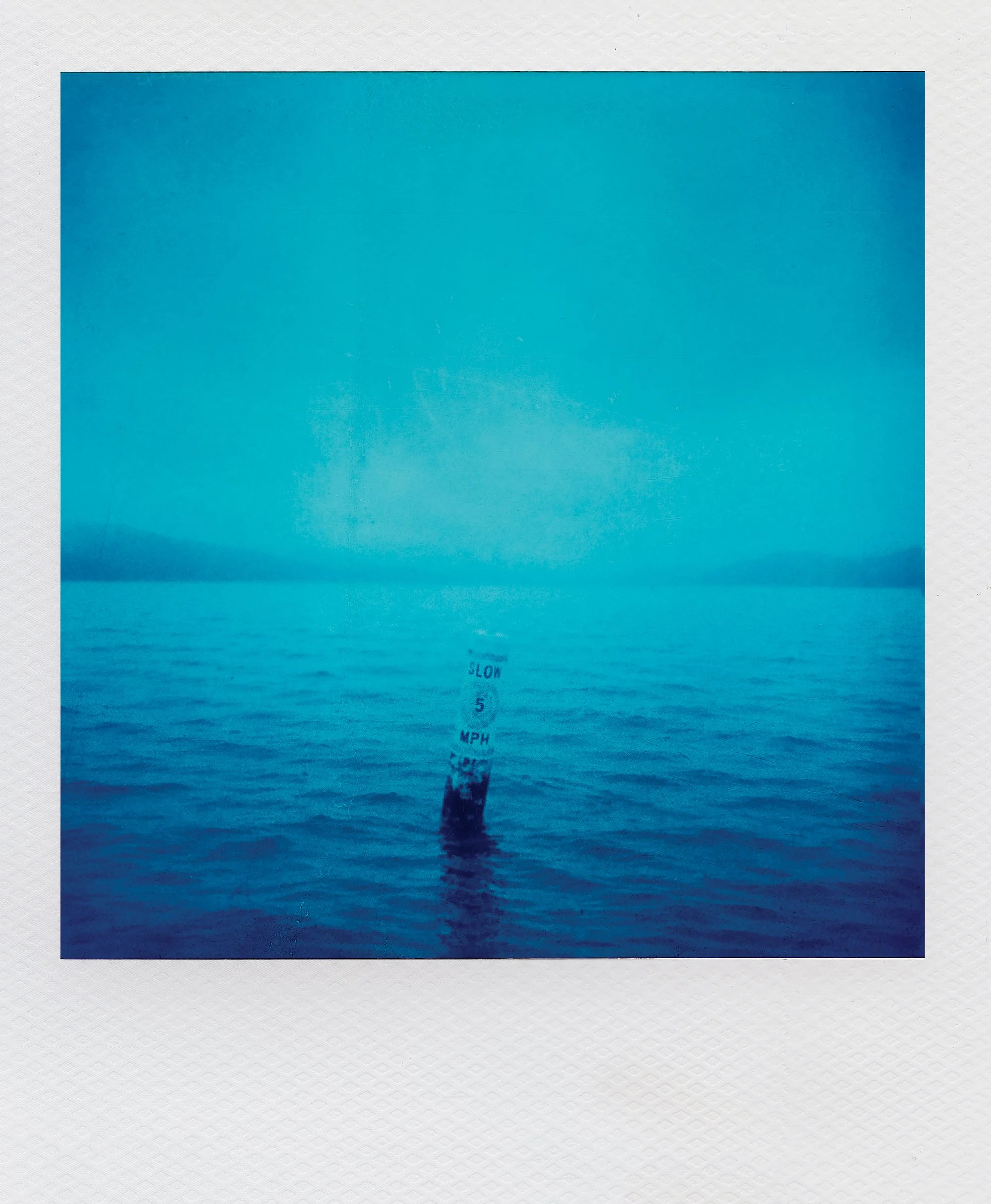
For the past two years, I’ve been traveling and taking photos through these places, trying to make sense of its evolution and to understand what this territory has become. As time passed, I found myself coming home with more and more images of artefacts, objects, and places that had been abandoned.
“As time passed, I found myself coming home with more and more images of artefacts, objects, and places that had been abandoned.”
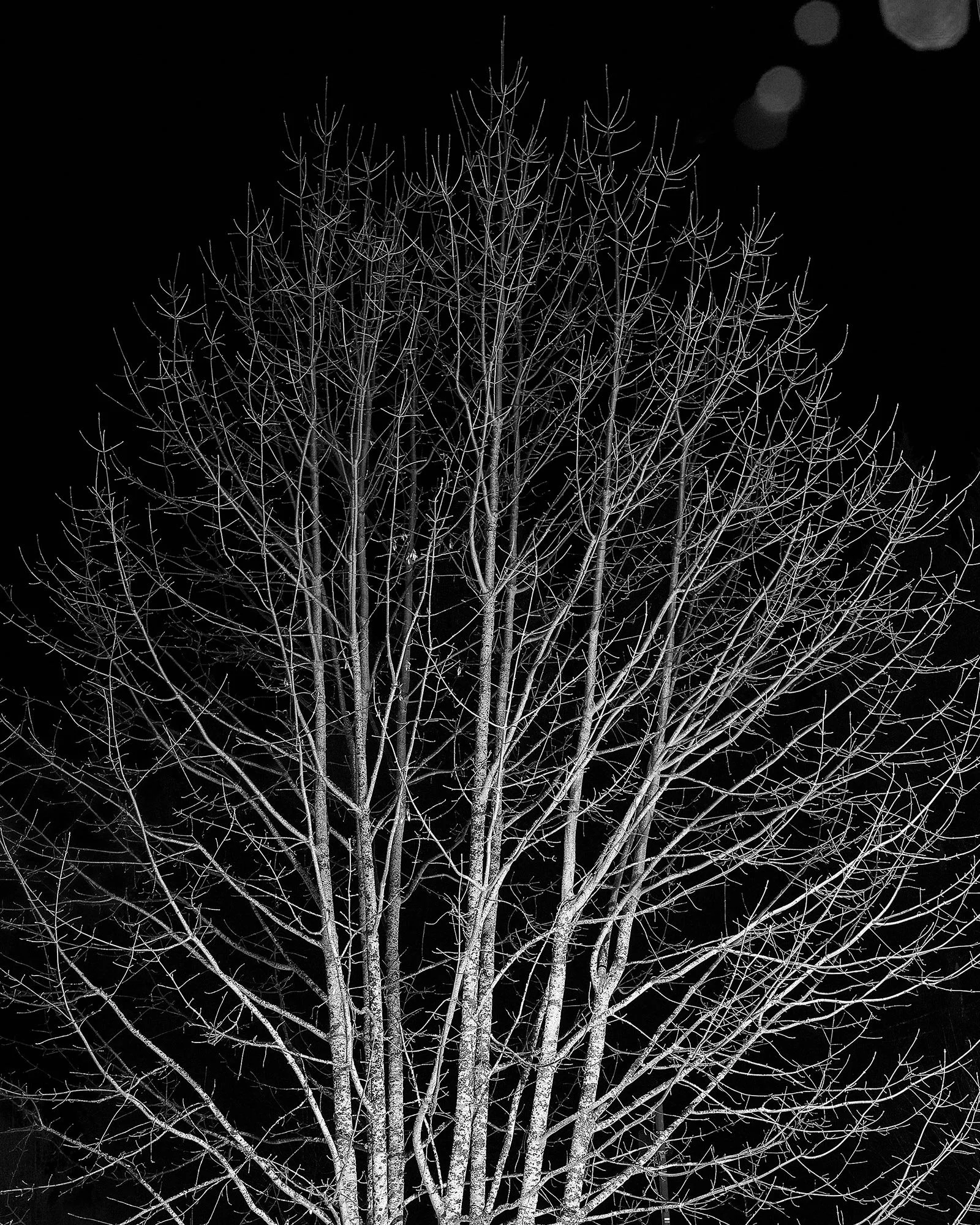
The subjects of these photos were lost, not only in the sense of being left behind but more importantly as subjects whose origin and function were slowly being misplaced, erased, or forgot ten. It seemed like all that I was photographing had been violently ripped away from its original context and was now uprooted, like a blade of grass in a whirlwind.
With time, a new perspective opened up: what if this is an impossible landscape to decode? What if the Archeology of the territory now lies on layers of paradoxes?
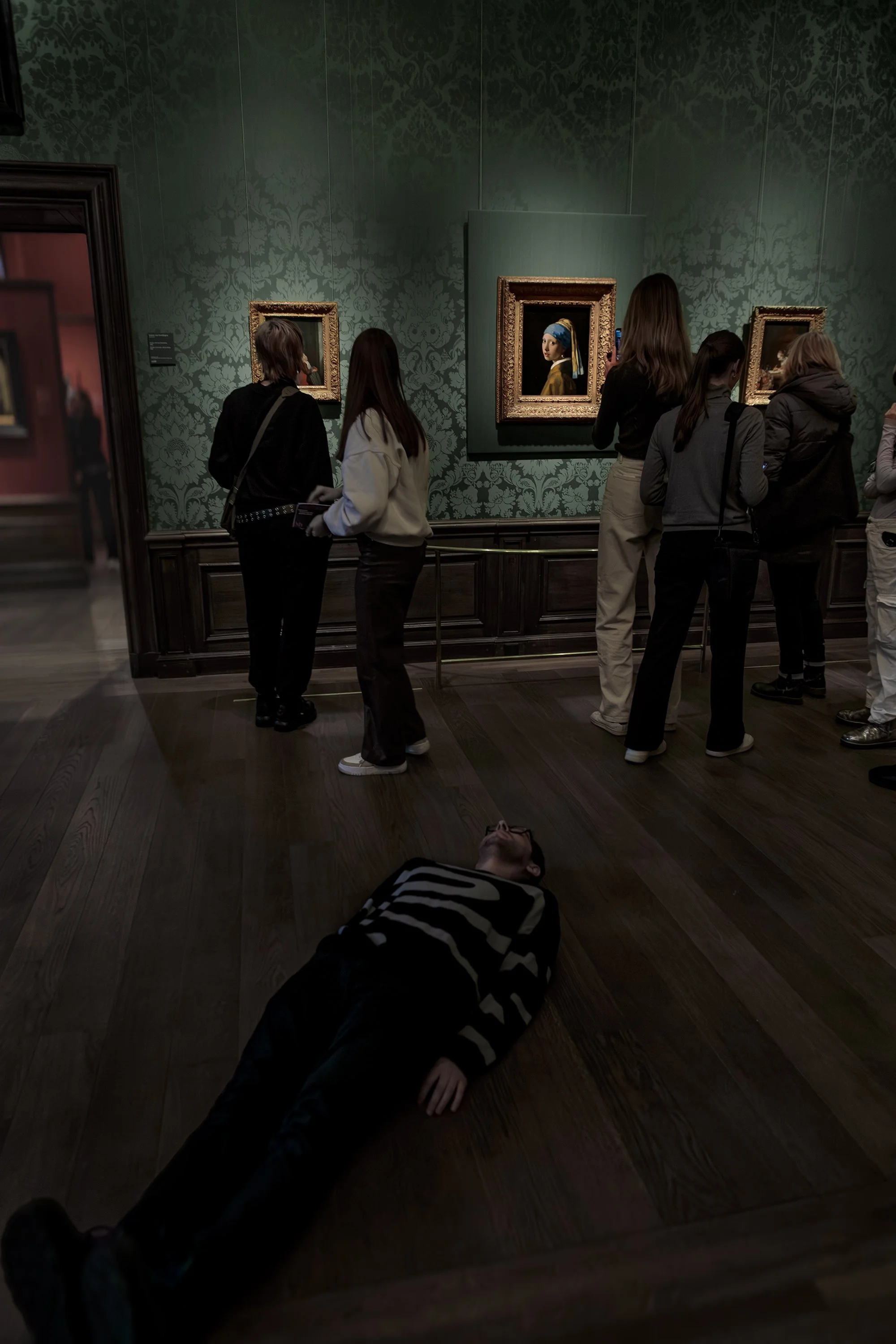
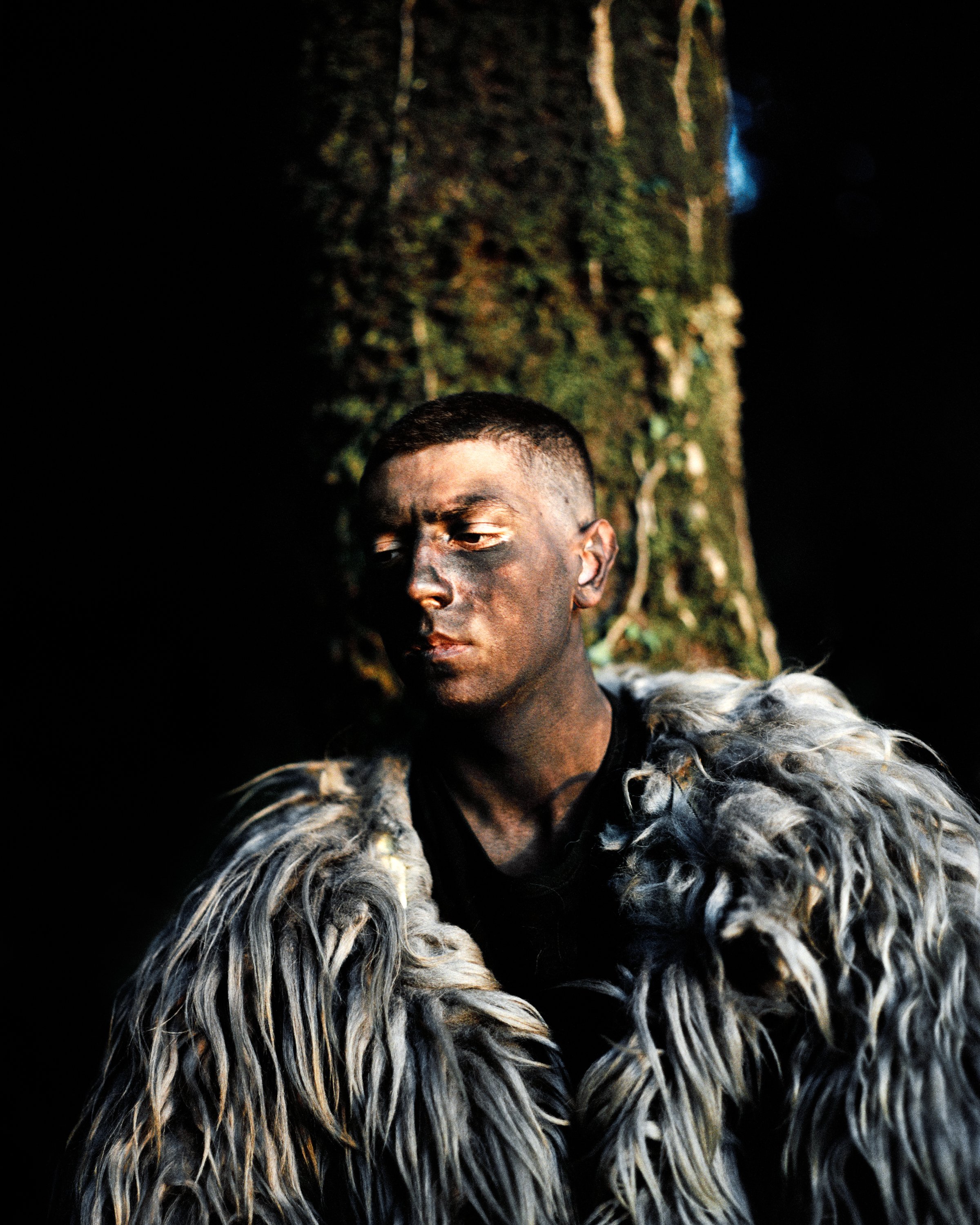
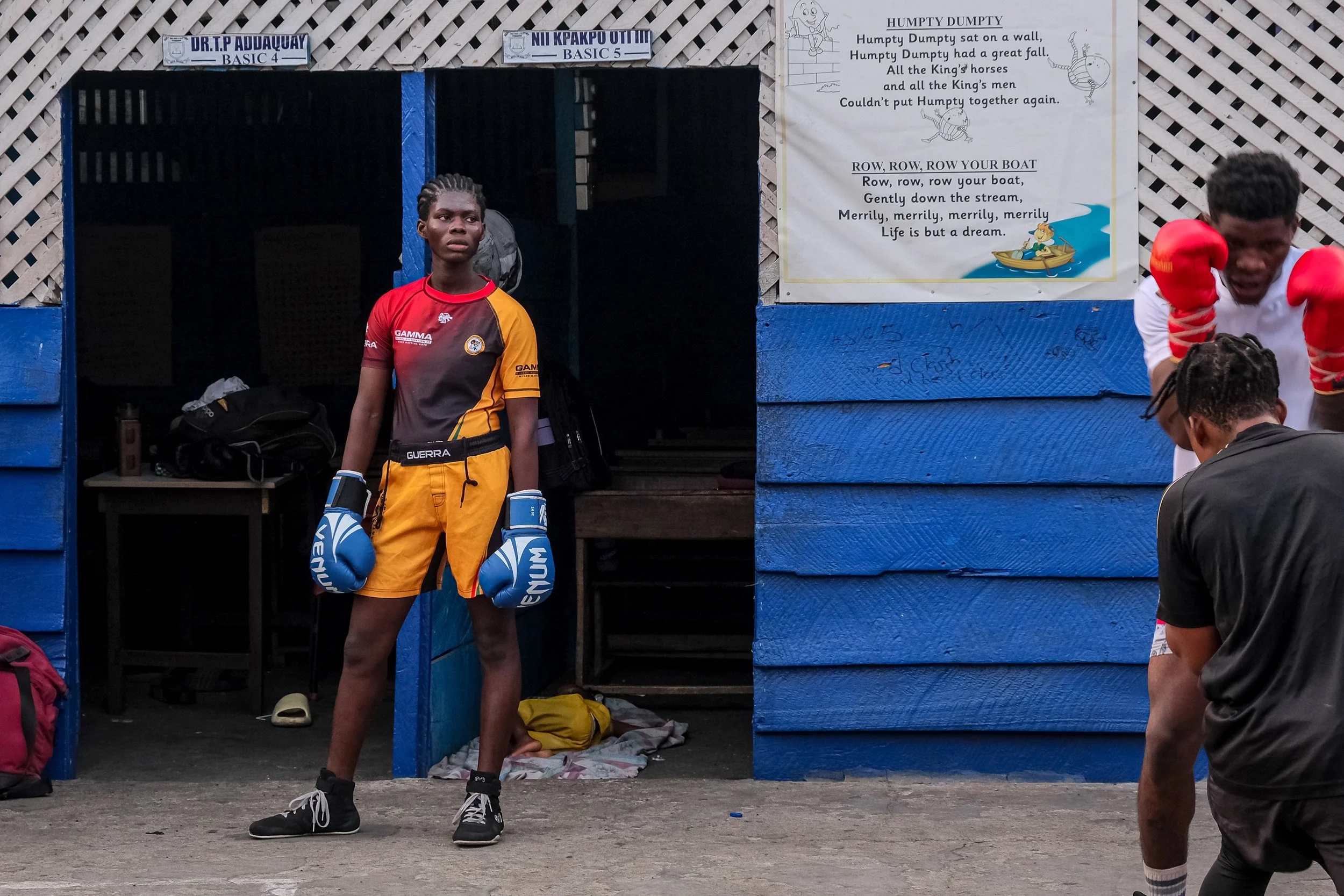
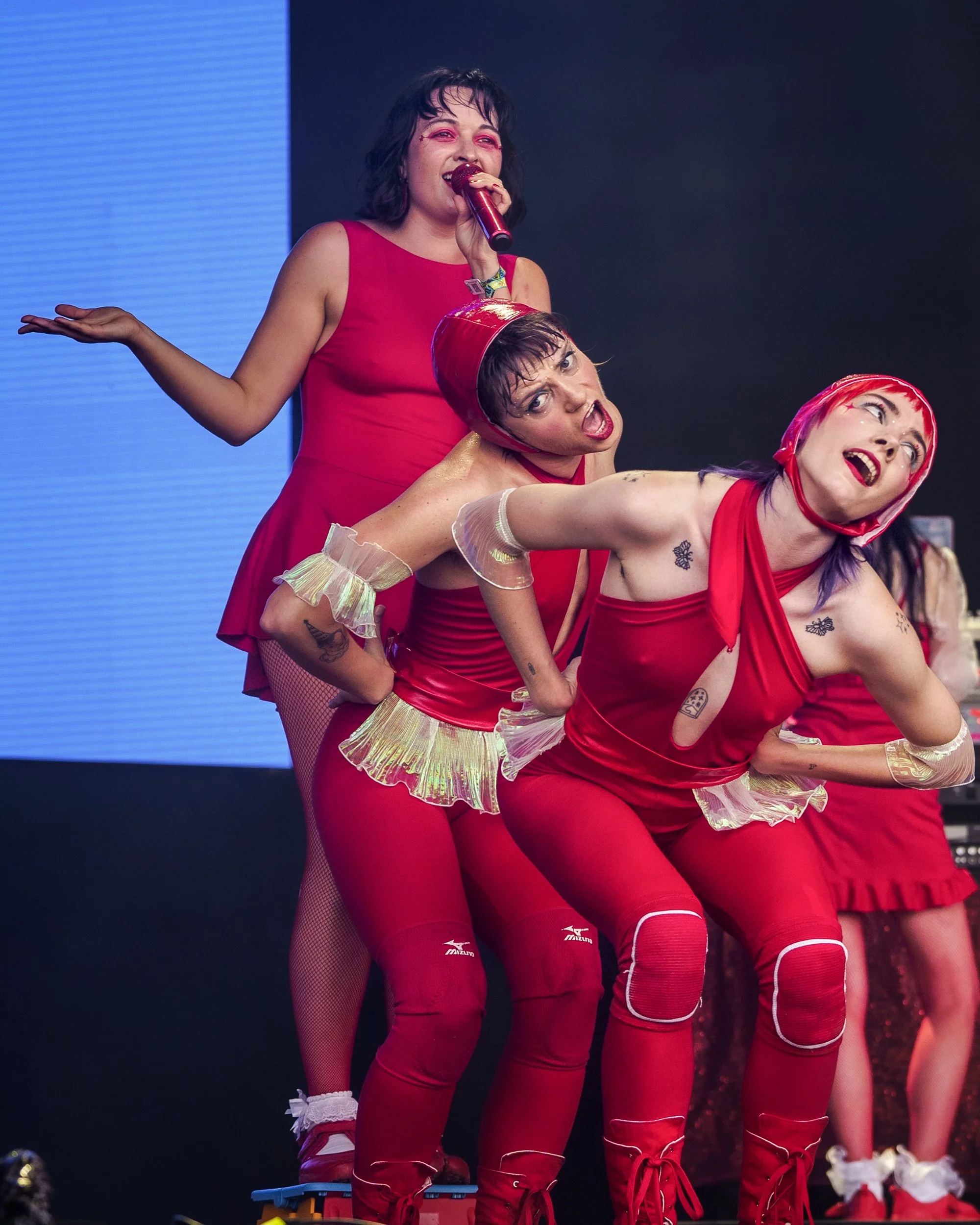
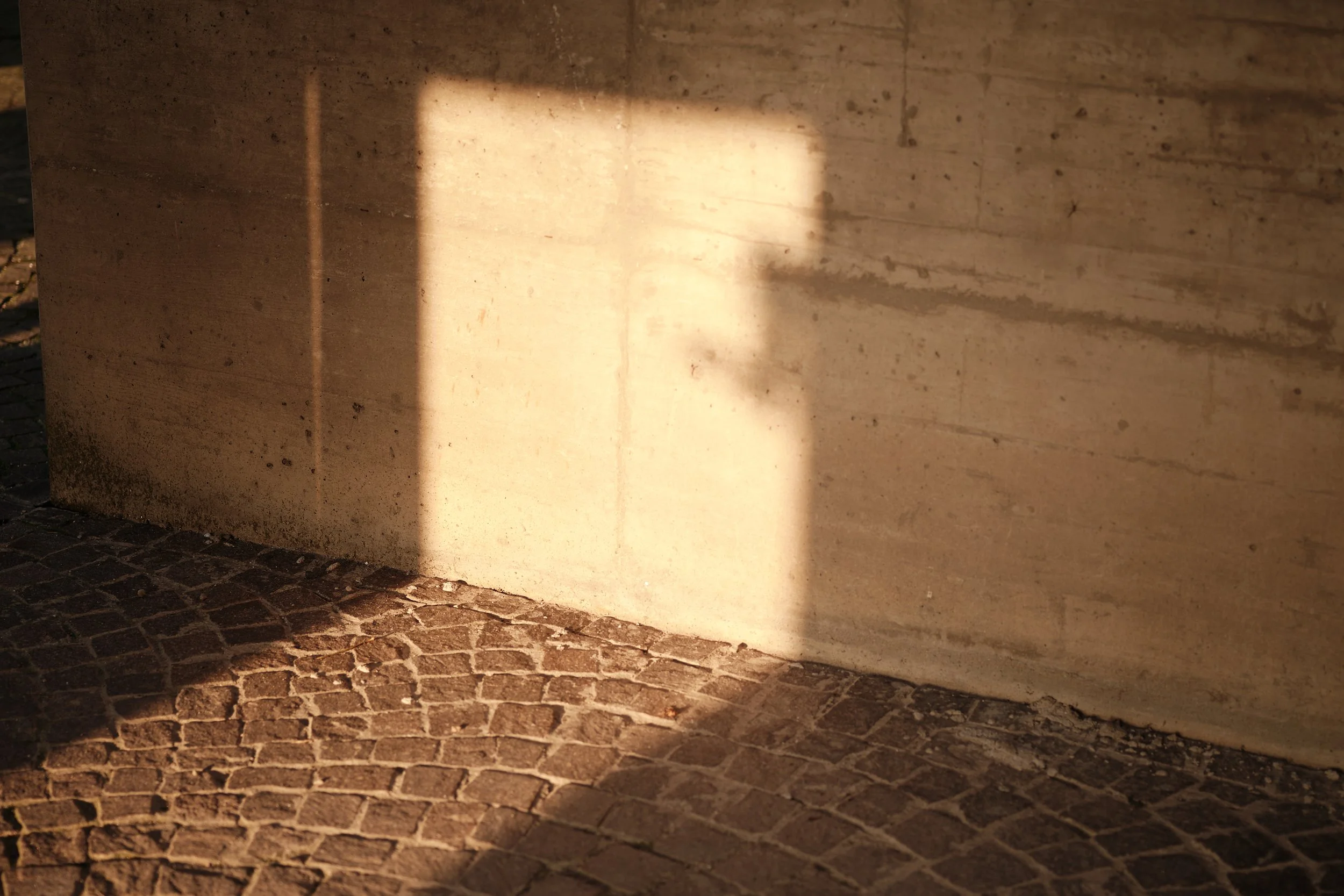
The project explores this idea by presenting these images in a new context. Ditching the rigorous museum approach leaves the way open for the unreliable bazaar, where artefacts can be rearranged and juxtaposed based on the whims of a capricious collector.
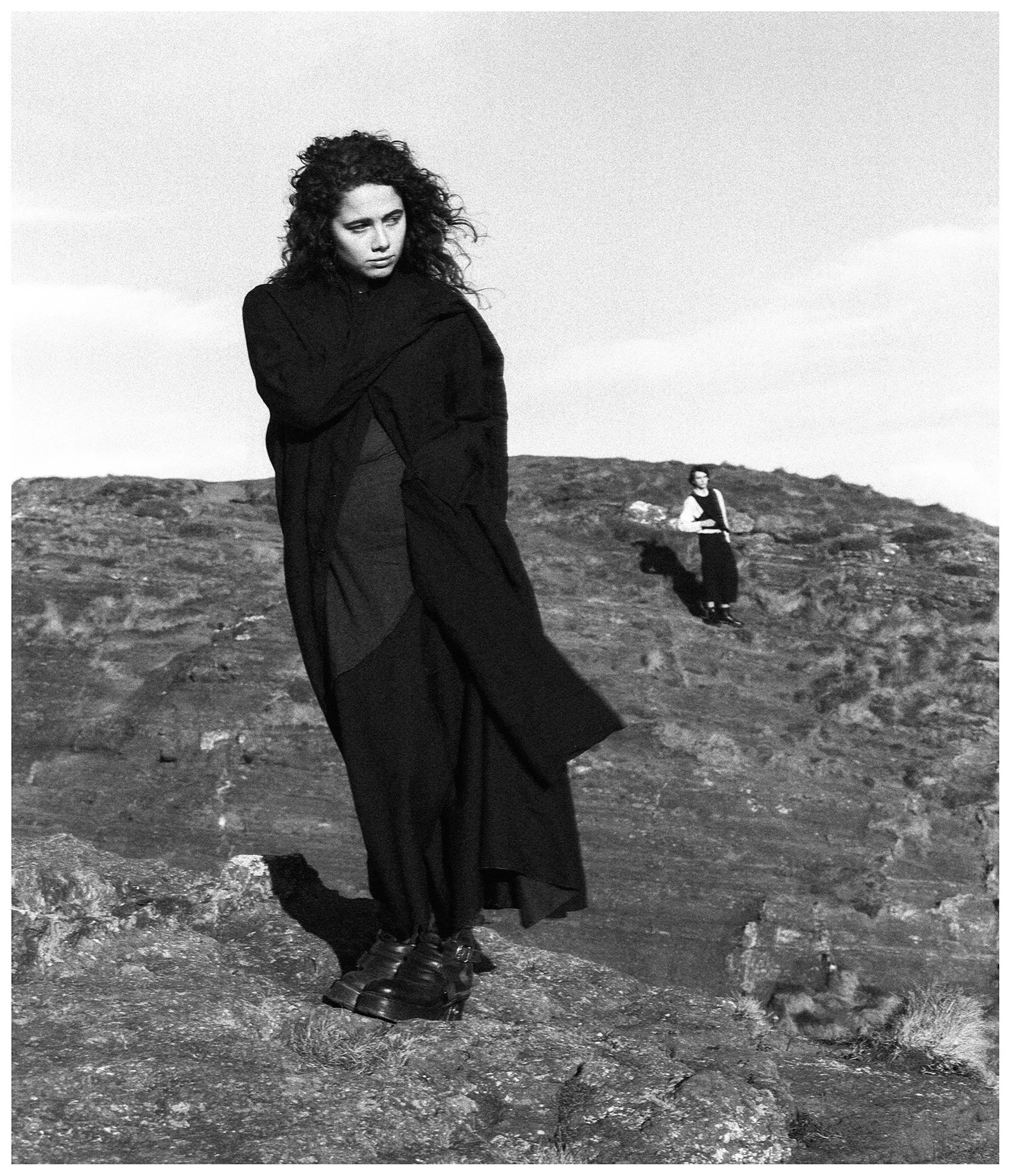
It all begins with a whirlwind sweeping through a field, a chaotic event that mixes up our familiar world of images. Images are then recontextualized by being divided into groups and juxtaposed, creating new meanings and a whole new history of this territory.
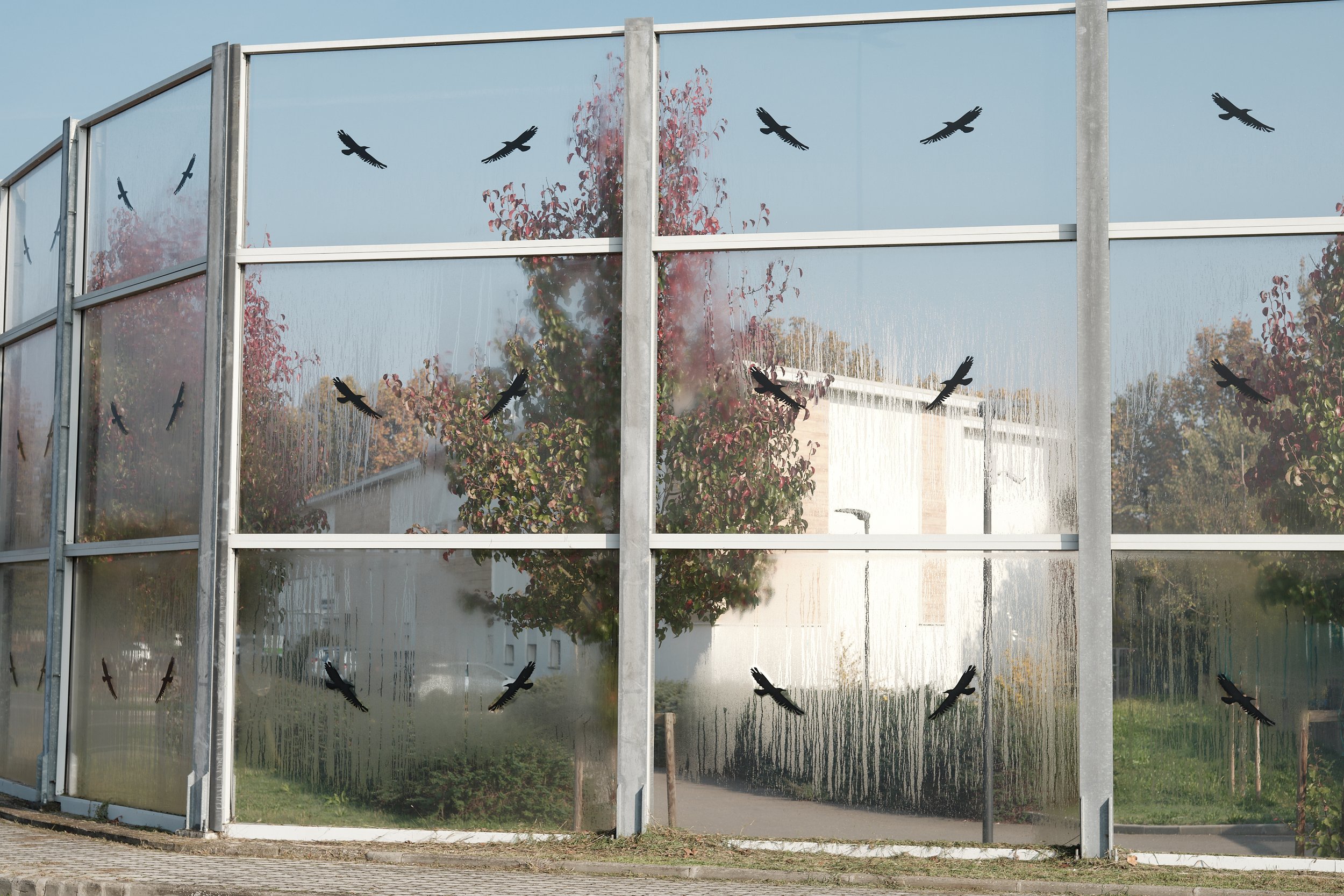
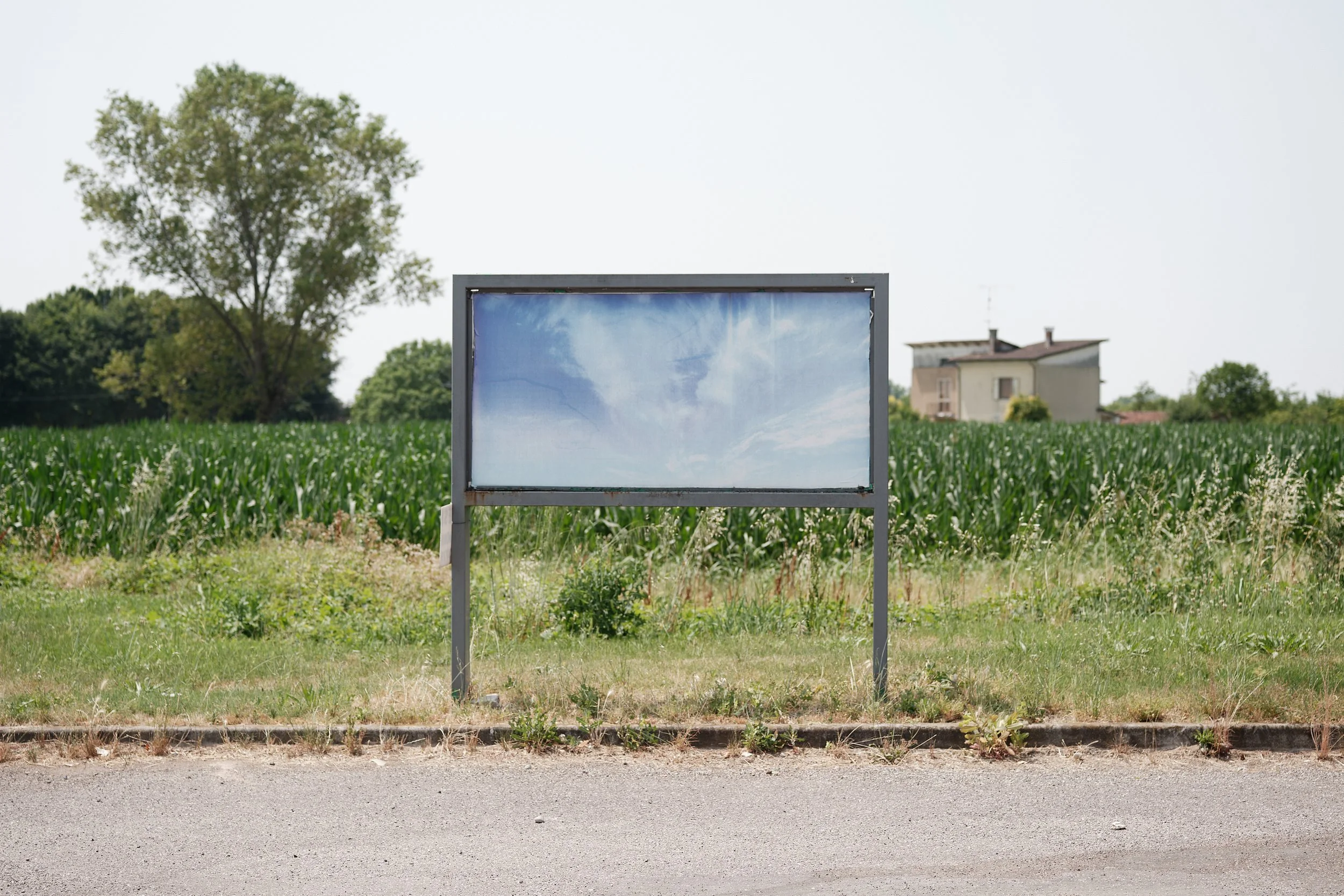
“What if this is an impossible landscape to decode?”
About Name
Federico Possati was born in Bologna, Italy in 1988. In 2016 he graduated in Film and Media Studies from Columbia University in New York. During his studies he got very close to the photography department becoming fascinated by their approach to the medium and its use as a narrative tool. This chance encounter sparked a great interest in the possibility of using images in a variety of ways taking advantage of the characteristics of different mediums. He worked in New York as a freelancer until 2020, when he moved to Milan with his family. His artistic work is developed in both photographic and video projects and always has a strong narrative dimension. It all starts from the idea of collecting visual fragments from the world around us, and then using them as pieces of a new story, a new truth.
To see more of his work, visit his website or follow him on Instagram
READ NEXT