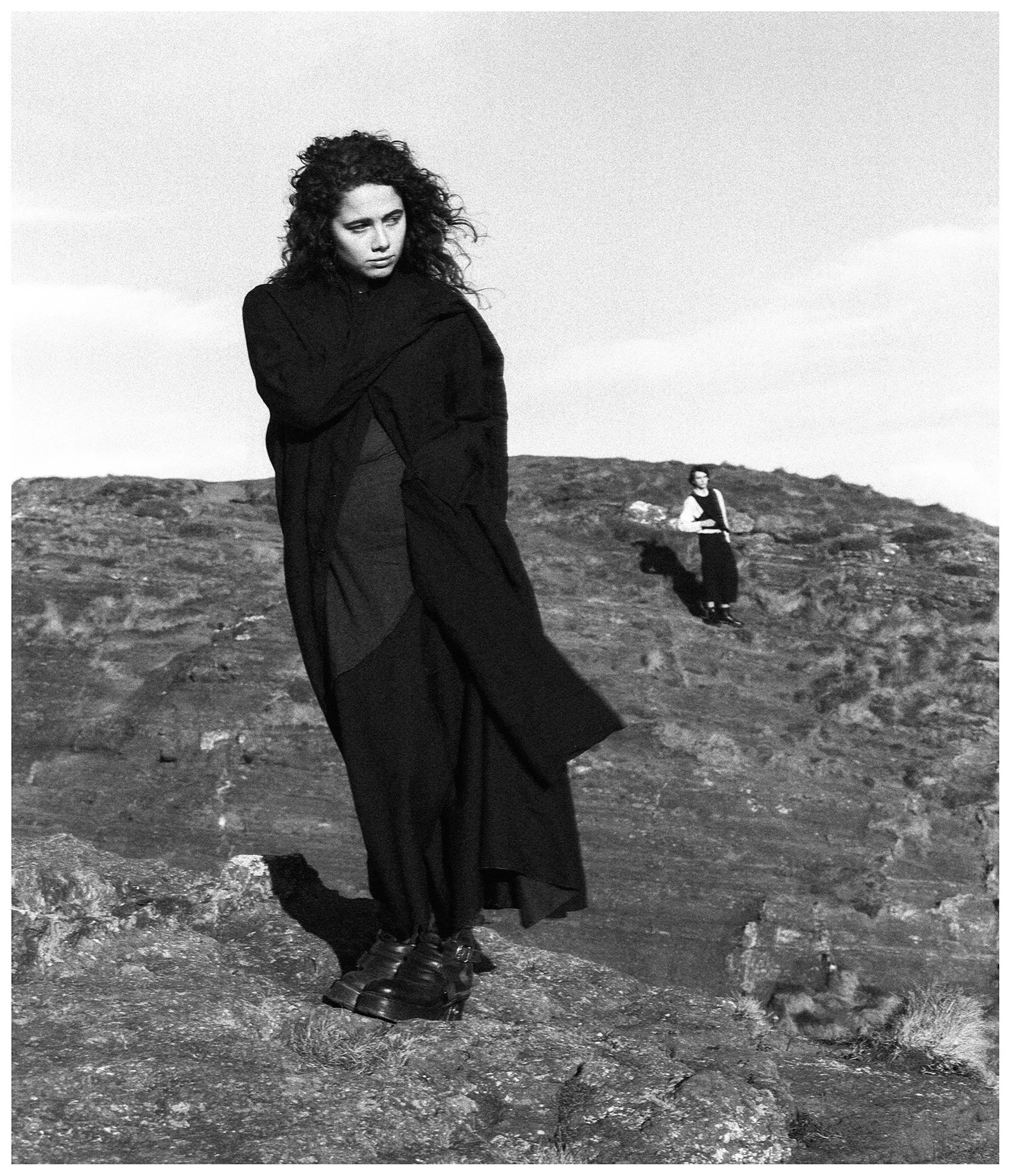
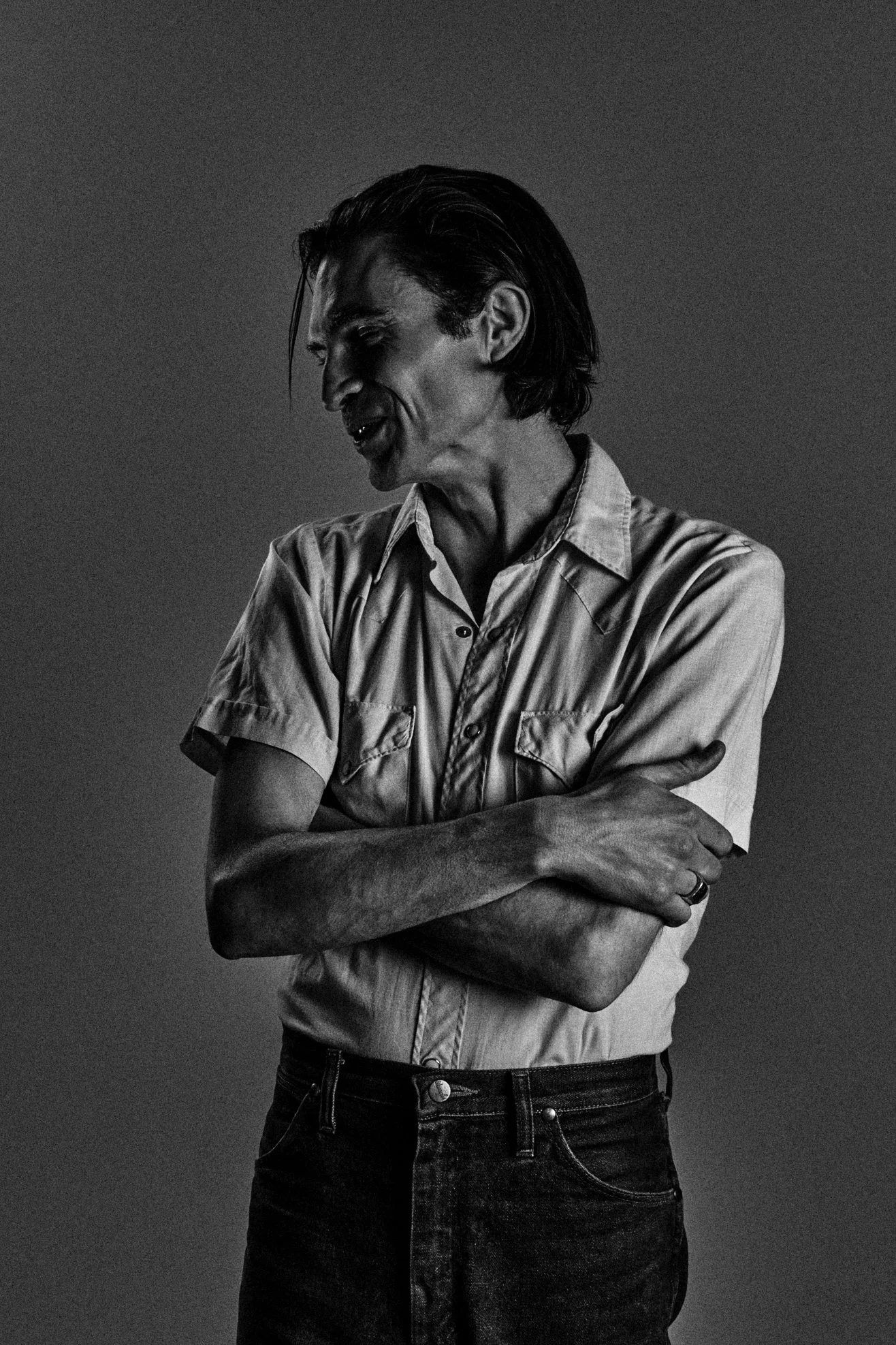
Fast Money Music is the solo project of Nick Hinman — a San Francisco native, shaped by New York, who now calls London home. His self-titled debut album weaves together a decade's worth of unresolved vignettes blending jagged post-punk energy with what Hinman calls "tough nostalgia." Guitarist Daniel Vildósola, who played on the record, sat down with him to find out more.
Interview Daniel Vildósola Photography JC Verona
What is Fast Money Music?
Could be fast. Could be money. Could even be music? It’s a slow burn of highs, lows, and heavenly blows. It’s a blueprint on how NOT to make money, fast. It’s a window into my world — trials and tribulations, meditations and musings. I suppose it’s a manifestation of whatever I feel inspired by. The band name is a reference to one of my favourite Suicide songs. I figured I should release heartfelt introspective songs and call it Fast Money Music, because, why not?
What does tough nostalgia mean to you? How can nostalgia be tough?
Mikko and I developed that phrase when listening to the demos and talking through the album during pre-production. Tough nostalgia, to me, is the balance of warmth when reflecting on times past mixed with that bittersweet feeling memories can stir up. It can stay rooted in the present, but it can also pull you toward something that feels lost in time.
What is this record actually about?
Good question. I released two EPs in pretty quick succession in 2023 and 2024, and when I decided to make this album, I pulled together songs that spanned quite a length of time. Probably close to a decade. It wasn’t a concept album or something too experimental, it was a series of unresolved vignettes and anecdotes that still felt relevant to me. I feel haunted by demos sometimes. It’s so weird because as long as a song is still a demo, I’ll keep listening to it. As soon as I release it into the wild, I stop listening to it. There’s this cathartic feeling of letting go, and I think that is a lot of what this album is. Letting go.
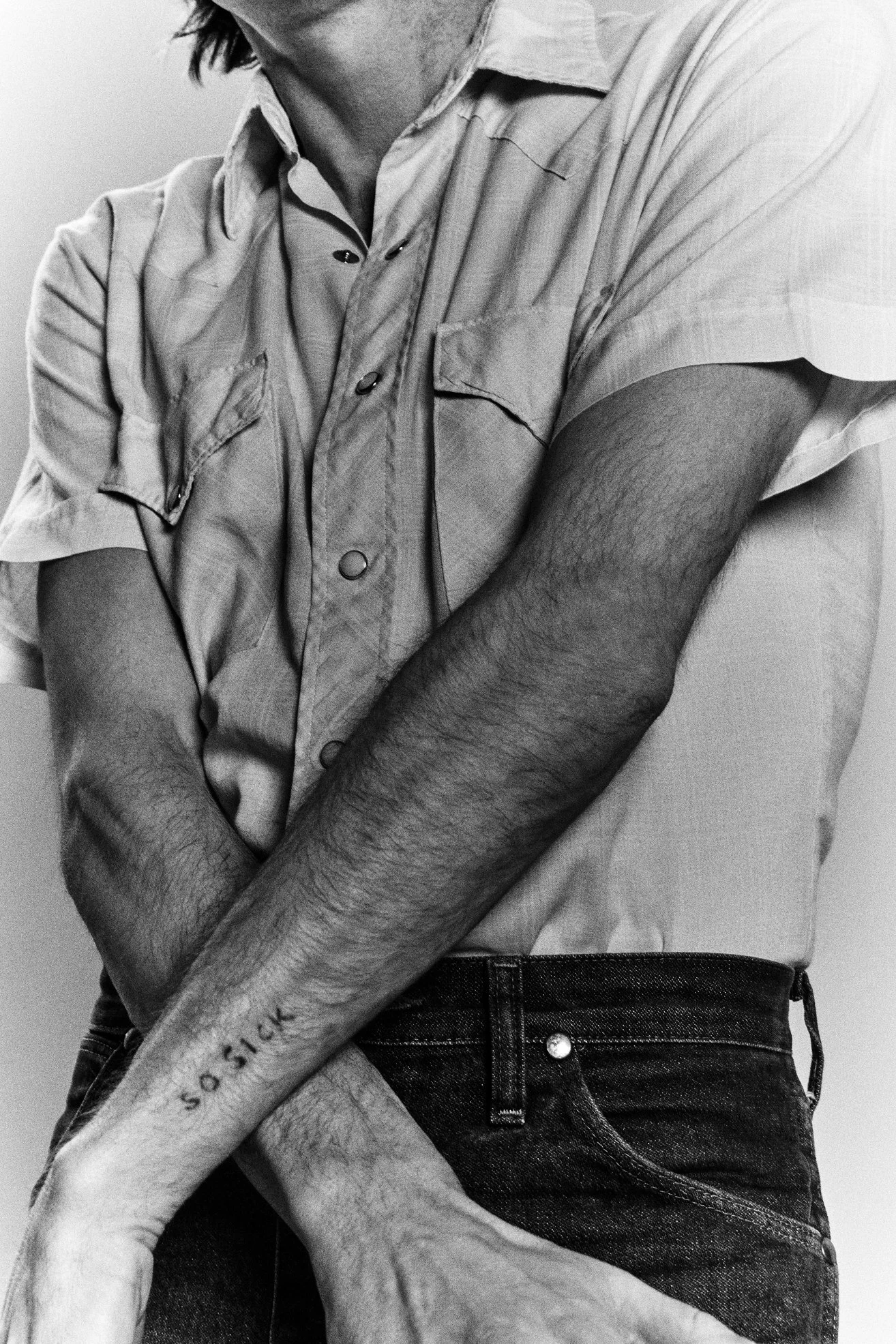
“It's human to be dynamic, and our emotions are fluid.”

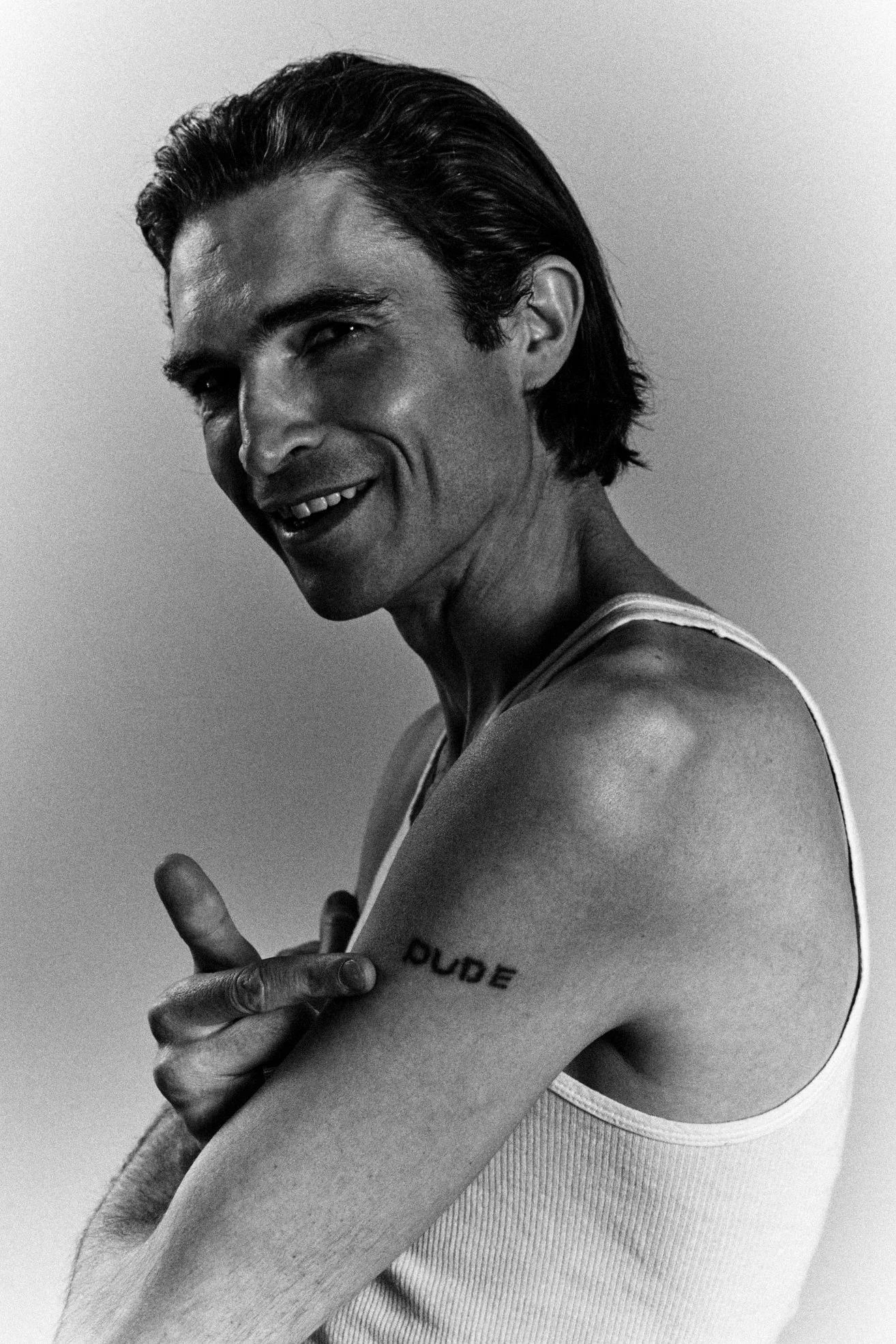
Which song on here is the most you?
I wouldn’t say that any one particular song is the most me. As a whole, I’d say that the record embodies different facets of my artistic DNA. It’s human to be dynamic, and our emotions are fluid. Depending on the day you asked me, maybe there's a song that feels the most me in that particular moment. This written interview is making me feel introspective, so today I’m feeling pretty Round and Round. But I also know that I’m doing this interview with Daniel Vildósola, and your banter and sense of humor is quite infectious and wry, so maybe if we were talking on the phone I’d feel a bit more Nevermind, as that song is more pithy and irreverent.
What did executive producer Mikko hear that you couldn’t?
Mikko and I were on the same page during most of the production process actually. I think when you hand something over to a collaborator, they will always hear it differently than you, and that is where a lot of the power of collaboration comes from. Once you’ve spent enough time with your own demos, it can be hard to think outside the box. Mikko works well on intuition and likes to work quickly, as do I. Trusting your instincts is an important part of the process, otherwise you can get in your own way and end up tweaking a snare sound for eternity.
The saxophone. Why?
I used to fill a lot of space with synthesisers in early demos. I still like to do that, actually. Certain pads and textures make for ethereal and sometimes otherworldly lead lines and bring this synthetic emotion that’s hard to manufacture otherwise. When I started Fast Money Music, I wanted to add a sax feature to one of the early demos of Probably Finally, off the first EP. It was meant to be less of a melodic element and more of a sonic texture, something human and expressive, and sax features heavily on a lot of my favorite records. It was recorded remotely for the session by Hugh Jones and sounded great on the track, and when it came time to play the first show, I was looking for a sax player. I met John Waugh at your Bermondsey Social Club show with The Overland back in late 2022. I told him I wanted live sax in the show and he came by the studio to listen to some of the songs, and we really clicked. It was something different than the style he’d been used to with other projects, where I wanted him to make noise and make the sax really scream. It was the beginning of a symbiotic relationship, and John’s contributions to the record have been absolutely vital to the identity of FMM.
George Daniel plays on your record. How does a collaboration like that even begin?
I met George in LA when I was living out there. When I came to London to work on what was going to be the first Fast Money Music EP, I basically crash landed into the early pandemic in London. It was really hard to find a drummer who wanted to come for an in-person session, which was totally fair given the circumstances. I hit up George on the off-chance that he would be around and he was actually at another studio at the time and he had the ability to track some drums remotely. He ended up playing drums on a few songs, including Space Opera and Ashes. A very legendary guy!


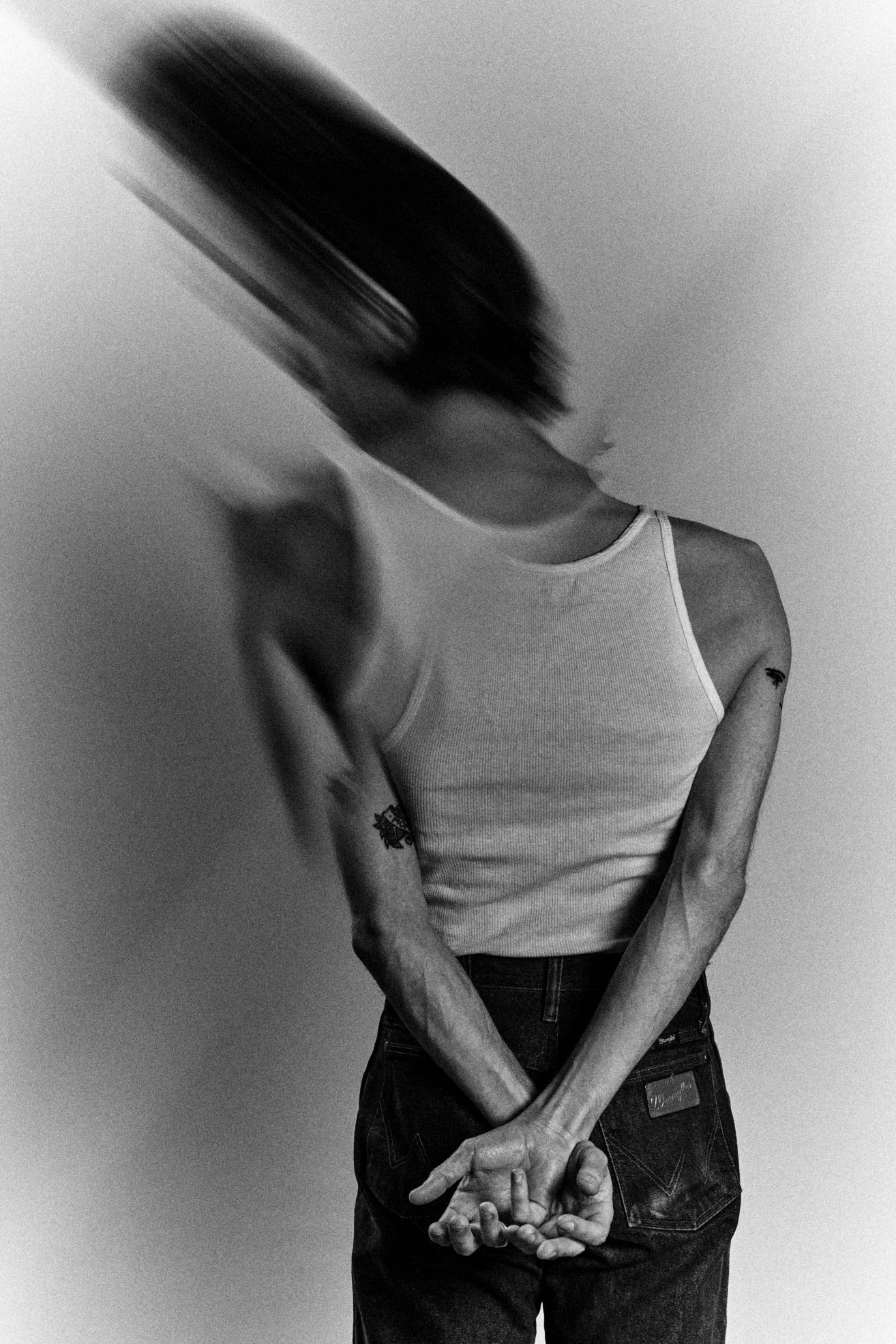
"I don't travel light, and she said neither do I, unfortunately."
What’s the line on this record that you’re most proud of?
There’s a few. I think the ethos of the album is at the end of the verse of Round and Round: “If lesson learned then share the wealth, when history repeats itself”. That line is contemplating how to let go of the past when you feel like you’re in an endless cycle. I don’t really answer it either. Unfortunately has another line I like that reflects on how timing is everything — especially in relationships, but really in life in general. It’s about the baggage we carry, how it weighs us down, and how it can keep us from moving forward. “And I said, I don’t travel light, and she said to me, neither do I, unfortunately.” The distant third would come in There Are No Words, where I profoundly proclaim — “Shhhhh….”
What are you not saying on this record?
I left room for interpretation. I don’t like making anything too specific because even to myself, these songs can change meaning over time. I wrote them with specifics in mind, but I like to keep a slightly abstract and malleable quality to them.
What did ten years of carrying these songs do to them?
I think it did exactly that. They took on a weirdly amoebic form. Some of them evolved over time, some stayed pretty close to their original demo. It definitely feels like a weight has been lifted and I’ve made space for what comes next.
What comes after this?
More Fast Money Music. I made an acoustic and stripped-back version of some of the LP songs down at Hackney Road Studios with Kevin Carballo, who’s being mentored by Mikko. Some studio time came up right after our Rough Trade Denmark St show, where I had to play the songs in a stripped-back format, so it worked out. We just had two back-to-back shows at Lost Club here in London which were extremely fun and unhinged. We have a headline show in Paris at Supersonic on June 10th, and then it’s back to the drawing board. I’ve got some pretty fun ideas for LP 2 already.
Is there a song that you think is perfect?
Anything touched by Daniel Vildósola.
So half your record is perfect?
I didn't say that. You said that.
Are we done here?
Never.
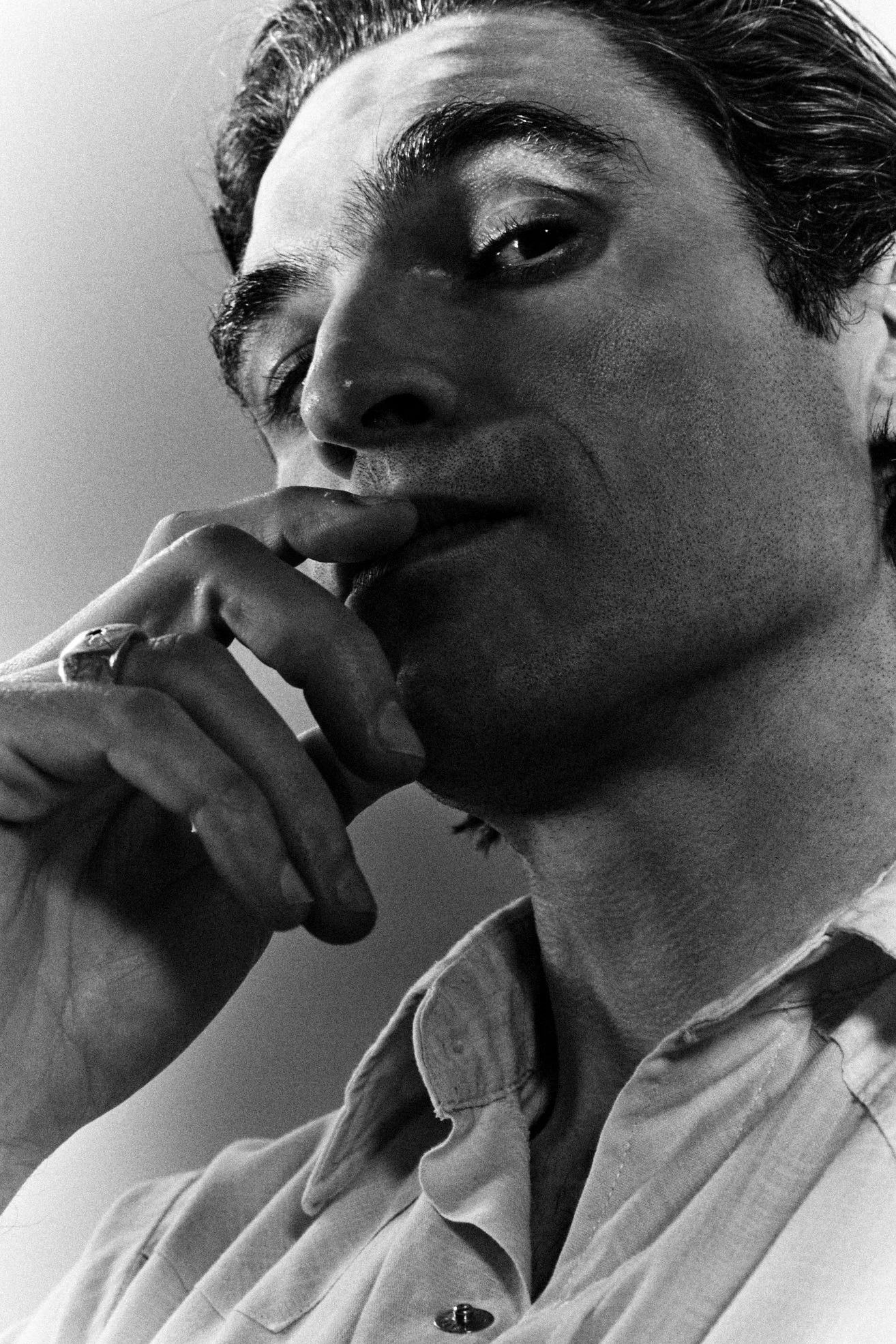
"As long as a song is still a demo, I'll keep listening to it. As soon as I release it into the wild, I stop."
READ NEXT