Los Amigos Invisibles – The Enduring Rhythm
For more than thirty years, Los Amigos Invisibles have crafted a sound where funk, Latin rhythms, disco and house collide with effortless groove. Born in Caracas and embraced worldwide, the band remains a singular bridge between live musicianship and club culture. We spoke with Julio Briceño and Catire Torres about their evolution.
Interview Alex Rivas Photography Alx Connor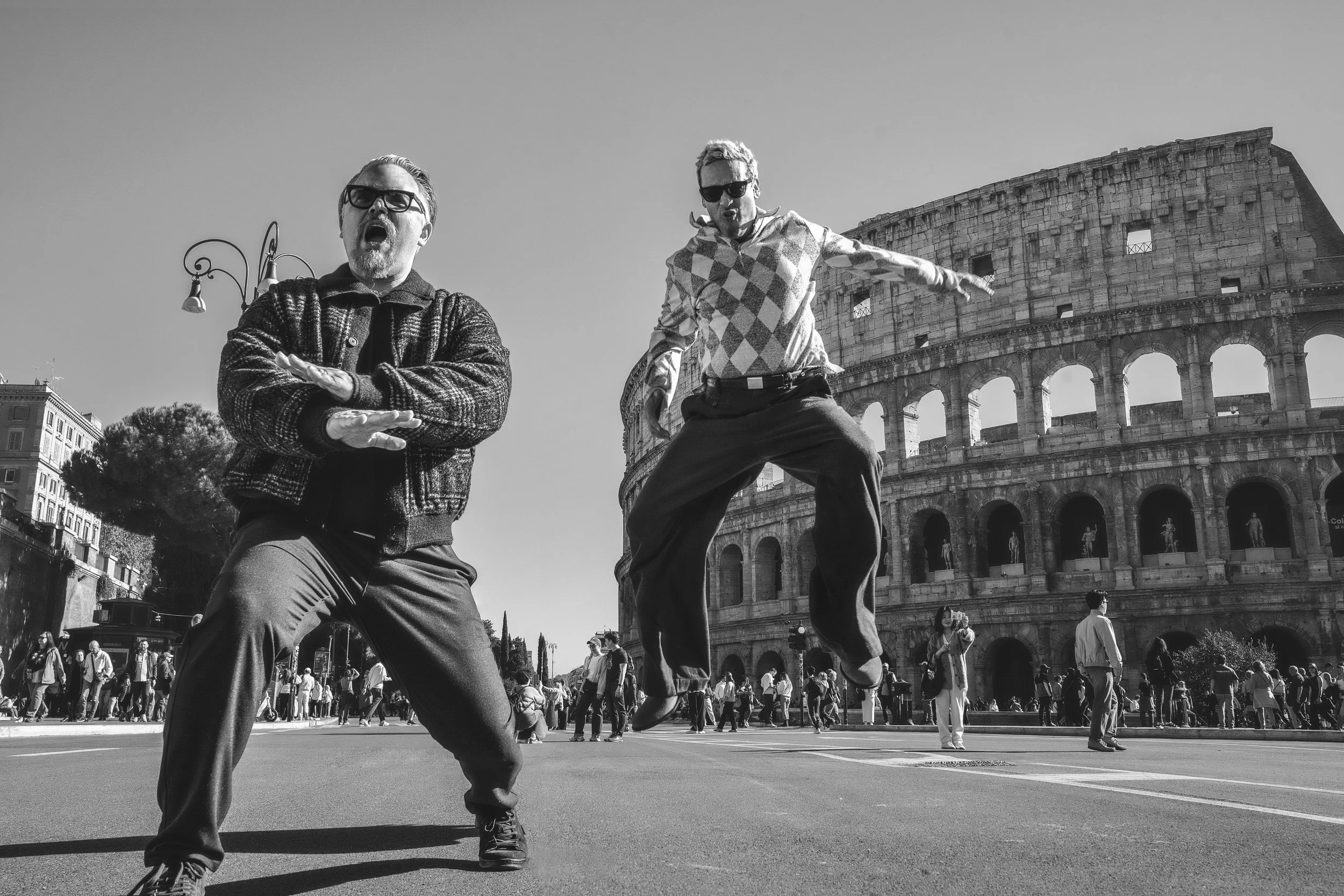
Thirty years deep into a career defined by relentless sonic alchemy, Los Amigos Invisibles remain the undisputed heavyweight champions of the tropical-funk crossover. From the raw, sweat-soaked energy of Caracas bars to the global stage, their trajectory is less of a standard career path and more of a masterclass in rhythmic evolution. They first caught the world’s ear when David Byrne – the ultimate arbiter of cool – snapped them up for his Luaka Bop imprint, effectively bridging the gap between underground club culture and world-class musicianship.
Their sound? A high-octane blend of disco-inflected grooves, acid jazz, and Latin heat that feels just as at home in a West London basement as it does at a festival main stage. It’s a journey fuelled by an insatiable curiosity, a sharp sense of humour, and a knack for finding the perfect "pocket" in any rhythm.
We sat down with Julio Briceño and José Rafael “Catire” Torres to talk through the band’s enduring legacy, the grit of their creative process, and the stories that shaped three decades of dancefloor fire.
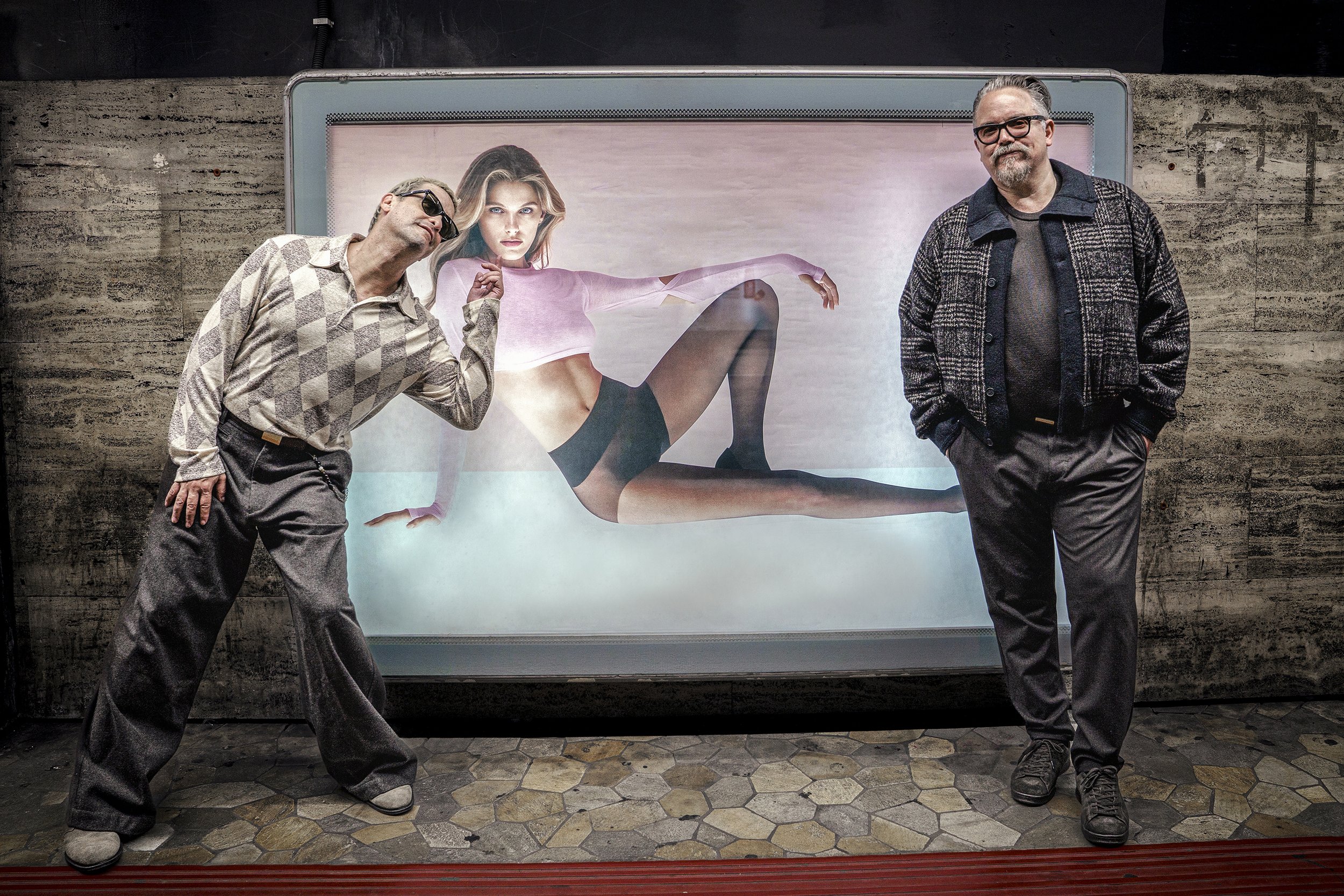
For those only just getting clued up on the Los Amigos sound, how would you break down the band’s actual DNA?
Julio: I reckon you’ve always got to let the music do the heavy lifting. At our core, we’re a bit of a sonic mash-up funk, house, salsa, and electronic textures, but always through the lens of a live band locked in together. There’s R&B, mambo, and Afro-beats all bubbling away in the same pot. If we had to slap a label on it? Let’s go with ‘Funky Afro House Band’ (laughs).
Catire: It’s rooted in everything we were obsessed with growing up: soul, funk, and a massive dose of that UK acid jazz scene. That British influence is baked into our foundation, but because we’re Caracas-born, you get this inevitable tropical heat layered over that Anglo-centric base.
It creates this brilliant friction music with a serious technical edge, but filtered through our own cultural lens. And a massive part of that identity, which is perhaps a bit louder than the typical British reserve, is that specific energy in our lyrics and our stage presence. It’s that sense of cheeky irreverence that really defines us.
Your sound is a sprawling tapestry of genres. Looking back at the trajectory from those early records to where you are now, how has that sonic identity shifted?
Catire: If you go back to our debut, A Typical And Autoctonal Venezuelan Dance Band, we were in a completely different headspace. To be honest, we barely had a handle on what 'songwriting' actually meant back then. It was all about the loose jams – raw, unfiltered sonic explorations. There were tracks, sure, but they were mostly born out of pure improvisation.
As we’ve matured, we’ve leaned much more into the craft, mastering the 'formula' of what makes a song tick. These days, the records feel far more intentional – tighter, more structured. But that evolution isn't just about technique; it’s about our own curation. You never stop digging through your influences or refining what you want the band to represent in the studio. Thirty years in, it feels like we’re constantly distilling our creative process.
Julio: The thing is, that improvisational spark never truly leaves us, especially when we’re playing out. It’s part of the furniture; it’s what the crowd turns up for. Even if you’ve never heard of the band, you can get lost in that spontaneous energy. That raw release is always there, even if some of us in the band lean into it more than others.
Our whole essence was built on that without us even realising it. When we did Venezuelan Zinga Son Vol. 1 – which was released on a UK label – it was that exact 'jamming' energy they fell for. Working with Masters at Work was a game-changer; they weren’t interested in chasing a radio hit. They wanted to capture the grit of a live band locked in a room – something that could hold its own in a heavy DJ set. You eventually learn when a track needs to be watertight and when it needs that bit of improvisational air to breathe.
“That improvisational spark never truly leaves us – it’s part of the furniture when we’re playing out.”
Julio Briceño
Caracas is the beating heart of your story. How did you translate that raw Venezuelan essence for a global audience?
Julio: The Venezuelan identity is baked into our DNA – it’s there in the syncopation, the textures, and most definitely in the lyricism. It carries this inherently Caribbean pulse. We were soaking up influences from artists like Prince, but grafting them onto a tropical groove. It was essentially Prince meeting Wilfrido Vargas (laughs), or drawing from that era of Proyecto Uno and Machito Ponce, then blending it all with a deep love for R&B, soul, funk.
As for taking it to the world? A huge part of that journey is down to David Byrne. Getting signed to Luaka Bop was the real catalyst; he effectively put us on the international map. But honestly, there was never some grand 'export strategy.' We were just a band that had cut its teeth in the bars of Las Mercedes (the nightlife heart of the capital, Caracas) and other cities like Mérida, and suddenly we were soundtracking nights across the globe.
Catire: And the thing is, even after years of living abroad, you never truly lose that 'accent.' There are elements of your identity that are simply non-negotiable. You’re shaped by the place you were born, and that rhythm stays with you – it’s a permanent part of the kit, regardless of where you’re playing.
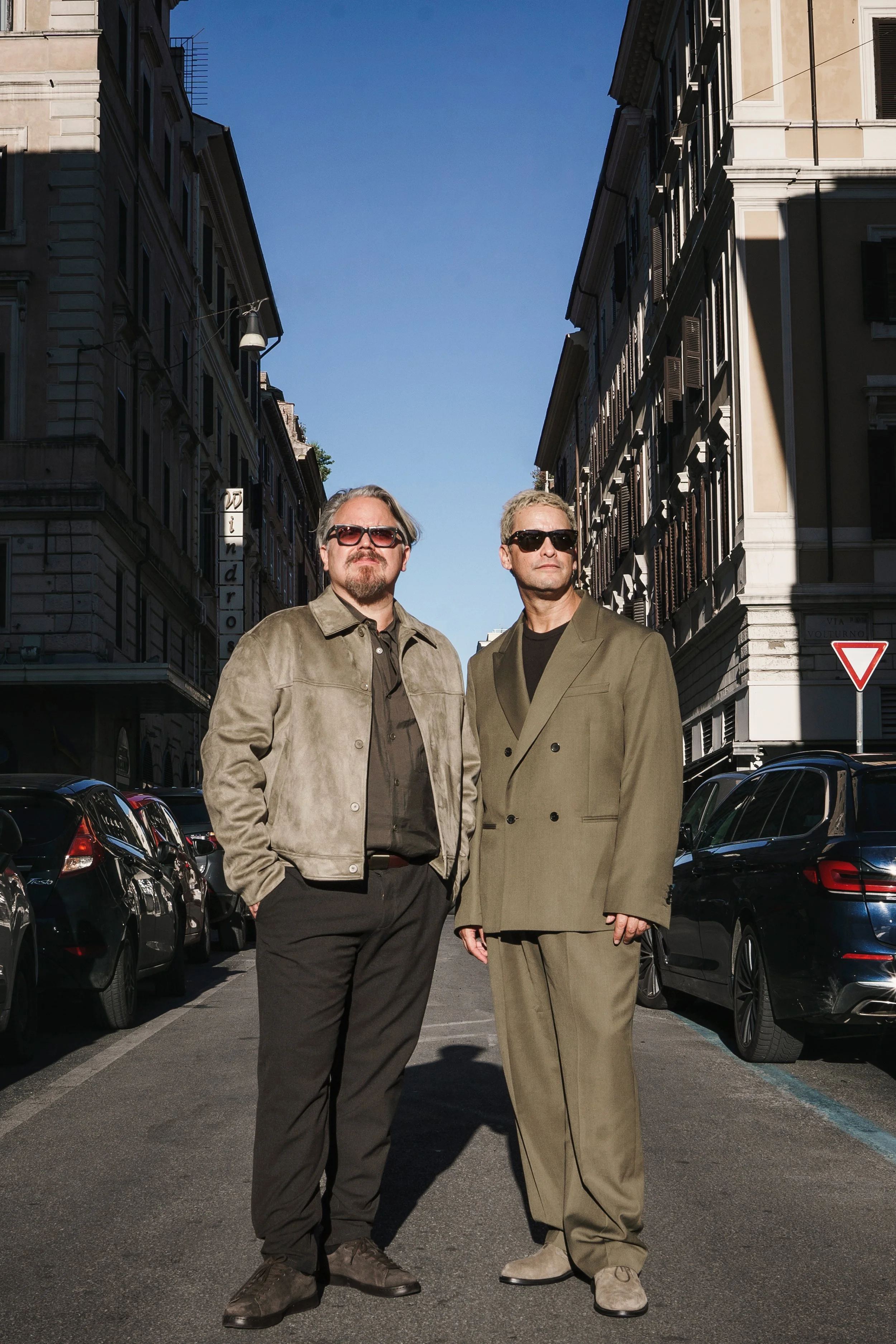
Looking back at the discography, which records do you feel were the real turning points in the Los Amigos journey?
Catire: "Every record has its own soul, but there are definitely some heavy hitters. The debut, A Typical and Autoctonal Venezuelan Dance Band, was essentially a local affair – it stayed within Venezuela. But the second one, The New Sound of the Venezuelan Gozadera, was our massive breakthrough. It gave us those first Latin American anthems like ‘Sexy’ and ‘Ponerte en Cuatro’. Suddenly, we were all over MTV, touring the States, and getting our first real taste of Europe.
Then came Arepa 3000. That was a tough one to get over the line, but the fans absolutely lived for it. In Venezuela, the impact was huge because it was so unapologetic about our identity. After that, we moved into The Venezuelan Zinga Son Vol. 1 with Masters at Work. I remember when we were wrapping that up, we felt the tracklist was missing a clear-cut single for Venezuelan radio.
Julio: That’s precisely why we brought in ‘Diablo.’ We were already working on that track with Dimitri from Paris, and we realised it was the perfect fit to give the album that extra edge it needed for the airwaves.
Catire: Ultimately, every album leaves a different footprint. I reckon the fans are probably better at explaining the true legacy of each one than we are, really.
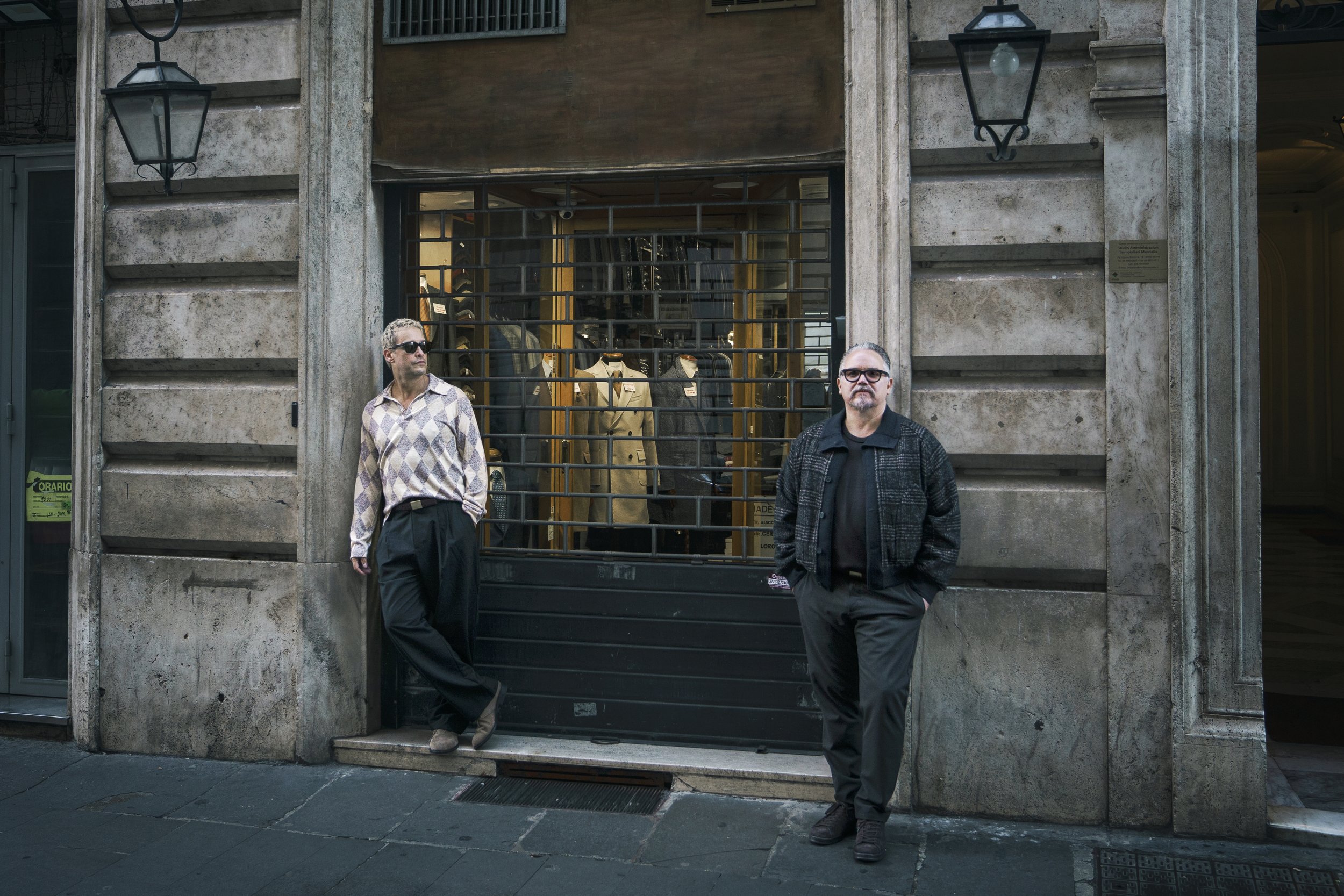
Looking at your trajectory, the industry has certainly taken note – most notably with your Latin Grammy wins for Best Latin Rock, Urban or Alternative Album for Comercial (2009) and Best Alternative Song for ‘Tócamela’ (2019). Beyond the ceremony, what impact do those awards have on the band’s day-to-day?
Julio: It’s a beautiful milestone, and it always catches you by surprise. One minute you’re just working, the next you’re a lead story across the national press back home. But ultimately, you have to be savvy. You use that media spotlight as a springboard – it’s about capitalising on the momentum to keep the engine running and push your music even further.
Catire: Honestly, I see it as more of a spiritual achievement. It’s a great bit of validation, but it’s not as if you can stroll into the supermarket, flash a Grammy at the till, and expect them to give you the groceries for free! (laughs). It’s brilliant for the legacy, but it doesn't change the daily graft.
Julio: The timing can be cruel, though. After one of those wins, we had a massive run of nearly fifty concerts confirmed in a flash – and then the pandemic hit. Everything vanished. It was a total gut punch for everyone; to see all that momentum evaporate overnight was devastating.
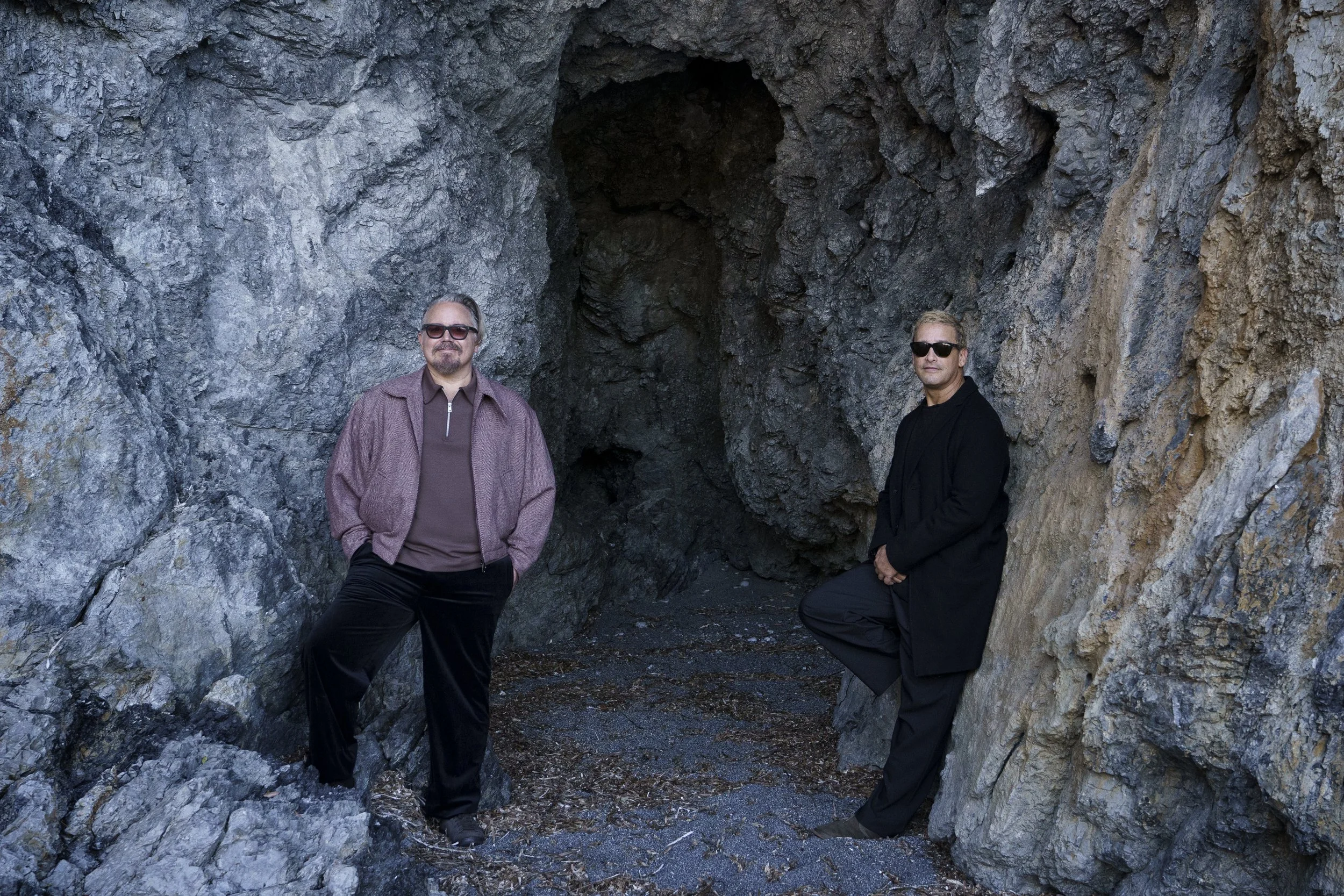
“It’s a spiritual achievement more than anything else.”
Catire Torres

You’ve collaborated with a stellar range of producers over the years. Which of those creative partnerships do you feel truly redefined the band’s sonic footprint?
Catire: Honestly, I think we’re still in the process of discovering that. We’ve always given ourselves the license to experiment, to say, 'Let’s see what this person brings to the table.' That curiosity hasn’t faded. But I have to mention a rule Julio brought to the band, which turned out to be a total game-changer: 'If you’re not mastering your record at Abbey Road, you’re essentially losing money.' (Laughs).
Julio: I stumbled upon that almost by accident. These days, with everything being digital, the way we collaborate has shifted. You don’t even need to be in the room; you send the files to Abbey Road and the results are just flawless. We’ve been leaning into that remote workflow for a while now—it really started with the Super Pop album.
When I found that rhythm, I thought, “This is it.” Super Pop was the turning point, with Dimitri from Paris handling the post-production. Our process now is to record the tracks exactly how we want them, defining the core concept, and then we hand them over to a producer we admire and tell them: “Do whatever you want.” For a producer, that kind of unfettered freedom is the ultimate playground.
Catire: "I remember during the Comercial sessions, we had ‘Mentiras.’ We knew it was a strong track—we’d even been road-testing it live to gauge the crowd's reaction, which was a big part of our process back then. We could feel the magic, but it wasn't quite 'there' yet. That’s when we worked with the prestigious Cachorro López, a true Latin American powerhouse as both musician and producer.
What blew me away was how he transformed the song. We sent him our version, and he sent back something that had completely maximised its potential. It was a revelation. Ever since then, whenever we have a song with that kind of heavyweight potential, we say: 'This has to go to Cachorro.'"
Julio: ‘Tócamela’ was another Cachorro López production. We went to him with the seed of the idea, and he handled the production and post. The mix was then done by César Sogbe, a fellow Venezuelan who spent years working with Prince. It’s those kinds of world-class ears that really help us push our sound further.
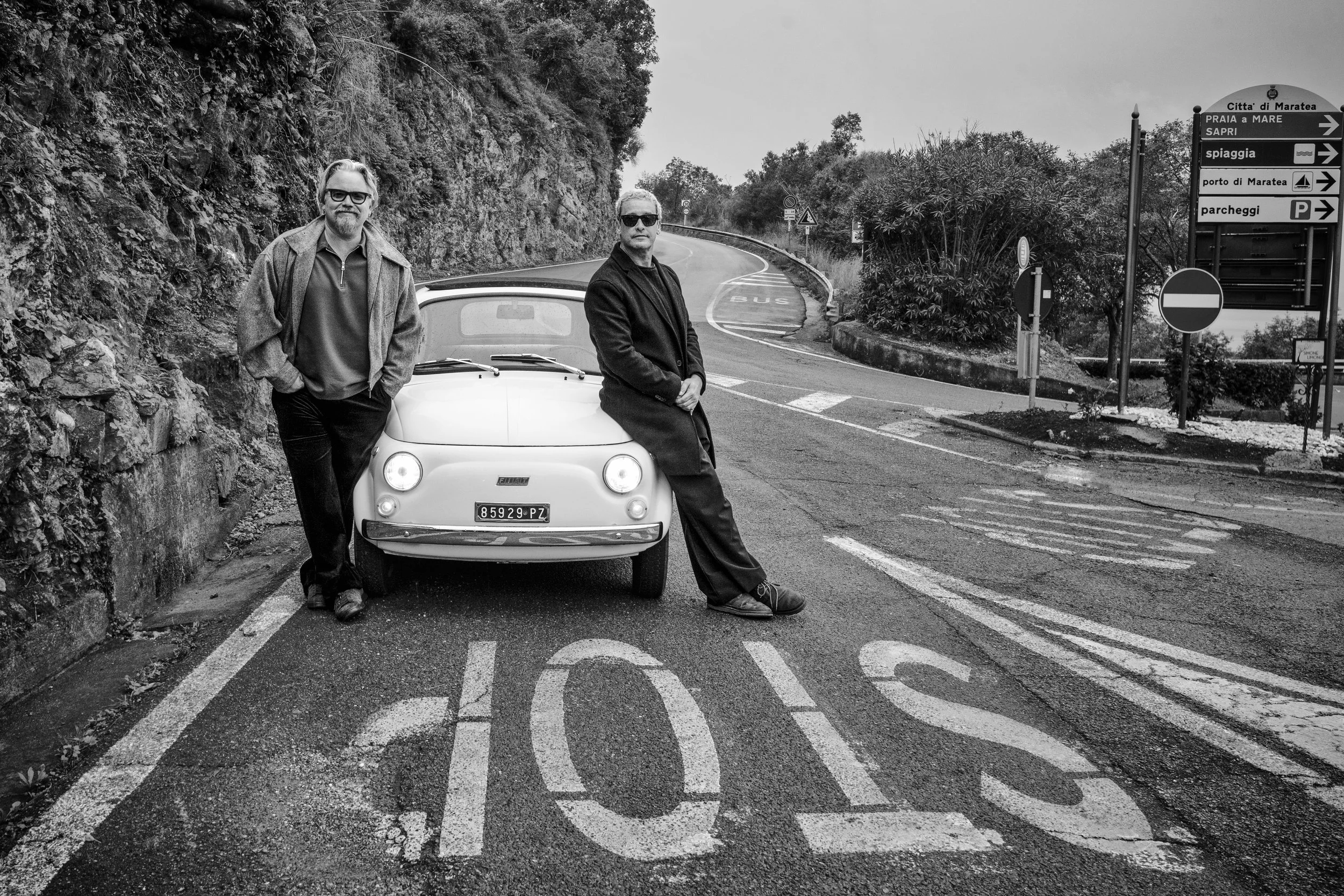
“If you’re not mastering your record at Abbey Road, you’re essentially losing money.”
Catire Torres
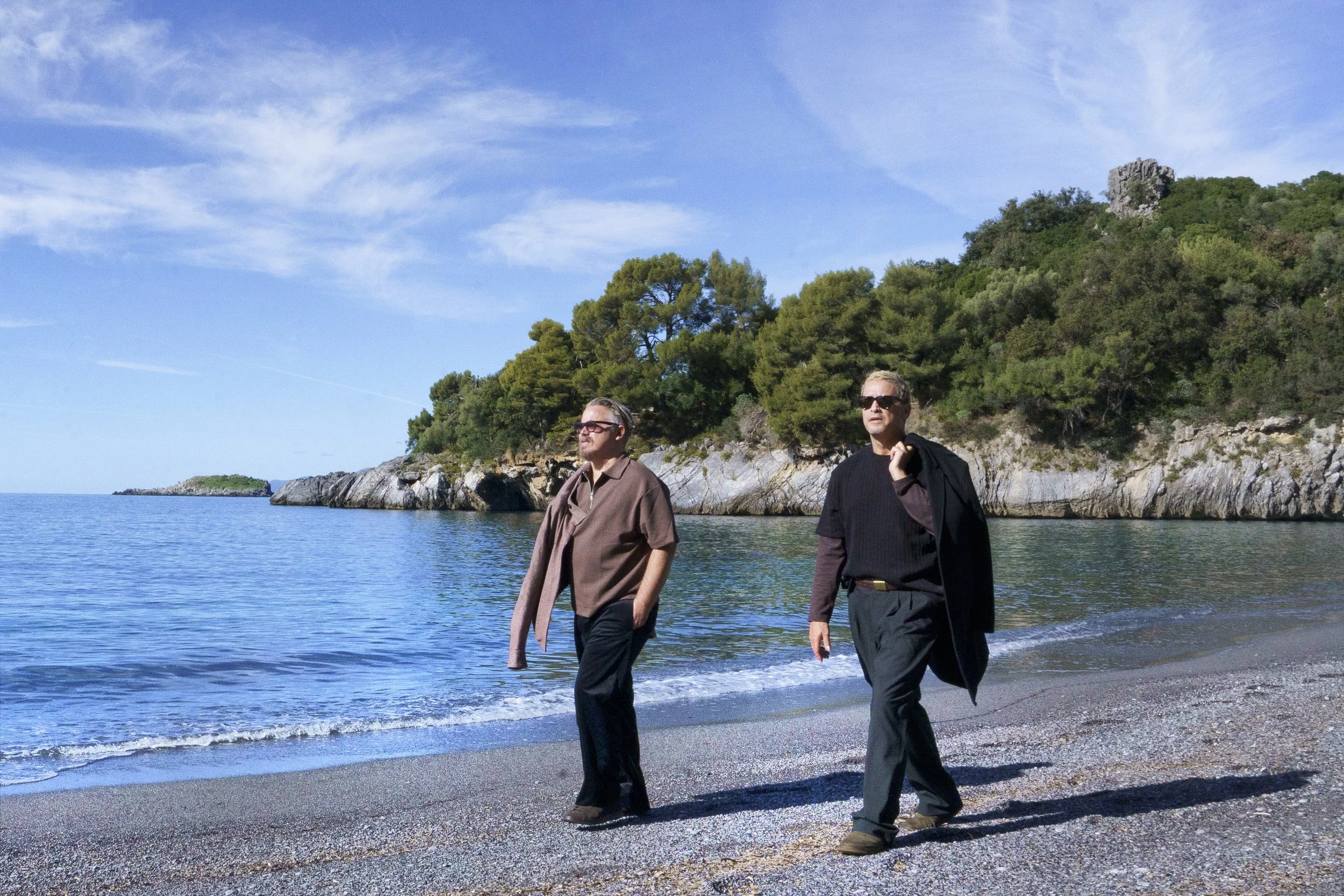
Your collaboration with Masters at Work is legendary. How did that partnership with Louie Vega and Kenny Dope actually come together, and what stands out from that era?
Julio: It all started with our friend and former guitarist, Cheo – he basically made it his life’s mission to get them on board. He used to track down their DJ sets, trying to get close enough to pitch the project to them. I’ve always been so grateful for his enthusiasm because, at that time, he was the biggest fan of their work. Eventually, I became a massive fan myself. Even now, I follow Louie Vega’s every move, and I recently dug out an incredible remix Kenny Dope did for a 70s Brazilian artist.
Cheo was relentless; he wanted them to hear the band because he was convinced they should produce the album. Eventually, they came down to one of our shows as guests, and later they reached a business agreement with our label, Luaka Bop. From there, they took the reins in the studio. What was fascinating was that, for the first time, we were working with producers who weren't focused on the usual technical minutiae. They had a completely different philosophy; they’d just say: 'If you’re going to jam, do something... and drive us crazy.'
We were also fans of their Nuyorican Soul album, which perfectly captures that studio philosophy: musicians playing together, building tracks from the raw energy of the moment. That was precisely the spirit we ended up capturing on The Venezuelan Zinga Son Vol. 1.
With ‘Me Espera (Lei Mi Aspetta)’, you’ve bridged a classic Italian ballad with a modern, ‘guerrilla-style’ visual aesthetic. What was it about this Nicola Di Bari track that demanded such an intimate, cinematic journey through Italy?
Julio: It actually happened quite serendipitously. We had some leftover studio time and decided to lay it down, even though it wasn't originally on the recording schedule. But once we finished the session, we knew we had a standout track on our hands – particularly after our keyboardist, Agustín Espina, took the arrangement to a whole new level.
The song itself is a cover of the Italian singer Nicola Di Bari. I first stumbled upon it at my father-in-law’s birthday party – he’s Italian, and the melody just stuck with me. The idea for the video then sparked during a chat with Catire. He just said: “Brother, let’s head to Italy with our wives and shoot a guerrilla-style video for the track.”
From there, everything unfolded very spontaneously. It ended up being this incredibly fun, intimate experience across various locations, filming day and night to capture that authentic vibe. The visual narrative was a collaborative effort, directed by Joe Torres alongside Alex Rivas, who acted as both cinematographer and photographer.
They were brilliant at documenting the journey through Rome and in the South of Italy, blending it with footage from a show in Miami. We’re thrilled with the final result; it’s a very raw, close-up look at the band.
About Los Amigos Invisibles
Discography (Studio Albums)
A Typical and Autoctonal Venezuelan Dance Band (1995)
The New Sound of the Venezuelan Gozadera (1998)
Arepa 3000: A Venezuelan Journey Into Space (2000)
The Venezuelan Zinga Son, Vol. 1 (2002)
Superpop Venezuela (2005)
Commercial (2009)
Repeat After Me (2013)
El Paradise (2017)
Cool Love (2022)
READ NEXT