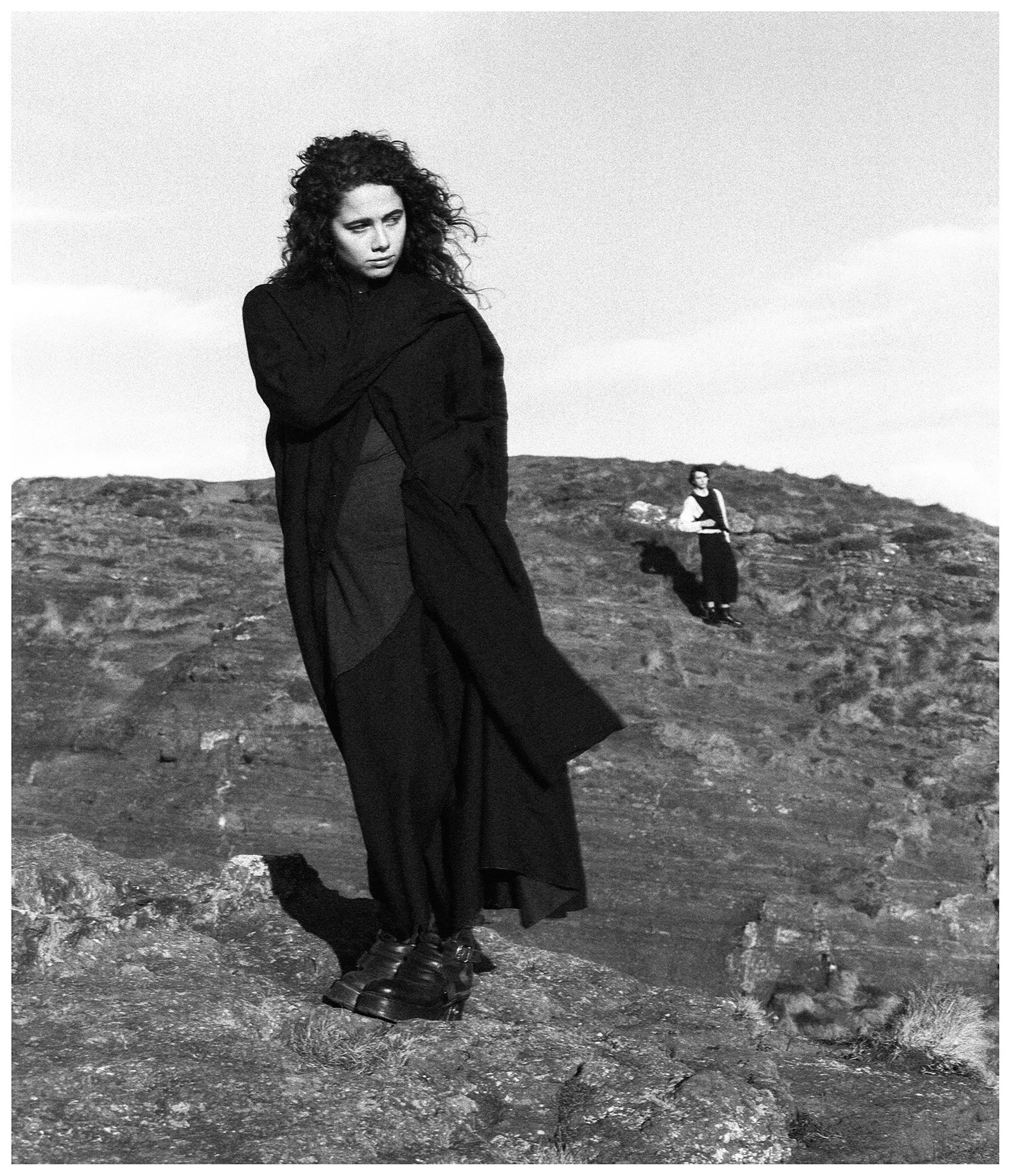
PLANNINGTOROCK – According to Plan
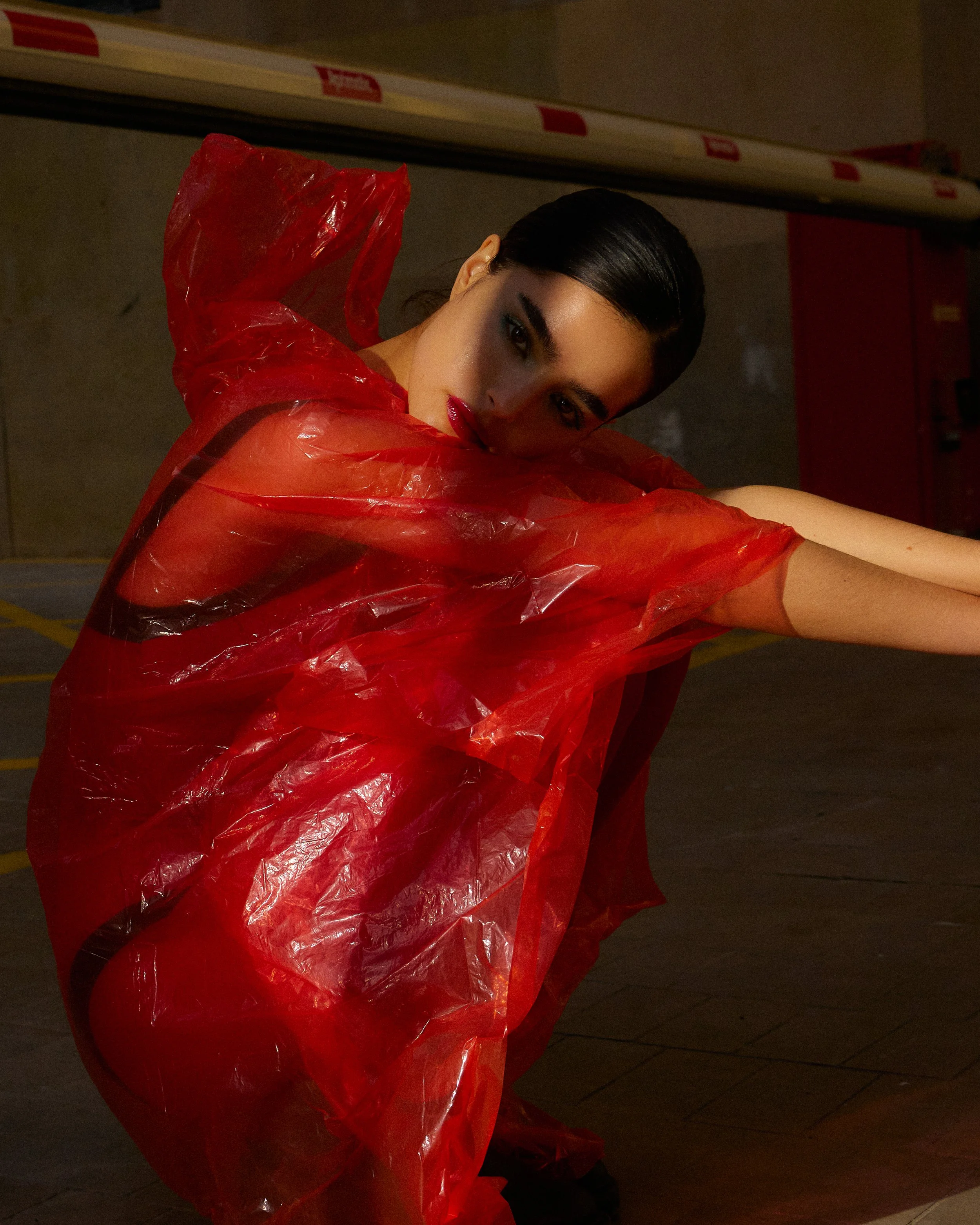
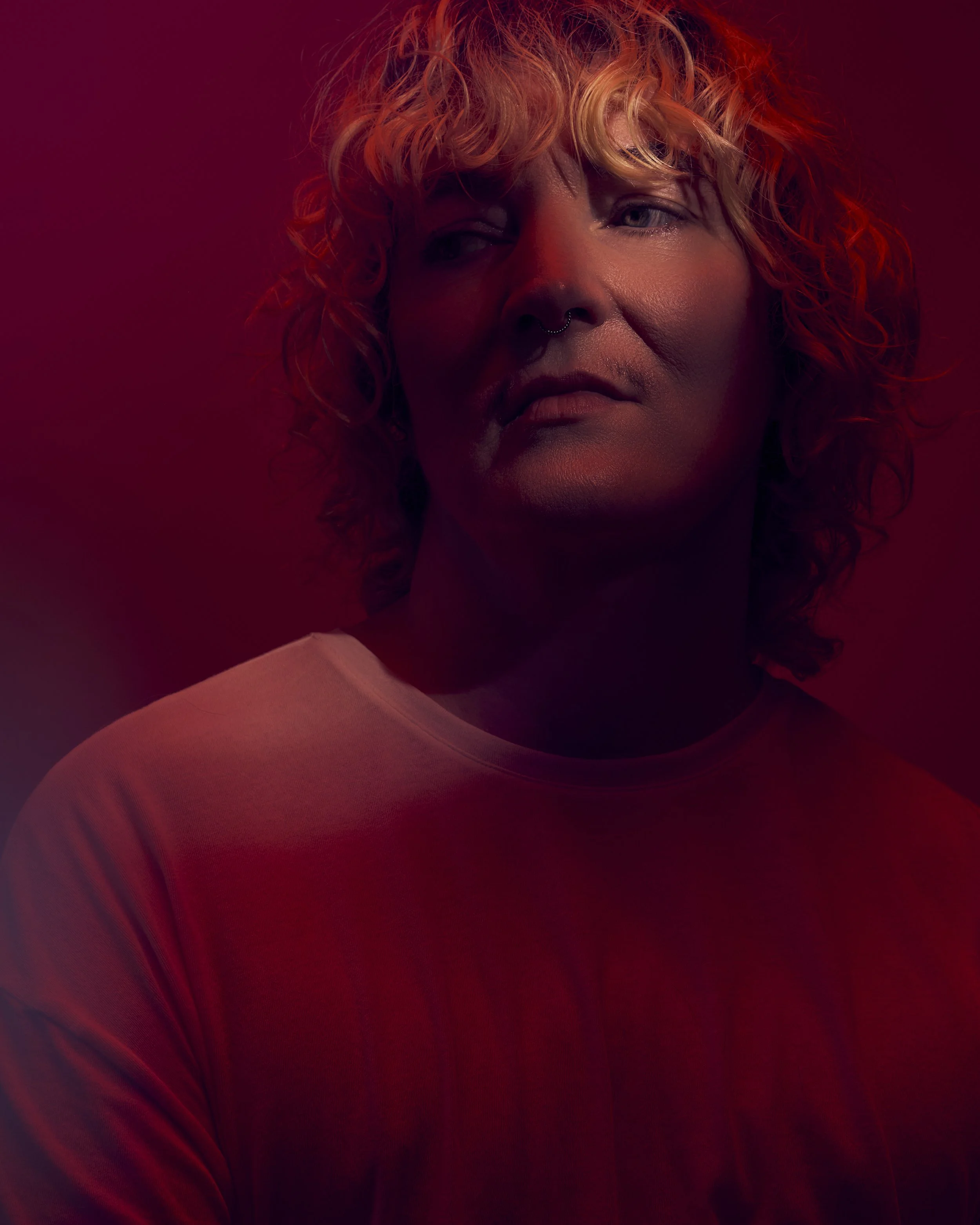
For over two decades, Bolton-born electronic music maverick Jam Rostron – better known to the world as PLANNINGTOROCK – has been pushing sonic boundaries by ‘queering sound’ whilst challenging ideas of gender and patriarchy in an increasingly personal and revealing series of albums. ZERO.NINE meets them on the eve of their next chapter.
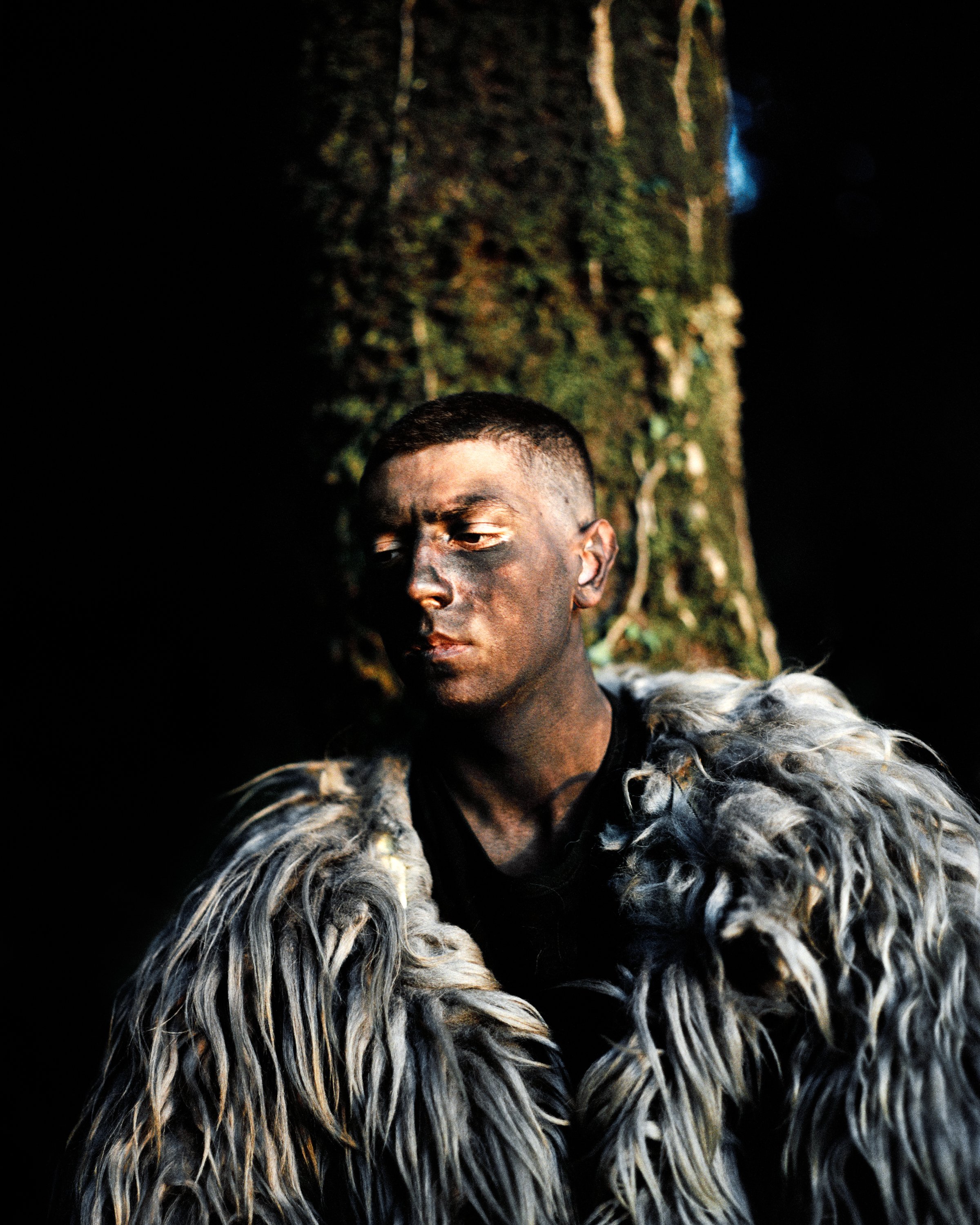
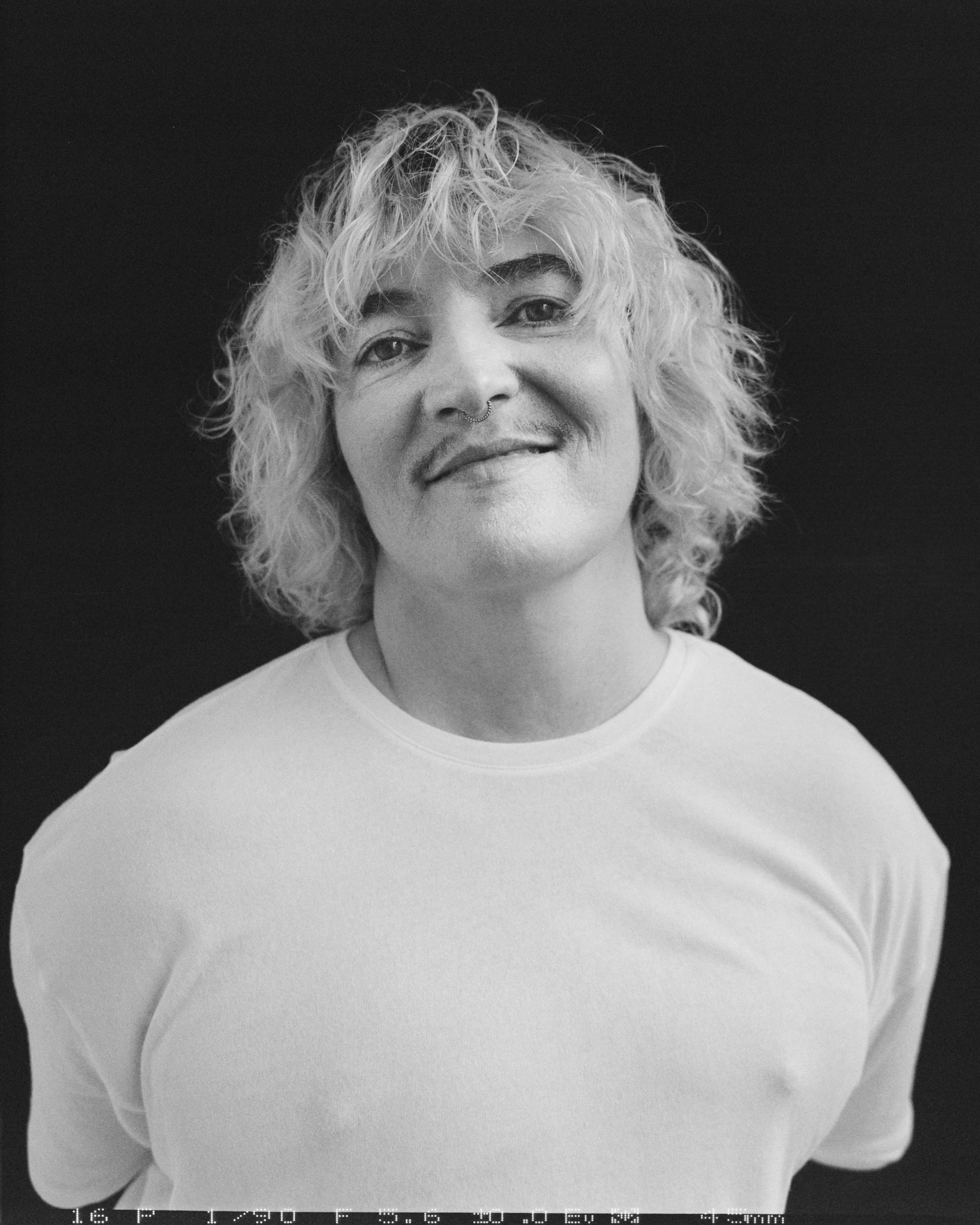
Interview Adam Mattera Photography Christian Trippe Hair & MUA Charlie Fitzjohn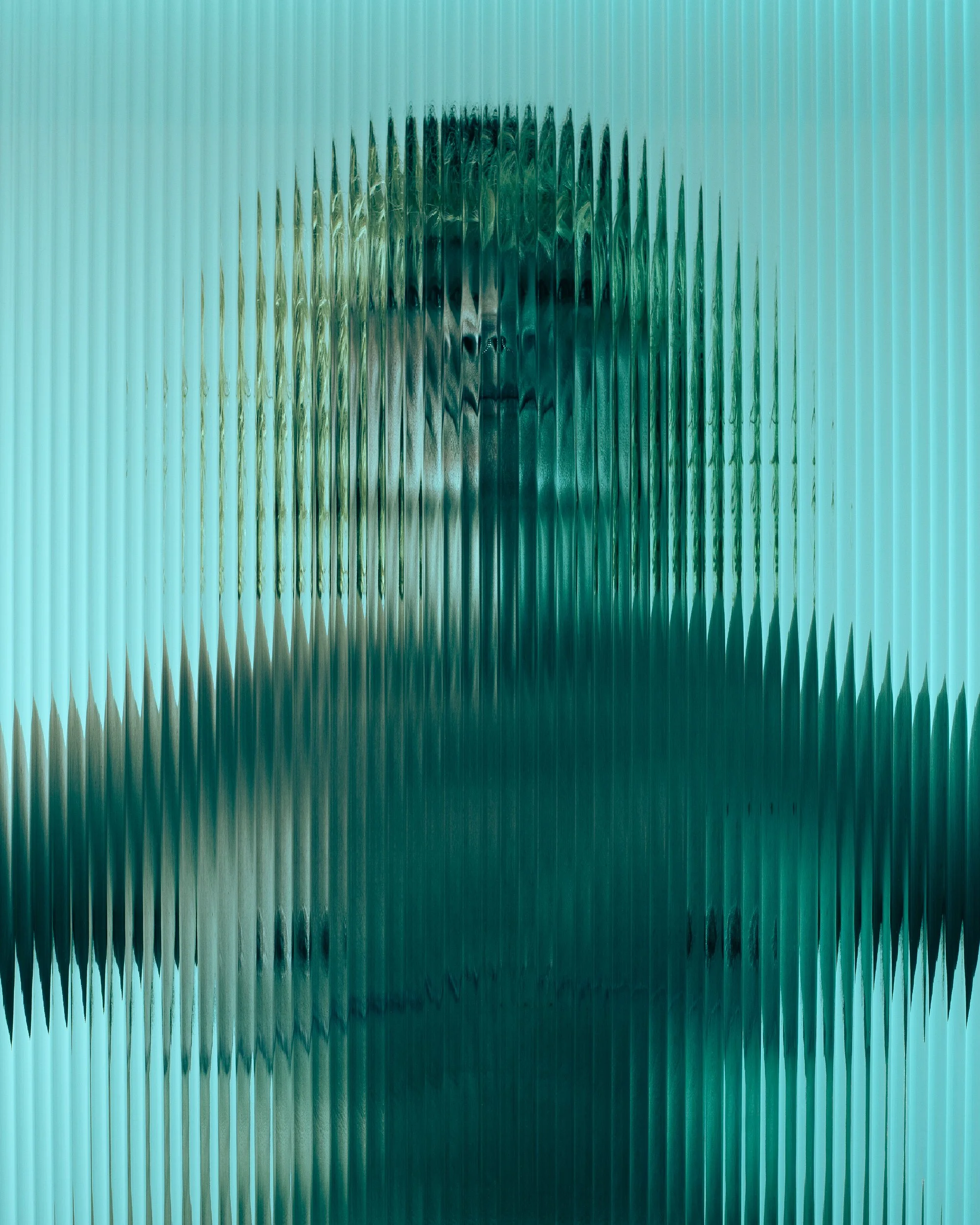
How’s life in Estonia? I know you moved there a few years back…
I absolutely love it. My partner's Estonian, and they're a surgeon, so with my work it was easier for me to move to them. I'd lived in Berlin for 20 years, and I was ready to move, because even though I love Berlin, it never really felt like my home home. Then when I met and fell madly in love with Riinu, it all just felt right. We live in Tallinn, right on the sea. It's very north, so in the summer it never gets dark. And then you get the northern lights, it's really magical.
You've released a series of collaborations this year with a fantastic line-up of queer artists doing quite radical reworks of your back catalogue. Reading about how you approach your solo projects, it seems a very intense, isolated process – like a mad professor holed up for months in your laboratory. I wondered if the impulse to collaborate was partly a reaction to that?
Partly yes, when I'm working on Planningtorock, I’m very much on my own because it’s about me. The reworks were an opportunity to look back over the last 25 years, as well as a really nice way to connect with artist friends I’ve met along the way – people I have a strong connection with personally and creatively. I asked them to pick songs that meant something to them and then I gave them the parts and let them do whatever they wanted with them. So they could use them or not – I didn't want any restrictions or expectations. And I’m thrilled everybody has managed to take the songs on a real journey somewhere totally different, and that’s very them as well.
The One, the Romy track, is probably my favourite. Her vocal on that is just so heartfelt and intimate.
I actually cried when I first heard it. It's just so beautiful. It's kind of become Romy's song now.
I have to ask you about Bimini & Absolute’s take on Let’s Talk About Gender Baby. Bimini’s lyrics are like a call to arms, really direct and powerful.
Bimini is such an incredible artist, very passionate about what they do. The highlight for me was performing it live together at The Age of Consent concert at the Royal Festival Hall, Bimini’s born to perform, basically. So to be on stage together was just absolute fire.
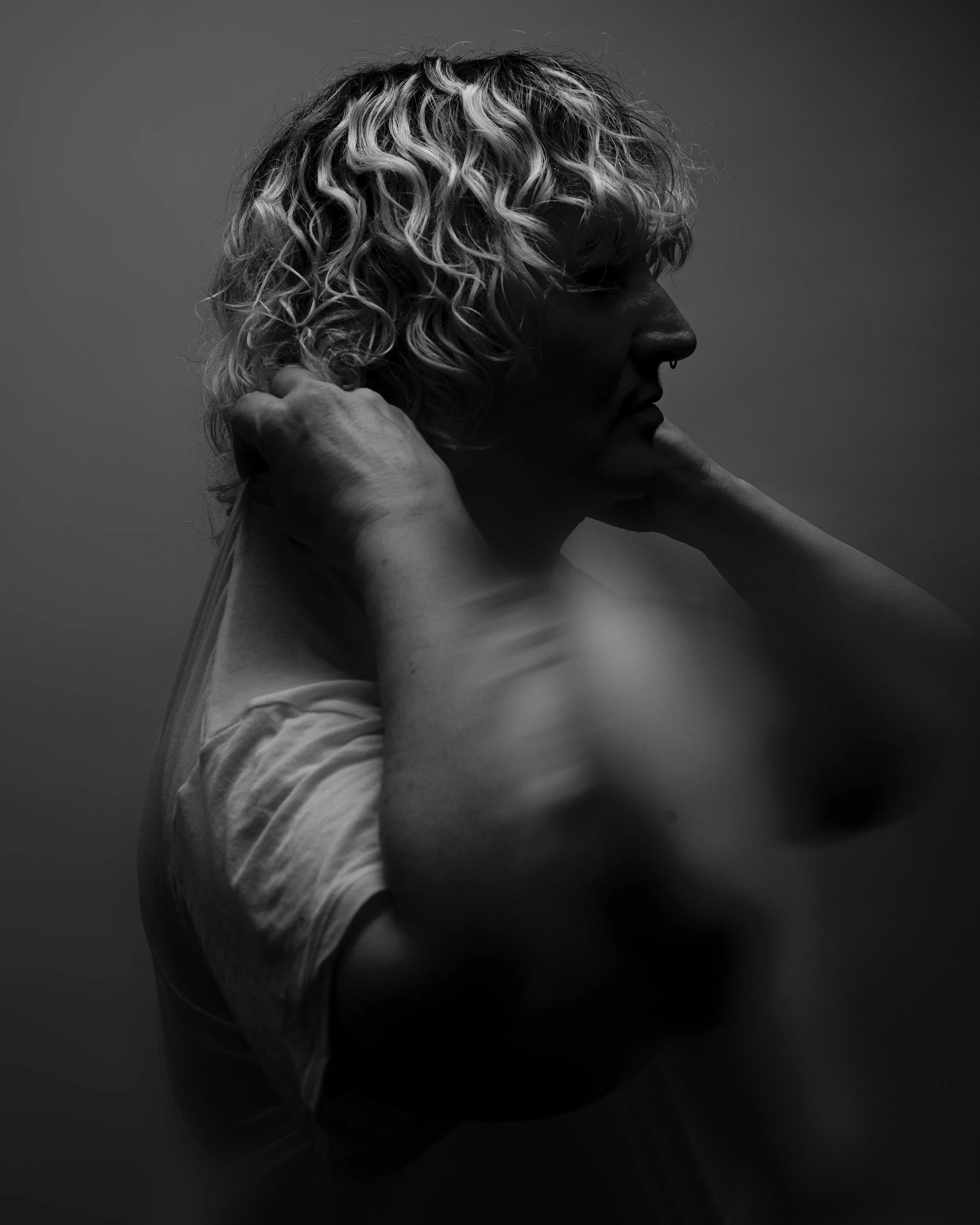
“We've got to talk quite clearly about this because people are dying, people are being discriminated against. It's sad that it's still as relevant today.”
PLANNINGTOROCK
That was the Bronski Beat tribute show, right? Did Jimmy Somerville show up?
No, but I think when you’ve been in the spotlight that long… I can understand it. You want to do nowt and just live in Brighton and chill. But he did send a nice message when I did my Smalltown Boy remix and that meant a lot to me. I was very young when it came out, like 12, but I remember seeing them on Top Of The Pops and being blown away. There was nothing else that was spelling it out quite like that, especially with Section 28 at the time. Their music was like activism – it definitely inspired me later when I started making music, just being that direct, which culturally isn't an English trait. That sense of urgency – that we've got to talk quite clearly about this because people are dying, people are being discriminated against. It's sad that it's still as relevant today.
What with the reworks and your last album, Powerhouse, very much looking to your past, it seems there’s been a period of taking stock for you over the past few years. I wondered if when you look back at the work you've amassed, it reveals itself to you in ways that maybe weren’t obvious at the time?
Absolutely. I see very clearly now how these albums definitely helped me come out as gay. They definitely helped me come out as trans. They were my safe space where I could talk about things in a way that I didn't even quite understand myself yet. It's like the songs know more about you than you do, like with All Love’s Legal, it was as if my music knew I was trans before I did! I mean, thank fuck for art. Without music, I don't know where I'd be. Especially growing up as a queer trans kid in the ‘90s – trying to explain to people that you're gay, but you don't feel like a woman, and you're not a lesbian. People were like ‘What the hell are you talking about?’ And I was like, ‘I feel like I am trans, but I don't necessarily want to be like a man’. And they're like, ‘no idea what you're talking about’. It wasn’t until the mid-2010s that there started to be the language around it. So I had many lonely decades without knowing who I really was. But music was the place where I knew where I was, or at least I could think about it and kind of explore it.
“I mean, thank fuck for art. Without music, I don't know where I'd be.”
PLANNINGTOROCK
Let’s rewind to your childhood for a moment. You grew up in this very rural, working-class Northern town Bolton, before moving to Berlin in your 20s. It’s easy to map that onto the typical Smalltown Boy scenario, but what I find so heart-warming about your story is that your family life was always very accepting of who you were, there was a real cocoon of love around you.
I was very lucky like that. I never really felt gendered by my family. My sister is autistic, and I think that made a difference in terms of actually learning that you have to let people be themselves and embrace them for who they are. My parents dealt with a lot of prejudice against my sister, and my mum especially did a lot of fighting for my sister's rights as a disabled person. We went to the same school and both got bullied a lot. So my mum let us leave when I was 14. My dad nearly had a heart attack! So, we just stayed at home and we drew, we messed around with music. Mum really encouraged us to explore our creativity. She just always believed in us, and that’s an incredible foundation to have.
Fast-forward to your life in Berlin – how did that move come about?
I went there originally for an art project – the idea was to have this trans culture flat with some friends where we would invite artists to come collaborate with us. My mum always jokes I was meant to be there for six months but was there 20 years in the end.
It really liberated me in so many ways. Moving out of the culture that you grew up in can be an amazing thing. Like nobody knew I was working class. All the stigmas that I used to deal with didn't mean anything. Suddenly I was free of a lot of shit.
And that’s where, after years of making music in secret as it were, you started performing in public – how did that come about?
That was by accident really – I was creating videos with music at the time and a friend of mine in Zurich wanted to show them and convinced me to sing live. I was nervous about it but once I did it, I just loved it. A stage is like your world, and while you're on it, anything and everything can happen, you're free and you're safe because it's yours. I found a place where I could work shit out: why I felt so lonely, why I felt so detached from myself.
All Love’s Legal was a real turning point for you, not only in your music reaching a much wider audience but in really boldly putting yourself out there with songs like Patriarchy Over And Out and Misogyny Drop Dead…
I’d gotten very frustrated and depressed after making W: that album was very much about me trying to work out how I could transition. It was a very, very queer record, and I felt like a lot of people didn't get that. I already felt invisible, so I got quite down after that. I started really questioning what to do next, so on All Love’s Legal I became a lot more direct in what I was saying and questioning in a way I hadn’t before. It was really like a self-help album. It was such a wonderful record to tour as well – after shows people would talk to me about what it meant to them. It spurred on conversations that I really needed myself. I made everyone understand that I'm queer as fuck and now I’m trans as fuck. I didn't want that straight projection on me anymore because it was just killing me.
“Since transitioning, I feel I have a strength I never had before. I have a contentment I never had before. And that’s what I want for everybody: to be their real and full selves.”
PLANNINGTOROCK
Your last album Powerhouse – threaded through with really relatable stories from your childhood – was almost more subversive in a way, I think. There’s so much othering around transness, it felt like a really important message to put out there. And now the documentary you’re working on looks like it will take that even further. The trailer moved me to tears.
Wow, thank you. If this film can help people understand that trans people are absolutely no threat at all, we're very easy to love, then it’s job done. We just did some filming with my mum – she’s 82 now and her health isn’t great, but she’s still that powerhouse and she’s always totally accepted me for who I am. Parents often project too much on their kids and forget it’s their life, not yours. Just love them for who they are, that’s all. So if the film helps any of that, it's a win.
Finally, what can you tell about the new album? It’s the first you’ve made since you transitioned.
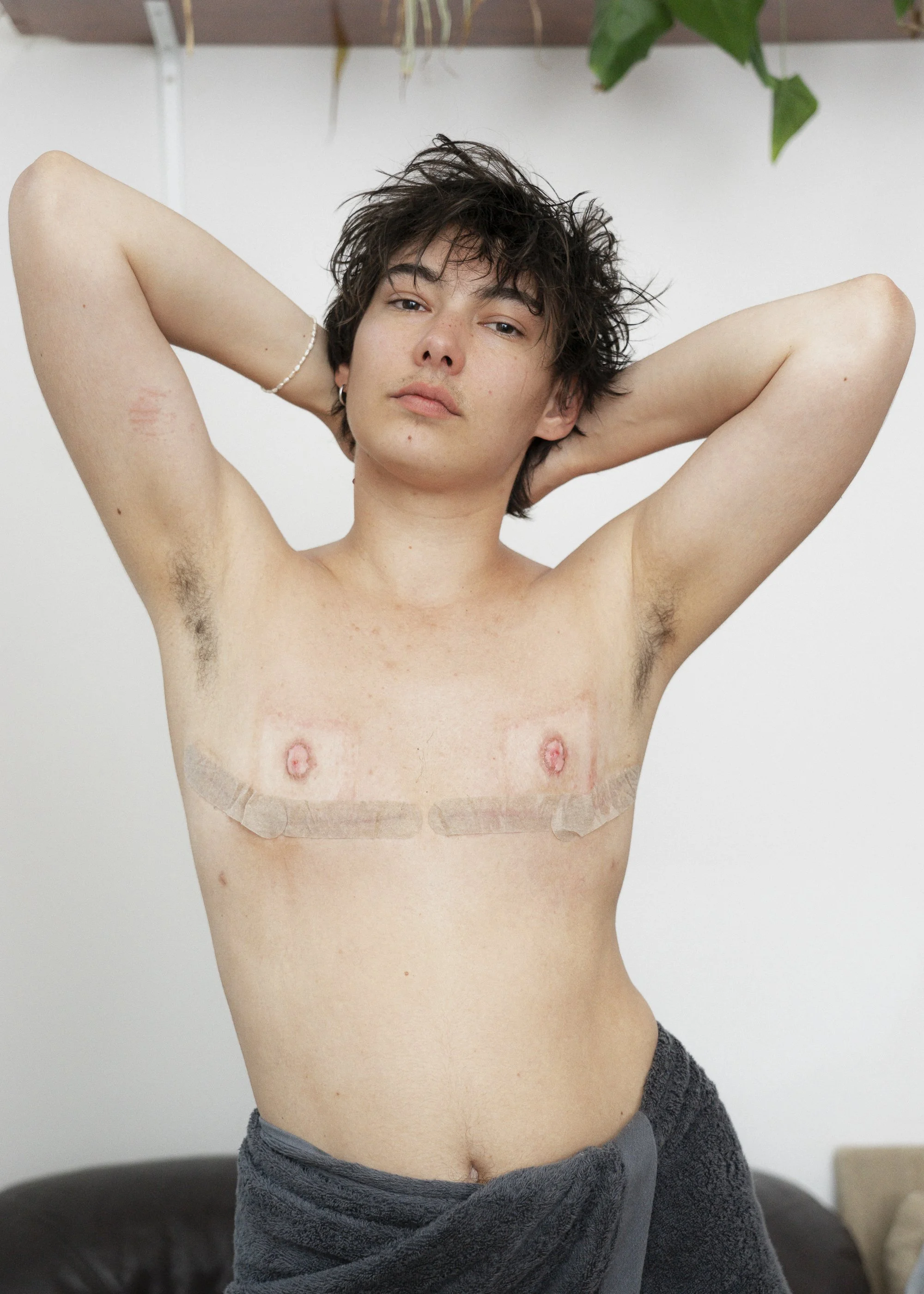
Well, I’m planning to start releasing music from the album later this year and all I can tell you is I'm very excited about it. It feels like the end of that chapter in a way, and the next chapter is going to be probably quite different. I’d started thinking about having top surgery fifteen years ago and it was finally meeting someone that I feel so compatible with and who saw all of me that really changed my life and gave me the space to fully transition. It’s been a huge step. Since transitioning, I feel I have a strength I never had before. I have a contentment I never had before. And that’s what I want for everybody: just to be their real and full selves.
Team credits
Interview: Adam Mattera
Photography: Christian Trippe
Hair & MUA: Charlie Fitzjohn
PR: Tom Mehrtens, SATELLITE414
READ NEXT