From the Jaw of Sam C. Wilson
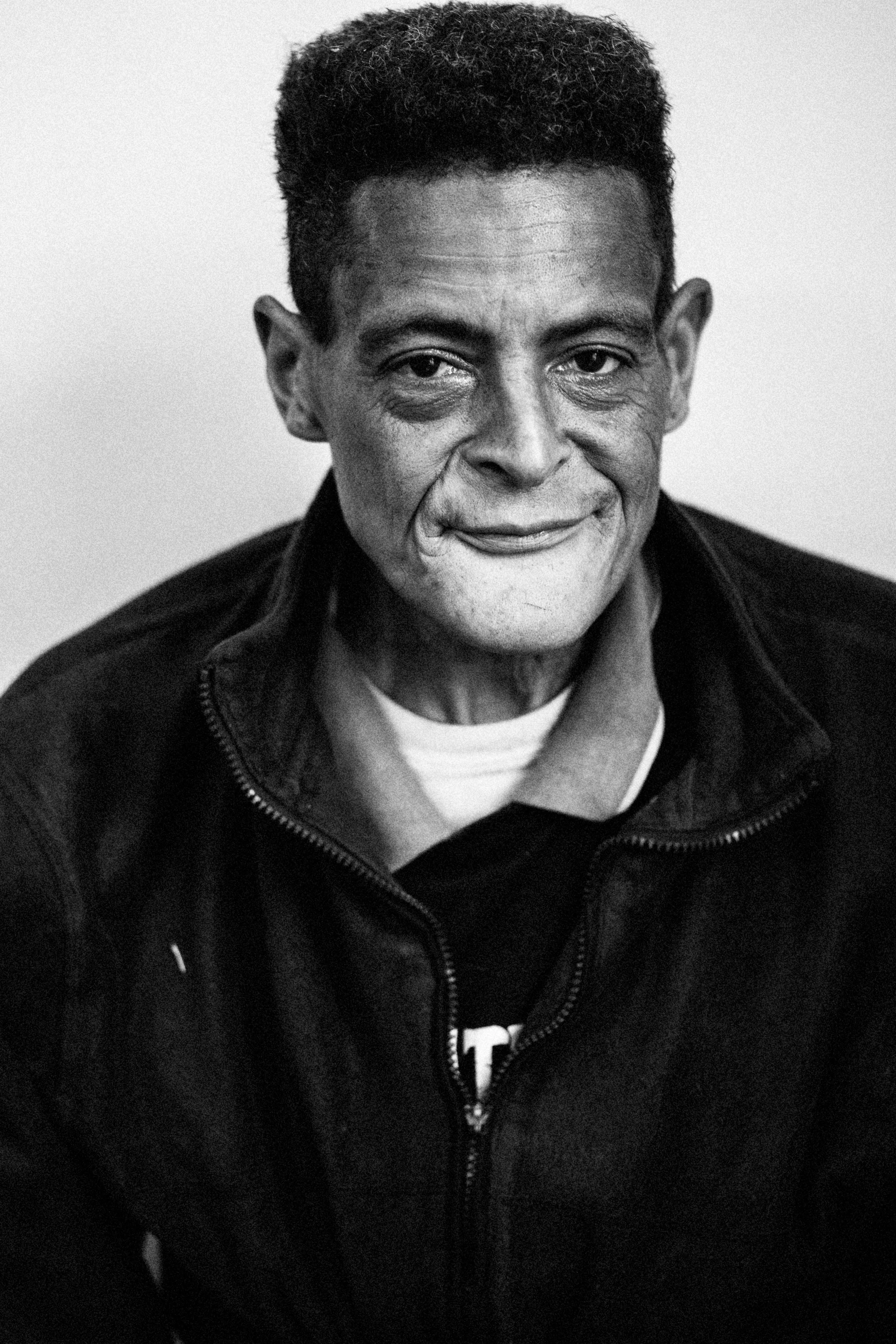
Sam C Wilson is six-foot-five, built like a question mark you're not sure you want answered, and absolutely certain about one thing: the voice comes first. From Bill Sikes in Dodger to Blood in House of the Dragon, and now Trap Jaw in the highly anticipated Masters of the Universe, Wilson has made a career of finding the human being buried inside the myth — and he always starts in the throat.
Words Bryson Edward Howe Photography JC Verona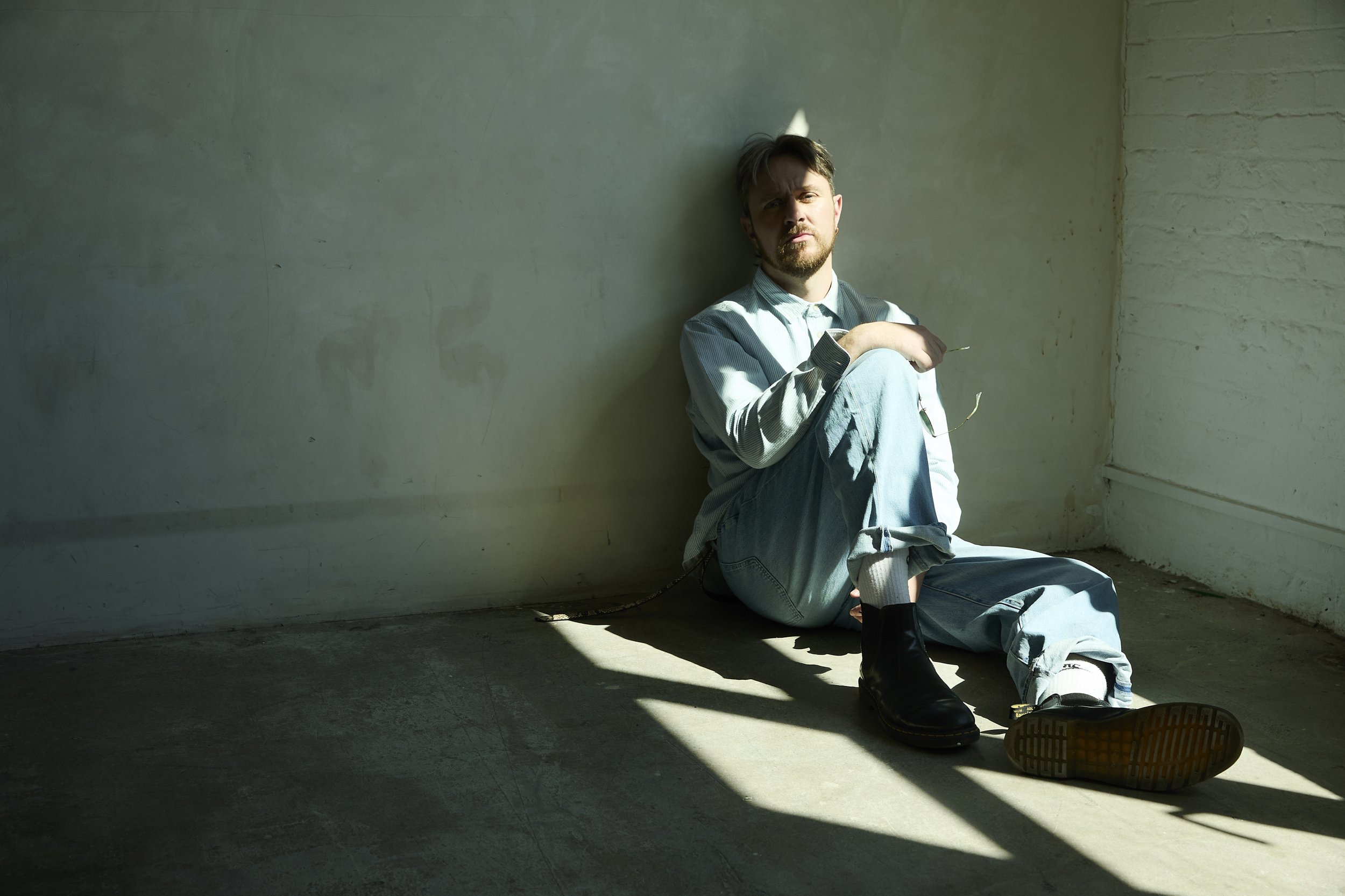
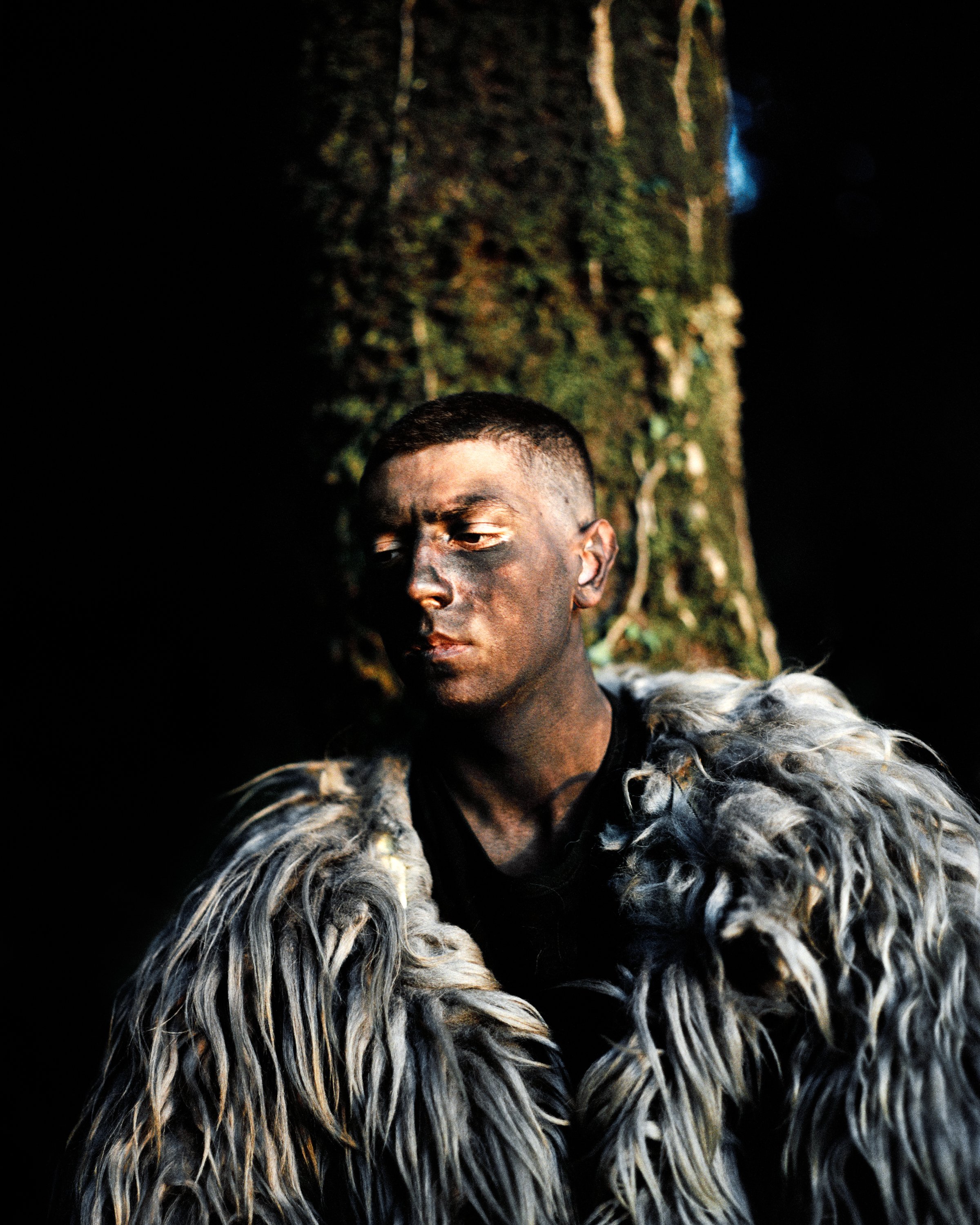
“Being big and having a very low voice lend themselves really well to being a baddie.” Sam C. Wilson is used to people making certain assumptions about him. He is six-foot-five, over a hundred kilograms, with a definingly thumping voice. “This is me pitching it high,” he laughs, describing his friendly, day-to-day register. “When it goes lower, if I’m not very well, it kind of really…” He trails off, then smiles at the obviousness of it. Wilson knows what he looks like. He knows what casting directors might see first: the height, the beard, the body, the possibility of menace. He has played Bill Sikes in Dodger, Blood in House of the Dragon, and now - most notably - Trap Jaw in the upcoming Masters of the Universe. These are characters who arrive with history already attached to them, ones whose physicalities and silhouettes are a big part of their icon. But Wilson talks about them less like monsters than problems to be solved: a voice, a walk, a way of holding the face. How do you take something already shaped by myth, childhood, toys, cartoons, fan art, plastic limbs and thirty years of imagination, and find the living thing underneath?
For Wilson, the answer usually begins in the throat. “The voice is the first moving part,” he says. “It always kind of is for me.” With Trap Jaw, there were many moving parts: prosthetics, costume, robotics, contact lenses, a CG arm, fight training, weight gain, fan expectation, the sheer preposterous silhouette of the thing. But before all of that could cohere, Wilson needed to know what he sounded like. “If I get the voice nailed, or someone’s accent or their voice, then I tend to begin moving like them. It really does start there for me. It’s like if I could play this character in a radio play first, then I’m in.”
That instinct goes back to childhood. His mother is from the Midlands, his father grew up on a council estate in Wigan, and Wilson grew up in South Wales, surrounded by people listening closely to how each other spoke. “There was this hyper-fixation on how we sounded quite early,” he says. “My dad’s a very good mimic. My sisters can all do an accent as well. There’s obviously some sort of familial interest in how people sound.” As a child, he would do voices and adults would cheer. “And then everyone goes, yay,” he says. “So yeah, there was probably a bit of the performer in me even as a little one.”
It feels fitting, then, that his way into a character like Trap Jaw – a figure whose face is literally reconfigured, whose body is both flesh and machine – would be through something as intimate and human as vocal cadence. “How people speak and their rhythm,” he says, “that’s for me how I sort of figure people out.”
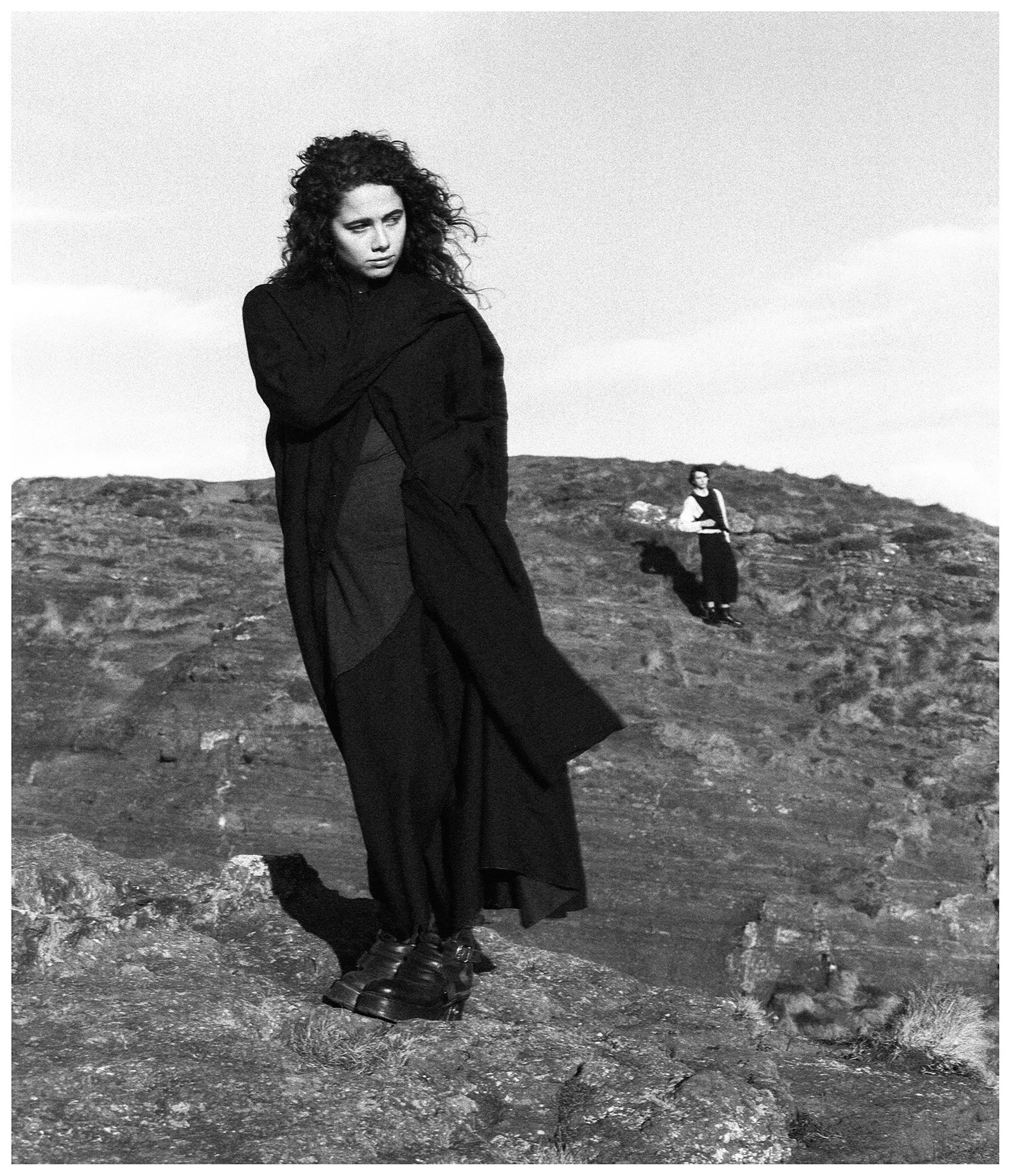
Sam wears shirt Fera . Trousers and Doc Martin’s are Sam own.
"If I get the voice nailed… then I tend to begin moving like them. It really does start there for me. It's like if I could play this character in a radio play first, then I'm in."
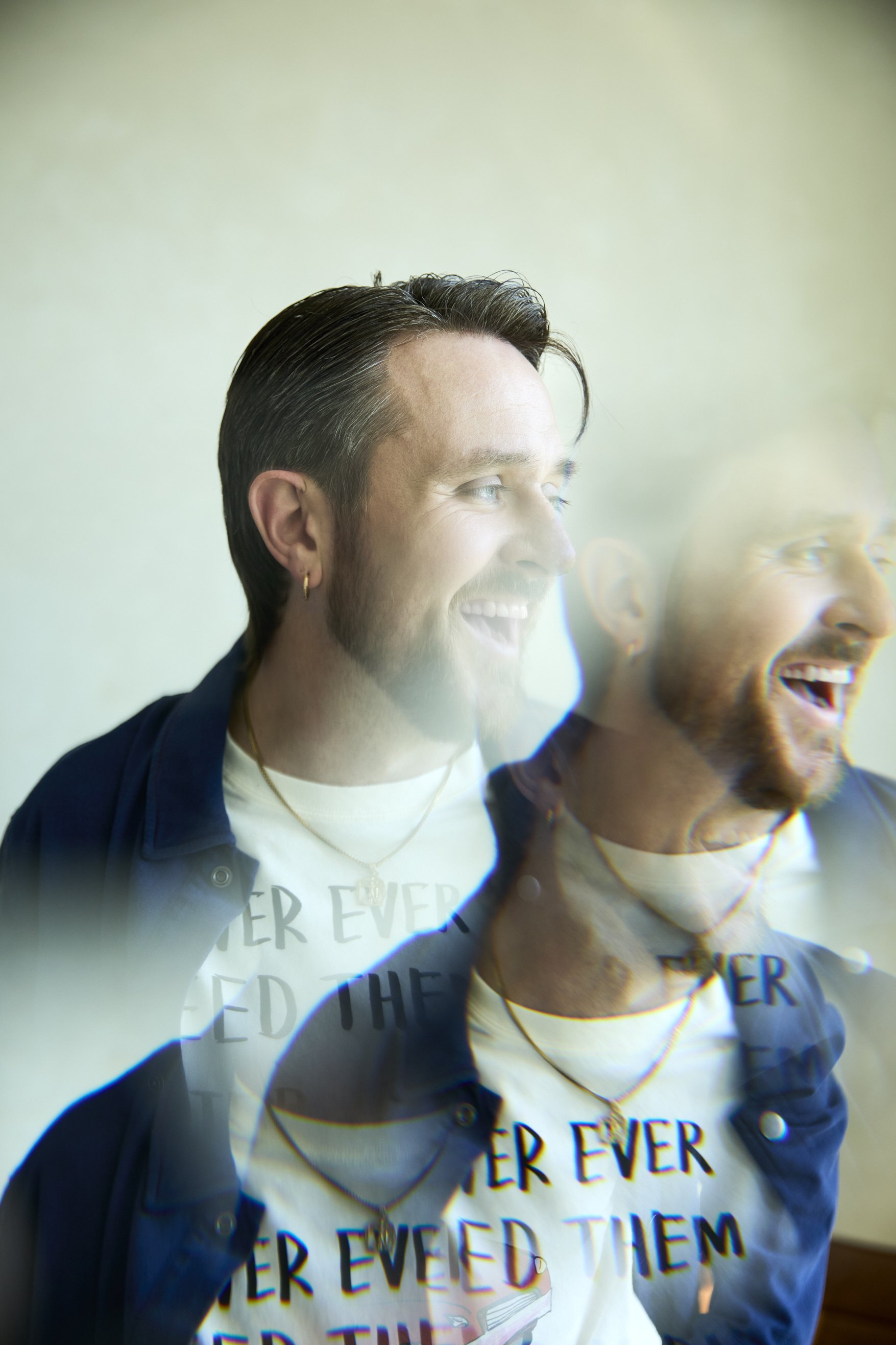
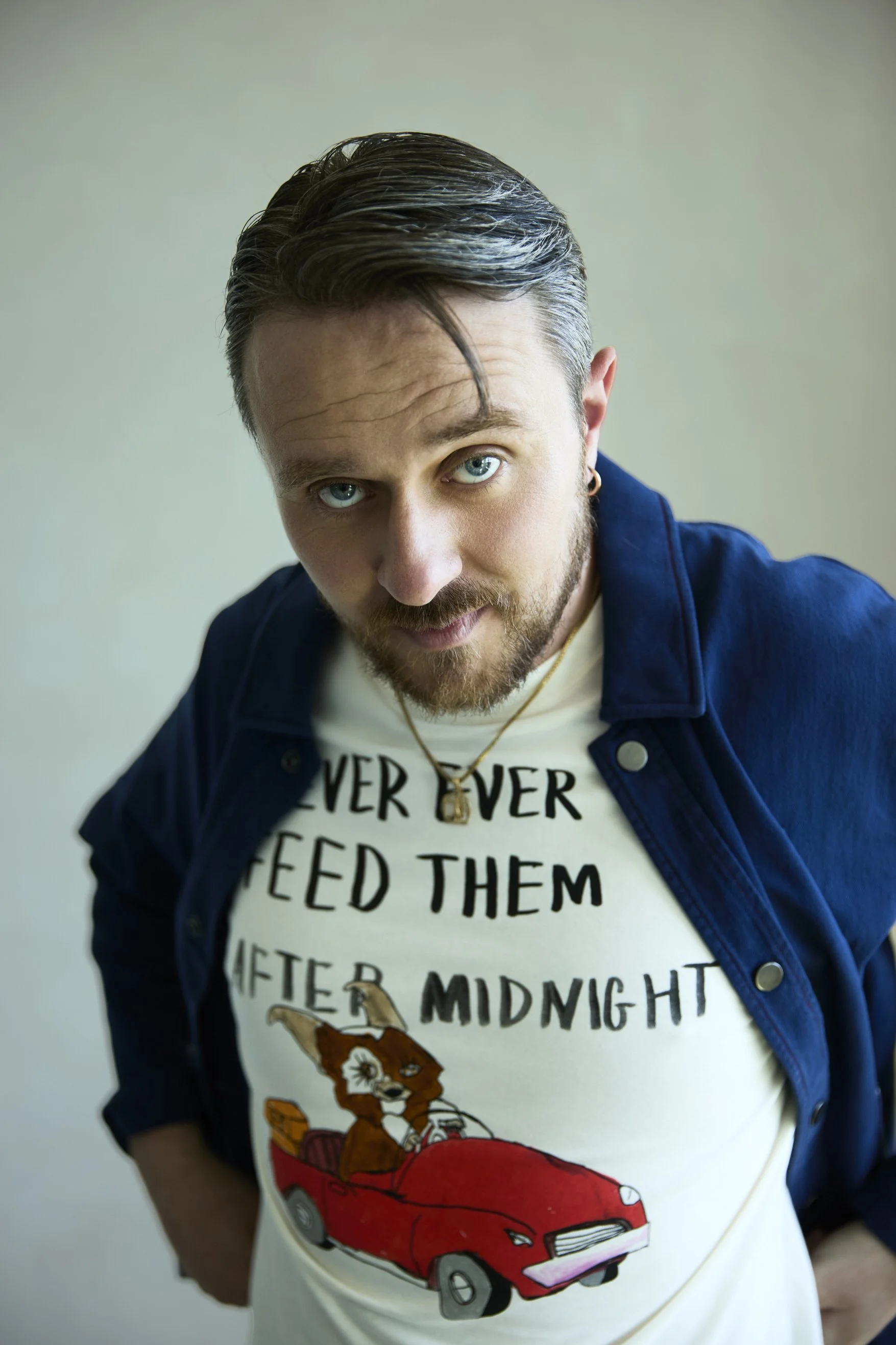
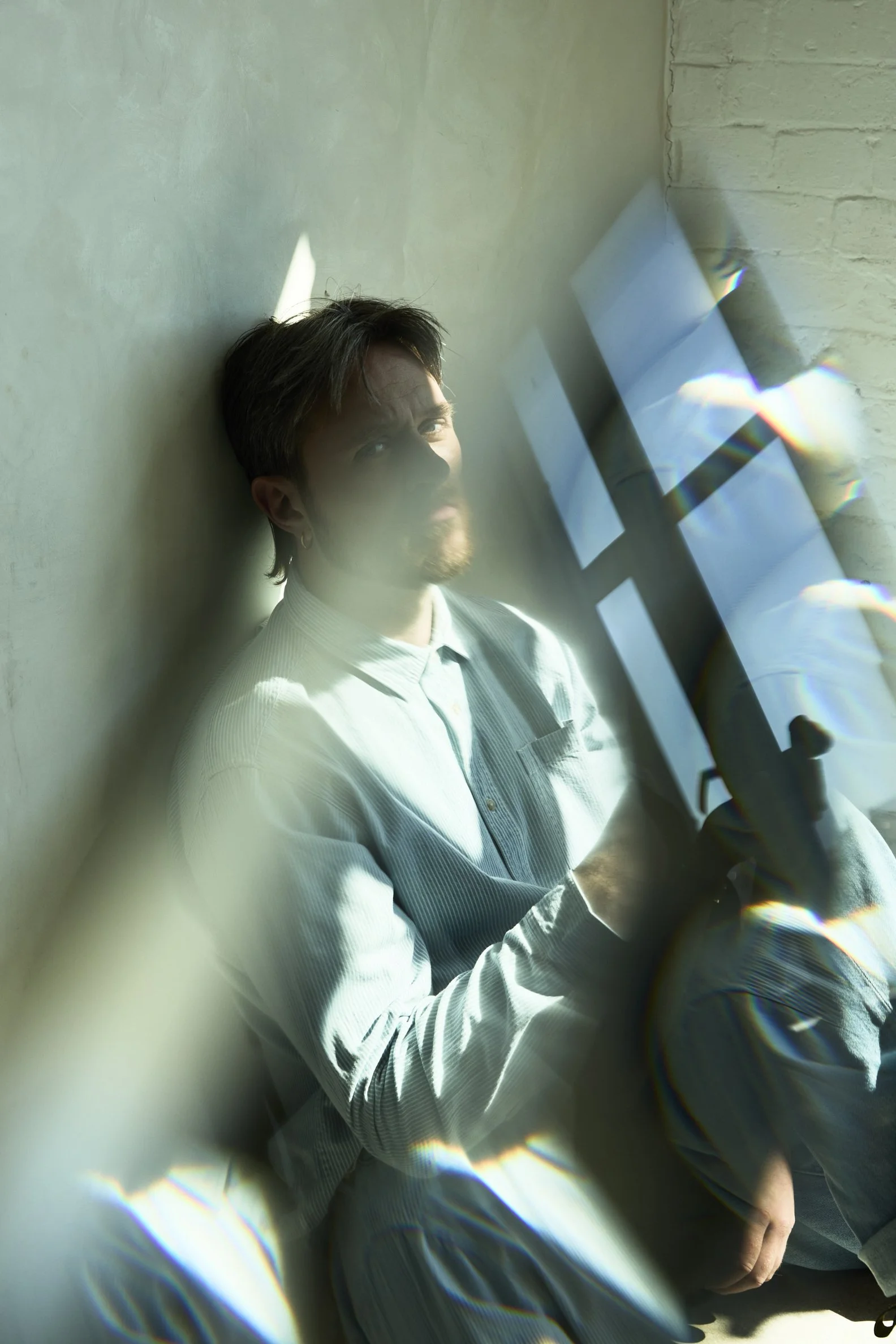
Sam wears Over-shirt by Fera . Tee by Zara.
Before the worlds of House of the Dragon and Masters of the Universe, Wilson trained at Drama Centre London, having first thrown himself into theatre at university in Leeds. Acting, at the time, seemed like the silly thing he couldn’t stop wanting. “I did science and maths A-levels and then a robotics Open University course,” he says. “I was the whole time just trying to placate a lot of people who thought because I was quite good at science, I ought to do it. Acting seems like a very silly idea, but I couldn’t let it go.”
His training was stage-based, which meant that the early transition to screen involved being told, often, to do less. “The first few TV auditions I went into, I was a car crash,” he says. “I was so loud.” He remembers standing in tiny rooms in Soho, still projecting for the back row. “It took ages for me to figure out the spheres of where the camera is.” In Dodger, though, Bill Sikes gave him permission to use that theatricality. “He was really theatrical and loud, and I was given a lot of licence to play with volume and all the different levels.”
Trap Jaw required a different kind of scale. Not theatre exactly, but not ordinary screen naturalism either. A heightened world asks for heightened choices. “Loads of the heavy lifting character-wise has been done yonks before you were even on board,” Wilson says. “What was great was I would experiment with my new face.”
That new face was practical prosthetic work, glued to his own skin. “It’s glued to every part of my skin, which is horrendously uncomfortable,” he says. “But I had to explore this new face for it to do the things I wanted.” He played in the mirror, relearning expression, testing what the prosthetics would allow. “I figured out if I did certain things, I could give him this terrible menacing laugh.” Slowly, Trap Jaw became something more than a design. “I basically made him like a gym bro meets an orc,” he says. Then came the walk: chimp-like, inspired by the Planet of the Apes films, built with a movement coach. “Travis let me come up with him and how he moved,” Wilson says. “They let me go for it.”
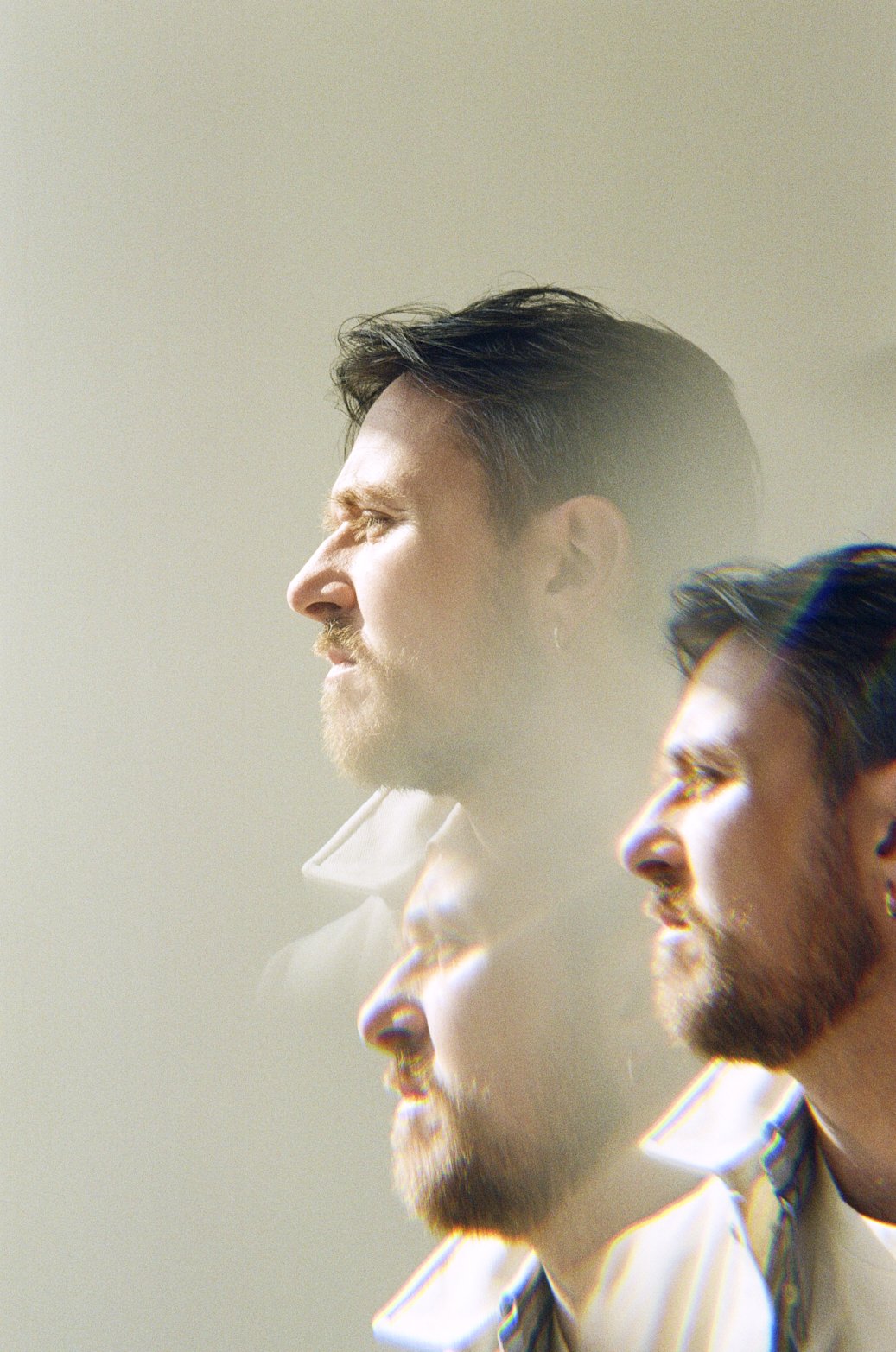

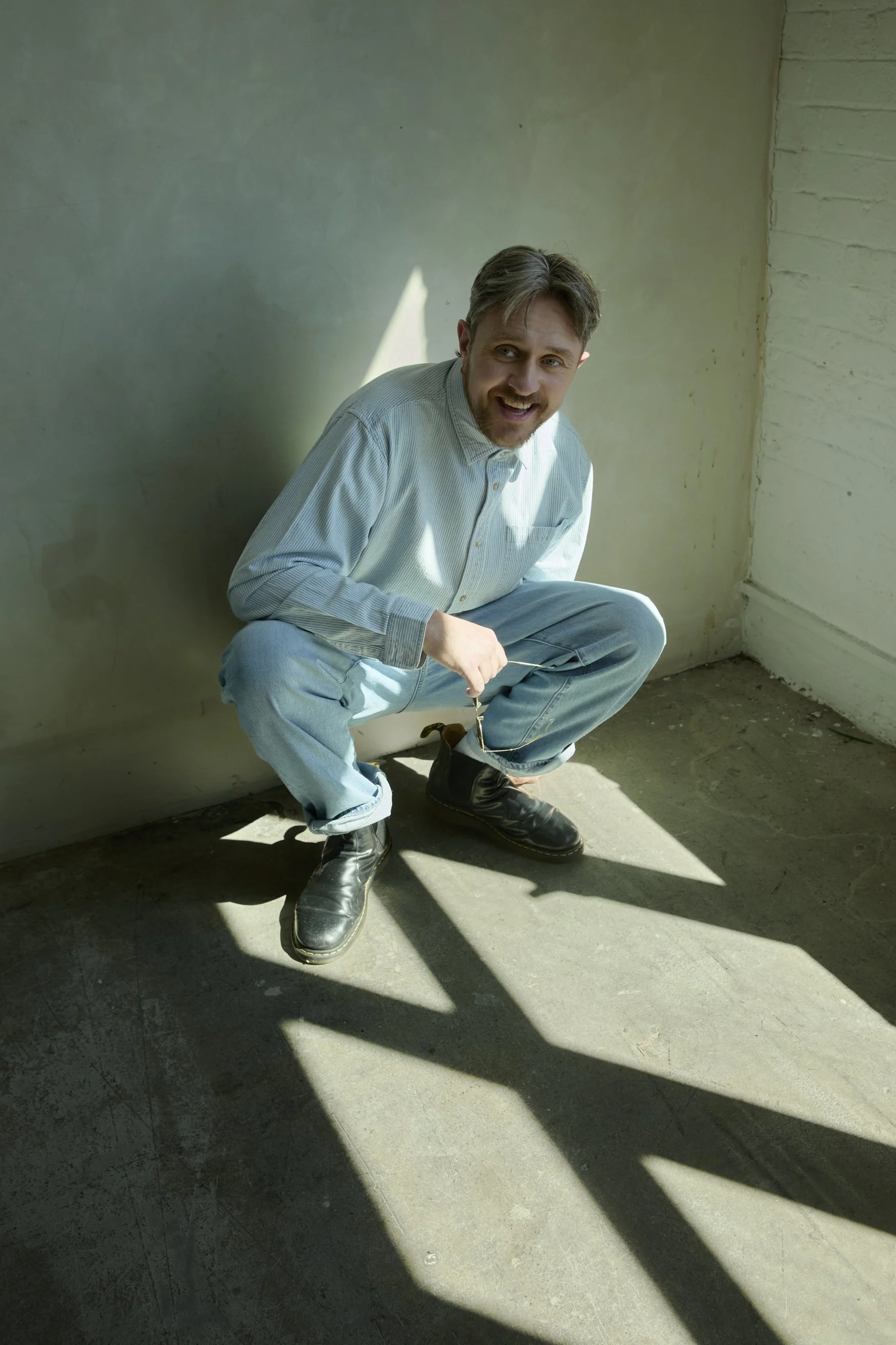
Sam wears Jacket, shirt and tee from Fera . Trousers vintage Calvin Klein
"The world's hard work and scary. Fantasy is respite."
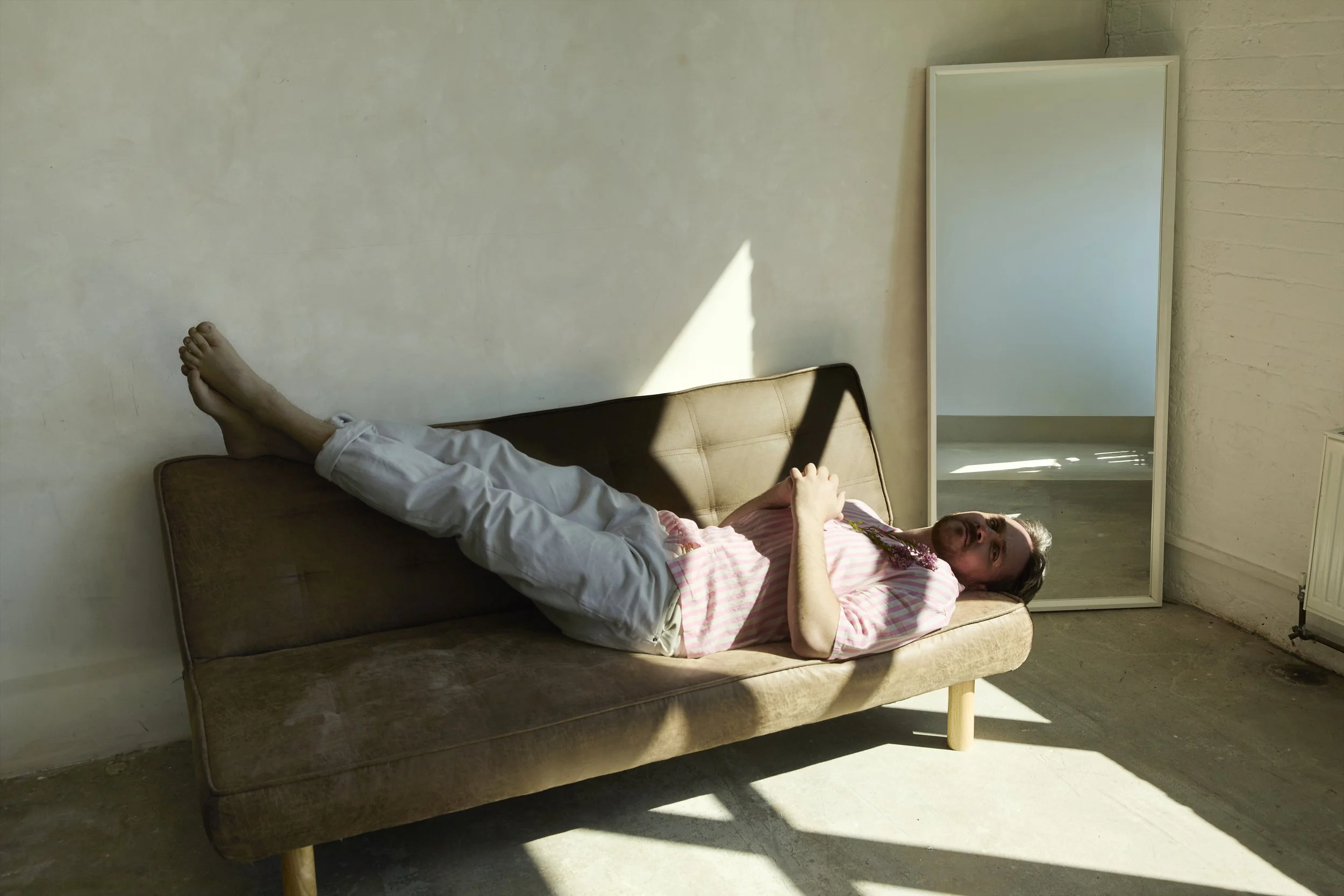
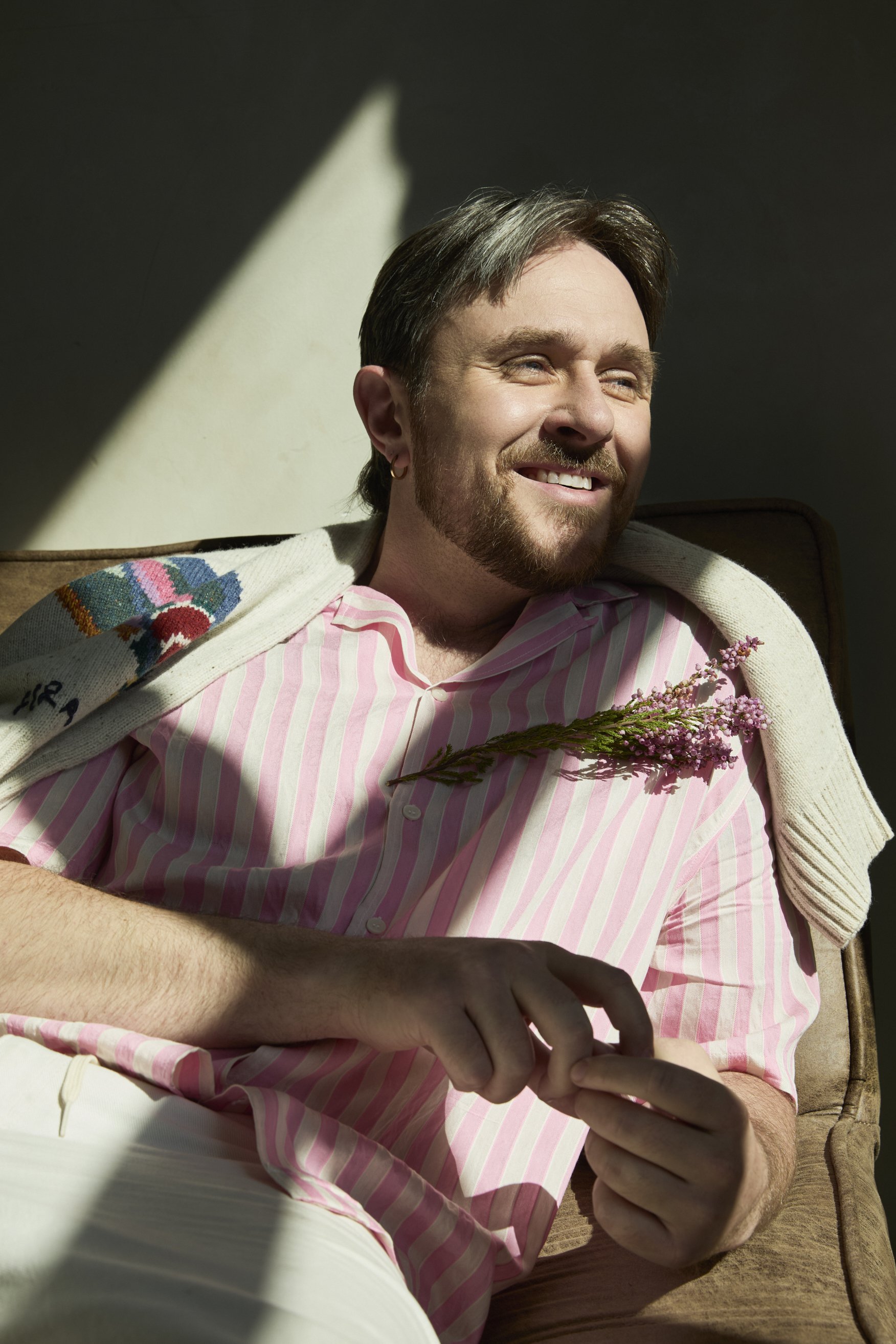
Sam wears jumper over shoulder by shirt Fera . Shirt by Zara. Trousers vintage Calvin Klein
There is something wonderfully boyish in how Wilson talks about the scale of it, even as he is honest about the pressure. When he first realised he was stepping into Masters of the Universe, he felt “a healthy dose of fear.” Some of that came from wanting to do right by people. Some of it, he admits, was simpler. “You also just don’t want the fans to go, who the fuck is this guy?”
The physical demands soon became clear. Concept art showed Trap Jaw as “a unit.” Early prosthetics fittings became paint tests, then torso tests, then the discovery that, no, there would not simply be a body suit. “And I went, oh right.” He was given gym access, meal prep, and the instruction to get in the right shape: not lean, but strongman-like. “Eating a lot, getting big, kind of like strong man, almost barrelly.” He trained alongside Hafþór Júlíus Björnsson, who plays Goat Man. “The first time I met him, my nervous system had to catch up to the fact that I wasn’t talking to a bear,” Wilson laughs. “I’m six-five, I’m a big guy, and he dwarfed me.”
Then came the suit itself. “Only his arm is CG,” Wilson says. “It’s real. It’s practical. It’s my body. It’s the prosthetics team’s face. It’s the real costume. The legs were built. I wore them.” He had scleral contact lenses covering the whites of his eyes, heavy robotic legs, black paint around the eyes. “When I went out the first time on set, people looked absolutely fucking terrified. And that helped, because people treat you differently. Until you ask for a flat white and then they laugh.”
What Sam hopes, more than anything, is that people find his Trap Jaw distinctive. “Through all the stuff that I have on, I hope that people see a very heartfelt performance,” he says. “When I say heartfelt, I don’t mean like he’s full of heart. I mean, I hope what they see is someone really performing the shit out of it.” He wants people to do the voice. He wants children, fans, Comic-Con crowds, whoever finds themselves caught by the character, to imitate him. “I hope the choices I made surprise people just enough.”
For Wilson, there is something unusually generous about this kind of fandom. “People who seek out realms of fantasy,” he’s found, “are open-minded and positive.” Comic-Con crowds, in his experience, are “excitable, playful people.” Passionate, yes, but often kind. The idea of becoming an action figure or a costume is still surreal to him. “I played with action figures. It’s just brilliant. I keep waking up feeling as though I’ve made it up.”
Without spoiling anything, Wilson is optimistic about this new Masters of the Universe. “It knows what audience it’s going to,” he says. “It knows that it’s going to a new audience who have grown tired of a particular taste. But it’s also honouring an audience that have long awaited this phenomenon.” It has, he says, “a great heart and sense of humour,” without taking itself too seriously. The scary bits are frightening. The action works. He has seen some of it already in ADR (Additional Dialogue Replacement is a post-production process where actors re-record their lines in a studio.), and admits he failed to play it cool. “I was going, oh my God. I was going mad.”
Then, finally, he lands on the thing beneath the toys, the franchise, the scale, the pressure, the prosthetics, the voice. Why do people still care? Why return to Eternia at all?
“The world’s hard work and scary,” Wilson says. “Fantasy is respite.”
And perhaps that is where the human being lives inside Trap Jaw: not hidden beneath the machinery, but animating it. A voice inside the mask. A man, six-foot-five and laughing, trying to make a fantasy worth believing in.
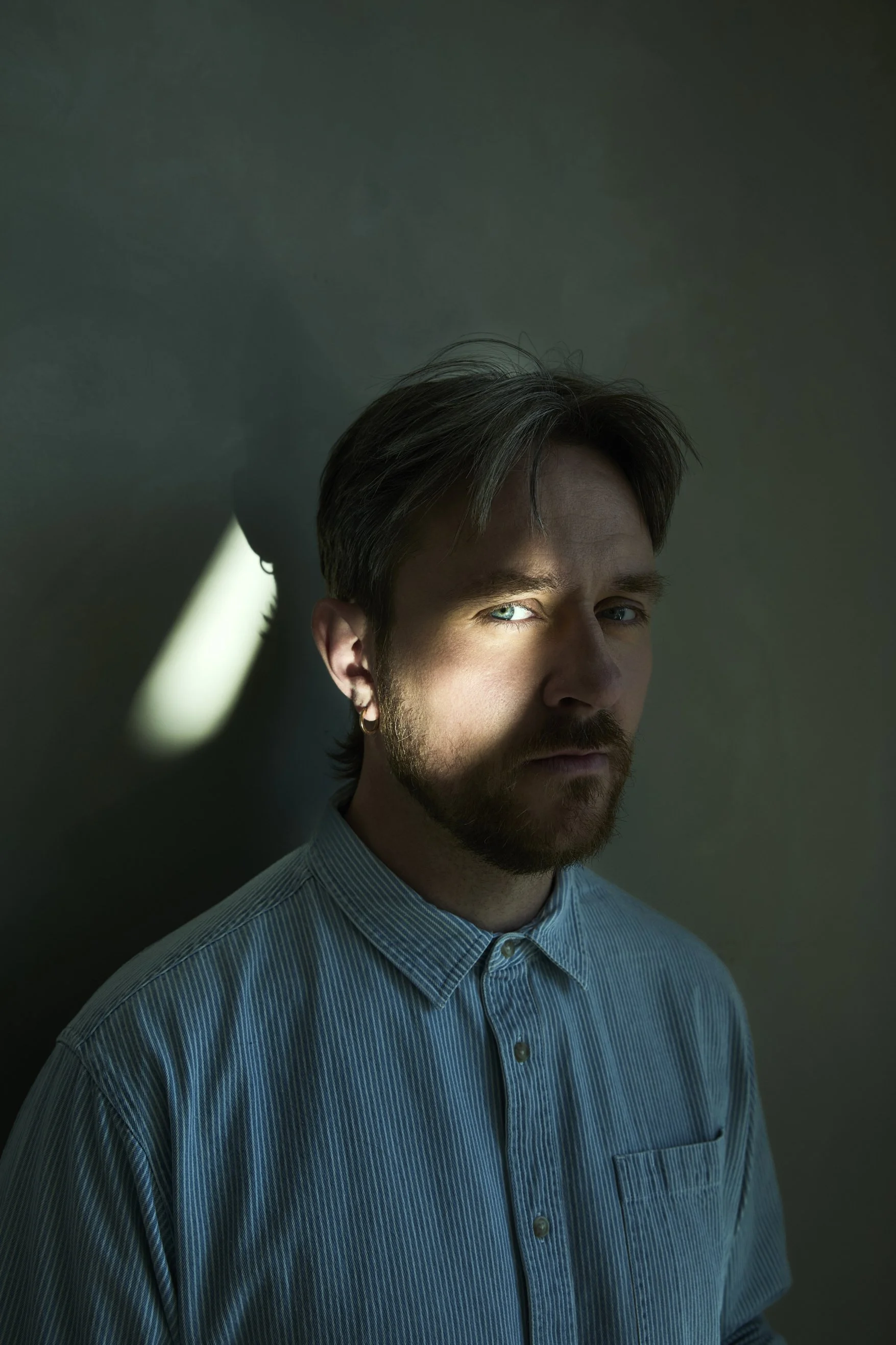
Sam wears shirt from Fera
Team credits
Interview Bryson Edward Howe
Photography JC Verona
Styling Katie Eary
Hair Patrick Hunter
Make Up Charli Avery
Publicist Satellite 414 Screen
READ NEXT