Belvedere Kane – Such Trying Times
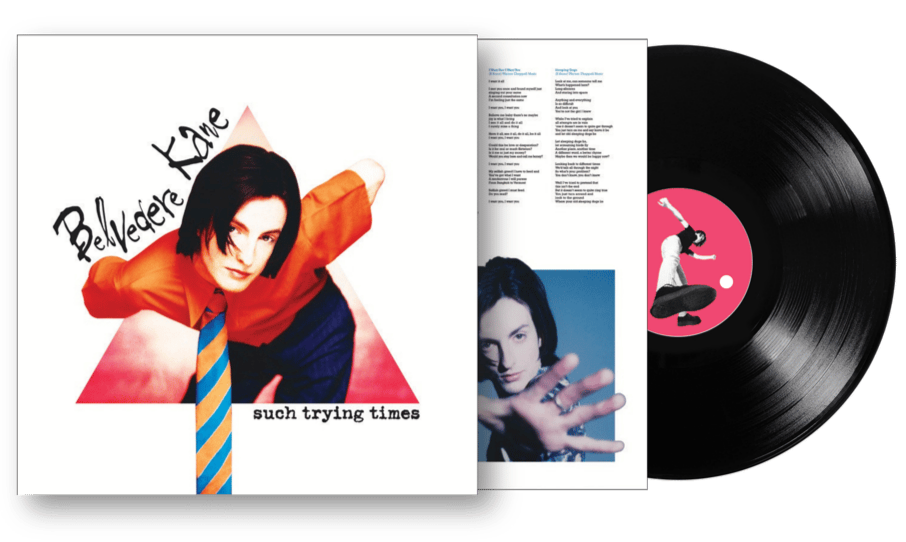
After a 30-year hiatus, cult pop figure Belvedere Kane finally releases an album that has lived in the shadows since the 1990s. What began as forgotten demo tapes rediscovered during lockdown has become Such Trying Times – a nostalgic yet surprisingly fresh collection, featuring an unreleased vocal from Pete Burns and songs originally destined for the golden age of British pop.
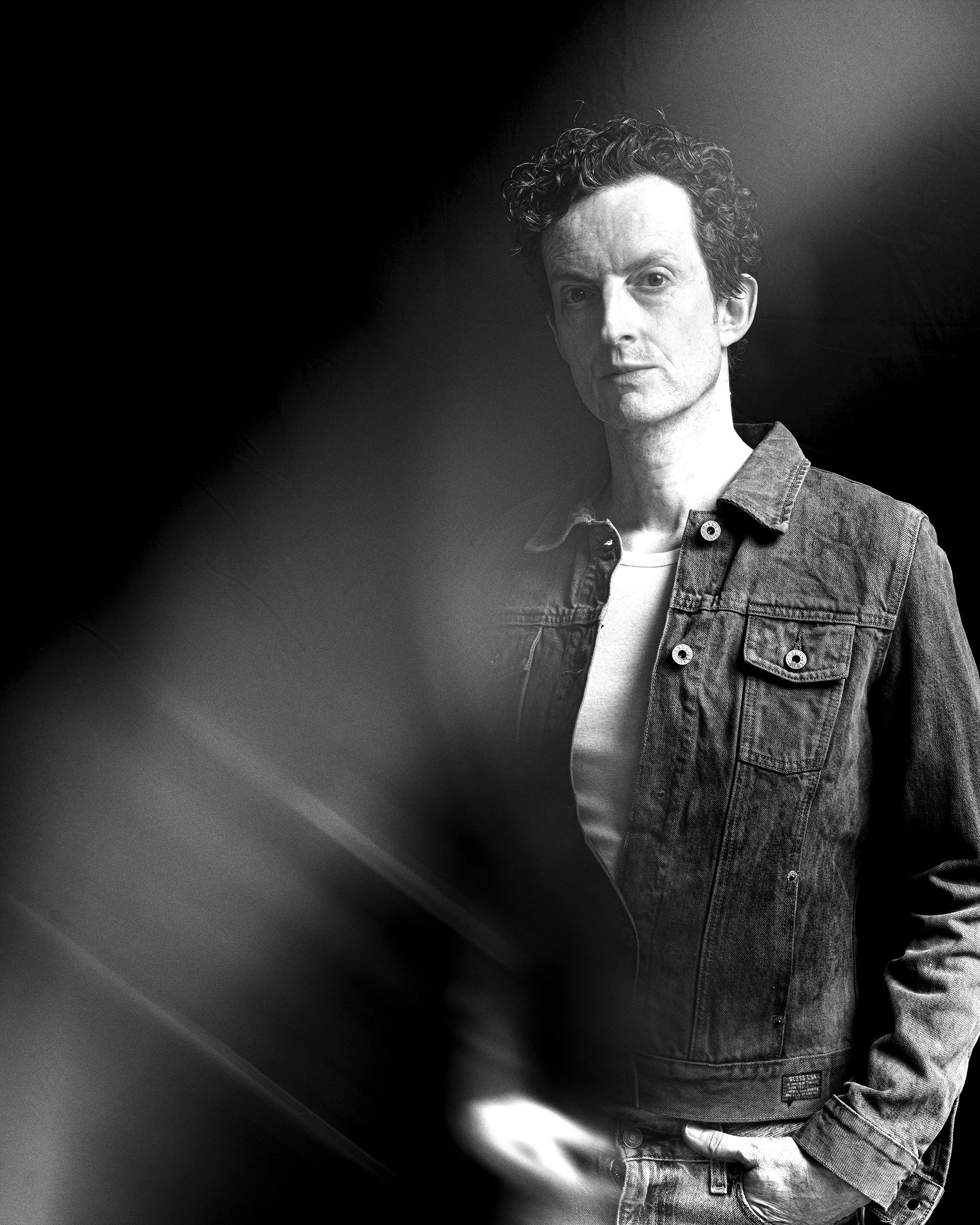
Interview ZERO.NINE Photography Christian Trippe
After such a long gap, why did Belvedere Kane disappear in the first place?
Basically, when the first single didn’t really take off, there was talk of doing a second one, but it never happened. The label just weren’t enthusiastic enough, and they wanted to take things in a different direction. I was open to trying that, but I think the writing was on the wall. All the songs we’d recorded just got put to one side.
Around that time, my friend Julian Gingell and I set up our own production company Jewels & Stone. We’d worked on some of the Belvedere Kane songs together, and that really marked the end of one chapter and the beginning of another. We went on to work with many artists and have worked together for many years, so Belvedere Kane kind of slipped into the background.
“From about 1991 to 1997, it was everything to me – I lived and breathed Belvedere Kane.”
So what made you come back to it after nearly 30 years?
It was during Covid, when everyone was stuck at home and looking for things to do. I had loads of old DAT tapes in the attic and I knew they deteriorate over time, so I thought I should digitise them before they were lost forever.
Among all those tapes were the old Belvedere Kane demos. I hadn't heard these songs for so long, it just reminded me what Belvedere Kane had meant to me back then. From about 1991 to 1997 it was everything to me – I lived and breathed Belvedere Kane. The songs actually sounded really good, and I thought, why are these just sitting in boxes? It’s so easy now to put things out on streaming platforms. At first, I thought I’d just release them as they were, but then I started re-recording some, adding production, updating others. In the end, I did something to every track.
Did the album end up sounding very different from the originals?
Some songs had to be re-recorded completely because I only had cassette versions, or very poor quality recordings. But others were pretty much intact – just remixed using modern technology.
Our long-time mixer, Pete Hofmann, mixed the whole album, which made it feel cohesive and surprisingly fresh. The production is very 90s, but the mixing brings it into the present.
One of the songs of the album features Pete Burns. How did that happen?
That was a real surprise. I came across a vocal I’d recorded with Pete Burns around the time we were making the Nukleopatra album. It was a discarded verse that never got used. When I heard it again, I thought it would make an amazing chorus. His line was: “I had such fun at 21, I’m gonna stay forever young.” So we built a new song around it called Legends (Forever Young).
I wanted it to have the same energy as Dead or Alive, and I got my songwriter friends Julian Gingell and Hannah Robinson involved. It turned out so well – I’m really proud of it, and it became the opening track on the album.
What do you think Pete Burns would have thought about the album being released now?
I honestly think he would have loved it. I’ve been revisiting that whole world recently because I did a podcast, ‘Nukleopatra – making a Dead Or Alive album with Barry Stone’, for its 30th anniversary. Talking to everyone involved just brought all those memories flooding back. It was such a special time. I feel like Pete would have been excited to see these songs finally out there.

“I came across a vocal I’d recorded with Pete Burns around the time we were making the Nukleopatra album. When I heard it again, I thought it would make an amazing chorus.”

There’s also Getting Away With Murder, which was originally written for Dead or Alive. How did that story unfold?
I was a massive Dead or Alive fan from the first time I saw Pete Burns on Top of the Pops. That obsession eventually led me to working at PWL with Stock Aitken Waterman – it was like a dream come true. Dead or Alive had already left, but I was so excited to be in that building. SAW were at the peak of their success. They were doing Kylie Minogue, Jason Donovan, Bananarama – working with all those artists, and I got to be in the room, and they were making all these amazing records.
A few years later, Pete Waterman told us that he was thinking of bringing Dead or Alive back and I said to Julian, we should write a song for them, even though we’d never written together before. The title Getting Away With Murder came from Julian, and I sang the demo. The more we worked on it, the more I thought, " This is really good – I want this for Belvedere Kane”. Then through a strange chain of events, I ended up working with Dead or Alive on their next album. The band didn't know what a massive fan I was – I think they did by the end. We developed this friendship and we became really close. And whilst making the album, I was telling Steve Coy what I was up to with my artist project Belvedere Kane.
The next time Pete was in, Steve had me play some of the material to him, one of which was Getting Away With Murder. Pete took Steve aside and said something to him. I couldn't hear what he was saying, but he was obviously very excited about this track. And anyway, he said, Pete wants this track. Can we have this track? And I said no. Looking back, it sounds crazy, but at the time, Belvedere Kane was everything to me. I couldn’t give it away.
There were no hard feelings – they were still my friends and were totally supportive. They even came to my gigs, and Pete once introduced me on stage as “one of our protégés”. For someone who started out idolising them in my bedroom, that was pretty surreal.
“I think everything happens for a reason. I’m not even sure I would have made a good pop star, to be honest.”
Do you think working behind the scenes as a producer fulfilled your original pop star ambitions?
I think everything happens for a reason. I’m not even sure I would have made a good pop star, to be honest. But I’ve always needed to be creative, and songwriting gave me that. I still get to sing, I still write songs – just for other people. It’s been the perfect outcome really.
How did it feel stepping back into the Belvedere Kane role after all this time?
It was actually really enjoyable. Writing for Belvedere Kane is different from writing for other artists – there’s a certain character that inhabits the BK songs. Even the cover songs on the album fit that same emotional space. I could hear how my voice has changed over the years, but I wanted to keep the same energy as the original demos. That was important to me.
Where did the name Belvedere Kane come from?
Back in the 90s, I used to tell this ridiculous story about a gypsy telling me I was Belvedere Kane in a past life. That’s not true. The real story is much simpler. I wanted a name that felt like a band, separate from my own. Once while staying in Dublin I kept seeing billboard adverts for a brand of envelopes called Belvedere Bond. I loved the way it looked, so I changed Bond to Kane. Kane comes from the creepy character in Poltergeist. So, it’s basically stationery meets horror films.
“Pop stars used to be colourful characters – that’s what I loved.”
Was Belvedere Kane always a kind of character for you?
Yes, especially at the beginning. Me, and my flatmates Damien and Peter saw it as a kind of persona. We used to describe Belvedere Kane as Edward Scissorhands meets Siobhan from Shakespeare’s Sister.
It was slightly gothic, quite theatrical. I was influenced by people like Adam Ant, Toyah Willcox and obviously Pete Burns. Pop stars used to be colourful characters – that’s what I loved.
The album is called Such Trying Times. Why that title?
That song is actually a cover from the 60s, but the title feels incredibly relevant now. A friend suggested it should be the album title and I’m glad they did. For me, making this album has been a kind of escape. In such trying times, creatively, it’s been a happy place to go to. It’s something I’m passionate about and putting it together has brought me real joy.
“These songs had been hidden away for decades, and suddenly they were real again.”
What do you hope people take away from the album?
I just want people to enjoy it. There was a really emotional moment when I first listened to the vinyl test pressing from start to finish. These songs had been hidden away for decades, and suddenly they were real again. It feels nice to finally let them out into the world.
Has this reignited your desire to release more music as Belvedere Kane?
Possibly. Legends (Forever Young) is the only completely new song and I really loved doing that. I’ve still got my day job making music for other people but never say never. After 30 years, I’m just happy the Belvedere Kane album is finally out there.

Wach the video for Legends (Forever Young) below
READ NEXT